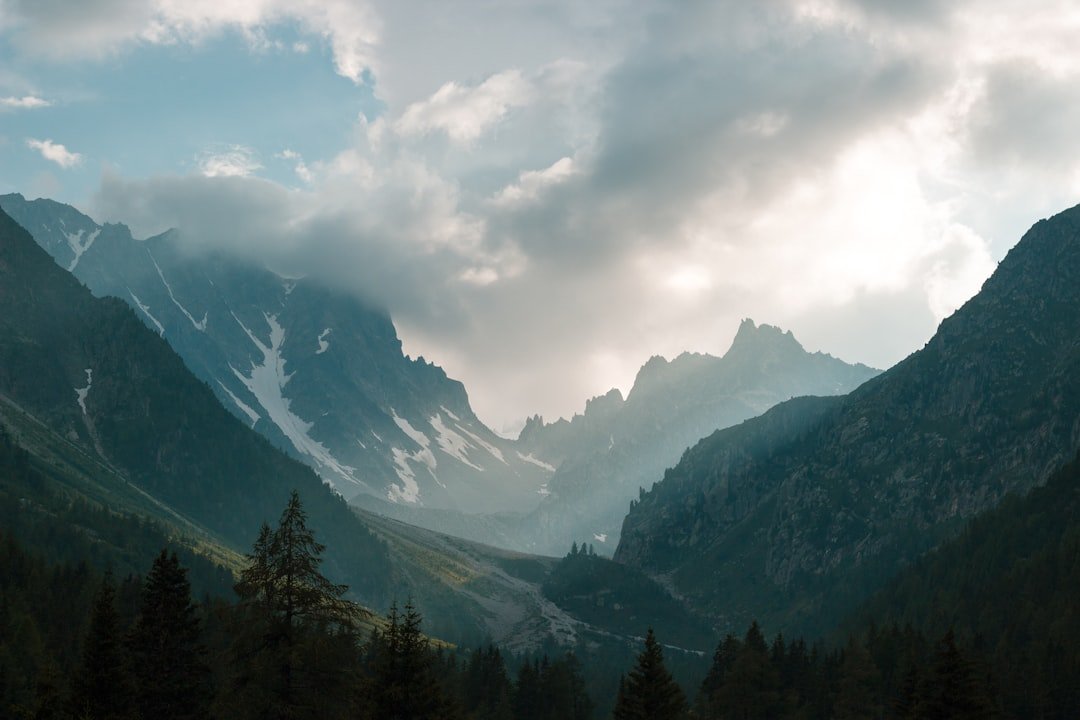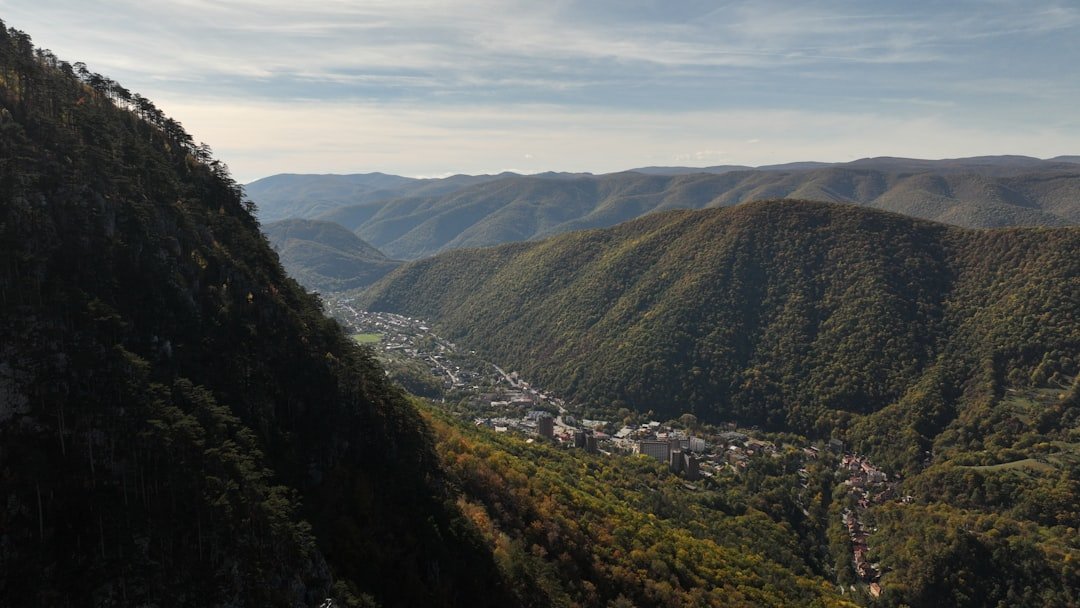
Verzasca Valley in Switzerland’s Italian-speaking canton of Ticino combines an emerald-green river, stone villages, historic paths and steep mountain scenery within easy reach of Locarno. Lavertezzo and its Ponte dei Salti are the best-known sights, but Sonogno, the Verzasca Dam, riverside hiking, bouldering and traditional Ticinese food make the valley worth exploring beyond a single photo stop.
Quick Answer
Verzasca Valley is best explored from Locarno by PostBus 321 or by car. Prioritize Ponte dei Salti in Lavertezzo, the Verzasca Dam, Sonogno and its nearby waterfall, plus part of the Sentiero Verzasca. Summer is popular, but always treat the river cautiously because currents, cold water and sudden level changes can be dangerous.
Key Takeaways
- Locarno is the most practical public-transport gateway, with PostBus 321 running into the valley toward Sonogno.
- Ponte dei Salti, Lavertezzo, the 220-metre Verzasca Dam and Sonogno are among the valley’s signature sights.
- Hiking, bouldering, mountain biking and guided canyoning are major outdoor activities.
- The Verzasca River is beautiful but potentially dangerous. Never assume a calm-looking pool is safe for swimming.
- Public transport can be easier than driving during busy summer periods because parking around popular stops is limited.
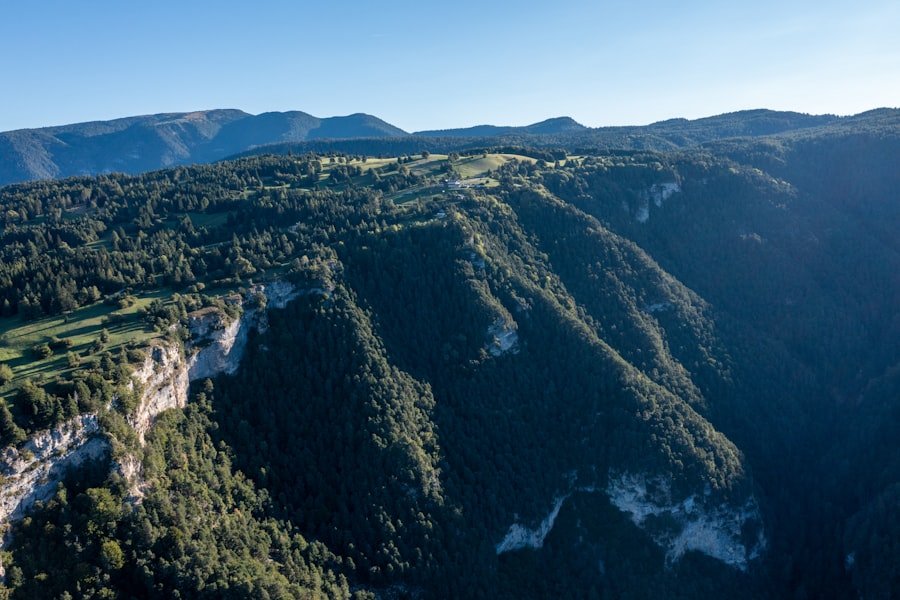
The valley is shaped by the Verzasca River, steep wooded slopes and settlements built with traditional stone houses. Its cultural character is closely tied to Ticino’s Italian-speaking traditions, rural architecture and long history of mountain farming and seasonal movement between settlements and alpine pastures.
Villages such as Lavertezzo, Brione Verzasca, Corippo and Sonogno preserve much of that character. Instead of treating the valley only as a swimming or photography destination, allow time for its footpaths, churches, museums, local food and smaller villages.
How to Get to Verzasca Valley
Locarno is the most useful gateway for a Verzasca Valley trip. If you are already elsewhere in Switzerland or Ticino, use the Swiss rail network to reach Locarno and then continue by PostBus. You do not need to route through Lugano unless Lugano is already part of your itinerary.
Ascona-Locarno Tourism recommends public transport in the valley during high season. PostBus 321 runs from Locarno railway station toward Sonogno and serves communities and trail access points along the route.
PostBus also warns that services into Verzasca can be very busy during summer. Check the live timetable before departure and arrive early when traveling on popular weekends.
Pro Tip: If your main stops are Lavertezzo and Sonogno, the bus can be easier than driving because you do not have to search for parking at each village.
Driving and Parking
Driving gives you flexibility for smaller stops, but parking becomes a real consideration in peak season. For 2026, the regional tourism office lists a Verzasca Parking Card at CHF 12 for one day or CHF 40 for seven days, valid in designated green-P parking areas. Hourly parking is also available in participating areas.
Short-stay spaces around high-demand locations such as the dam and Lavertezzo can have separate limits and rates, so always read the signs where you park. Current parking information is available from the official Verzasca Parking Card page.
Note: Road, rail and bus schedules can change because of construction, weather or seasonal operations. Check SBB and PostBus shortly before your trip instead of relying on an old timetable.
Top Attractions in Verzasca Valley
Ponte dei Salti and Lavertezzo
Ponte dei Salti is the valley’s most photographed landmark. The slender two-arched stone bridge crosses the Verzasca River at Lavertezzo above polished rock and intensely green water.
The bridge is sometimes loosely called a Roman bridge, but the official Ticino tourism description identifies it as a medieval-style stone construction. It was partially destroyed in 1868 and reconstructed in 1960. You can read the historical description on Ticino Tourism’s Ponte dei Salti page.
Lavertezzo itself deserves more than a quick bridge photograph. Its parish church is Santa Maria degli Angeli, an 18th-century church with a late-Baroque façade, and paths from the village connect with riverside and mountain walking routes.
Ponte dei Salti may be Verzasca Valley’s most famous view, but the best visit combines the bridge with a walk along the river rather than treating Lavertezzo only as a roadside photo stop.
Verzasca Dam and Lago di Vogorno
At the lower entrance to the valley, the Verzasca Dam rises 220 metres above Lago di Vogorno. It became internationally famous through the opening stunt sequence of the James Bond film GoldenEye, and a commercial bungee operation allows eligible visitors to jump from the dam when operating.
The dam is worth stopping at even if you have no interest in bungee jumping. Its scale, views over the reservoir and position at the entrance to the valley make it one of Verzasca’s defining landmarks.
Sonogno and Cascata della Froda
Sonogno is the last village on the main road through Verzasca Valley. Its well-preserved centre has stone houses, cobbled lanes and a quieter mountain-village atmosphere than the heavily visited river stops farther down the valley.
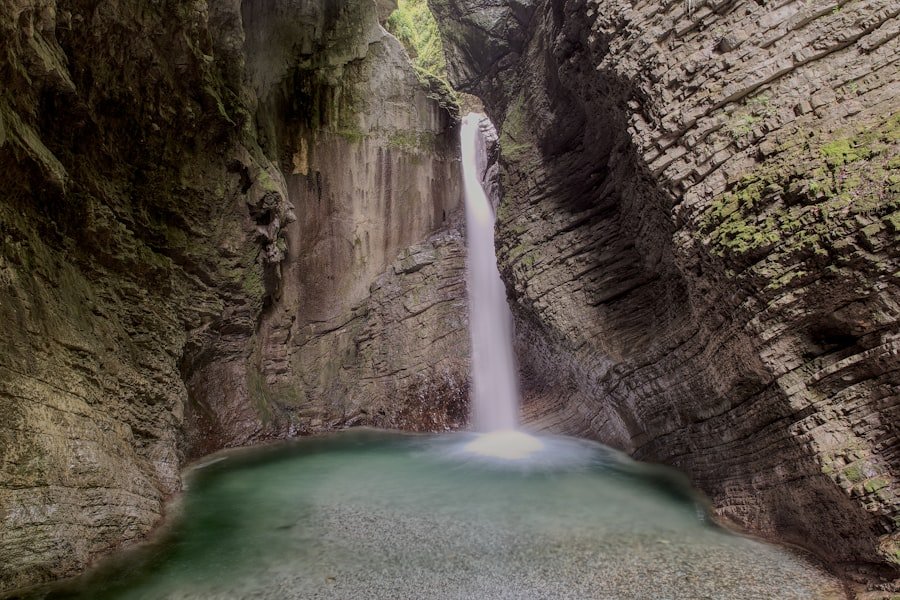
The village is home to the Museo di Val Verzasca and Casa della Lana, where the valley’s history and wool-working traditions are represented. A walking path also leads from Sonogno toward Cascata della Froda. The regional tourism office describes the waterfall as about a 25-minute walk from the village.
If cultural history matters to you, the Museo di Val Verzasca adds useful context about traditional livelihoods, transhumance, settlement and life in the valley.
Corippo
Corippo is another worthwhile stop for travelers interested in traditional Ticinese architecture. Its compact cluster of stone buildings sits above the reservoir and offers a different experience from the crowded riverbanks at Lavertezzo.
The village has also been revitalized through an albergo diffuso, or scattered-hotel concept, in which historic buildings are used as guest accommodation while preserving the character of the settlement.
Outdoor Activities in Verzasca Valley
| Activity | Good Area or Route | What to Know |
| Hiking | Sentiero Verzasca / Route 74 | Choose a section that matches your time and ability; bus stops make one-way walks practical. |
| Canyoning | Val Corippo and other guided canyon routes | Use an experienced professional guide and never enter a canyon when water or weather conditions are unsuitable. |
| Bouldering | Brione Verzasca | Brione is an internationally known bouldering area with hundreds of established problems. |
| Mountain Biking | Upper Verzasca routes between Brione and Sonogno | Check route classification, trail conditions and bicycle-transport rules before setting out. |
Hiking the Sentiero Verzasca
Hiking is one of the easiest ways to experience the valley beyond its roadside viewpoints. The officially mapped Sentiero Verzasca is SwitzerlandMobility Route 74. One notable stage runs from Sonogno toward Lavertezzo along the river through the upper and central valley.
You do not need to complete the entire route. Because PostBus stops are distributed along the main valley road, you can choose a shorter section and return by public transport. Check the current route description and conditions on SwitzerlandMobility.
Bouldering and Climbing
Brione Verzasca is one of the valley’s major climbing destinations. Regional tourism information describes the bouldering area as having more than 700 problems of varying difficulty. That makes Brione far more useful to mention than unsupported lists of supposed climbing providers.
Bring appropriate equipment and understand local access and climbing ethics. Beginners should climb with someone experienced or use professional instruction rather than treating outdoor bouldering like an indoor gym session.
Canyoning
Canyoning combines scrambling, swimming, rappelling and moving through waterfalls and narrow gorges. Val Corippo is one of the recognized canyoning areas in the Verzasca region.
Use an experienced professional guide unless you already have the technical training, equipment and local knowledge required for independent canyoning. Water levels can change rapidly, and even a familiar route can become dangerous after rain.
Warning: The Verzasca River is not a controlled swimming pool. Official regional guidance warns about very cold water, slippery rocks, strong currents, whirlpools, waterfalls and unexpected rises in water level after rain or dam operations. Observe warning signs, check weather conditions, supervise children closely and stay out of the water whenever conditions are uncertain.
Swimming and Relaxing by the River
The smooth rocks and clear pools around Lavertezzo attract swimmers and sunbathers in warm weather, but the visual clarity of the water can create a false sense of security. A calm surface does not tell you what the current is doing below it.
Choose only areas that appear suitable and permitted, follow local warnings, avoid entering during or after storms, and never jump from rocks or bridges without knowing the depth, current and underwater hazards. The official Safe Waters guidance should be treated as essential reading before swimming.
Where to Stay in Verzasca Valley
Accommodation in and around Verzasca Valley ranges from traditional stone-house stays and small guesthouses to holiday apartments, mountain huts and campsites. Staying inside the valley gives you quieter mornings and evenings and makes it easier to explore villages before day visitors arrive.
Sonogno, Corippo and other valley settlements offer smaller-scale accommodation, while Locarno and the Lake Maggiore area provide a much larger selection of hotels and services. The best choice depends on whether you value village atmosphere or convenience.
For travelers seeking an authentic experience, converted Ticinese stone houses can provide a close look at the valley’s architecture. Corippo’s scattered-hotel concept is one particularly distinctive example.
For those who prefer more modern amenities, hotels around Locarno and the Lake Maggiore area offer a broader range of full-service accommodation, including properties with pools and wellness facilities.
Camping is also available in the wider region and in designated areas. Do not assume that an attractive riverbank is legal or safe for overnight camping. Campervans, in particular, are subject to designated overnight-parking rules in the valley.
Local Cuisine and Dining Options
Food in Verzasca Valley reflects the wider culinary traditions of Ticino. Instead of looking for a single signature dish, seek out a traditional grotto, the rustic Ticinese tavern style associated with simple regional cooking and outdoor granite tables.
Official Ticino gastronomy guidance highlights dishes and products such as polenta, risotto, minestrone, local salami and mortadella, cheeses and roasted or braised meats. Polenta with meat, mushrooms or cheese is a particularly natural choice after a day of hiking.
Although merluzzo, or cod, can appear in Italian-speaking cuisine, it should not be presented as the defining must-try dish of Verzasca Valley. Travelers looking specifically for Ticinese specialties will get a better sense of the region from polenta, risotto, local cured meats, cheeses and seasonal grotto dishes.
In villages such as Lavertezzo and Sonogno, restaurants and grotti provide convenient places to eat during a day trip. Opening days and hours can be seasonal, so check before building an itinerary around one particular restaurant.
For dessert, try torta di pane, the traditional Ticinese bread cake made from stale bread enriched with ingredients that can include milk, cocoa, dried fruit, nuts and other flavorings. Ticino Tourism publishes an official torta di pane recipe.
Best Time to Visit Verzasca Valley
Summer is the busiest season because warm weather makes riverside visits, hiking and outdoor dining especially appealing. It is also when Lavertezzo and other famous stops can feel most crowded.
Late spring and early autumn can be excellent for walking, village sightseeing and photography with fewer peak-season visitors. Temperatures and mountain conditions vary with elevation, however, so do not choose a hike based only on weather in Locarno.
Winter creates a much quieter experience, but some visitor services and higher trails may be limited by seasonal closures or snow. Check individual attractions, trails and transport before traveling outside the main season.
Thunderstorms are common in Switzerland during the warmer part of the year and can be especially important around rivers and mountain terrain. Check the current MeteoSwiss forecast before hiking, canyoning or spending time beside the river.
Tips for Exploring Verzasca Valley
Check the weather before leaving Locarno and again before any longer hike. Conditions in mountain valleys can change quickly, and rain upstream can affect a river even when the exact spot where you are standing still looks calm.
Wear shoes with good traction. The polished rock beside the Verzasca can become extremely slippery when wet, while hiking paths may include stone steps, roots and uneven ground.
Carry drinking water, sun protection and an extra layer. If you plan a longer hike, take a small waterproof shell and confirm that your planned route remains open.
At popular locations such as Ponte dei Salti, arriving early in the morning or later in the afternoon can give you a more relaxed visit. During busy summer periods, using PostBus also removes the pressure of finding a parking space.
If you want to try canyoning, climbing or another technical activity, book an experienced local guide or instructor. Professional guidance helps manage risk but does not eliminate the need to respect weather and water conditions.
Pro Tip: A one-way riverside walk combined with PostBus is often more enjoyable than driving between every attraction. It lets you experience the landscape between the famous viewpoints instead of seeing only roadside stops.
A One-Day Verzasca Valley Itinerary
Morning: Start from Locarno and travel toward Lavertezzo. Visit Ponte dei Salti early, walk through the village and see Santa Maria degli Angeli. If conditions are good, continue along a short section of the riverside path rather than remaining only at the bridge.
Midday: Continue toward Brione Verzasca or another valley village for lunch at a restaurant or grotto. If you are hiking, choose a section of the Sentiero Verzasca that matches your fitness and available time.
Afternoon: Continue to Sonogno. Walk through the stone-built village centre, visit the Museo di Val Verzasca or Casa della Lana if open, and take the short walk toward Cascata della Froda.
Return: On the way back toward Locarno, stop at the Verzasca Dam if daylight and your transport schedule allow. Check the last practical bus connection before beginning any late-afternoon walk.
Conclusion and Final Thoughts
Verzasca Valley offers much more than the famous view of Ponte dei Salti. Its combination of Lavertezzo, Sonogno, Corippo, the Verzasca Dam, historic walking routes, mountain scenery and traditional Ticinese food can easily fill a full day and reward a longer stay.
The best trip balances the valley’s scenery with sensible planning. Use public transport when it simplifies your visit, leave enough time to explore beyond the busiest riverbank, and treat the Verzasca’s cold, fast-moving water with respect.
If you are self-catering during a longer stay, you may also want a simple meal you can prepare at your accommodation. This article on delicious homemade cottage cheese is a general homemade-food idea rather than a traditional Verzasca or Ticinese specialty.
A memorable Verzasca Valley visit is not only about reaching the emerald river. The villages, trails, local food and mountain culture are what turn a photo stop into a complete trip.
Frequently Asked Questions
What is Verzasca Valley?
Verzasca Valley is a mountain valley in the Italian-speaking Swiss canton of Ticino. It is known for the emerald Verzasca River, traditional stone villages, Ponte dei Salti, the Verzasca Dam and a network of hiking and outdoor-recreation routes.
What are the best attractions in Verzasca Valley?
Popular highlights include Ponte dei Salti and Lavertezzo, the Verzasca Dam and Lago di Vogorno, Sonogno, Cascata della Froda, Corippo and sections of the Sentiero Verzasca hiking route.
What activities can visitors do in Verzasca Valley?
Visitors can hike, explore villages, mountain bike, boulder around Brione Verzasca, join professionally guided canyoning trips and spend time beside the river. Swimming is possible in some areas when conditions are suitable, but the river can be hazardous and requires caution.
Is it safe to swim in the Verzasca River?
Do not assume that every pool is safe. The river can have very cold water, slippery rocks, strong currents, whirlpools and sudden water-level changes after rainfall or dam operations. Follow local warnings, avoid questionable conditions and supervise children closely.
When is the best time to visit Verzasca Valley?
Summer is popular for hiking and riverside visits, but it is also the busiest season. Late spring and early autumn can be excellent for walking and sightseeing with fewer crowds. Winter is quieter, although some trails and visitor services may have seasonal limitations.
How do I get to Verzasca Valley without a car?
Travel by train to Locarno and continue on PostBus 321 toward Sonogno. The bus serves several communities and useful hiking access points along the valley, making a car unnecessary for many day trips.
Which airport should I use for Verzasca Valley?
Lugano Airport is focused mainly on general and business aviation rather than serving as the normal scheduled-flight gateway. If you are arriving on a commercial flight, compare major airports with convenient rail or road connections to Locarno, then continue into Verzasca Valley.
Are there accommodations and restaurants in Verzasca Valley?
Yes. The valley has guesthouses, holiday apartments, historic stone-house accommodation, mountain huts, restaurants and grotti. Locarno and the Lake Maggiore area provide a wider range of full-service hotels if you prefer a larger base.
Sources
- Ascona-Locarno Tourism: Valle Verzasca — official overview of the valley, major attractions and outdoor activities.
- PostBus: Valle Verzasca — public-transport and high-season travel information.
- Ticino Tourism: Ponte dei Salti — bridge history and reconstruction information.
- Ascona-Locarno Tourism: Safe Waters — official river and water-safety guidance.
- SwitzerlandMobility: Sentiero Verzasca Route 74 — official hiking-route information.