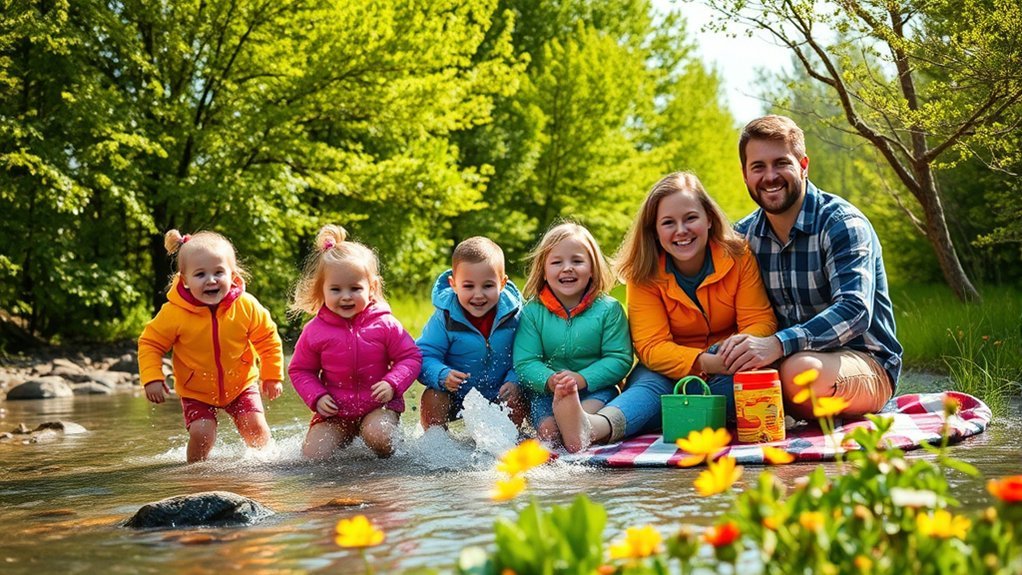
Fairbanks can be an excellent family destination when you match activities to your children’s ages, the season, and the weather. Families can combine wildlife viewing, easy nature walks, hands-on museums, Alaska history, fishing, paddling, dog mushing, and winter activities without spending every day on long drives. The key is choosing genuinely local attractions and keeping a flexible backup plan.
Quick Answer
Some of the best things to do in Fairbanks with kids include walking the trails at Creamer’s Field, meeting muskoxen and reindeer at UAF’s Large Animal Research Station, exploring the Museum of the North and Pioneer Park, paddling at Chena Lake, visiting the Fairbanks Children’s Museum, and trying seasonal activities such as dog mushing or ice fishing.
Key Takeaways
- Creamer’s Field is one of the easiest places to combine a family walk with bird and wildlife viewing.
- For close-up learning about Alaska animals, the UAF Large Animal Research Station is a true Fairbanks-area option.
- The Museum of the North, Morris Thompson Cultural and Visitors Center, Pioneer Park, and Fairbanks Children’s Museum give families strong indoor or low-weather-risk choices.
- Chena Lake and Tanana Lakes are more practical family paddling and fishing destinations than many informal river-access areas.
- Weather, trail conditions, operating hours, fishing regulations, and seasonal tours can change, so verify them shortly before each outing.
Exploring the Great Outdoors: Hiking Trails for Families
Fairbanks has family walks ranging from almost-flat refuge trails to steeper hikes in the hills east of town. The best trail depends on your children’s stamina and how much time you want to spend outside.
Creamer’s Field Migratory Waterfowl Refuge is a strong starting point for families with younger children. According to the Alaska Department of Fish and Game, the refuge has roughly three miles of nature trails crossing forest, wetlands, and open fields. Wildlife viewing changes with the seasons, and migratory birds are a major attraction.
Creamer’s Field combines an easy-to-customize trail network with some of the most accessible bird and wildlife viewing in Fairbanks.
Because the trails form a network rather than one required long route, families can turn around when younger children get tired. Check the refuge’s official visitor information before going because individual trail conditions or closures can change.
Families with older children who want more elevation can consider Angel Rocks Trail in Chena River State Recreation Area. Alaska State Parks lists Angel Rocks at about 3.5 miles round trip with an estimated hiking time of two to three hours. It is substantially steeper and more demanding than Creamer’s Field.
The nearby Angel Creek Hillside Trail is a much longer outing, reaching about 5.1 miles to the Lower Angel Creek Cabin and roughly 10 miles to the Upper Cabin. It should not be treated as a casual alternative for young children.
Pro Tip: For toddlers and early elementary-age children, choose a short Creamer’s Field walk and let wildlife sightings set the pace. Save Angel Rocks for children who already handle several miles of uneven, uphill hiking comfortably.
Carry water, snacks, insect repellent when needed, an extra layer, and a charged phone. Weather can shift quickly, and even a short walk is easier when children are warm, fed, and comfortable.
Discovering Local Wildlife: Best Spots for Animal Encounters
Fairbanks offers several ways to see and learn about Alaska wildlife without driving to attractions hundreds of miles away.
Creamer’s Field Migratory Waterfowl Refuge provides year-round opportunities for birding and wildlife viewing. Depending on season and luck, families may see migratory waterfowl, sandhill cranes, small mammals, and other wildlife around the refuge.
For a more structured animal experience, visit the Robert G. White Large Animal Research Station at the University of Alaska Fairbanks. The UAF Large Animal Research Station houses animals including muskoxen, reindeer, and wood bison and offers educational public tours during scheduled periods. Tour availability is seasonal, so check the current schedule before visiting.
Families can also explore natural areas around Fairbanks such as the Wedgewood Wildlife Sanctuary or Chena Lake Recreation Area. These are wildlife-viewing opportunities rather than zoos, so sightings are never guaranteed.
Warning: Never approach, feed, or encourage children to follow wild animals for a photo. Moose and bears can be dangerous even when they appear calm. Give wildlife plenty of room and follow posted instructions at refuges, parks, and research facilities.
Bring binoculars instead of trying to get physically closer. Children often enjoy wildlife viewing more when you turn it into a simple search for tracks, birds, insects, plants, and animal signs rather than expecting one dramatic encounter.
Cultural Experiences: Museums and Historical Sites
Fairbanks has several family-friendly places where children can learn about Alaska’s natural history, Indigenous cultures, gold-rush history, and life in the Interior.
Start with the University of Alaska Museum of the North. Its collections and galleries cover Alaska’s wildlife, art, cultures, geology, and history. The museum also offers family programming at selected times, making it a useful indoor option when the weather changes.
For a deeper introduction to the people and cultures of Interior Alaska, visit the Morris Thompson Cultural and Visitors Center in downtown Fairbanks. Exhibits use cultural objects, life-size displays, language, stories, and information about the relationship between Interior Alaska communities and the land. It is a much more geographically appropriate Fairbanks recommendation than the Alaska Native Heritage Center, which is located in Anchorage.
Pioneer Park combines recreation with local history. The 44-acre park contains historic buildings, museums, a playground, and seasonal attractions such as the carousel and narrow-gauge train. Because some individual attractions operate seasonally or charge separate fees, check current details before promising children a particular ride or activity.
The Fairbanks Community Museum provides another local-history option downtown, with exhibits related to mining, early Fairbanks, winter life, flooding, and dog mushing.
Note: Families do not need to choose between outdoor and cultural activities. A good Fairbanks day often pairs one outdoor stop with one museum or visitor center, giving children time to warm up, cool down, eat, and reset.
Fun on the Water: Kayaking and Fishing Adventures
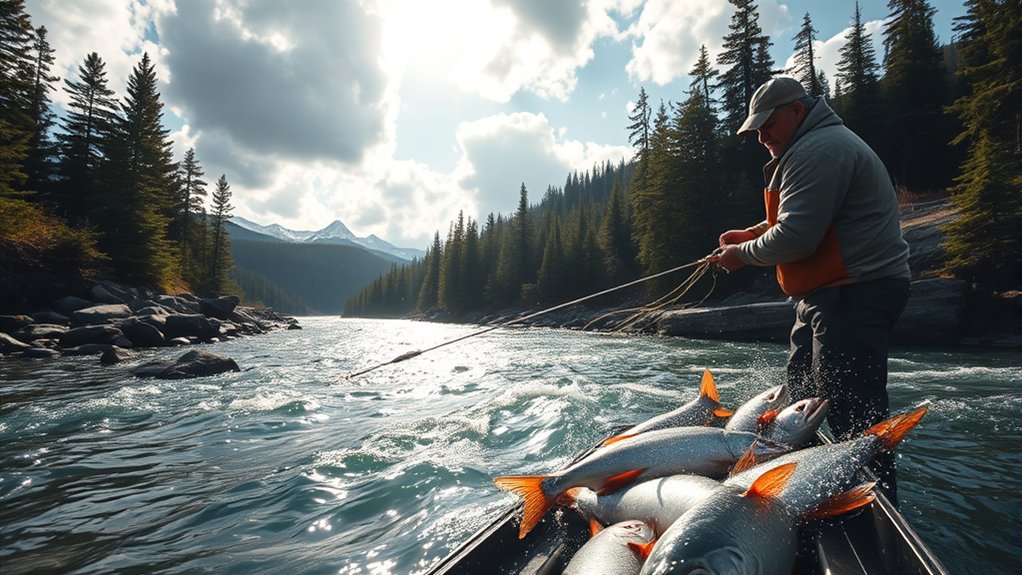
Fairbanks-area lakes and rivers create plenty of summer recreation opportunities, but families with young paddlers should choose water based on current, wind, temperature, access, and experience rather than scenery alone.
Kayaking Family Excursions
For many families, Chena Lake Recreation Area is easier to plan than an independent river trip. Fairbanks North Star Borough information identifies nonmotorized boating and seasonal rentals that can include kayaks, canoes, stand-up paddleboards, and other small craft. Always verify current rental operations before driving out.
Tanana Lakes Recreation Area, close to Fairbanks, is another option for nonmotorized boating, swimming, hiking, and fishing. Beginners should stay within their ability level and avoid launching when wind or other conditions make the water uncomfortable.
| Family Paddling Tip | Why It Matters |
|---|---|
| Choose calm conditions | Wind can quickly make a small lake harder for children to paddle. |
| Wear properly fitted PFDs | They must fit the wearer rather than simply be carried in the boat. |
| Start with a short outing | Young paddlers may tire faster than expected. |
| Carry dry layers | Alaska water can feel cold even on a pleasant summer day. |
Fishing Spots for Kids
If you want to introduce children to fishing, prioritize locations with straightforward shore or dock access rather than large rivers with stronger current.
- Chena Lake: Offers designated fishing opportunities and is stocked with several sport-fish species.
- Tanana Lakes Recreation Area: Combines fishing with beaches, trails, and other family recreation close to Fairbanks.
- Birch Lake: A long-established stocked-lake fishing destination southeast of Fairbanks and a possible choice for families willing to drive farther.
Before fishing, check the current Alaska Department of Fish and Game sport-fishing regulations. Seasons, methods, bag limits, and licensing requirements depend on location, species, age, and residency status.
Safety Tips for Adventures
Use a properly fitted U.S. Coast Guard-approved personal flotation device for every paddler. Alaska boating guidance requires children under 13 to wear an approved life jacket on an open boat or open deck in covered situations. Adults should model safe behavior by wearing theirs as well.
Check weather and wind before launching. Carry drinking water, food, dry layers, sun protection, and a basic first-aid kit. Tell someone where you are going if you plan a longer paddle, and keep young children within direct supervision around docks, beaches, and riverbanks.
Seasonal Activities: Winter Sports and Summer Fun
Fairbanks changes dramatically with the seasons, so a family trip in January looks very different from one in July.
Winter Sports Adventures
Winter families can choose from activities such as cross-country skiing, snowshoeing, ice fishing, sledding, dog mushing experiences, and downhill skiing or snowboarding where operations and conditions allow.
- Cross-country skiing: Trail systems around Fairbanks provide options for different ability levels.
- Snowshoeing: A simple way for families to explore snow-covered trails without needing advanced ski skills.
- Ice fishing: Stocked lakes can provide a distinctly Interior Alaska winter experience, but families should use established access and verify ice and fishing information first.
- Dog mushing: Fairbanks has a deep sled-dog tradition, with kennel experiences and seasonal rides available from local operators.
- Winter events: Community celebrations, races, and ice-related events can add variety to a cold-weather itinerary.
Winter temperatures in Interior Alaska can become extremely cold. Bring insulated boots, mittens, hats, face protection, and multiple warm layers. Outdoor sessions with small children should be adjusted to the actual conditions rather than a fixed sightseeing schedule.
Summer Outdoor Excursions
Summer brings long daylight hours and easier access to trails, lakes, parks, and outdoor attractions.
Walk at Creamer’s Field, paddle or picnic at Chena Lake, explore Pioneer Park, or spend a few hours at Tanana Lakes Recreation Area. Families interested in local produce, baked goods, and crafts can also stop at the Tanana Valley Farmers Market during its operating season.
Long summer daylight can be exciting for adults but confusing for young children who expect darkness at bedtime. If maintaining a normal sleep schedule matters, bring an eye mask or choose lodging with effective blackout curtains.
Planning Fairbanks Activities by Age
Not every “family-friendly” attraction works equally well for every child. A simple age-based approach can make planning easier.
- Toddlers and preschoolers: Favor short Creamer’s Field walks, playground time at Pioneer Park, the Fairbanks Children’s Museum, visitor-center exhibits, and brief wildlife stops.
- Elementary-age children: Add the Museum of the North, LARS tours, easy paddling, beginner fishing, short snowshoe outings, and dog-mushing experiences.
- Older children and teens: Consider Angel Rocks, longer bike rides, more independent paddling, skiing, snowboarding, and longer wildlife or photography outings.
For mixed-age families, build the day around the youngest traveler’s physical limits and give older children one activity where they can take on a little extra challenge.
A Simple Two-Day Family Plan
If you have limited time, group attractions geographically instead of driving back and forth across the area.
Day 1: Begin with Creamer’s Field while children are fresh, then visit the Museum of the North or LARS. Finish with an easy dinner and an early evening if younger children are adjusting to Alaska’s long summer daylight or winter conditions.
Day 2: Spend the morning at Pioneer Park or the Morris Thompson Cultural and Visitors Center. In summer, use the afternoon for Chena Lake, Tanana Lakes, fishing, or paddling. In winter, substitute dog mushing, skiing, snowshoeing, or another weather-appropriate activity.
Keep one indoor attraction available as a backup. Wildfire smoke, rain, cold, wind, tired children, or changing trail conditions can make an outdoor plan less appealing at short notice.
Practical Tips for Traveling With Kids in Fairbanks
- Pack layers: Bring clothing that can be added or removed as temperatures and activities change.
- Carry snacks and water: Distances between some attractions make it useful to have food available before children become hungry.
- Plan downtime: Avoid scheduling a major activity every hour of the day.
- Bring insect protection in warmer months: Mosquitoes can make an otherwise easy walk unpleasant for children.
- Prepare for daylight: Summer evenings remain very bright, so blackout curtains or sleep masks can help with bedtime routines.
- Check same-day conditions: Trail access, wildfire smoke, weather, tours, rentals, and winter conditions can change.
- Verify seasonal hours: Some museums, rides, tours, markets, and outdoor services operate different schedules by season.
- Use a rental car for maximum flexibility: Public transit serves parts of Fairbanks, but many recreation areas and attractions outside the urban core are easier to reach by car.
- Choose age-appropriate activities: A trail suitable for an active teenager may be frustrating or unsafe for a preschooler.
- Keep plans flexible: Children, weather, and Alaska travel conditions do not always follow an itinerary.
Fairbanks North Star Borough’s MACS Transit system serves several useful destinations, including Pioneer Park and the UAF area on certain routes. Check current schedules because service patterns can change.
Frequently Asked Questions
What are some family-friendly restaurants in Fairbanks?
The Cookie Jar is a casual option known for breakfast and comfort food, while Pike’s Landing combines a broad menu with a riverside setting. Silver Gulch Brewing and Bottling Co. in Fox, about 11 miles north of Fairbanks, also identifies itself as family-friendly and serves a full restaurant menu in addition to its brewery offerings. Restaurant hours can change, so confirm them before driving over.
Are there kid-friendly events or festivals in Fairbanks in 2026?
Yes. One verified example is the 29th Annual Tanana Valley Sandhill Crane Festival at Creamer’s Field, scheduled for August 17 through 23, 2026, with wildlife viewing, workshops, children’s activities, music, and other programming. Event dates change each year, so check the current Explore Fairbanks events calendar when planning your trip.
Where can we find childcare services or babysitters in Fairbanks?
Families can search established childcare platforms, ask their hotel for local recommendations, or look for licensed local providers. Before hiring anyone, verify identity, references, experience, rates, availability, and the setting where care will take place rather than relying only on a social-media recommendation.
What are the best indoor activities for kids in Fairbanks?
Good indoor choices include the University of Alaska Museum of the North, Fairbanks Children’s Museum, Morris Thompson Cultural and Visitors Center, and Fairbanks Community Museum. They are useful backups when rain, cold, smoke, or tired children make an outdoor day less appealing.
How do we get around Fairbanks with young children?
A rental car is usually the most flexible choice for families because recreation areas and some attractions lie outside the compact downtown area. MACS Transit serves several useful urban destinations, including Pioneer Park and the UAF area, but check the current route schedule before depending on it for a full sightseeing day.
Is Fairbanks better with kids in summer or winter?
Summer is generally easier for hiking, wildlife viewing, playgrounds, paddling, fishing, and long sightseeing days. Winter offers dog mushing, snow activities, ice fishing, and a classic Interior Alaska experience, but families need much stronger cold-weather preparation. The better season depends on your children’s ages and tolerance for cold.
How many days should a family spend in Fairbanks?
Two to three full days give most families enough time to combine a museum or cultural attraction, wildlife viewing, an easy outdoor activity, and one seasonal experience without rushing. Add more time if you plan longer hikes, winter excursions, or day trips outside Fairbanks.
Conclusion
Fairbanks gives families an unusual mix of accessible wilderness, Alaska wildlife, museums, local history, Indigenous culture, and seasonal adventure. Start with age-appropriate choices such as Creamer’s Field, the Museum of the North, Pioneer Park, LARS, or Chena Lake, then add more challenging activities as your children’s interests and abilities allow. Keep one indoor backup plan, verify conditions before leaving, and avoid packing so much into the schedule that children cannot enjoy the experience.
Sources
- Alaska Department of Fish and Game: Creamer’s Field — refuge trails and wildlife viewing.
- Alaska State Parks: Chena River State Recreation Area — Angel Rocks and Angel Creek trail distances and hiking information.
- University of Alaska Museum of the North — museum exhibits, visitor information, and family programming.
- University of Alaska Fairbanks Large Animal Research Station — current animal and public-tour information.
- Fairbanks North Star Borough MACS Transit — current Fairbanks bus routes and schedules.
- U.S. Coast Guard Boating Safety — child life-jacket requirements and boating safety guidance.