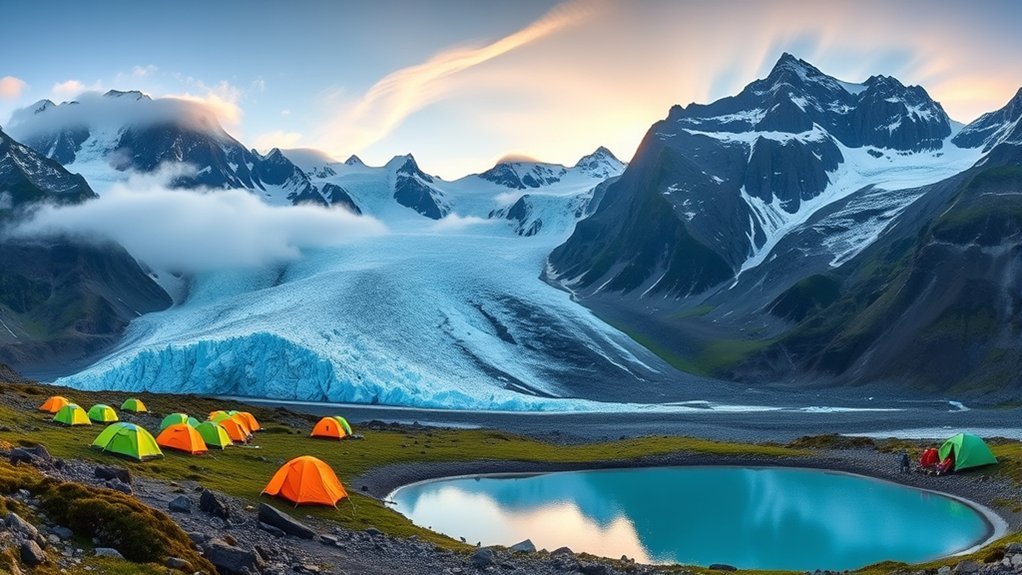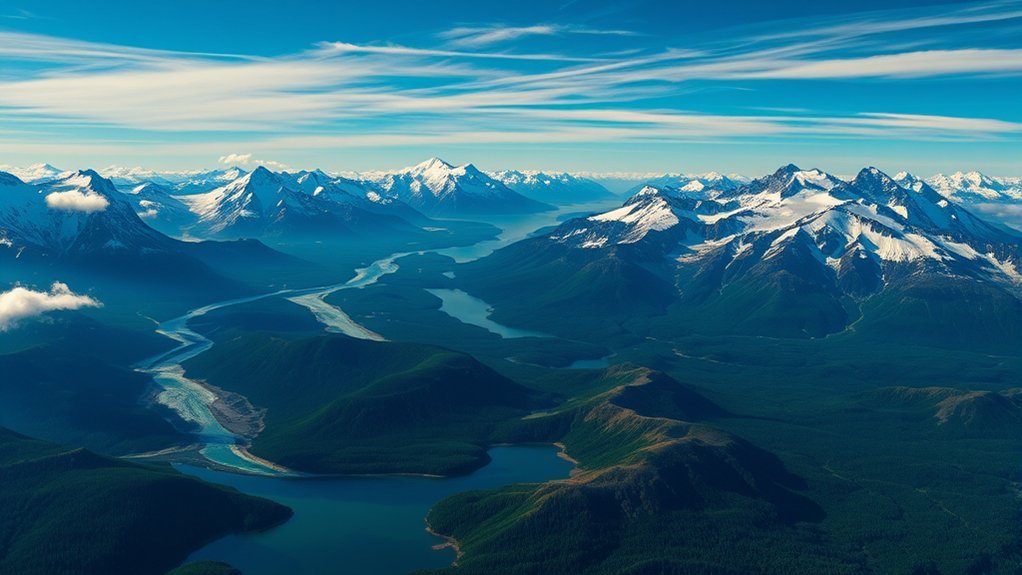
Alaska flightseeing can put enormous icefields, coastal fjords, volcanic terrain, and some of North America’s highest mountains beneath your window in a single trip. The best route depends on where you are staying and what you most want to see. Denali National Park, Glacier Bay, Kenai Fjords, Wrangell-St. Elias, the Chugach Mountains, and Katmai all offer very different aerial experiences, while weather, aircraft type, glacier landings, and price can make one option a much better fit than another.
Quick Answer
The best scenic flights in Alaska include Denali from Talkeetna, Glacier Bay from Southeast Alaska, Kenai Fjords from Seward, Chugach and Knik Glacier routes from Anchorage, Wrangell-St. Elias flights, and fly-in trips to Katmai. Choose by departure point, weather flexibility, glacier-landing interest, budget, and the landscape you most want to see.
Key Takeaways
- Denali is the classic mountain flight: Talkeetna departures quickly reach the glaciers and peaks of the Alaska Range.
- Glacier Bay and Kenai Fjords emphasize ice and coastline: expect fjords, glacier-carved valleys, ocean, and rugged mountains rather than one dominant summit.
- Anchorage is the easiest major-city base: short flights can reach the Chugach Mountains and Knik Glacier, while longer trips travel much farther.
- Weather controls the experience: routes, glacier landings, departure times, and even whether a flight operates can change with conditions.
- Wildlife is a bonus, not a guarantee: an aircraft can cover excellent wildlife habitat, but altitude, speed, visibility, and chance affect what you actually see.
Best Scenic Flights in Alaska at a Glance
| Flightseeing Area | Common Starting Point | Best For | What Makes It Different |
|---|---|---|---|
| Denali National Park | Talkeetna, Denali area, Anchorage | Huge mountain scenery | Mount McKinley, Alaska Range, major glaciers, optional glacier landings |
| Glacier Bay | Haines, Gustavus, Juneau, Yakutat and nearby airports | Glaciers and coastal wilderness | Mountain-to-ocean scenery, fjords, ice and wild shoreline |
| Kenai Fjords | Seward | Icefield and fjord scenery | Harding Icefield, outlet glaciers and Gulf of Alaska coastline |
| Chugach / Knik Glacier | Anchorage and Mat-Su area | Convenient glacier flight | Big glacier scenery without traveling far from Anchorage |
| Wrangell-St. Elias | Regional gateways and bush-airstrips | Scale and remoteness | Enormous glacier systems, volcanoes and some of Alaska’s biggest mountains |
| Katmai | Anchorage, Homer, King Salmon and other regional bases | Remote wilderness and volcanic terrain | Fly-in access, lakes, volcanoes and the Valley of Ten Thousand Smokes region |
The Magic of Denali National Park
A scenic flight over Denali National Park and Preserve is one of Alaska’s signature aviation experiences. Flights can cross foothills, glaciers and the steep faces of the Alaska Range, putting terrain that is difficult to comprehend from the ground directly beneath the aircraft.
The park surrounds Mount McKinley, North America’s highest peak at 20,310 feet. Federal geographic usage returned to the name Mount McKinley in 2025, while the surrounding national park continues to be named Denali National Park and Preserve.
Talkeetna is a particularly popular departure point because it lies close to the southern Alaska Range. Depending on the operator and weather, routes may include features such as the Ruth Glacier, Great Gorge, Kahiltna Glacier, Mount Foraker, Mount Hunter and different faces of Mount McKinley.
Some operators also offer ski-equipped glacier landings. The National Park Service currently lists Fly Denali, Sheldon Air Service, K2 Aviation and Talkeetna Air Taxi among concessionaires permitted to land on glaciers within Denali National Park.
Pro Tip: If Denali is the main reason for your flight, schedule it early in your stay. Mountain weather can cancel or alter a route, and an extra day gives you another chance to fly.
Glacier Bay National Park: A Frozen Wonderland
Glacier Bay National Park and Preserve looks dramatically different from the air than it does from a cruise ship or shoreline. Aircraft can reveal the relationship between high mountains, winding glaciers, deep water and remote coastline across a landscape with very limited road access.
The National Park Service says Glacier Bay flightseeing operators depart from regional airports including Gustavus, Yakutat, Juneau and Haines. Exact routes depend on the operator, aircraft, weather and whether the trip includes a permitted landing.
Stunning Glacial Landscapes
From above, Glacier Bay becomes a broad lesson in glacial geology. Long ribbons of ice descend through mountain valleys toward fjords and coastal lowlands, while forest, rock, sediment and water mark areas shaped by past and present ice.
Rather than expecting a particular iceberg or calving event, focus on the scale of the landscape. Conditions change constantly, and what you see can differ considerably from one flight to another.
Wildlife Sightings From Above
Glacier Bay supports humpback whales, harbor seals, sea otters, bears, mountain goats, bald eagles and many seabirds. A scenic flight can pass over habitat used by these species, but wildlife sightings from an aircraft are never guaranteed.
Aircraft speed, viewing angle, altitude, glare and weather all affect what passengers can identify. If wildlife observation is your highest priority, consider combining flightseeing with a boat-based wildlife tour rather than relying on the flight alone.
Flight Operators Serving Glacier Bay
The National Park Service maintains a current list of businesses authorized to provide commercial services inside Glacier Bay National Park and Preserve. Its listing is for visitor information and is not an NPS endorsement or ranking.
| NPS-Listed Air Provider | What to Confirm Before Booking |
|---|---|
| Mountain Flying Service | Current Glacier Bay sightseeing route, departure city, landing options and weather policy |
| Ward Air | Whether sightseeing is offered for your date rather than air-taxi service only |
| Ursus Air / Yakutat Air | Available Glacier Bay routes and departure logistics |
| Wright Air Service | Current charter or visitor-flight availability in the Glacier Bay area |
See the current Glacier Bay Area Visitor Services Listing before paying for a trip because permitted providers and available services can change.
The Stunning Kenai Fjords
Kenai Fjords National Park is dominated by the Harding Icefield and the glaciers flowing from it. From an aircraft, the connection between the high icefield, deeply carved fjords and Gulf of Alaska becomes much easier to understand.
Highlights can include:
- Glacier Views: Look for major outlet glaciers such as Aialik Glacier and other rivers of ice descending from the Harding Icefield.
- Coastal Habitat: Flights may pass above waters and shoreline used by sea otters, seals, seabirds and other wildlife, although sightings are never assured.
- Fjords and Beaches: The aerial perspective reveals secluded coves, rocky headlands and glacier-carved valleys that are difficult to see together from ground level.
Seward is the logical base for many Kenai Fjords scenic flights. A fixed-wing aircraft can cover a wide area efficiently, while a helicopter itinerary may emphasize more localized glacier terrain or landing experiences.
Exploring Wrangell-St. Elias National Park
Wrangell-St. Elias National Park and Preserve is where flightseeing becomes as much about scale as scenery. At roughly 13.2 million acres, it is the largest unit in the National Park System.
The park contains an extraordinary concentration of high mountains, glaciers and volcanic landscapes. According to the National Park Service, its geologic features include the massive Malaspina Glacier, Nabesna Glacier, Bagley Icefield and the Wrangell Volcanic Field.
Wrangell-St. Elias covers about 13.2 million acres, making an aircraft one of the clearest ways to appreciate just how large and glacier-filled the park really is.
Unlike a short urban sightseeing loop, flights here may involve remote bush-air operations and changing itineraries. Ask exactly what mountains, glaciers or historic areas the planned route normally covers and whether the flight is sightseeing-only or also serving as transportation.
Breathtaking Views Over the Inside Passage
The Inside Passage is not one single sightseeing circuit. It is a long Southeast Alaska region of islands, channels, forests, mountains, glaciers and coastal communities. Scenic flights are normally organized around a specific gateway such as Juneau, Haines, Skagway, Ketchikan or another local base rather than attempting to fly the entire passage.
Depending on your departure point, aerial highlights may include:
- Coast and Island Geography: See narrow waterways weaving between forested islands and steep mountains.
- Glacial Terrain: Routes near glacier systems can show icefields, outlet glaciers and broad valleys cut by past glaciation.
- Coastal Communities: An aerial approach can reveal how Southeast Alaska towns fit between mountains, ocean and limited buildable land.
Wildlife such as whales, sea otters and eagles lives throughout parts of Southeast Alaska, but treat a sighting from the aircraft as a bonus rather than a guaranteed part of the tour.
The Majestic Aleutian Islands
The Aleutian Islands form a remote chain extending more than 1,000 miles westward from the Alaska Peninsula. Volcanoes, treeless slopes, cliffs, ocean and fast-changing weather make the region visually unlike Alaska’s better-known interior flightseeing destinations.
However, the Aleutians require different expectations. This is not primarily a mainstream scenic-flight market like Talkeetna or Anchorage. Scheduled service becomes limited toward the western islands, and the National Park Service notes that charter aircraft are commonly used to reach more remote locations.
If you want an Aleutian aerial experience, begin by choosing a specific island or community rather than searching for a generic “Aleutian scenic tour.” Unalaska/Dutch Harbor and Adak involve very different logistics, and access farther west can become considerably more complicated.
Warning: Remote Alaska aviation is highly weather-dependent. Do not build a tightly timed connection around a charter or scenic flight in an area where fog, wind, low clouds or other conditions can delay operations.
Discovering the Spectacular Chugach Mountains
The Chugach Mountains are one of the most convenient ways to add serious mountain and glacier scenery to an Anchorage itinerary. Tours can reach alpine valleys, glaciers and ice-carved terrain without requiring the longer positioning flight needed to reach Denali from Anchorage.
Common highlights include:
- Glacier Terrain: Knik Glacier and surrounding ice-filled valleys are popular objectives on Anchorage-area flightseeing routes.
- Mountain Scenery: Ridges, snowfields, river valleys and steep peaks begin close to Alaska’s largest city.
- Possible Wildlife: Depending on route and season, passengers may occasionally see animals such as Dall sheep, mountain goats, moose or bears, but viewing is opportunistic.
For travelers with limited time, this can be more practical than spending most of a flight simply traveling toward a distant national park.
Aerial Wonders of Katmai National Park
Katmai National Park and Preserve is so remote that aircraft are central to many visits rather than merely an optional sightseeing activity. Commercial air taxis serve destinations such as Brooks Camp and other remote sections of the park from Anchorage, Homer, King Salmon, Kodiak and additional regional bases.
The aerial landscape includes lakes, rivers, mountains, coastal habitat and volcanic terrain. One of Katmai’s defining geologic features is the Valley of Ten Thousand Smokes, created by the enormous 1912 Novarupta eruption. Nearby Mount Katmai also contains a large caldera formed during that eruption.
Katmai is also famous for brown bears, but a fly-in bear-viewing trip and a pure scenic flight are not necessarily the same product. Bear trips may combine several hours of flying with ground transportation, walking or guided wildlife viewing.
Note: The National Park Service advises visitors flying into Katmai to build extra flexibility around their trip because weather delays are a normal possibility in this rugged, remote environment.
Scenic Flights From Anchorage: A Gateway to Adventure
Anchorage is one of Alaska’s easiest flightseeing bases because you can choose between a short local scenic flight and a much longer trip into remote country. Flightseeing operates from Anchorage year-round, although individual routes remain weather- and season-dependent.
Stunning Glaciers and Mountains
Anchorage departures can quickly reach the Chugach Mountains, Knik Glacier and surrounding valleys. Longer itineraries may continue toward Prince William Sound or Denali National Park.
Three broad choices are:
- Short Anchorage / Chugach Flight: Best when your schedule or budget is limited.
- Knik Glacier Route: A strong middle ground for travelers who primarily want glacier and mountain scenery.
- Long-Range Flight: Denali, Prince William Sound or remote fly-in trips provide more dramatic scale but cost more and require more time.
Wildlife Spotting Opportunities
Wildlife can occasionally be visible from Anchorage-area scenic flights, especially when routes cross open valleys, mountain slopes or coastal habitat. What you see depends heavily on the route and conditions.
| Possible Wildlife | Where It May Be Seen | Expectation |
|---|---|---|
| Dall sheep / mountain goats | Mountain slopes | Possible but difficult to spot at altitude |
| Moose | Lowland valleys and wetlands | Occasional |
| Bears | Remote valleys and coastal areas | Unpredictable |
| Marine mammals | Coastal routes and Prince William Sound | Route- and season-dependent |
Unique Flight Tour Options
Anchorage gives you more than one style of flightseeing:
- Glacier Tours: Focus on icefields, crevasses and glacier-carved valleys.
- Mountain and Volcano Routes: Longer custom flights may reach more distant Alaska Range or volcanic landscapes.
- Fly-In Wilderness Trips: Aircraft can be both transportation and sightseeing on trips to remote lodges, bear-viewing areas or national parks.
Current prices demonstrate how wide the market has become. For example, Rust’s lists a short Anchorage sightseeing flight from about $195, while its longer routes cost considerably more. A Denali flight from Talkeetna can run from roughly the high-$200s or low-$300s to more than $600 depending on the route and glacier landing. Full-day remote experiences such as Katmai bear-viewing flights can exceed $1,300 per person. Always check the operator’s current price, taxes, landing fees and cancellation terms before booking.
Fixed-Wing Plane vs. Helicopter Flightseeing
Both aircraft types can provide excellent views, but they tend to suit different priorities.
| Factor | Fixed-Wing | Helicopter |
|---|---|---|
| Best for | Covering large distances efficiently | Localized mountain, glacier and landing experiences |
| Typical perspective | Broad landscape views | Closer-feeling terrain views and flexible positioning |
| Range | Often better for long routes | Often used for shorter destination-focused tours |
| Price | Varies widely; shorter sightseeing flights can be relatively economical | Often higher per minute of flight time |
Do not choose solely by aircraft type. Route quality, weather, passenger seating, window visibility, pilot experience and the amount of actual sightseeing time usually matter more.
Glacier Landings: What to Expect
A glacier landing changes the experience from simply looking at the Alaska Range to briefly standing within it. Ski-equipped fixed-wing aircraft are widely used for glacier landings around Denali, while helicopter operators offer landings in several other glacier regions.
Landing availability depends on snow, ice, weather and pilot judgment. A glacier landing may therefore be canceled even when the sightseeing portion of the flight can still operate.
Wear long pants and closed-toe shoes and bring layers. Major Denali operators recommend sunglasses and weather-appropriate outerwear, and some supply over-boots for snow landings.
If the landing matters more to you than the aerial route, ask how the company handles a flight when sightseeing is possible but the glacier landing is not.
Planning Your Flightseeing Experience in Alaska
A successful Alaska flightseeing trip depends as much on flexibility as it does on choosing the right destination. Mountain and coastal weather can change quickly, so a flight advertised for a particular route may be modified or canceled when conditions make another option safer.
| Aspect | Recommendation | Why It Matters |
|---|---|---|
| Season | Late spring through early fall offers the broadest visitor selection; some operators fly year-round | Routes and glacier landings have different seasonal windows |
| Flight Duration | About 30 minutes to 3 hours for many sightseeing products; remote day trips can be much longer | Longer does not automatically mean better if much of the flight is positioning time |
| Budget | Expect anything from roughly $200 for a short flight to $600+ for premium routes; remote day trips may exceed $1,000 | Aircraft, route, landing, taxes and trip length all affect price |
| Weather Buffer | Schedule the flight early in your stay when possible | You may be able to rebook if weather cancels the first attempt |
| Popular Choices | Denali, Glacier Bay, Kenai Fjords, Knik/Chugach, Wrangell-St. Elias and Katmai | Each emphasizes a different combination of mountains, glaciers, coast or volcanic terrain |
Check the Weather and Cancellation Policy
Do not wait until the day looks perfectly clear before trying to book a popular flight. Good departure windows can sell out, and conditions in Anchorage or Talkeetna may not match conditions around the mountains.
Instead, reserve the route you want and understand the company’s policy for weather cancellations, refunds, route changes and rescheduling.
Warning: Never pressure a pilot or operator to complete a planned route when weather has deteriorated. In Alaska, a changed route or canceled flight can simply be the safest decision.
Ask About Aircraft and Seating
Before paying, ask:
- What aircraft is normally used?
- Does every passenger have a window or clear viewing position?
- How much of the advertised time is actual scenic flying?
- Can the route change because of weather?
- Is a glacier landing included or optional?
- Are taxes, park fees or transportation fees additional?
- Are there passenger weight or baggage limits?
- What mobility is required to enter and exit the aircraft?
Prepare for Motion Sickness
Small-aircraft movement feels different from a commercial airliner, especially around mountains and changing air currents. If you are prone to motion sickness, use the same precautions you normally rely on when traveling by boat, car or aircraft and discuss medication questions with your own healthcare professional or pharmacist.
Eating a light meal, staying hydrated and looking toward the horizon rather than repeatedly down at a phone or camera can also make the flight more comfortable for some passengers.
Bring the Right Clothing and Camera Gear
Dress in layers even during summer. Major Denali operators recommend long pants, closed-toe shoes, sunglasses and a jacket, with warmer clothing required outside the main summer season.
Cameras and phones are normally welcome. Bring:
- A fully charged phone or camera
- Extra battery power if needed
- Enough memory-card or phone storage
- Sunglasses for snow and glacier glare
- A secure camera strap
Cabin space in small aircraft can be limited. Talkeetna Air Taxi, for example, advises passengers against bringing unnecessary backpacks and purses aboard its sightseeing flights.
Understand High-Altitude Flight Restrictions
A standard glacier-viewing flight and a high-altitude summit flight are not the same experience. Some specialized routes climb high enough to require supplemental oxygen in an unpressurized aircraft.
These flights can have stricter health and age requirements. Always disclose relevant concerns to the operator and read the specific tour restrictions rather than assuming every Denali flight has the same rules.
Frequently Asked Questions
What is the best time of year for flightseeing in Alaska?
Late spring through early fall offers the widest selection of visitor-oriented Alaska flightseeing tours and long daylight hours, but there is no single guaranteed “clear-sky season.” Some Denali and Anchorage operators fly year-round. Choose the route you want, then check that operator’s seasonal schedule and build flexibility around weather.
How long do scenic flights typically last?
Many dedicated sightseeing flights last about 30 minutes to three hours. Short Anchorage flights can stay relatively close to the city, while Denali, Glacier Bay and other large-landscape routes commonly need more time. Fly-in day trips to destinations such as Katmai can occupy most of a day because transportation and ground activities are included.
Are there age restrictions for flightseeing tours?
There is no universal Alaska flightseeing age minimum. Some operators accept infants and young children, while specialized high-altitude flights may require passengers to be teenagers or older. Ask about child seating, FAA-approved car seats, minimum ages, passenger weights and any tour-specific health requirements before booking.
What should I wear during a scenic flight?
Wear comfortable layers, long pants and closed-toe shoes. Bring sunglasses because glare from snow and ice can be intense. A light or medium jacket works for many summer flights, while colder-season trips require heavier outerwear, gloves, a hat and warmer footwear. Follow the operator’s instructions if your tour includes a glacier landing.
Can I bring my camera on the flight?
Yes. Major flightseeing operators actively encourage cameras. Charge your battery, bring enough storage and secure your camera when entering or leaving the aircraft. Because cabins can be small, leave bulky camera bags or unnecessary luggage behind unless the operator confirms there is room.
What happens if bad weather cancels my Alaska scenic flight?
Policies vary. Operators may reschedule, offer another route, provide a refund for a weather cancellation or handle the situation in another way described in their booking terms. Schedule an important flight early in your stay and read the weather-cancellation and refund policy before paying.
Is a glacier landing worth adding to a flightseeing tour?
A glacier landing is worthwhile if you want time outside the aircraft and the experience of standing in an alpine ice-and-snow environment. It costs more and remains dependent on weather and surface conditions. If panoramic aerial views are your priority, a longer flight without a landing may provide more sightseeing time for the same budget.
Sources
- National Park Service — Denali Flightseeing — Denali flightseeing routes, departure areas and permitted glacier-landing operators.
- National Park Service — Glacier Bay Flightseeing — Glacier Bay flightseeing access and regional departure airports.
- National Park Service — Glacier Bay Area Visitor Services — current authorized commercial air-service providers.
- National Park Service — Katmai Directions and Transportation — authorized air taxis, weather flexibility and remote-flight planning.
- National Park Service — Wrangell-St. Elias Geodiversity Atlas — park size, glaciers, mountains and volcanic features.
- Federal Aviation Administration — Alaska Aviation Safety Resources — aviation weather and Alaska flying-safety information.