Fort Smith, Arkansas, blends frontier history, Native American history, museums, public art, local food, live entertainment, and easy access to outdoor recreation. You can spend a day around the downtown historic district, add major museums and galleries, or turn the trip into a longer stay with Lake Fort Smith State Park and other family-friendly stops.
Quick Answer
Fort Smith is best for travelers who enjoy frontier history, museums, public art, local food, and outdoor recreation. Start with Fort Smith National Historic Site, the U.S. Marshals Museum, and Miss Laura’s Museum, then add downtown murals, Fort Smith Regional Art Museum, and a half-day at Lake Fort Smith State Park.
Key Takeaways
- Downtown Fort Smith is the easiest place to combine history, murals, museums, coffee, dining, and evening entertainment.
- The U.S. Marshals Museum is at 789 Riverfront Drive, and Miss Laura’s Museum is at 2 N. B Street; older addresses still circulating online can be wrong.
- Lake Fort Smith State Park is in Mountainburg, north of the city, so plan it as a separate half-day or day trip.
- Spring and fall are generally the easiest seasons for outdoor sightseeing; July and August have average highs around the mid-90s Fahrenheit.
- Event calendars and restaurant lineups change. For example, longtime Taliano’s Italian Restaurant closed in 2025, so current listings matter.
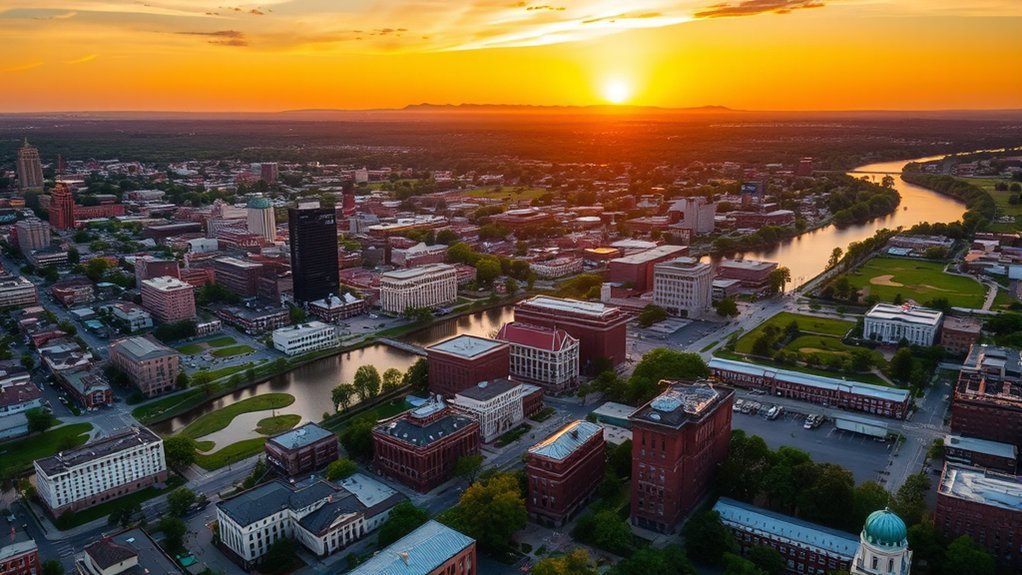
Overview of Fort Smith, Arkansas

Fort Smith sits on the Arkansas-Oklahoma border and has long been promoted as a gateway to the American West. The strongest place to understand that history is the Fort Smith National Historic Site, which preserves stories spanning the first fort established in 1817 through the federal court era that ended in 1896. Its interpretation includes the military forts, the federal court, the border with Indian Territory, and the forced removals remembered through the Trail of Tears.
The city’s frontier image also connects with True Grit. Fort Smith and Judge Isaac C. Parker’s court helped inspire the setting associated with Charles Portis’s novel, but the National Historic Site is much broader than a True Grit attraction. Nearby, the U.S. Marshals Museum explores the wider history and legacy of the U.S. Marshals Service.
Fort Smith is not only about Old West history. Downtown buildings carry large-scale public art from The Unexpected Project, while the Fort Smith Regional Art Museum adds changing exhibitions. If you want nature, Lake Fort Smith State Park offers hiking, mountain biking, fishing, kayaking, camping, and access to the western terminus of the Ozark Highlands Trail.
Must-Visit Attractions

Fort Smith’s best attractions cover several different parts of the city’s identity. History lovers can focus on the riverfront and downtown historic district, art fans can follow the mural trail and visit RAM, and families can add hands-on nature or trolley experiences.
| Attraction | Why Visit | Planning Note |
|---|---|---|
| Fort Smith National Historic Site | Explore the two-fort story, federal court era, jail, gallows, and Trail of Tears history. | 301 Parker Ave; allow at least an hour if you want the exhibits as well as the grounds. |
| Miss Laura’s Museum | Tour a restored 1898 Victorian former brothel and learn about the city’s former red-light district. | 2 N. B St; guided tours are offered during museum hours. |
| U.S. Marshals Museum | See immersive exhibits about the history, duties, people, and evolving role of the U.S. Marshals Service. | 789 Riverfront Dr; this corrects older address information. |
| The Unexpected Project | Walk through downtown to see more than 30 public-art pieces created by local and international artists. | Spread across downtown; pair it with Garrison Avenue and nearby museums. |
| Fort Smith Regional Art Museum | See contemporary, regional, and national exhibitions in a dedicated art museum. | 1601 Rogers Ave; general admission is currently free. |
| Lake Fort Smith State Park | Hike, mountain bike, fish, kayak, camp, and enjoy Ozark scenery. | 15458 Shepherd Springs Rd, Mountainburg; it is outside Fort Smith proper. |
| Fort Smith Trolley Museum | Explore historic rail equipment and take a vintage trolley ride when rides are operating. | 100 S. 4th St; seasonal operating hours apply. |
| Janet Huckabee Arkansas River Valley Nature Center | Add wildlife exhibits, an aquarium, trails, and outdoor learning to a family itinerary. | 8300 Wells Lake Rd; the center is operated by the Arkansas Game and Fish Commission. |
These stops give you a more complete view of Fort Smith than a single “Wild West” theme. They connect frontier and federal history with Native American history, contemporary art, local culture, and the surrounding landscape.
Exciting Itineraries

A good Fort Smith itinerary works best when you group nearby downtown attractions together and treat Lake Fort Smith State Park as a separate outing. These options keep the spirit of the original one-day, two-day, and longer plans while making the travel time more realistic.
One-Day Downtown Highlights
- Morning: Start at Fort Smith Coffee Co., then tour Miss Laura’s Museum.
- Late morning and early afternoon: Walk to Fort Smith National Historic Site and spend time with the exhibits, courthouse history, and river overlook.
- Afternoon: Visit the U.S. Marshals Museum, then use remaining daylight for downtown murals from The Unexpected Project.
- Evening: Have dinner downtown and check the current lineup at The Majestic if you want live music.
Two-Day History and Outdoors Plan
- Day One: Follow the downtown plan above, adding the Fort Smith Regional Art Museum if time allows.
- Day Two: Head to Lake Fort Smith State Park for hiking, fishing, kayaking, or mountain biking. Return to Fort Smith for dinner or a museum you missed on day one.
Five-Day Exploration
- Day One: Fort Smith National Historic Site, Miss Laura’s Museum, and downtown murals.
- Day Two: U.S. Marshals Museum, Fort Smith Museum of History, and Fort Smith Trolley Museum.
- Day Three: Fort Smith Regional Art Museum, Belle Grove Historic District, and the Clayton House.
- Day Four: Lake Fort Smith State Park for outdoor recreation.
- Day Five: Janet Huckabee Arkansas River Valley Nature Center, shopping or dining on Garrison Avenue, and an evening performance or live-music event.
Pro Tip: Several museums have limited weekly schedules, so use the linked official pages when choosing which day to assign each indoor attraction. Build outdoor and mural time around those fixed museum hours.
Local Dining Experiences
Fort Smith’s dining scene ranges from longtime comfort-food spots to Cajun seafood, steakhouses, coffee shops, and international restaurants. Fort Smith Coffee Co. remains a good morning stop and is known for locally roasted coffee and house-made syrups. Older menu references sometimes mention a “True Grit” drink, but drink names can change, so it is better treated as a menu-specific example than a guaranteed current item.
Taliano’s Italian Restaurant should no longer be listed as a place to eat. The longtime restaurant closed on May 31, 2025. The historic Sparks Mansion that housed it is now used by Magnolia Social House, an event venue rather than a replacement restaurant. If you want a current meal, choose an active listing instead.
Calico County is still known for homestyle food and warm cinnamon rolls served at the table. Doe’s Eat Place remains a downtown steakhouse choice, while AJ’s Oyster House serves Cajun-leaning seafood favorites. Fort Smith’s broader dining mix also includes Mexican, Latin American, Asian, barbecue, Southern, and other cuisines, so you do not need to build every meal around the historic district.
Exploring Art and History
Fort Smith’s strongest cultural experiences come from seeing its different stories together. The federal court and frontier period are important, but so are Native American removal history, Black law-enforcement history, local architecture, contemporary murals, and regional art.
Local Art Galleries
The city’s art scene mixes indoor galleries with large public works:
- Fort Smith Regional Art Museum: RAM presents local, regional, national, and contemporary exhibitions at 1601 Rogers Avenue. General admission is currently free.
- The Unexpected Project: Downtown now features more than 30 pieces associated with the project, including work by international artists. That makes the old “over 20” count outdated.
- Belle Grove Historic District: Walk among 19th-century homes and architecture, then connect the district with nearby galleries, murals, and downtown heritage sites. The district itself is best treated as an architectural and historic setting rather than as a formal art-installation venue.
If you enjoy street art, the official public-art guide is useful for locating murals across downtown.
Historic Museums Experience
Fort Smith’s museums cover law enforcement, frontier justice, social history, local history, art, and transportation. The corrected locations below are more useful than older address lists.
| Museum Name | Highlights | Location |
|---|---|---|
| U.S. Marshals Museum | Immersive exhibits on the U.S. Marshals Service and its history | 789 Riverfront Dr |
| Miss Laura’s Museum | Guided interpretation of a restored 1898 former brothel and the historic red-light district | 2 N. B St |
| Fort Smith National Historic Site | Two forts, federal court history, jail, gallows, Indian Territory border, and Trail of Tears history | 301 Parker Ave |
| Fort Smith Regional Art Museum | Changing art exhibitions and education programs | 1601 Rogers Ave |
| Fort Smith Museum of History | Local exhibits covering the city’s development, industries, and community history | 320 Rogers Ave |
| Fort Smith Trolley Museum | Historic streetcars, rail equipment, and seasonal trolley rides | 100 S. 4th St |
The Unexpected Project is not a museum, so it fits better in the public-art section than in a museum-address table. You can still combine it with museum visits because many murals are within the downtown sightseeing area.
Native American and Federal Court History
Fort Smith’s location beside what became Indian Territory makes Native American history essential to understanding the city. The National Park Service explains how forced removals passed through this area during the Trail of Tears and how the later federal court handled cases tied to Indian Territory. This history deserves more than a generic reference to “Indian history”; use the National Park Service Trail of Tears interpretation for context.
Outdoor Adventures
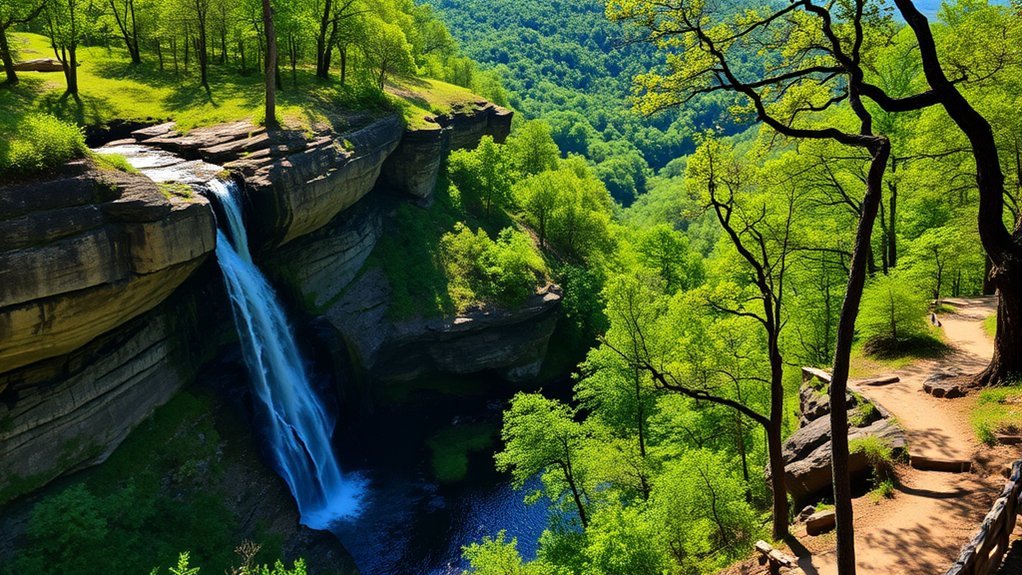
Fort Smith and the surrounding River Valley give you several ways to get outdoors. The most substantial nearby destination is Lake Fort Smith State Park, where the official park listing includes hiking, mountain biking, fishing, kayaking, camping, boat rentals, and access to the Ozark Highlands Trail.
- Hiking Trails: Use Lake Fort Smith State Park for Ozark scenery and longer trail time, or choose shorter parks and walking areas inside Fort Smith for a lighter outing.
- Fishing Spots: Lake Fort Smith and other regional waters can work for a slower day outdoors. Follow current Arkansas fishing-license and park rules.
- Biking Paths: Mountain biking is specifically listed at Lake Fort Smith State Park. Within Fort Smith, city streets, parks, and designated cycling routes vary in traffic and difficulty, so choose routes that match your comfort level.
Note: Lake Fort Smith State Park is in Mountainburg, not downtown Fort Smith. Build in driving time and treat it as a separate outdoor excursion rather than a walkable city attraction.
Warning: Swimming, water skiing, stand-up paddleboarding, and personal watercraft are not allowed on Lake Fort Smith because the lake is a drinking-water source. The state park has a separate seasonal swimming pool.
The Iron Ranger Challenge has appeared in National Park Service material as a broader Arkansas public-lands mileage challenge. Treat it as an optional statewide challenge rather than a Fort Smith-only attraction, and use current NPS challenge information if you want to participate.
Cultural Events and Festivals
Fort Smith’s event calendar changes throughout the year, so dated examples should be labeled by year. Fort Smith Dine Local Week remains an annual restaurant promotion; in 2026 it ran February 22-28, which means it should not be described as a spring event. The city also continues to promote live music, arts events, seasonal celebrations, and major riverfront gatherings.
- The Unexpected Project: Its murals remain a major part of downtown’s cultural identity. Current tourism information lists more than 30 works, so the old “over 20” count understates the collection.
- Fort Smith Little Theatre: The community theatre dates to 1947 and continues to stage productions, making it a dependable performing-arts option.
- Peacemaker Music Festival: The 2026 event is listed for October 2-3 at the Riverfront Amphitheater, giving music travelers a current riverfront festival to plan around.
- Blues events: Rather than promising a fixed annual Fort Smith Riverfront Blues Festival, use the current music calendar for blues jams and other blues performances because schedules and branding change.
- Creekmore Holiday Express: Older “Christmas in the Park” wording is better updated to the city’s current holiday program at Creekmore Park. For 2026, Holiday Express is listed from November 30 through December 31.
Before choosing travel dates around a festival, use the current Fort Smith events calendar. That avoids relying on a past year’s schedule.
Family-Friendly Activities
Families have a useful mix of indoor history, outdoor learning, rides, and parks. These options work better when you match them to your children’s ages and attention spans:
- U.S. Marshals Museum: Immersive exhibits make law-enforcement history more visual than a text-only museum visit.
- Lake Fort Smith State Park: Families can combine easy outdoor time with fishing, hiking, kayaking, a playground, or seasonal pool time.
- The Park at West End: The downtown park remains part of Fort Smith tourism imagery, and Compass Park Splash Pad sits just outside its western gate. Current official pages do not clearly publish dependable daily operating hours for the vintage Ferris wheel and carousel, so do not promise the rides as guaranteed.
- Fort Smith Trolley Museum: Historic streetcars and seasonal trolley rides give younger visitors a break from traditional museum exhibits.
- Janet Huckabee Arkansas River Valley Nature Center: The Arkansas Game and Fish Commission facility offers wildlife-focused exhibits, a large aquarium, trails, and nature education at 8300 Wells Lake Road.
These choices give families alternatives when weather, museum fatigue, or different age groups make a single long historical itinerary impractical.
Tips for Your Visit
A little planning makes Fort Smith easier to explore. The main decisions are when to visit, whether you need a car, and how much of your trip you want to spend downtown versus at attractions outside the core.
Best Time to Visit
Spring and fall are usually the most comfortable seasons for walking and outdoor sightseeing. National Weather Service climate normals for Fort Smith show average highs rising from about 66°F in March to 81°F in May. In fall, average highs drop from about 87°F in September to 63°F in November. That gives you a wide shoulder-season window, though individual days can still be much warmer or cooler.
Summer is hotter than the original article suggests. Normal average highs are about 89°F in June and around 94°F in July and August, with humidity adding to the discomfort. If you visit in summer, schedule outdoor walking earlier in the day and use museums or indoor attractions during the hottest hours.
Winter can still work well for museums and holiday events. The tradeoff is cooler weather and shorter daylight. Dine Local Week’s 2026 dates were in late February, while Creekmore Holiday Express is a late-November-through-December seasonal attraction.
Local Transportation Options
The Fort Smith Transit system operates fixed routes around the city. Current city information lists seven core fixed routes, with most service running Monday through Saturday and route-specific hours. The regular fixed-route fare is currently $1.25, with reduced fares available for qualifying riders. Transit vehicles are lift-equipped for accessibility.
Uber is available in Fort Smith, and Lyft lists Fort Smith as an Arkansas service area, including service at Fort Smith Regional Airport. Rideshare can be useful when your destination is not convenient to a bus route or when you are traveling outside transit hours. Local taxi availability can vary, so rideshare and a rental car are often simpler alternatives for visitors.
A car gives you the most flexibility for Lake Fort Smith State Park, the nature center, and attractions spread beyond downtown. Fort Smith is connected by major highways, and many major attractions have nearby parking. Walking works best for clusters of downtown sights; biking can work for selected routes but is not the easiest all-purpose visitor transport for every attraction.
Where to Base Yourself
Downtown is the most convenient base if your priorities are the National Historic Site, Miss Laura’s Museum, public art, restaurants, and nightlife. The Rogers Avenue/east Fort Smith area puts you closer to many commercial services and restaurants. If outdoor time is your main goal, Lake Fort Smith State Park has campsites and cabins, but staying there means driving into Fort Smith for city museums and dining.
Frequently Asked Questions
What Is the Best Time to Visit Fort Smith for Mild Weather?
Spring and fall are the easiest seasons for most outdoor sightseeing. March through May warms steadily, while September through November cools from late-summer heat into comfortable fall weather. Summer can be hot and humid, with normal July and August highs around 94°F.
Are There Any Guided Tours Available in Fort Smith?
Yes. Miss Laura’s Museum offers guided tours, and Lake Fort Smith State Park offers interpreter-led programs such as guided hikes or lake programs at selected times. The Fort Smith Trolley Museum also offers a guided-by-experience look at local transportation history when trolley rides are operating.
What Is the Local Transportation Like in Fort Smith?
Fort Smith Transit runs fixed bus routes, and Uber and Lyft serve the area. Downtown attractions can be grouped for walking, but a car is more convenient for Lake Fort Smith State Park and other spread-out destinations. If you rely on buses, check the route-specific service hours because they are not identical across all routes.
Is Fort Smith a Pet-Friendly Destination?
It can be, but pet rules vary by property. Lake Fort Smith State Park currently lists dog-friendly cabins 1 and 2 for an additional fee, and outdoor walking areas can be easier with pets than museums. Hotels and restaurants set their own policies, so broad claims that “many” places allow pets should not be treated as universal.
Are There Any Unique Souvenirs to Buy in Fort Smith?
Yes. Downtown and Garrison Avenue shops sell antiques, locally made goods, art, and specialty items, while museum shops can be good places for history-focused souvenirs. The Fort Smith Farmers Market also features local and artisanal products when vendors are operating.
How Many Days Do You Need in Fort Smith?
One full day can cover the main downtown historic attractions. Two days are better if you want the U.S. Marshals Museum, art, and a less rushed pace. Plan three or more days if you also want Lake Fort Smith State Park, the nature center, the trolley museum, and extra dining or live entertainment.
Is Lake Fort Smith State Park Actually in Fort Smith?
No. Lake Fort Smith State Park is at 15458 Shepherd Springs Road in Mountainburg, Arkansas. It is close enough to pair with a Fort Smith trip, but it should be planned as a drive rather than a downtown stop.
Conclusion
Fort Smith works best when you see it as more than a frontier-history stop. Start with the National Historic Site and the U.S. Marshals Museum, then make room for Miss Laura’s social history, downtown murals, regional art, local restaurants, and the Arkansas River Valley landscape. With a well-grouped itinerary and current event information, you can build anything from a focused one-day visit to a relaxed multi-day trip.
Sources
- National Park Service — Fort Smith National Historic Site — frontier, federal court, Trail of Tears, and site-history context.
- U.S. Marshals Museum — current museum location, exhibits, and visitor information.
- Arkansas State Parks — Lake Fort Smith State Park — location, recreation, amenities, and water-use rules.
- City of Fort Smith — Transit Routes and Schedules — current fixed-route service and operating information.
- National Weather Service — Fort Smith Climatology — monthly temperature normals used for seasonal planning.
- Discover Fort Smith — Events Calendar — current festivals, performances, and event dates.