Oklahoma City combines history, Native culture, art, sports, food, and outdoor spaces in a way that makes it easy to build a memorable day around your interests. Downtown holds several major attractions close together, while the First Americans Museum and Oklahoma City Zoo are better treated as separate stops that require extra travel time.
Quick Answer
Some of the best Oklahoma City attractions include the Oklahoma City National Memorial & Museum, First Americans Museum, Scissortail Park, Oklahoma City Museum of Art, Paycom Center, and Oklahoma City Zoo. For one day, focus on the downtown cluster and add either the First Americans Museum or the zoo if time allows.
Key Takeaways
- Downtown attractions such as the National Memorial, OKCMOA, Scissortail Park, First National Center, and Paycom Center are the easiest to combine in one outing.
- First Americans Museum is a major cultural stop focused on the 39 distinct First American Nations in Oklahoma today.
- Scissortail Park and the Oklahoma City Zoo are not next door to each other, so plan them as separate destinations.
- Paycom Center is still the Oklahoma City Thunder’s home arena in 2026, while a new arena is planned to open later.
- Hours, event schedules, exhibitions, and seasonal programs can change, so check each attraction’s official site before leaving.
Explore Dining and Historic Architecture at the First National Center
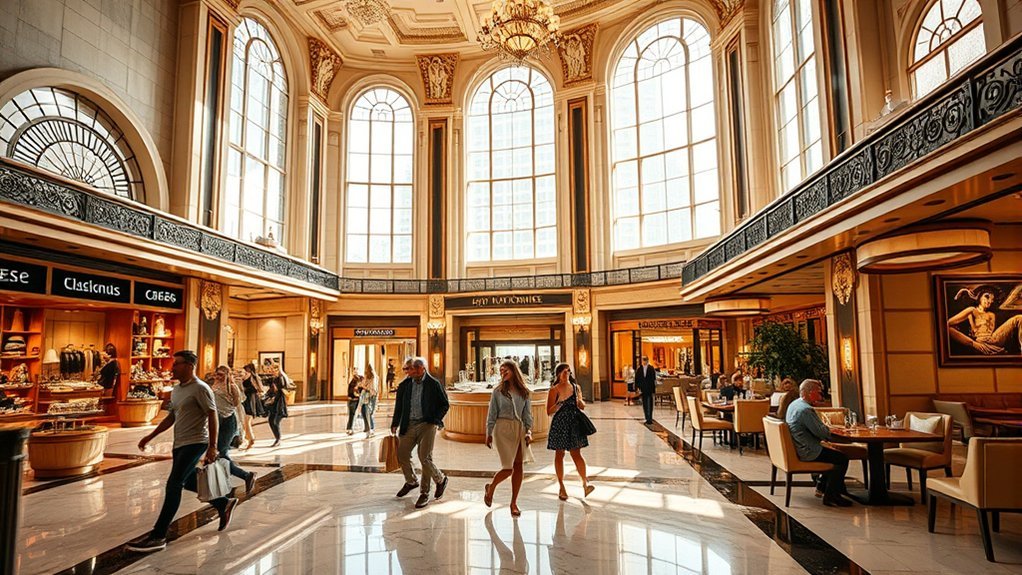
When you visit the First National Center in downtown Oklahoma City, the biggest draws are its restored historic setting, restaurants, bars, hotel spaces, and gathering areas. Dining options include Tellers, Stock & Bond, The Great Hall, and other venues within the mixed-use landmark. The building also preserves important architectural details, including its grand banking hall and historic murals.
The original article overstates the shopping angle. Current official listings emphasize dining, hospitality, entertainment, and services rather than a broad collection of local artisan shops. That still makes the First National Center a worthwhile stop for a meal, coffee, cocktail, or look at one of downtown Oklahoma City’s most distinctive restored interiors.
Pro Tip: Pair the First National Center with nearby downtown sights instead of treating it as a stand-alone shopping destination. It works especially well before or after a museum visit, Scissortail Park walk, or evening event.
Experience Sports Excitement at Paycom Center
At Paycom Center, you can experience one of Oklahoma City’s biggest sports and entertainment venues. It is the home arena of the Oklahoma City Thunder and also hosts concerts and other major events. The Thunder lists a basketball seating capacity of 18,203, so the original claim of more than 18,000 seats is accurate.
As of 2026, Paycom Center remains active while Oklahoma City and the Thunder prepare for a new arena expected to open in 2028. If you are planning a game or concert, check the event calendar, ticket rules, bag policy, and arrival guidance before your visit.
| Features | Details | Experience |
|---|---|---|
| Basketball capacity | 18,203 | Large NBA game atmosphere |
| Location | Downtown Oklahoma City | Easy to combine with nearby downtown stops |
| Versatility | Basketball, concerts, and events | Useful for both sports and entertainment trips |
Whether you are cheering for the Thunder or attending a concert, Paycom Center can anchor an evening in downtown Oklahoma City.
Dive Into Native American Culture at the First Americans Museum
After time downtown, the First Americans Museum offers a deeper look at the histories, cultures, and contemporary contributions of the 39 distinct First American Nations in Oklahoma today. Its exhibitions and programs are designed to present these stories through First American perspectives.
Here is what you can look forward to:
- Core Exhibitions: Explore exhibitions such as OKLA HOMMA and WINIKO: Life of an Object, along with rotating and community-focused displays.
- Youth Learning: FAMcamp is a real museum program, but it is a seasonal youth camp rather than a drop-in activity for every visitor. Families can also look for the FAMily Discovery Center and scheduled educational programs.
- Tours and Community Programs: The museum offers scheduled tours, public events, cultural programming, a museum store, and Indigenous-inspired dining.
One important correction: the iconic Survivor Tree is not at the First Americans Museum. It stands at the Oklahoma City National Memorial. At FAM, focus instead on the galleries, mound, cultural programs, FAMstore, and experiences that center First American history and living cultures.
Reflect on History at the Oklahoma City National Memorial and Museum
When you visit the Oklahoma City National Memorial & Museum, you enter a site dedicated to those who were killed, those who survived, rescuers, and everyone changed by the April 19, 1995 bombing. The Outdoor Symbolic Memorial and the museum use artifacts, galleries, touchscreens, theaters, personal stories, and symbolic spaces to explain both the attack and its aftermath.
Significance of the Memorial
The memorial grounds contain several symbolic elements that reward a slower, respectful visit:
- Survivor Tree: The American elm that endured the bombing remains a living symbol of resilience.
- 168 Empty Chairs: Each chair represents a person killed in the bombing. The chairs stand in nine rows representing the floors of the Murrah Federal Building, and 19 smaller chairs represent the children who were killed.
- Reflecting Pool and Gates of Time: The pool occupies the former path of N.W. Fifth Street, while the 9:01 and 9:03 gates frame the moment of destruction at 9:02 a.m.
Visiting the memorial is more than a sightseeing stop. Give yourself time to absorb the symbolism and the individual stories behind the site.
Museum Exhibits and Education
Inside the museum, the story of April 19, 1995 unfolds through galleries, artifacts, video, touchscreens, theaters, and first-person accounts. The original article’s claim of “over 100 interactive exhibits” is not clearly supported by the museum’s current official wording, so it is safer and more accurate to describe the experience without an unsupported exhibit count.
| Feature | Description | Purpose |
|---|---|---|
| Survivor Tree | American elm that survived the bombing | Symbolizes resilience |
| Museum galleries | Artifacts, touchscreens, theaters, and personal accounts | Explain the bombing and its aftermath |
| Reflecting Pool | Symbolic space on the former path of N.W. Fifth Street | Encourages reflection |
| 168 Empty Chairs | One chair for each person killed | Centers remembrance of individual lives |
Note: The Outdoor Symbolic Memorial and the ticketed museum are different parts of the same experience. If your schedule allows, visit both rather than seeing only the outdoor grounds.
Enjoy Nature at Scissortail Park and Plan the Zoo Separately
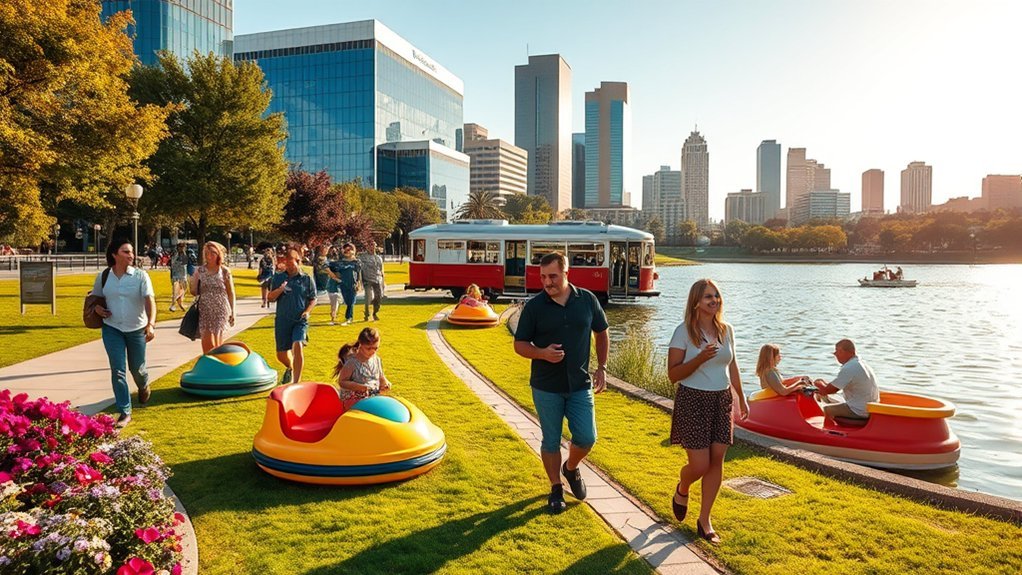
Scissortail Park is a 70-acre public park in the downtown core-to-shore area. It includes gardens and woodlands, a lake, playground and nature play areas, water features, sports courts, a dog park, picnic space, and performance areas. Its walking and jogging paths also help connect the downtown area toward the Oklahoma River.
The Oklahoma City Zoo is also an excellent nature-focused attraction, but it is not next door to Scissortail Park. The zoo is located at 2000 Remington Place in the Adventure District, so visitors should plan extra travel time rather than treating the two attractions as one stop.
Here are three highlights to consider:
- Scenic Paths and Green Space: Use Scissortail Park for a relaxed walk, gardens, lake views, play areas, or seasonal activities.
- Wildlife Encounters: At the Oklahoma City Zoo, explore habitats such as Great EscApe, home to gorillas and chimpanzees, along with other animal areas across the zoo’s large campus.
- Seasonal Events: Both destinations host changing programs and events, so check their official calendars before choosing a date.
Warning: Oklahoma summer heat can affect outdoor comfort and even attraction hours. Bring water, use sun protection, and check same-day operating information, especially for the zoo and outdoor activities.
Explore Stunning Art at the Oklahoma City Museum of Art’s Chihuly Collection
After enjoying downtown parks and attractions, make your way to the Oklahoma City Museum of Art. Its permanent collection includes Dale Chihuly: The Oklahoma Collection, one of the largest public collections of Chihuly artwork in the world. The collection spans decades of his glass work and works on paper.
The original article confuses Oklahoma City with Seattle’s Chihuly Garden and Glass. In Oklahoma City, look for works such as the Oklahoma Persian Ceiling, Ikebana Boat, and the dramatic 55-foot Eleanor Blake Kirkpatrick Memorial Tower in the museum atrium. The tower itself contains 2,100 hand-blown glass pieces, which is likely the source of the article’s misleading “over 2,000 sculptures” wording.
Check the museum’s current exhibition page before visiting because galleries can temporarily close for renovation or installation work. Beyond Chihuly, OKCMOA also presents rotating exhibitions, film screenings, and other works from its permanent collection, giving art lovers more to see than a single installation.
Plan a One-Day Oklahoma City Itinerary
If you only have one day, avoid zigzagging across the city. Group attractions by area and choose one or two major museums rather than trying to see everything.
- Morning: Start at the Oklahoma City National Memorial & Museum while you have time and energy for its serious historical content.
- Midday: Walk or ride through the downtown core for lunch at First National Center, then spend time at Scissortail Park or nearby Myriad Botanical Gardens.
- Afternoon: Choose the Oklahoma City Museum of Art, Bricktown, or another downtown attraction based on your interests.
- Alternative half-day: Replace part of the downtown plan with the First Americans Museum if Native history and contemporary First American culture are a priority.
- Evening: Finish with a Thunder game, concert, dinner, or another scheduled downtown event when available.
If the Oklahoma City Zoo is a priority, consider making it the main attraction for a large part of the day rather than squeezing it between downtown museums. Its size and location make it better suited to a dedicated visit.
More Oklahoma City Attractions Worth Considering
The original article covers several strong choices, but a complete Oklahoma City attractions guide should also acknowledge a few major alternatives. Depending on your interests, consider Bricktown for dining and entertainment, Myriad Botanical Gardens for an easy downtown outdoor stop, and the National Cowboy & Western Heritage Museum for Western art and history. These additions help travelers build an itinerary around culture, family activities, or a relaxed downtown day.
For the smoothest trip, check opening days before you go. Some museums close one day each week, sports venues operate around event schedules, and outdoor attractions may adjust activities for weather or seasonal programming.
Sources
- Visit Oklahoma City: Top Attractions – broad Oklahoma City attraction and trip-planning context.
- First Americans Museum: Plan Your Visit – current exhibitions, tours, hours, and visitor information.
- Oklahoma City National Memorial & Museum: The Memorial – symbolic elements, Survivor Tree, and Field of Empty Chairs.
- Scissortail Park: About the Park – park size, features, and connection toward the river.
- Oklahoma City Zoo & Botanical Garden – current zoo visitor information and attractions.
- Oklahoma City Museum of Art: Dale Chihuly: The Oklahoma Collection – current description of the Chihuly collection.
Frequently Asked Questions
What is the #1 tourist attraction in Oklahoma City?
There is no official single #1 attraction for every visitor. The Oklahoma City National Memorial & Museum is one of the city’s signature sights and is especially important for first-time visitors interested in local history. Families, sports fans, and art lovers may prefer the zoo, Paycom Center, Scissortail Park, or OKCMOA.
What are some hidden gems in OKC?
Beyond the headline attractions, explore neighborhoods and cultural stops such as the Paseo Arts District, Plaza District, Oklahoma Contemporary, and smaller downtown spaces inside restored landmarks such as the First National Center. The best choice depends on whether you want local art, food, architecture, or nightlife.
What is the most popular tourist attraction in Oklahoma?
There is no authoritative statewide ranking that identifies one attraction as Oklahoma’s most popular in every year. In Oklahoma City, the National Memorial & Museum is a signature attraction, while other major draws include the Oklahoma City Zoo, First Americans Museum, National Cowboy & Western Heritage Museum, and Bricktown.
What are three popular tourist attractions in Oklahoma City?
Three strong first-time choices are the Oklahoma City National Memorial & Museum for history, the First Americans Museum for First American culture and heritage, and Scissortail Park for a free outdoor break in the downtown area.
Can you see Oklahoma City attractions in one day?
Yes, but focus on one area. A realistic one-day plan can combine the National Memorial, lunch downtown, Scissortail Park, and either OKCMOA or an evening event. Adding the First Americans Museum or zoo is possible, but each requires more travel and deserves enough time to enjoy properly.
Is downtown Oklahoma City walkable for sightseeing?
Several downtown attractions are close enough to combine on foot or with short local rides, including Scissortail Park, Paycom Center, First National Center, Bricktown, Myriad Botanical Gardens, and OKCMOA. The First Americans Museum and Oklahoma City Zoo sit outside that compact downtown cluster, so plan transportation for those stops.
Conclusion
Oklahoma City’s best attractions work well because they offer very different experiences: solemn history at the National Memorial, First American stories at FAM, art at OKCMOA, sports at Paycom Center, restored architecture and dining at First National Center, and outdoor time at Scissortail Park or the zoo. The key is not trying to force every stop into one day. Group downtown attractions together, choose the museums that match your interests, and give farther-out destinations enough time to be worth the trip.