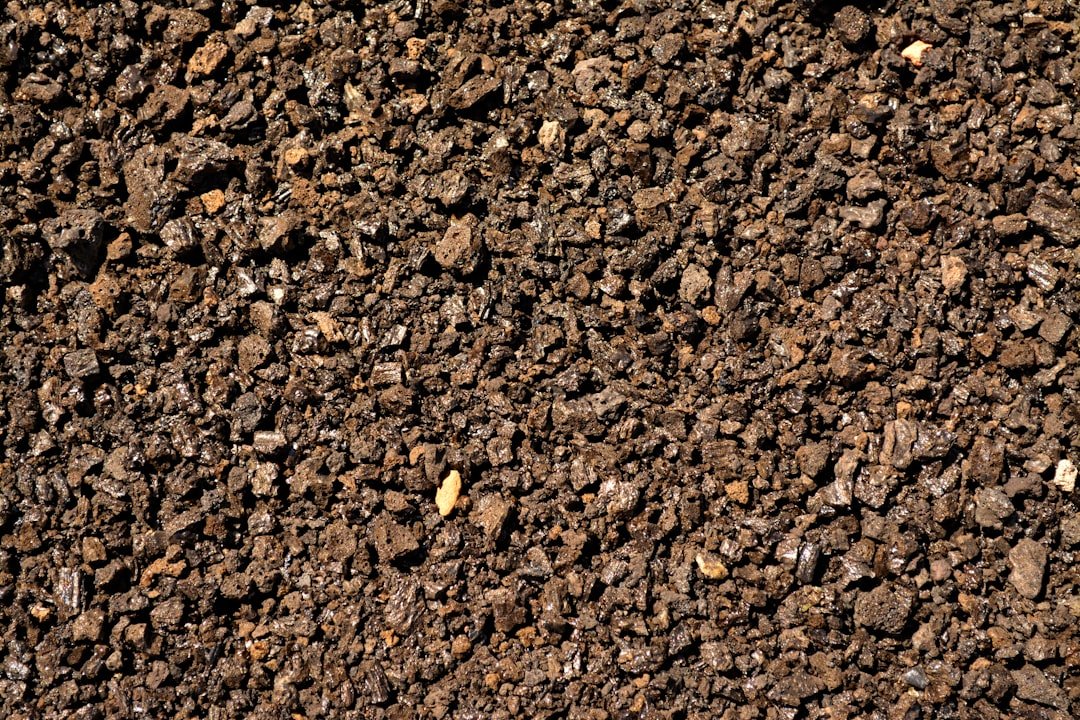
If you searched for Gary’s Best Top Soil, there is an important distinction to make before you buy or apply anything. Current nursery and retailer listings identify the product as Gary’s Best Top Pot, a potting mix rather than conventional garden topsoil. Understanding that difference helps you choose the right material for containers, raised beds, new planting areas, and existing garden soil.
Quick Answer
Gary’s Best Top Soil is not the current product name I could verify. Nursery listings identify Gary’s Best Top Pot as a potting mix containing peat moss, pumice, perlite, sand, and charcoal. Use true topsoil for in-ground beds and grading; use Top Pot mainly for containers and permanent potted plantings.
Key Takeaways
- Topsoil is the mineral-rich surface layer of natural soil, not simply any dark material sold in a bag.
- Current listings describe Gary’s Best Top Pot as a container potting mix made with peat moss, pumice, perlite, sand, and charcoal.
- For raised beds, blend suitable topsoil with mature compost instead of creating sharply separated soil layers.
- Test existing soil before adding fertilizer, lime, sulfur, or large amounts of imported soil, especially in a food garden.
Is Gary’s Best Top Soil Actually Topsoil?
Current product information does not show a product formally named “Gary’s Best Top Soil.” Instead, nursery listings identify Gary’s Best Top Pot as a potting mix designed for long-term container use.
The listed ingredients are peat moss, pumice, perlite, sand, and charcoal. Those materials create a different growing medium from natural topsoil, which contains mineral particles formed in place as part of a soil profile.
This distinction matters because topsoil and potting mix solve different problems. Gardeners usually use topsoil to raise soil grade, fill beds, improve soil depth, or blend with compost. Potting mixes are formulated for the restricted root space and drainage requirements of containers.
What Is Topsoil and Why Does It Matter?
Topsoil is the surface mineral layer where much of the biological activity and root growth in natural soil occurs. The USDA Natural Resources Conservation Service describes the A horizon, commonly called topsoil or the surface layer, as mineral material containing organic matter, nutrients, minerals, and abundant roots.
The depth is not fixed at 2 to 8 inches everywhere. Soil depth varies with location, soil formation, erosion, cultivation, and previous disturbance. The USDA NRCS soil handbook notes that the A horizon may be only a few inches thick in many soils.
Good garden soil supplies roots with water, oxygen, nutrients, and physical support. Organic matter also supports bacteria, fungi, earthworms, and other organisms that help decompose plant material and cycle nutrients.
However, dark color alone does not guarantee fertile topsoil. Purchased material can vary widely in texture, organic matter, nutrient content, weed seeds, contaminants, and the amount of stone or debris it contains.
The Benefits of Gary’s Best Top Pot for Container Plants
Gary’s Best Top Pot is marketed as a long-lasting potting mix rather than compost-rich topsoil. Its mineral and porous ingredients are intended to maintain air spaces around roots while still holding usable moisture.
Pumice and perlite help create pore space, while sand contributes mineral structure. Current nursery listings also state that charcoal is included to help retain nutrients from fertilizer.
This type of mix can be useful for fruit trees, succulents, cacti, and other plants that spend long periods in containers. Container roots depend heavily on the potting medium because they cannot spread into surrounding native soil when moisture, air, or nutrients become limited.
The original description stated that Gary’s product has a balanced pH and undergoes testing for contaminants and pathogens. Those product-specific statements were not confirmed in the current product information reviewed, so the current bag label or manufacturer documentation should be used when those details affect your planting decision.
Most importantly, do not assume that a bag of Top Pot is interchangeable with bulk topsoil. For a large in-ground garden or raised bed, suitable garden soil and compost are usually more practical materials.
How to Prepare Your Garden Before Adding Topsoil
)
Preparing the existing soil first helps the new material function as part of the garden rather than as a separate layer. Start by finding out what you already have, then add only what the soil and plants need.
- Test the existing soil. A laboratory soil test can show pH and nutrient levels and provide amendment recommendations. The University of Maryland Extension recommends testing soil before changing a raised-bed site.
- Remove weeds, turf, rocks, and debris. Clear material that would interfere with planting or create persistent weed problems.
- Loosen compacted ground. Use a garden fork or spade to open compacted soil. University of Maryland guidance describes loosening the underlying soil about 6 to 8 inches where compaction is a problem.
- Blend rather than sharply layer. Add a small amount of the new soil mix first and work it into the existing surface. This creates a gradual transition for roots and water.
- Add the remaining soil and level the bed. Finish with enough suitable soil to provide the rooting depth needed by the plants you intend to grow.
For raised beds, the right blend depends on the starting soil. Iowa State University Extension gives examples including roughly 70% topsoil and 30% compost, as well as an equal-parts blend of topsoil, organic matter, and coarse sand.
How to Choose the Right Type of Topsoil for Your Garden
| Top Soil Type | Composition | Drainage | Nutrient Content |
|---|---|---|---|
| Clay Soil | High clay content | Slow drainage when compacted | Can hold nutrients well |
| Sandy Soil | High sand content | Fast drainage | Lower nutrient-holding capacity |
| Loamy Soil | Balanced mix of sand, silt, and clay | Generally well drained while retaining moisture | Often well suited to garden use when properly managed |
The best topsoil depends on what you are growing and what is already in the ground. Texture matters because sand, silt, and clay affect drainage, aeration, compaction, and the soil’s ability to hold water and nutrients.
Root vegetables such as carrots perform best in loose soil without stones or dense compaction. Plants that need consistently moist conditions benefit from soil with more moisture-holding capacity, but that does not mean poorly drained clay is automatically desirable.
When buying bulk or bagged topsoil, look beyond the word “topsoil.” Ask whether it is screened, what its texture is, whether compost has been blended into it, and whether the supplier has information about its source.
If the material will be used for vegetables or other food crops, contamination deserves extra attention. The University of Maryland Extension recommends testing vegetable-garden soil for lead, especially where previous land use or nearby older structures create a possible source of contamination.
The Role of Topsoil in Plant Growth and Health
Healthy topsoil gives roots access to water, oxygen, mineral nutrients, and living soil organisms. Its structure also determines how easily roots can penetrate the ground and how quickly excess water moves away after rain or irrigation.
Organic matter within or added to mineral soil supports microbial activity and helps improve aggregation. Soil organisms break down organic residues, while plant roots and soil fauna contribute to the structure of the surface layer.
Water balance is equally important. Very sandy soil can dry quickly, while compacted fine-textured soil may drain slowly. A well-structured garden soil holds useful moisture without remaining saturated around roots.
Topsoil also gives plants room to establish a larger root system. Strong root development helps plants reach more water and nutrients and can make them less vulnerable to short periods of dry weather.
Common Misconceptions About Topsoil and Gardening
)
Myth: All Topsoil Is Basically the Same
Topsoil can vary greatly in texture, organic matter, nutrient levels, contamination risk, stones, and debris. Two products carrying the same general label can behave very differently after watering or planting.
That is why appearance alone is not enough. A dark soil may contain plenty of organic material, but you still need to know whether its texture and drainage suit the intended use.
Myth: Any Bag Labeled Topsoil Is Ready for Every Plant
Different plants need different root conditions. Heavy soil may be unsuitable for a container, while a very light potting mix may be unnecessarily expensive or unstable for filling a large in-ground bed.
Match the material to the job: topsoil for grading and garden beds, amended garden soil for many in-ground plants, and potting mix for containers.
Myth: Adding More Topsoil Always Improves a Garden
Adding a thick layer without considering the existing soil can create drainage and rooting problems. A distinct boundary between two very different textures may change how water moves through the bed.
For that reason, blending the transition zone is often more useful than simply piling new material over compacted ground.
Myth: Topsoil Alone Provides Everything Plants Need
Topsoil is a growing medium, not a guarantee of perfect fertility. Plants can still develop nutrient deficiencies, poor drainage, compaction, or unsuitable pH.
A soil test gives you a better basis for deciding whether fertilizer, compost, lime, sulfur, or another amendment is actually needed.
Testimonials From Customers Who Have Used Gary’s Best
The source article includes customer experiences with Gary’s Best Top Soil, although it does not provide a public review page or other source for independently checking these comments.
One customer recounted how they struggled with poor soil quality in their backyard before discovering Gary’s Best Top Soil. After applying it to their vegetable garden, they noticed a remarkable improvement in plant health and yield.
Another satisfied customer praised Gary’s Best Top Soil for its consistency and ease of use. They noted that unlike other brands they had tried in the past, Gary’s product was free from large clumps or debris that could hinder planting efforts.
“It spread easily and mixed well with my existing soil,” they shared. This ease of application allowed them to focus more on planting rather than struggling with poor-quality materials.
Because current listings identify Gary’s Best Top Pot as a potting mix, confirm that these testimonials refer to the same product before using them to make a purchasing decision.
How to Maintain Your Garden After Adding Topsoil
After adding topsoil or a soil blend, maintenance should focus on moisture, soil structure, weed control, and replacing nutrients only when plants or soil-test results show a need. New soil does not eliminate the need for normal garden care.
Water deeply enough to moisten the active root zone, then allow conditions to move toward the moisture level preferred by the plant. Avoid keeping the soil continuously saturated, because roots also need oxygen.
Mulch can reduce evaporation, suppress weeds, moderate soil temperature, and protect the soil surface. Iowa State University Extension notes that about 2 to 4 inches is generally effective for many mulch materials, with the appropriate depth depending on the mulch and soil conditions.
Keep monitoring plant growth. Yellowing leaves, weak growth, poor flowering, standing water, or unusually fast drying can point to problems with fertility, drainage, moisture, or soil structure.
Organic matter can decline as it decomposes, so garden beds often benefit from periodic additions of mature compost. Avoid repeatedly adding fertilizer without a reason; excess nutrients can be as troublesome as deficiencies.
Frequently Asked Questions
What is Gary’s Best Top Soil?
The current product I could verify is called Gary’s Best Top Pot, not Gary’s Best Top Soil. It is a potting mix containing peat moss, pumice, perlite, sand, and charcoal and is marketed for long-term container growing.
What are the benefits of using Gary’s Best Top Pot?
Gary’s Best Top Pot is designed to maintain air space around container roots while also holding usable moisture. Pumice and perlite improve porosity, while its nursery listing says charcoal helps retain nutrients supplied through fertilizer.
How is Gary’s Best Top Pot different from regular topsoil?
Gary’s Best Top Pot is a formulated potting mix, while topsoil is the mineral-rich surface layer of natural soil or material sold to resemble it. Top Pot is intended mainly for containers, while topsoil is commonly used in garden beds, grading, and landscaping.
Where can I purchase Gary’s Best Top Pot?
Gary’s Best Top Pot is sold by several garden centers and horticultural suppliers. Availability varies by location, so confirm that the bag specifically says Gary’s Best Top Pot rather than assuming any product labeled topsoil is the same mix.
Can I use Gary’s Best Top Pot to fill a raised garden bed?
You can use potting mix in some raised-bed situations, but Gary’s Best Top Pot is primarily a container medium rather than ordinary bulk topsoil. For a large raised bed, a suitable topsoil-and-compost blend is usually the more practical starting point.
How should topsoil be added to an existing garden?
Prepare the site first, remove unwanted vegetation, loosen compacted ground, and blend some of the new material into the existing surface before adding the rest. This reduces a sharp soil boundary and gives roots a smoother transition into the native ground.
Sources
- USDA Natural Resources Conservation Service soil handbook: Definition and characteristics of the A horizon, or topsoil.
- East Bay Nursery: Gary’s Best Top Pot product name, ingredients, sizes, and intended container use.
- University of Maryland Extension: Raised-bed preparation, soil testing, soil pH, organic matter, and loosening compacted soil.
- Iowa State University Extension: Raised-bed topsoil, compost, and organic-matter blending guidance.
- University of Maryland Extension lead guidance: Lead testing and contamination considerations for vegetable garden soils.
- Iowa State University Extension mulch guidance: Mulch benefits and typical application depth.