

The Glacier Express, often referred to as the “slowest express train in the world,” has a rich history that dates back to the early 20th century. The train service was inaugurated in 1930, connecting the picturesque towns of Zermatt and St. Moritz. This ambitious project was born out of a desire to provide travelers with a unique way to experience the stunning landscapes of the Swiss Alps. The original route was designed to showcase the breathtaking beauty of the region, allowing passengers to traverse some of the most dramatic scenery in Europe. The train was initially intended for tourists seeking leisure travel, and it quickly became a symbol of luxury and comfort. Over the decades, the Glacier Express has undergone significant transformations, adapting to advancements in technology and changes in passenger expectations. In the 1980s, the introduction of panoramic windows revolutionized the travel experience, allowing passengers to enjoy unobstructed views of the majestic mountains and valleys. The train’s carriages were modernized to include amenities such as dining services and comfortable seating, enhancing the overall journey. Today, the Glacier Express is not just a means of transportation; it is an experience that encapsulates the essence of Swiss hospitality and the natural beauty of the Alps.
Key Takeaways
- The Glacier Express has a rich history dating back to the 1930s, and has since become one of Switzerland’s most iconic train journeys.
- The route covers 291 kilometers and stops at popular destinations such as Zermatt, St. Moritz, and Andermatt, offering passengers a chance to explore these picturesque towns.
- The best time to travel on the Glacier Express is during the spring and fall seasons, when the weather is mild and the scenery is at its most stunning.
- Passengers can expect to see breathtaking views of the Swiss Alps, charming villages, and stunning valleys along the route.
- The Glacier Express experience offers luxury and comfort, with panoramic windows, delicious cuisine, and impeccable service, making it a truly unforgettable journey.
The Route and Stops
The Glacier Express covers a distance of approximately 291 kilometers (181 miles) and takes around eight hours to complete its journey from Zermatt to St. Moritz. This iconic route traverses 91 tunnels and crosses 291 bridges, making it a marvel of engineering as well as a scenic delight.
The journey begins in Zermatt, a car-free village nestled at the foot of the iconic Matterhorn. From there, the train ascends through lush valleys and steep mountain passes, offering passengers a front-row seat to some of Switzerland’s most stunning landscapes. Along the way, the Glacier Express makes several notable stops that allow travelers to explore charming Swiss towns and experience local culture.
One such stop is Brig, where passengers can admire the historic Stockalper Palace, a baroque masterpiece that dates back to the 17th century. Another highlight is Andermatt, a quaint village that serves as a gateway to some of Switzerland’s most popular hiking trails. The train also pauses at Chur, Switzerland’s oldest city, where visitors can wander through its medieval old town and enjoy local cuisine.
Each stop along the route adds depth to the journey, providing opportunities for exploration and immersion in Swiss culture.
The Best Time to Travel
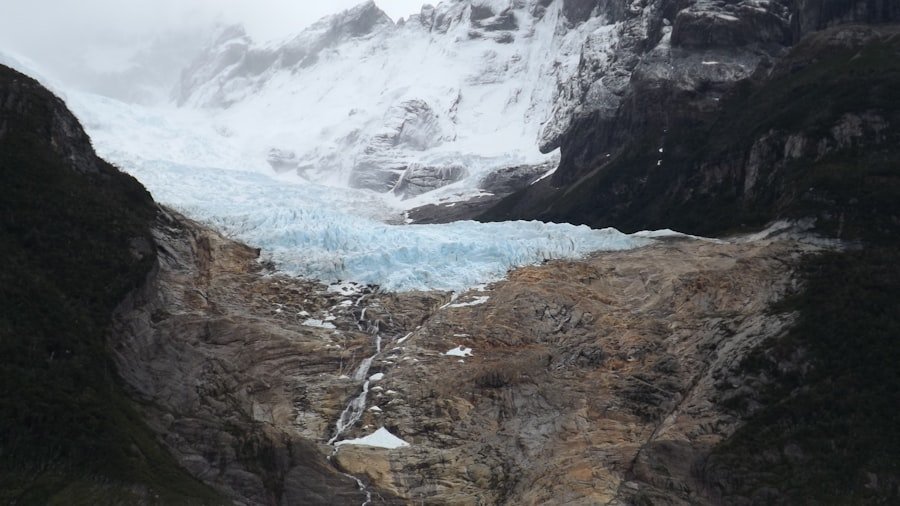
Choosing the best time to travel on the Glacier Express can significantly enhance the overall experience. The train operates year-round, but each season offers its own unique charm. Summer months, particularly from June to September, are popular among tourists due to the lush greenery and vibrant wildflowers that blanket the landscape.
During this time, travelers can enjoy clear skies and longer daylight hours, making it ideal for photography and outdoor activities.
From December to March, passengers are treated to snow-covered mountains and serene winter landscapes.
The train’s large panoramic windows provide an intimate view of snow-laden trees and frozen lakes, creating a cozy atmosphere reminiscent of a winter wonderland. Additionally, winter travelers can take advantage of nearby ski resorts and winter sports activities in Zermatt and St. Moritz.
Ultimately, whether one chooses to travel in summer or winter, each season offers distinct experiences that showcase the beauty of Switzerland’s alpine environment.
Breathtaking Views Along the Route
| Location | View Description | Distance from Start |
|---|---|---|
| Mountain Peak | Panoramic view of valleys and lakes | 10 miles |
| Cliffside Overlook | Breathtaking view of the ocean | 25 miles |
| Scenic River Bridge | Gorgeous view of the winding river | 40 miles |
One of the defining features of the Glacier Express is its breathtaking views that unfold throughout the journey. As the train winds its way through the Swiss Alps, passengers are treated to an ever-changing panorama of dramatic landscapes. The route includes stunning vistas of towering peaks, deep gorges, and picturesque valleys that seem straight out of a postcard.
Notable highlights include the Oberalp Pass, which stands at an elevation of 2,033 meters (6,670 feet) and offers sweeping views of snow-capped mountains. Another remarkable sight is the Landwasser Viaduct, an architectural marvel that spans 142 meters (466 feet) and is one of Switzerland’s most photographed landmarks. This stunning bridge gracefully arches over a deep ravine, providing an exhilarating view for passengers as they cross it.
Additionally, as the train approaches Zermatt, travelers are treated to an awe-inspiring view of the Matterhorn, one of Switzerland’s most iconic peaks. These breathtaking views are not just visual treats; they evoke a sense of wonder and appreciation for nature’s grandeur.
The Glacier Express Experience
Traveling on the Glacier Express is more than just a train ride; it is an immersive experience that combines comfort with luxury. The train features modern carriages equipped with large panoramic windows that allow for unobstructed views of the stunning landscapes outside. Passengers can choose from different classes of service, including first-class and second-class options, each offering comfortable seating and ample legroom.
Dining on board is another highlight of the Glacier Express experience. Passengers can indulge in gourmet meals prepared with fresh local ingredients while enjoying breathtaking views through their windows. The menu often features traditional Swiss dishes such as fondue and rösti, allowing travelers to savor regional flavors as they traverse the Alps.
Additionally, knowledgeable staff members provide insights into the history and geography of the areas being traversed, enriching the journey with context and storytelling.
Activities and Attractions Along the Way
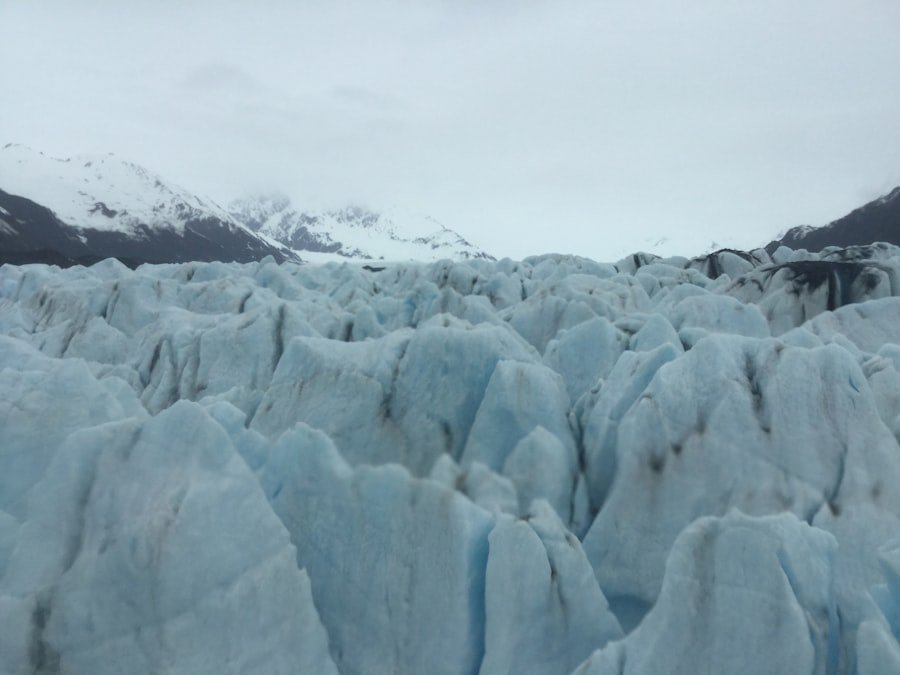
The Glacier Express route is dotted with numerous activities and attractions that enhance the travel experience beyond simply enjoying scenic views from the train. For instance, upon reaching Zermatt, visitors can embark on various outdoor adventures such as hiking or skiing in winter months.
In Andermatt, travelers can take advantage of hiking trails that lead to stunning alpine lakes or engage in mountain biking during summer months. The region is also known for its rich history; visitors can explore ancient fortifications or learn about local traditions at cultural museums. In Chur, guests can stroll through charming streets lined with shops and cafes or visit art galleries showcasing local talent.
Each stop along the Glacier Express route presents unique opportunities for exploration and adventure.
Tips for Making the Most of Your Journey
To fully enjoy your journey on the Glacier Express, there are several tips that can enhance your experience. First and foremost, consider booking your tickets in advance, especially during peak tourist seasons when demand is high. This ensures you secure your preferred class of service and seating arrangements.
Another important tip is to arrive at your departure station early to allow ample time for boarding and settling in before departure. This also provides an opportunity to explore Zermatt or St. Moritz briefly before embarking on your journey.
Additionally, be sure to dress in layers; temperatures can vary significantly throughout the day as you ascend into higher altitudes. For photography enthusiasts, bringing a good camera or smartphone is essential for capturing stunning landscapes along the way. However, be mindful of reflections in panoramic windows; using a polarizing filter can help reduce glare and enhance image quality.
Lastly, engage with fellow passengers; sharing stories and experiences can enrich your journey and create lasting memories.
Other Scenic Train Routes in Switzerland
Switzerland boasts an array of scenic train routes that rival even the renowned Glacier Express. One such route is the Bernina Express, which connects Chur with Tirano in Italy. This journey takes passengers through breathtaking landscapes characterized by glaciers, mountain lakes, and charming villages.
The Bernina Pass is particularly famous for its stunning views and engineering marvels like viaducts and spiral tunnels. Another notable route is the GoldenPass Line, which links Lucerne with Montreux via Interlaken. This journey offers diverse scenery ranging from serene lakeshores to rolling hills adorned with vineyards.
Passengers can enjoy panoramic views of Lake Geneva while traversing picturesque towns along the way. The Gotthard Panorama Express combines both train and boat travel for a unique experience that showcases Switzerland’s natural beauty from multiple perspectives. Starting in Lucerne, this route takes travelers through historic tunnels before culminating in a scenic boat ride across Lake Lucerne.
Each of these routes offers its own unique charm and breathtaking views, making Switzerland a paradise for train enthusiasts and nature lovers alike. Whether you choose to ride on the Glacier Express or explore other scenic routes, Switzerland’s railways provide an unparalleled way to experience its stunning landscapes and rich cultural heritage.
If you’re planning a trip on the Glacier Express and are eager to discover the best section for breathtaking views, you might also be interested in exploring other delightful experiences. For instance, while the Glacier Express offers stunning vistas of the Swiss Alps, you can also indulge your senses by exploring the delightful world of Asian melon. This unique fruit offers a refreshing taste that complements the visual feast of your train journey. To learn more about this exotic fruit and its culinary uses, check out this article on Asian melon. It provides a fascinating insight into another world of flavors that can enhance your travel experience.
FAQs
What is the Glacier Express?
The Glacier Express is a scenic train ride that travels through the Swiss Alps, offering breathtaking views of the mountains, valleys, and picturesque villages.
What is the best section of the Glacier Express for views?
The best section of the Glacier Express for views is generally considered to be the route between Zermatt and St. Moritz. This section offers stunning views of the Matterhorn, the Rhône Valley, the Oberalp Pass, and the Engadin Valley.
What are some highlights along the Zermatt to St. Moritz route?
Some highlights along the Zermatt to St. Moritz route include the iconic Matterhorn mountain, the picturesque village of Andermatt, the Oberalp Pass, and the scenic landscapes of the Engadin Valley.
How long does the Glacier Express take to travel from Zermatt to St. Moritz?
The Glacier Express journey from Zermatt to St. Moritz takes approximately 8 hours, making it a full-day excursion.
Are there any other sections of the Glacier Express that offer great views?
While the Zermatt to St. Moritz route is often considered the best for views, other sections of the Glacier Express, such as the route between Chur and Brig, also offer stunning scenery and picturesque landscapes.