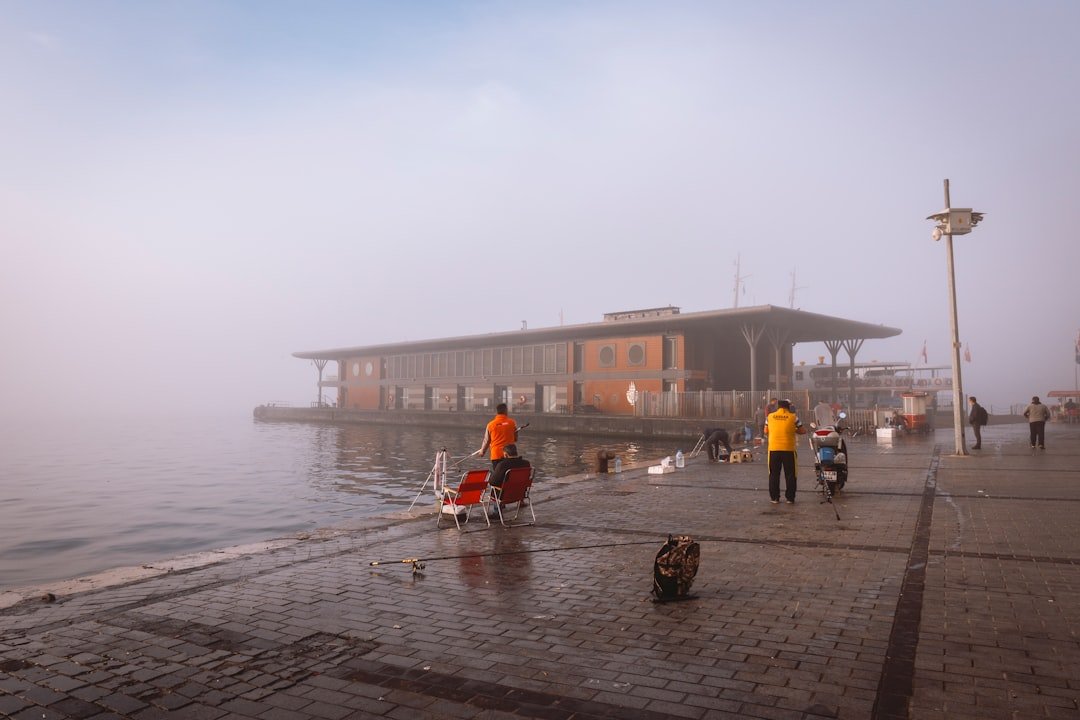
Karaköy sits at the foot of Galata on Istanbul’s European side, where the Golden Horn meets the Bosphorus. Historic banking streets, ferry piers, old religious buildings, cafés, galleries, museums, and the redeveloped waterfront all fit into a compact area. The neighborhood is easy to explore on foot, although its streets become much steeper as you climb toward Galata.
Quick Answer
Karaköy’s best hidden gems are clustered between the waterfront and the steep streets below Galata: Bankalar Caddesi and SALT Galata, the Camondo Stairs, Yeraltı Camii, independent galleries and design shops, classic baklava at Karaköy Güllüoğlu, and the Galataport promenade. Allow three to four hours, plus extra time for museums.
Key Takeaways
- Karaköy is best explored on foot, but expect cobblestones and steep streets toward Galata.
- Galata Tower is in neighboring Galata rather than directly in Karaköy, but it fits naturally into the same walk.
- SALT Galata, Bankalar Caddesi, Camondo Stairs, Yeraltı Camii, Istanbul Modern, and the waterfront offer a stronger mix of history and culture than generic café hopping alone.
- Karaköy Güllüoğlu is a long-running local stop for baklava and has operated in Karaköy since 1949.
- The Museum of Innocence and Spice Bazaar are useful nearby extensions, but neither is actually in Karaköy.
Historical Landmarks in Karaköy and Galata
Karaköy and neighboring Galata are closely connected, but they are not the same neighborhood. Karaköy occupies the lower waterfront area, while Galata rises uphill toward Galata Tower. Understanding that distinction makes a walking route much easier to plan.
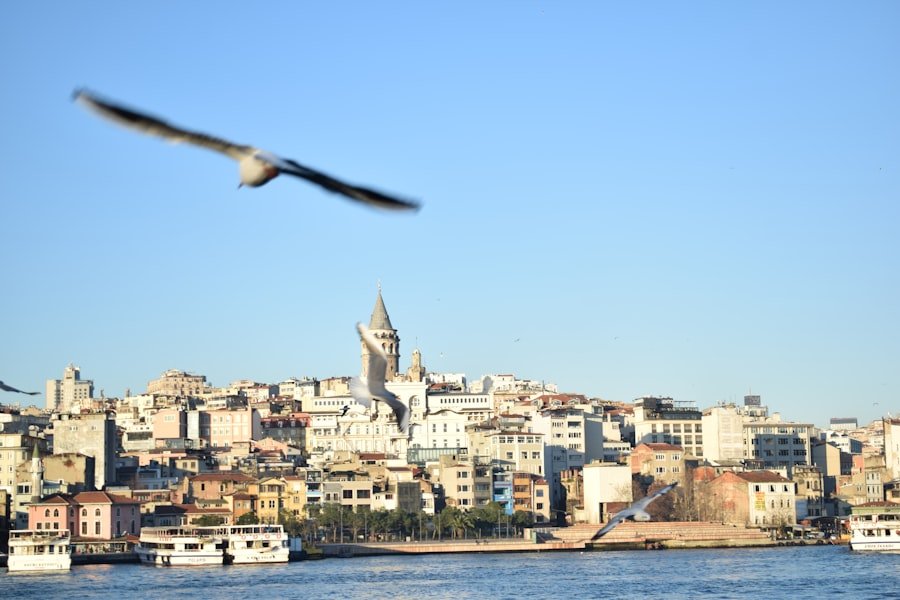
Galata Tower is one of the most recognizable landmarks near Karaköy. The present tower dates to 1348, when the Genoese controlled Galata. It later served several purposes under Ottoman rule and today operates as a museum and observation point.
The current visitor route uses an elevator for much of the ascent, followed by stairs to reach the upper levels. From the top, you can look across the Golden Horn, Historic Peninsula, Bosphorus, and surrounding districts. Because the tower is one of Istanbul’s busiest sights, early visits generally make the experience easier.
On the way between the tower and waterfront, walk along Bankalar Caddesi, historically one of Istanbul’s major financial streets. One of its most important buildings is SALT Galata. Designed by Alexandre Vallauri, the building served as the headquarters of the Imperial Ottoman Bank from 1892 to 1999 and began operating as SALT Galata in 2011.
SALT Galata combines architecture, exhibitions, research spaces, a library, and material from the Ottoman Bank Museum collection inside the bank’s former headquarters.
Nearby, the curved Camondo Stairs are an easy architectural stop on the climb between Bankalar Caddesi and Galata. Their compact location makes them useful for a short photo stop rather than a destination requiring a large block of time.
Another important site is Neve Shalom Synagogue, which opened on March 25, 1951. It remains a major center of Istanbul’s Jewish community. The connected Quincentennial Foundation Museum of Turkish Jews also presents the history and cultural heritage of Jewish communities in Türkiye.
Note: Neve Shalom has security procedures for visitors. The foundation currently states that an officially issued identity card or passport is required. Check its official visitor information before making a special trip because access conditions and hours can change.
Quirky Cafes and Restaurants
Karaköy has a dense café and restaurant scene, but individual businesses can change quickly. Instead of planning an entire visit around an unverified café name, use the backstreets between the ferry area, Kemankeş Caddesi, Mumhane Caddesi, and Bankalar Caddesi to compare current options.
One dependable historic food stop is Karaköy Güllüoğlu. The Güllü family has a much longer baklava-making history, while the Karaköy business itself has been associated with the neighborhood since 1949. The shop serves several varieties of baklava along with kadayıf, börek, lokum, tea, coffee, and other items.
If you have never tried Turkish baklava, start with a small selection rather than ordering a large tray. Pistachio and walnut versions make it easy to compare flavors and textures. Tea or Turkish coffee works well alongside the pastry.
Pro Tip: Visit Karaköy for food before the busiest evening period, then continue toward Galataport or the waterfront for sunset. This avoids unnecessary backtracking through the neighborhood.
Karaköy is also a good place to explore modern Turkish cooking, seafood, breakfast dishes, specialty coffee, and international food. Menus and businesses change often, so recent operating information is more useful than relying on an old list of fashionable cafés.
Art Galleries and Street Art
Karaköy’s art scene ranges from large cultural institutions to small galleries and changing street art. SALT Galata is one of the most dependable stops. It hosts exhibitions, events, workshops, research resources, and the Ottoman Bank Museum collection. Admission to SALT is currently free, although opening days and hours should always be checked before visiting.
Closer to the Bosphorus, Istanbul Modern is a major contemporary-art destination. Its current waterfront building was designed by Renzo Piano Building Workshop and contains collection galleries, temporary exhibitions, photography spaces, education areas, a library, café, shop, and restaurant.
The streets between these major institutions are worth exploring slowly. Murals, paste-ups, shutters, and smaller creative spaces change far more quickly than permanent monuments. That is part of the appeal: the most interesting wall you see on one visit may look completely different on the next.
Do not assume every mural has permanent landmark status. Treat street art as something to notice while walking rather than a fixed attraction that will always remain in the same place.
Local Markets and Boutiques
Karaköy’s shopping experience is less about one giant traditional bazaar and more about small stores, design shops, food businesses, specialty retailers, and changing independent boutiques. Explore the side streets rather than staying only on the main waterfront roads.
You may find ceramics, prints, jewelry, clothing, home accessories, books, specialty foods, and small gifts within a few blocks. Because independent shops frequently move or close, it is safer to browse by street than to rely on an old list of boutique names.
For a more polished retail environment, Galataport has a large collection of shops and restaurants along the waterfront. It feels very different from Karaköy’s older backstreets, so visiting both shows the contrast between the district’s commercial past and its current redevelopment.
If you want a traditional market experience, remember that Istanbul’s famous Spice Bazaar is not in Karaköy. It sits in Eminönü, across the Golden Horn. You can combine it with Karaköy by walking across Galata Bridge, but it should be treated as a separate neighborhood stop.
Hidden Spots for Panoramic Views
Galata Tower provides the broadest elevated panorama in this area, but it is famous rather than hidden. For a quieter experience, look for viewpoints that form part of places you are already visiting.
SALT Galata’s upper levels can provide views toward the Golden Horn and Historic Peninsula when the relevant spaces are accessible. This makes the building useful even for travelers who are as interested in architecture and city views as they are in exhibitions.
At street level, the modern waterfront around Galataport creates long sightlines across the Bosphorus and toward the Historic Peninsula. Sunset and the period just after sunset are especially attractive because ferries, waterfront buildings, and the opposite shoreline begin to light up.
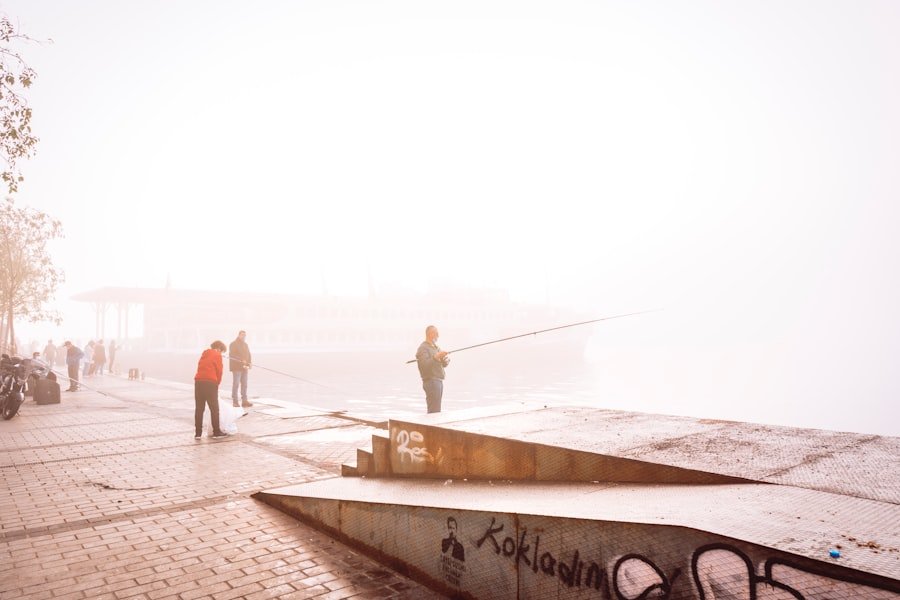
The Karaköy ferry area and approaches to Galata Bridge also provide strong views of the Golden Horn. You do not need a rooftop reservation to enjoy the cityscape; many of the most characteristic views come simply from watching ferries cross the water.
Off-the-Beaten-Path Attractions
One of the most interesting lesser-visited stops is Yeraltı Camii, or the Underground Mosque. GoTürkiye includes it on its official Karaköy walking route. Its low interior and unusual setting create a strong contrast with the neighborhood’s brighter waterfront spaces.
Kılıç Ali Paşa Mosque is another worthwhile architectural stop as you continue toward Tophane. The mosque belongs to a complex associated with the great Ottoman architect Mimar Sinan and provides a historic counterpoint to the contemporary museums and Galataport development nearby.
The Camondo Stairs and historic façades around Bankalar Caddesi also reward visitors who slow down. Rather than treating the street as a passage to Galata Tower, look at the former bank buildings, doorways, stonework, and narrow connecting lanes.
The Museum of Innocence is a worthwhile optional extension, but it should not be described as a Karaköy attraction. Its official address is in Çukurcuma, between the İstiklal area and Tophane. The museum was created by Nobel Prize-winning author Orhan Pamuk and connects objects, memory, and Istanbul life to his novel of the same name.
Likewise, the Spice Bazaar is an optional extension rather than a hidden Karaköy site. Walk across Galata Bridge to Eminönü if you want to add its spices, dried fruit, tea, sweets, and food shops to the same day.
How to Get to Karaköy and Follow a Simple Walking Route
Karaköy is one of the easier central Istanbul neighborhoods to reach without a car. Depending on where you start, you can arrive by tram, ferry, metro plus a downhill walk, or on foot across Galata Bridge.
- By tram: Use the T1 line and get off at Karaköy.
- By ferry: Karaköy’s piers connect the neighborhood with other parts of Istanbul and make the arrival itself part of the sightseeing.
- By metro: Şişhane on the M2 line is uphill; SALT advises using the Karaköy exit for access to SALT Galata.
- From Eminönü: Walk across Galata Bridge and arrive directly in the Karaköy waterfront area.
A Simple Three-to-Four-Hour Karaköy Walk
- Start near the Karaköy tram stop or ferry pier.
- Walk inland to Bankalar Caddesi.
- Visit SALT Galata.
- Stop at the Camondo Stairs.
- Continue uphill into Galata if you want to visit Galata Tower.
- Walk back downhill through the side streets.
- Stop for baklava or another meal in Karaköy.
- Continue east toward Yeraltı Camii, Kılıç Ali Paşa Mosque, Istanbul Modern, and Galataport.
- Finish at the waterfront around sunset.
Three to four hours is enough for a relaxed neighborhood walk without long museum visits. Add more time if you plan to enter Galata Tower, Istanbul Modern, the Jewish museum, or several galleries.
Insider Tips for Exploring Karaköy
Visit earlier in the day if you want quieter streets and easier photography around Bankalar Caddesi, Camondo Stairs, and the lanes climbing toward Galata. Late afternoon works better if your priority is the waterfront and sunset.
Wear comfortable shoes. Karaköy itself is compact, but the streets toward Galata are steep, and older surfaces can be uneven. Travelers with reduced mobility should check accessibility details for individual museums and attractions rather than assuming every historic building is step-free.
Leave room for unplanned stops. Karaköy works better as a walking neighborhood than as a checklist. A doorway, bookstore, gallery, café, or side street may be more memorable than a place that appeared in an old “top ten” list.
Check official websites on the day of your visit for museum hours, ticket prices, religious-site access, temporary closures, and exhibitions. These details change more often than the historic landmarks themselves.
Karaköy is most rewarding when you see its different layers together: the old financial district, Galata’s medieval landmark, Jewish and Islamic heritage, independent food businesses, contemporary art institutions, ferry traffic, and the rebuilt waterfront. That combination explains the neighborhood far better than any single café or viewpoint.
Sources
- GoTürkiye — Karaköy — official tourism guidance for the Karaköy walking route, Camondo Stairs, SALT Galata, Yeraltı Camii, Galata Tower, and waterfront sights.
- Republic of Türkiye Ministry of Culture and Tourism — Galata Tower Museum — tower history, museum status, location, and current visitor information.
- SALT — SALT Galata — building history, Imperial Ottoman Bank connection, exhibitions, research spaces, and visitor information.
- Neve Shalom Foundation — synagogue history and opening date.
- Istanbul Modern — current museum location, facilities, access, and visitor information.
- Galataport Istanbul — current waterfront, transport, cultural venues, retail, and visitor services.
Frequently Asked Questions
What is Karaköy known for?
Karaköy is known for its waterfront location, historic banking streets, ferry connections, cafés, restaurants, art spaces, old religious buildings, design shops, and easy access to neighboring Galata. Major cultural stops include SALT Galata, Istanbul Modern, and the Galataport waterfront.
What are some hidden gems in Karaköy?
Good lesser-visited stops include Bankalar Caddesi, the Camondo Stairs, Yeraltı Camii, historic side streets below Galata, changing street art, and smaller galleries and shops. SALT Galata is also worth entering for its architecture and Ottoman Bank history.
What kind of cuisine can be found in Karaköy?
You can find Turkish breakfasts, seafood, börek, baklava, modern Turkish cooking, specialty coffee, international food, and casual street-side dining. Karaköy Güllüoğlu is one of the neighborhood’s best-known long-running stops for baklava.
Is Karaköy a good place for shopping?
Yes. Karaköy has independent boutiques, design stores, specialty food shops, books, jewelry, clothing, ceramics, and gifts. Galataport adds a larger and more polished collection of local and international retail options along the waterfront.
What is the best way to explore Karaköy?
Walking is the best way to explore Karaköy. Start near the tram stop or ferry pier, walk through Bankalar Caddesi and SALT Galata, climb toward the Camondo Stairs and Galata if desired, then return downhill for food before finishing at Istanbul Modern and the Galataport waterfront.
How much time do you need in Karaköy?
Allow about three to four hours for a relaxed walk with food and photo stops. Plan a half day or longer if you also want to enter Galata Tower, Istanbul Modern, SALT exhibitions, or other museums.
Are Galata Tower, the Museum of Innocence, and Spice Bazaar in Karaköy?
Not exactly. Galata Tower is uphill in neighboring Galata, the Museum of Innocence is in Çukurcuma, and the Spice Bazaar is in Eminönü. All three can be combined with Karaköy, but they should be treated as nearby extensions rather than sights located directly inside the neighborhood.