

The London Underground, often referred to as “the Tube,” is one of the most iconic and extensive metro systems in the world. Spanning 402 kilometers and comprising 11 lines, it serves 272 stations, making it a vital component of London’s public transport network. The system first opened in 1863, and since then, it has evolved into a complex web that connects not only central London but also its suburbs.
The Underground is known for its distinctive roundel logo and the famous map designed by Harry Beck, which simplifies navigation through the sprawling network. Each line is color-coded, allowing passengers to easily identify their route and transfer points. Navigating the Tube can be an exhilarating experience, especially for first-time visitors.
The trains run frequently, with peak hours seeing trains every two to three minutes. However, during rush hour, the platforms can become crowded, and it’s essential to be mindful of etiquette—standing on the right side of escalators and allowing passengers to exit before boarding are key practices. The introduction of contactless payment methods, such as Oyster cards and contactless debit/credit cards, has streamlined the process of fare payment, making it easier for travelers to hop on and off without fumbling for cash.
Additionally, real-time updates on train schedules and service disruptions are available through various apps and digital displays at stations, enhancing the overall travel experience.
Key Takeaways
- The London Underground is the oldest underground railway in the world and is a convenient way to travel around the city.
- Navigating London by bus is a cost-effective way to see the city and offers a unique perspective of the landmarks and neighborhoods.
- Exploring London on foot allows for a more intimate experience of the city’s iconic sights and hidden gems.
- Taking advantage of London’s bike share program is a fun and eco-friendly way to get around the city while staying active.
- Using London’s riverboat services provides a scenic and relaxing way to travel along the Thames and see the city from a different angle.
Navigating London by Bus
London’s bus network is another integral part of the city’s public transportation system, boasting over 700 routes that cover a vast area. Buses are not only a practical means of getting around but also offer a unique perspective of the city as they traverse through its streets. The iconic red double-decker buses are synonymous with London and provide an opportunity for passengers to enjoy panoramic views from the upper deck.
The bus network operates 24 hours a day, with night buses ensuring that even late-night revelers have a safe way to travel home. One of the advantages of using buses in London is their extensive coverage of areas that may not be directly accessible by the Underground. For instance, while the Tube may take you quickly from one major landmark to another, buses can navigate through neighborhoods and provide access to hidden gems that are off the beaten path.
The bus stops are equipped with electronic displays that indicate when the next bus will arrive, allowing passengers to plan their journeys more effectively. Furthermore, the introduction of low-emission buses has made public transport more environmentally friendly, contributing to London’s goal of reducing air pollution.
Exploring London on Foot
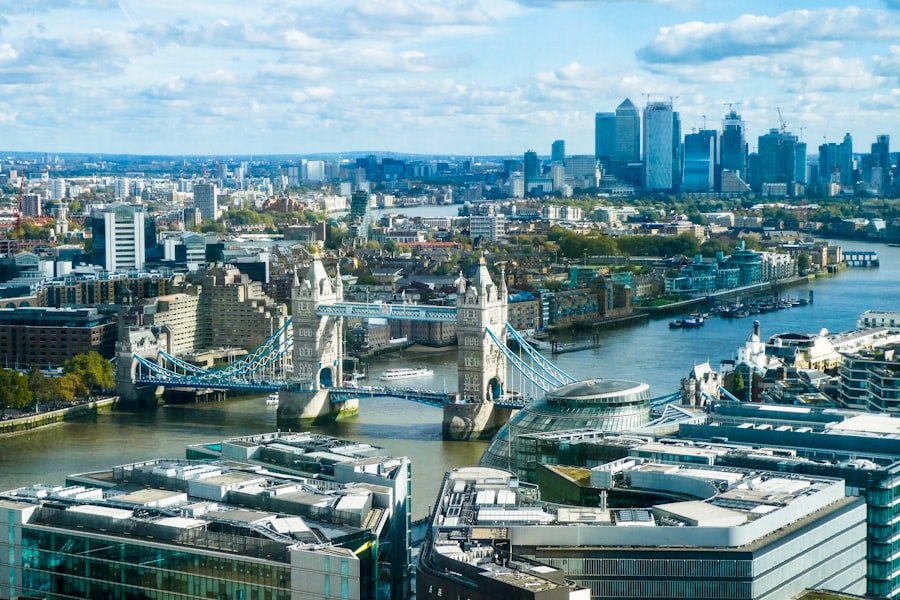
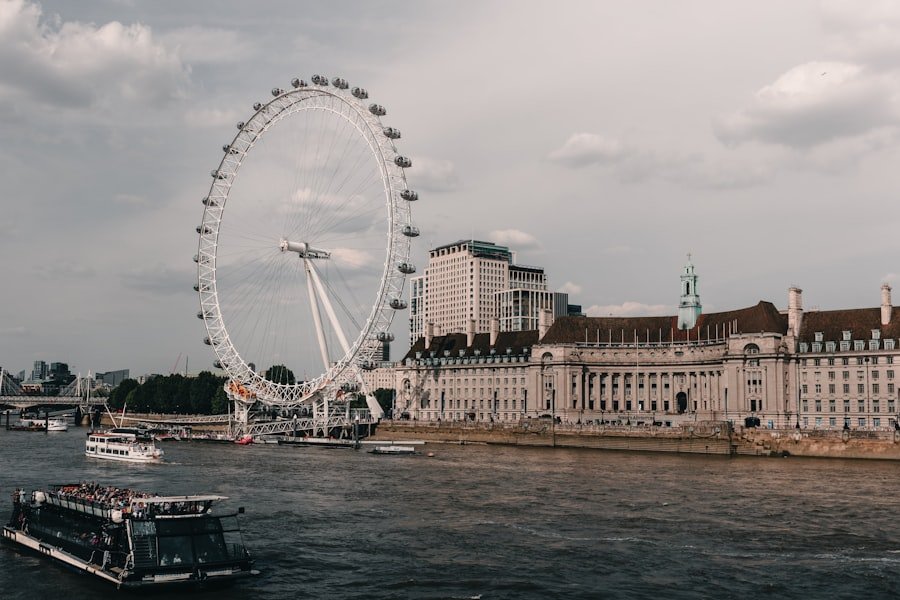
Walking is perhaps one of the most rewarding ways to explore London, as it allows visitors to immerse themselves in the city’s rich history and vibrant culture. Many of London’s most famous attractions are within walking distance of each other, making it easy to create a self-guided tour. Strolling along the River Thames offers stunning views of landmarks such as the Tower Bridge, the Houses of Parliament, and the London Eye.
The South Bank is particularly popular for its lively atmosphere, with street performers, food stalls, and cultural venues lining the waterfront. In addition to major tourist sites, walking through London’s diverse neighborhoods reveals a tapestry of cultures and communities. Areas like Covent Garden are bustling with shops and restaurants, while neighborhoods such as Notting Hill showcase colorful houses and charming markets.
Walking tours are also available for those who prefer a guided experience; these tours often focus on specific themes such as history, architecture, or food. Whether wandering through historic streets or discovering local cafes, exploring London on foot provides an intimate connection to the city that is often missed when traveling by bus or train.
Taking Advantage of London’s Bike Share Program
London’s bike share program, known as Santander Cycles (often referred to as “Boris Bikes” after former mayor Boris Johnson), has transformed how residents and visitors navigate the city. Launched in 2010, this scheme allows users to rent bicycles from docking stations located throughout central London. With thousands of bikes available at over 800 docking points, cycling has become an increasingly popular mode of transport for both commuting and leisure activities.
The first 30 minutes of each ride is free, making it an economical choice for short trips. Cycling in London offers a unique perspective on the city while promoting a healthier lifestyle. Dedicated bike lanes have been developed in many areas to ensure safety for cyclists, although navigating busy streets can still be challenging for those unfamiliar with urban cycling.
The program also includes a mobile app that helps users locate nearby docking stations and check bike availability in real-time. For those who may not feel comfortable cycling on their own, guided bike tours are available that combine sightseeing with cycling expertise, allowing participants to explore various neighborhoods while learning about London’s history and culture.
Using London’s Riverboat Services
The River Thames serves as a vital artery for transportation in London, and riverboat services provide a scenic alternative to traditional modes of transport. Several companies operate riverboat services that connect key locations along the river, including Westminster, Greenwich, and Tower Pier. These boats offer stunning views of iconic landmarks from a unique vantage point on the water.
Passengers can enjoy a leisurely ride while taking in sights such as the Shard, St. Paul’s Cathedral, and the historic Tower of London. Using riverboats can be particularly advantageous during peak travel times when road traffic is heavy.
The boats operate on a regular schedule and can be an efficient way to bypass congestion while enjoying a relaxing journey on the Thames. Additionally, many riverboat services offer hop-on, hop-off options that allow passengers to explore various attractions along the river at their own pace. This flexibility makes it easy to combine sightseeing with transportation, creating a memorable experience that highlights London’s rich maritime heritage.
Hailing a Black Cab in London
Black cabs are an iconic symbol of London’s transportation landscape and are renowned for their distinctive shape and knowledgeable drivers. These taxis are easily recognizable by their black exterior and “TAXI” sign on top. Hailing a black cab is straightforward; they can be flagged down on the street or found at designated taxi ranks throughout the city.
One of the unique features of black cabs is that all drivers must pass “The Knowledge,” an extensive examination that tests their understanding of London’s streets and landmarks. Riding in a black cab offers several advantages beyond mere convenience. The drivers are often friendly and willing to share insights about the city’s history or recommend local attractions.
Additionally, black cabs are equipped with meters that calculate fares based on distance traveled and time taken, ensuring transparency in pricing. For those traveling with luggage or in groups, black cabs provide ample space compared to other forms of transport. While they may be more expensive than public transport options, the comfort and personalized service make them a popular choice for many visitors.
Riding in a London Red Double-Decker Bus
The red double-decker bus is not just a mode of transport; it is an emblematic part of London’s identity. These buses have been in operation since 1910 and continue to be a favorite among both locals and tourists alike. Riding on the upper deck provides an unparalleled view of the city as you traverse its streets, making it an enjoyable way to sightsee while commuting from one destination to another.
The buses are equipped with modern amenities such as Wi-Fi and USB charging ports on some routes, enhancing passenger comfort. The experience of riding a double-decker bus can be particularly magical at night when the city lights illuminate landmarks like Buckingham Palace or Piccadilly Circus. The bus routes cover nearly every corner of London, making them an excellent option for reaching attractions that may not be directly accessible via the Underground.
Additionally, many routes pass by significant sites such as Trafalgar Square and St. Paul’s Cathedral, allowing passengers to hop off at their leisure to explore these iconic locations further.
Booking a Hop-On, Hop-Off Bus Tour
For those looking to maximize their sightseeing experience in London without worrying about navigation or transportation logistics, hop-on, hop-off bus tours present an ideal solution. These tours allow passengers to board at various points throughout the city and disembark at any stop along the route to explore attractions at their own pace before rejoining the tour later. This flexibility makes it easy to visit popular sites such as the British Museum or Buckingham Palace without feeling rushed.
Most hop-on, hop-off tours come equipped with audio guides that provide informative commentary about each landmark along the route. This feature enhances the experience by offering historical context and interesting anecdotes about London’s rich heritage. Additionally, many companies offer themed tours focusing on specific interests such as Harry Potter or historical events in London’s past.
With multiple ticket options available—ranging from single-day passes to multi-day options—these tours cater to various budgets and travel preferences.
Using London’s Overground and DLR Services
London’s Overground network complements the Underground system by providing additional connectivity across various boroughs that may not be served by traditional metro lines. Launched in 2007, this rail service connects key areas such as East London and parts of South London with central locations like Whitechapel and Euston Station. The Overground trains are known for their reliability and comfort, making them an excellent choice for commuters and tourists alike.
The Docklands Light Railway (DLR) is another essential component of London’s transport infrastructure that primarily serves East London and connects areas like Canary Wharf and Greenwich with central hubs. The DLR operates driverless trains that provide stunning views from elevated tracks as they glide through urban landscapes and waterfronts. Both services accept Oyster cards and contactless payments, ensuring seamless travel across different modes of transport within London’s extensive public transport network.
Exploring London by Taxi or Ride-Share Services
In addition to traditional black cabs, ride-share services like Uber have gained popularity in London over recent years. These platforms offer convenience through mobile apps that allow users to request rides from their current location to any destination within the city quickly. Ride-share services often provide fare estimates before booking a ride, giving passengers transparency regarding costs upfront.
While taxis offer a classic London experience with knowledgeable drivers familiar with local routes, ride-share services can sometimes be more cost-effective for short trips or when traveling during off-peak hours when demand is lower. Both options have their merits; taxis provide immediate availability at taxi ranks or through street hails while ride-share services allow for pre-booking rides in advance or scheduling rides for later times—ideal for early morning flights or late-night outings.
Planning Your Transportation in Advance
When visiting London, planning your transportation in advance can significantly enhance your experience by saving time and reducing stress during your trip. Familiarizing yourself with various transport options available—such as buses, trains, riverboats, or taxis—can help you determine which modes best suit your itinerary based on your destinations and preferences. Utilizing mobile apps like Citymapper or Transport for London (TfL) can assist travelers in navigating public transport efficiently by providing real-time updates on schedules and service disruptions while suggesting optimal routes based on current conditions.
Additionally, purchasing an Oyster card or setting up contactless payment methods before arriving can streamline fare payments across different modes of transport throughout your stay in London. By understanding how each mode operates within this vibrant metropolis—from iconic black cabs to scenic riverboats—visitors can create memorable journeys that showcase all that London has to offer while ensuring they make the most out of their time exploring this dynamic city.
If you’re planning a trip to London as a tourist, you’ll definitely want to check out this article on Exploring the Delightful World of Asian Melon. While you’re exploring the city, you’ll want to make sure you know how to get around efficiently. Whether you’re taking the Tube, hopping on a double-decker bus, or using a taxi service, it’s important to have a plan in place. And if you’re looking for a delicious and healthy snack to enjoy while sightseeing, be sure to try this homemade cottage cheese recipe. And on a more somber note, the recent passing of rock legend Ozzy Osbourne has left fans mourning around the world.
FAQs
What are the best ways to get around London as a tourist?
The best ways to get around London as a tourist are by using the London Underground (the Tube), buses, taxis, walking, and cycling.
How does the London Underground work?
The London Underground, also known as the Tube, is a rapid transit system serving London and some parts of the adjacent counties of Buckinghamshire, Essex and Hertfordshire in the United Kingdom. It is the world’s first underground railway system and is a quick and efficient way to travel around London.
Are there any tourist passes or cards for transportation in London?
Yes, there are several tourist passes and cards available for transportation in London, such as the Oyster card, Visitor Oyster card, and the London Travelcard. These passes offer unlimited travel on public transportation within certain zones and can save tourists money on their travels.
Is it easy to walk around London as a tourist?
Yes, it is relatively easy to walk around London as a tourist, especially in the central areas where many of the popular tourist attractions are located. Walking is a great way to explore the city and take in the sights.
Can tourists rent bicycles in London?
Yes, tourists can rent bicycles in London through the city’s bike-sharing scheme called Santander Cycles, also known as “Boris Bikes” after former Mayor of London, Boris Johnson. These bikes are available for hire at various docking stations across the city.