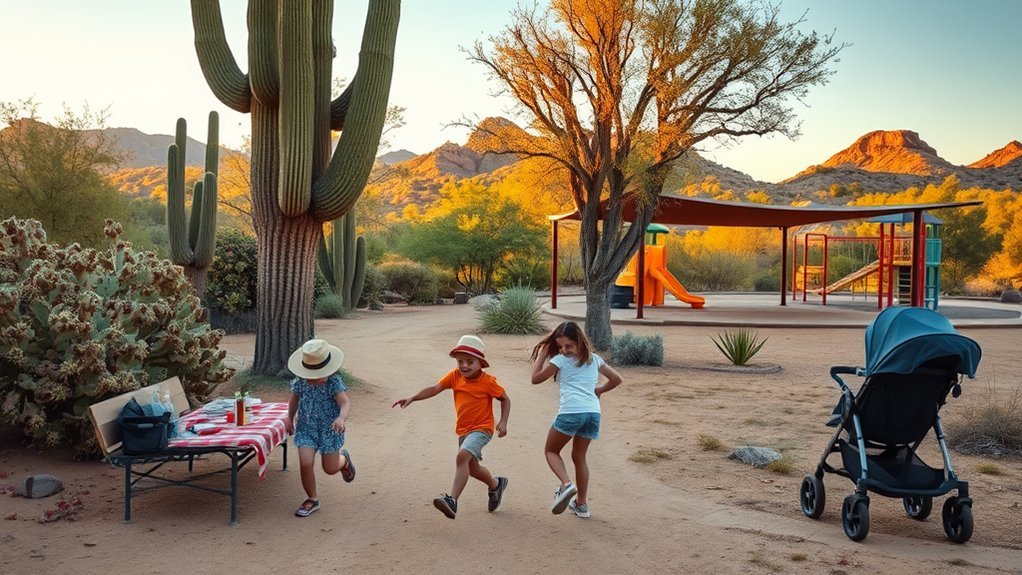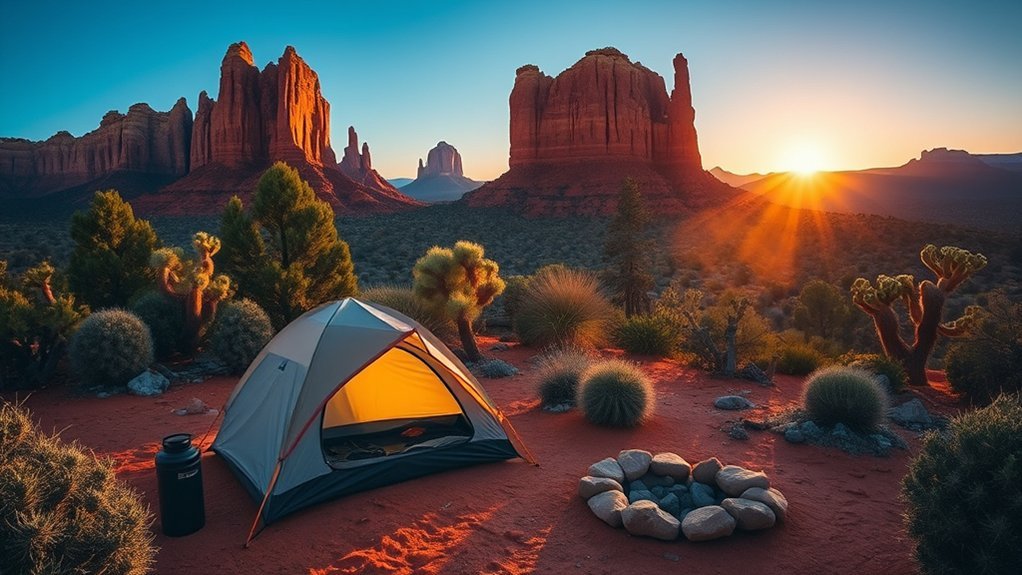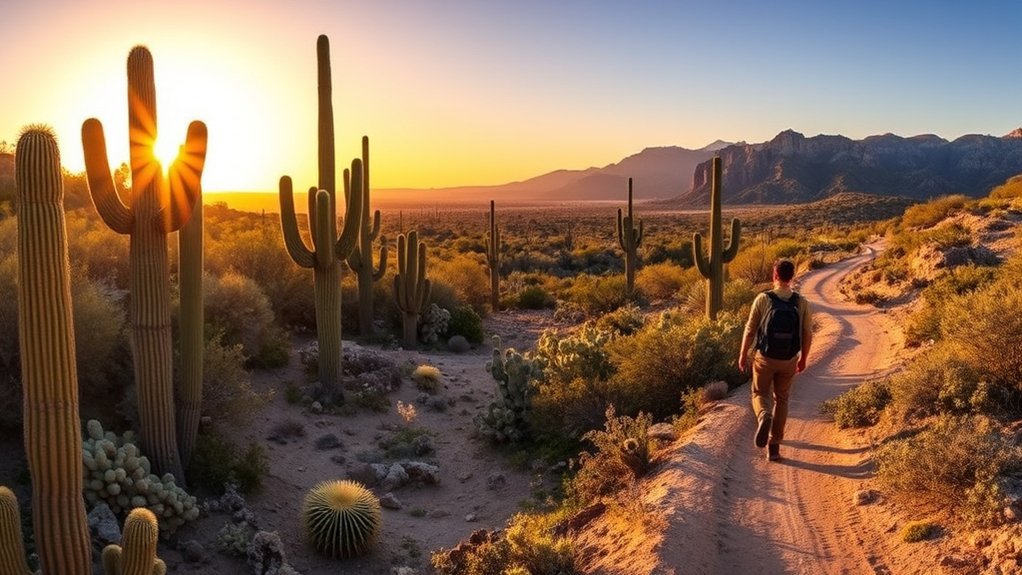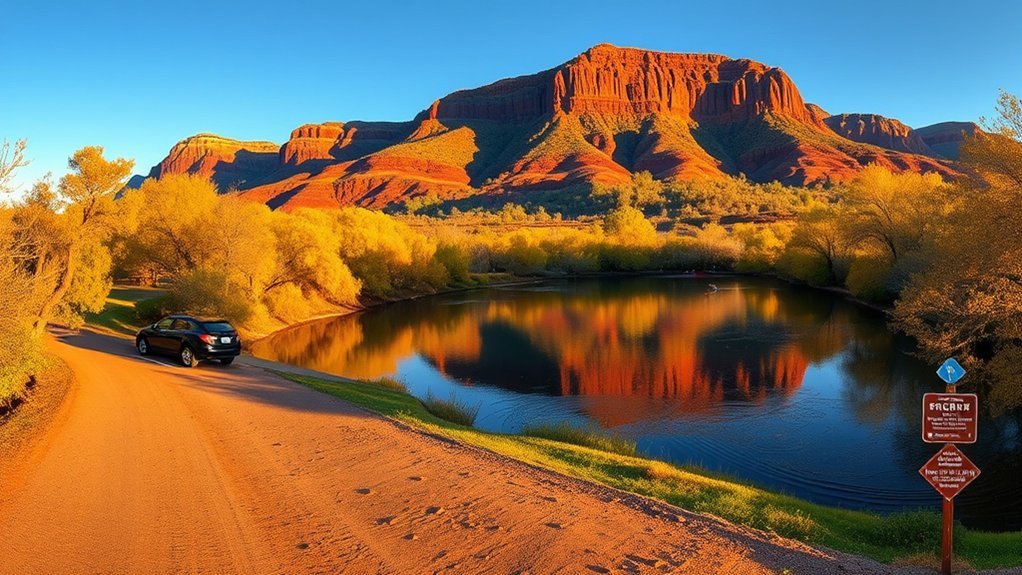
Nestled along the riparian banks of the Verde River in Cottonwood, Arizona, Dead Horse Ranch State Park serves as a scenic, versatile basecamp for exploring the Verde Valley and nearby Sedona red rocks. Spanning over 420 acres at an elevation of 3,300 feet, the park features shaded cottonwood groves, three stocked fishing lagoons, more than 20 miles of multi-use trails, and comprehensive camping facilities ranging from full-hookup RV sites to climate-controlled log cabins. Whether you are paddling the river, hiking to ancient cultural sites, or birdwatching in an internationally recognized Important Bird Area, this complete guide provides the essential details on directions, entrance fees, campsite reservations, trail maps, and seasonal planning.
Quick Answer
Dead Horse Ranch State Park is located in Cottonwood, AZ (approx. 20 minutes from Sedona). Day-use entrance is $7 per vehicle. The park features 100+ RV sites, 8 camping cabins, 3 stocked fishing lagoons, and direct trail access to the Verde River Greenway and Tuzigoot National Monument. Campsites and cabins can be reserved online up to 365 days in advance.
Key Takeaways
- Location & Access: Located at 675 Dead Horse Ranch Rd in Cottonwood, easily reached via AZ-89A and N. 10th Street.
- Fees & Hours: Day-use entry is $7 per vehicle (1–4 adults); park gates are open daily from 7:00 AM to 10:00 PM.
- Camping & Lodging: Offers 100+ RV/tent sites with 30/50-amp hookups across 4 loops, 8 one-room rustic cabins, and group/equestrian camping.
- Outdoor Recreation: Three lagoons stocked with rainbow trout and bass, non-motorized paddling, and 20+ miles of shared-use hiking, biking, and equestrian trails.
- Prime Seasons: Spring (March–May) and Fall (September–November) provide optimal weather for hiking, birding, and river activities.
Getting to Dead Horse Ranch State Park: Directions and Parking
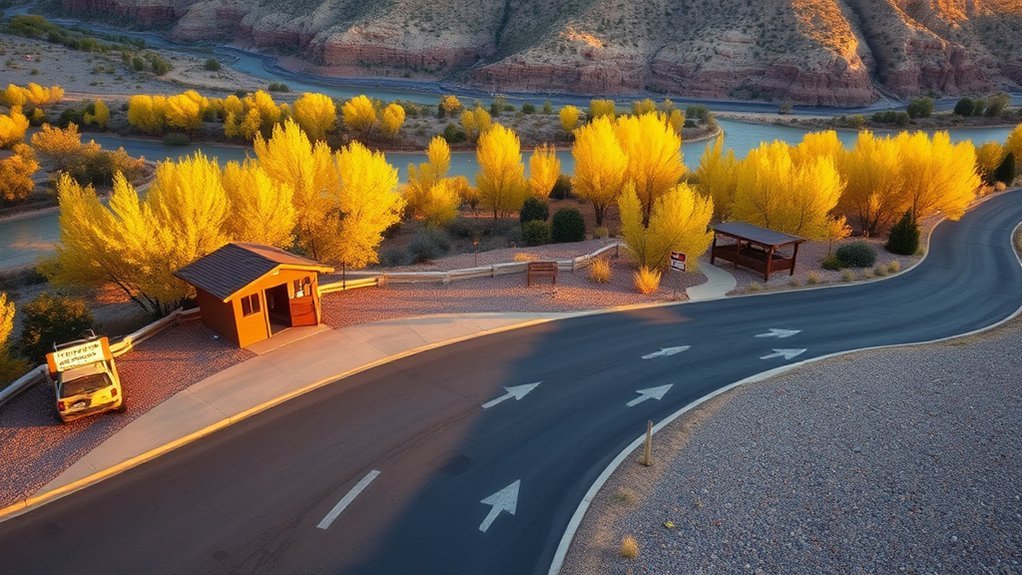
Dead Horse Ranch State Park is situated in the heart of the Verde Valley at 675 Dead Horse Ranch Road, Cottonwood, AZ 86326. Reaching the park entrance is straightforward from major regional hubs:
- From Phoenix (approx. 100 miles / 1.5–2 hours): Take I-17 North to Exit 287 for AZ-260 West toward Cottonwood. Turn right onto AZ-89A North, continue through Cottonwood, turn right onto N. 10th Street, and follow signs onto Dead Horse Ranch Road directly into the park.
- From Sedona (approx. 20 miles / 30 minutes): Follow AZ-89A South into Cottonwood. Turn left onto E. Mingus Avenue or N. Main Street, proceed to N. 10th Street, and turn right onto Dead Horse Ranch Road.
- From Flagstaff (approx. 55 miles / 1 hour): Take I-17 South to Exit 287 (AZ-260 West) to Cottonwood, or take the scenic drive down AZ-89A South through Oak Creek Canyon and Sedona.
Paved day-use parking lots are available near the Visitor Center, the three fishing lagoons, and major trailheads along the Verde River Greenway. Parking is included with your standard paid park admission, though lots fill quickly on peak spring and fall weekends. Accessible parking spaces with paved sidewalk connections are located adjacent to the Visitor Center, lagoon ramadas, and modern restroom facilities.
Pro Tip: If the primary parking lots near Lagoon 1 and Lagoon 2 are full during weekend fishing derbies or the annual Verde Valley Birding Festival, proceed to the River Day Use area or Lagoon 3 overflow spaces for easier parking.
Best Times of Year to Visit the Verde Valley
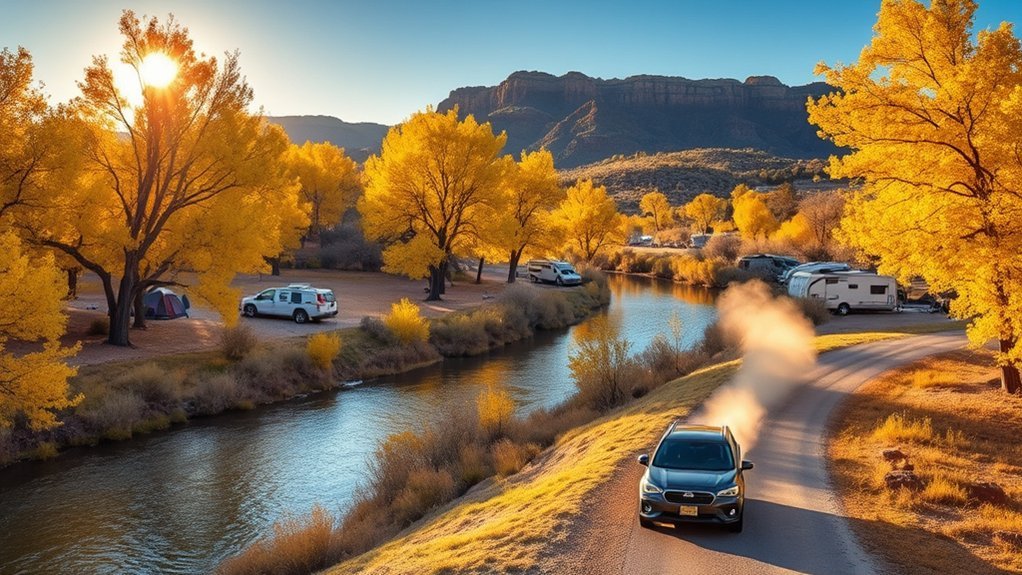
Sitting at an elevation of 3,300 feet, Dead Horse Ranch State Park experiences milder winters than Flagstaff and noticeably cooler weather than the Phoenix metro area. Planning around seasonal variations ensures the best experience for hiking, paddling, and camping.
| Season | Avg High / Low | Highlights & Conditions |
|---|---|---|
| Spring (Mar–May) | 68°F–84°F / 38°F–50°F | Peak wildflower blooms, prime bird migration, and mild daytime temperatures. Ideal for hiking and camping. |
| Summer (Jun–Aug) | 94°F–100°F+ / 62°F–68°F | Hot midday conditions with afternoon monsoon storms in July/August. Best for dawn hikes, river kayaking, and shaded picnics. |
| Fall (Sep–Nov) | 70°F–88°F / 38°F–54°F | Golden cottonwood canopy along the Verde River, comfortable afternoon weather, and excellent seasonal trout stocking. |
| Winter (Dec–Feb) | 55°F–62°F / 30°F–35°F | Crisp, sunny days with chilly nights (occasional light frosts). Low crowd levels and active wintering waterfowl. |
Park Entrance Fees, Permits, and Hours
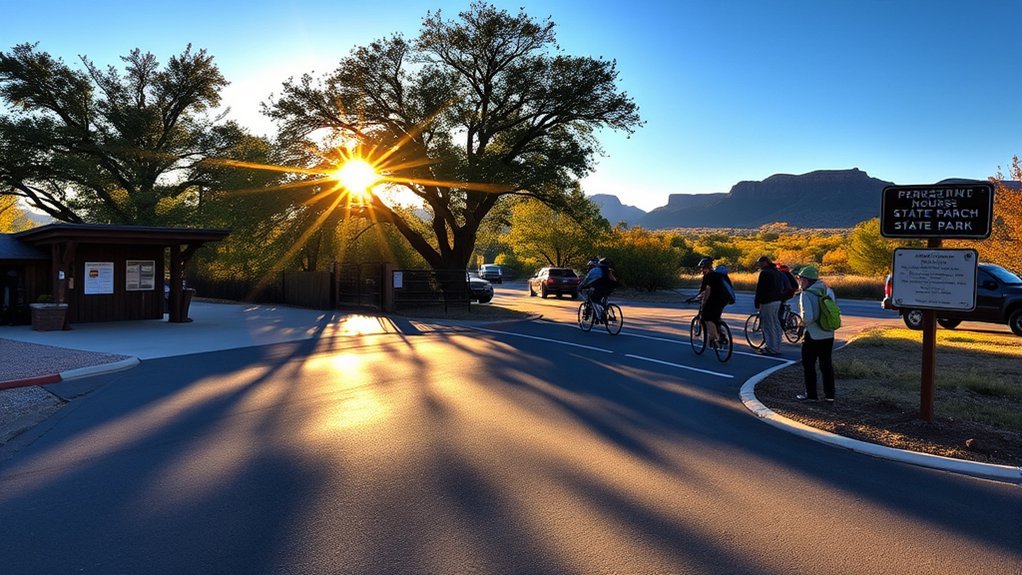
Dead Horse Ranch State Park is managed by Arizona State Parks & Trails. Entrance fees are assessed per vehicle or per individual upon passing through the contact station:
- Day-Use Vehicle Fee (1–4 Adults): $7.00 per vehicle
- Individual / Bicycle / Walk-in: $3.00 per person
- Youth (Ages 0–13): Free admission
- Arizona State Parks Annual Pass: Accepted (Standard Day-Use and Premium Passes)
Operating Hours: The park entrance gates are open daily from 7:00 AM to 10:00 PM year-round. The Visitor Center and Ranger Station operate typically from 8:00 AM to 4:30 PM (hours may adjust slightly on major winter holidays). Self-pay stations accepting exact cash and credit cards are available when the contact station is unstaffed.
Warning: Non-camping day visitors must exit the park prior to gate closure at 10:00 PM. Automated exit gates allow registered campers and cabin guests after-hours entry with an access code provided at check-in.
Camping Options: Tent Sites, RV Hookups, and Group Areas
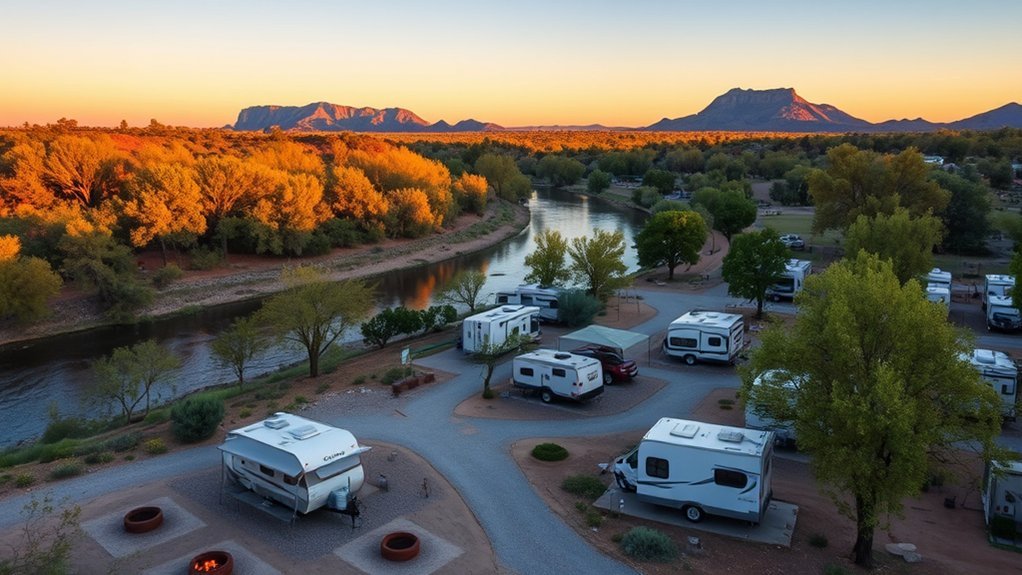
With over 100 developed campsites, modern amenities, and scenic desert-riparian terrain, Dead Horse Ranch is one of the premier public campgrounds in Northern Arizona. Accommodations are organized across four primary camping loops, an equestrian loop, and a dedicated cabin village.
Tent Sites and Amenities
Tent campers can reserve dedicated non-hookup sites or select standard hookup sites nestled under shaded mesquite and cottonwood canopies. Each site features a level gravel tent pad, heavy-duty picnic table, and campfire ring with an adjustable grilling grate. Clean, modern bathhouses equipped with flush toilets and hot, potable showers are located within short walking distance of every camping loop. Potable water spigots and trash receptacles are distributed throughout the grounds.
RV Hookups, Cabins, and Group Areas
Recreational vehicle sites accommodate rigs ranging from 30 to 65 feet in length across four paved loops:
- Quail Loop & Red-Tail Hawk Loop: Offer 30-amp and 50-amp electrical hookups with water access, suitable for medium-to-large motorhomes and travel trailers.
- Raven Loop & Cooper’s Hawk Loop: Feature spacious pull-through and back-in sites with 30-amp and 50-amp service, potable water, and close proximity to trailheads.
- Blackhawk Equestrian Loop: Offers dedicated horse camping sites featuring corrals, water troughs, and ample trailer maneuvering space.
- Sanitary Dump Station: A multi-lane RV dump station with rinse water is located near the campground entrance for registered guests.
- Camping Cabins: The park features 8 rustic, one-room log cabins situated near the lagoons. Each cabin includes heating and air conditioning, a queen bed, bunk bed, dining table, and outdoor picnic area (guests bring their own sleeping bags/linens; no indoor plumbing, but bathhouses sit steps away).
Note: Campsite and cabin reservations can be booked up to 365 days in advance via the official Arizona State Parks online reservation portal. Weekend spots during spring and fall regularly book out 4 to 6 months ahead.
Top Trails: Riverside Walks and Scenic Loops
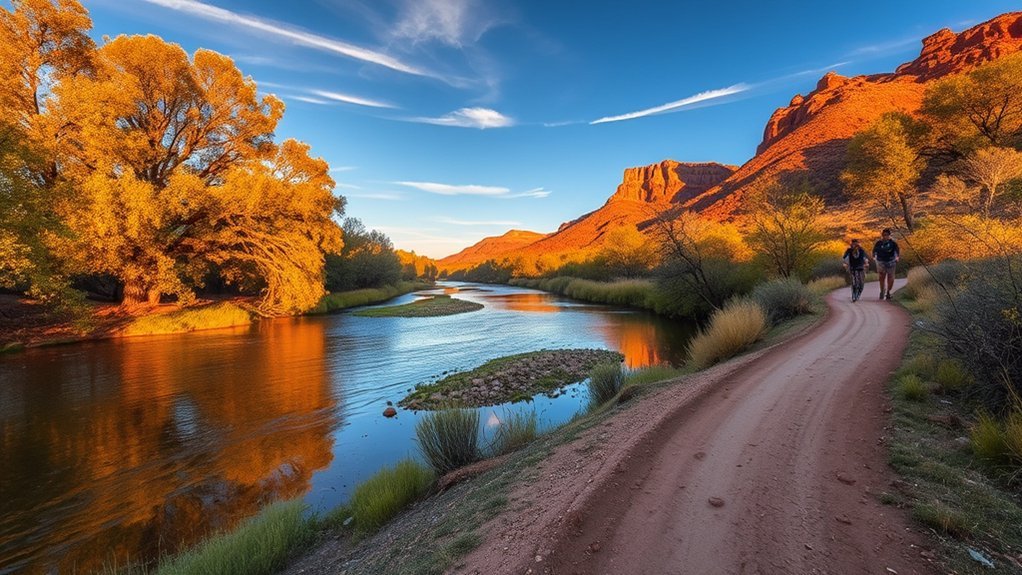
The park boasts over 20 miles of interconnected, shared-use trails suitable for hiking, trail running, mountain biking, and horseback riding. Routes range from barrier-free riverside strolls to rugged foothill climbs connecting with Prescott National Forest and Coconino National Forest lands.
- Canopy Trail (0.5 miles, Easy / ADA Accessible): A flat, paved-to-hardpack loop that winds directly beneath mature Fremont cottonwood groves along the Verde River. Excellent for families, strollers, and low-mobility nature walks.
- Verde River Greenway Trail (2.0 miles, Easy): Parallels the winding course of the Verde River, guiding hikers through riparian willow thickets with multiple sandy beach access points for wading and bird viewing.
- Tavasci Marsh Overlook Trail (1.0 mile, Easy-Moderate): Climbs gently along the northern ridge to panoramic viewpoints overlooking Tavasci Marsh, an ancient oxbow bend and protected freshwater marshland.
- Lime Kiln Trail (15.0 miles one-way, Strenuous): A historic 1800s wagon route connecting Dead Horse Ranch State Park directly to Red Rock State Park in Sedona. Popular for long-distance trail runners, mountain bikers, and equestrians.
- Raptor Hill & Quail Ridge Loops (2.5 to 4.0 miles, Moderate): Traverses rolling limestone hills north of the lagoons, providing sweeping views of Mingus Mountain, Jerome, and the Sedona red-rock escarpment.
Water Activities: Fishing, Kayaking, and Lakeside Picnics
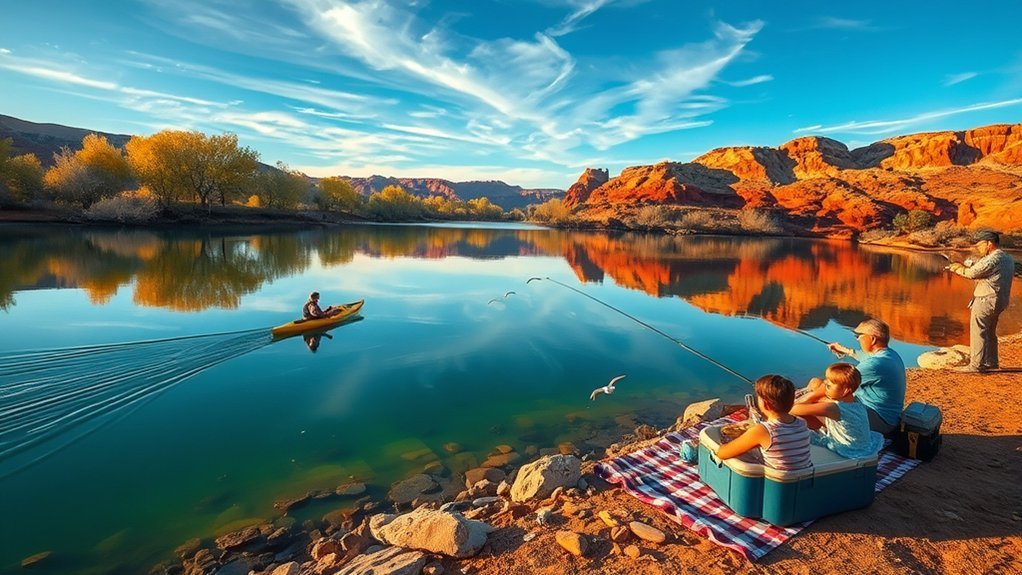
Water is the centerpiece of Dead Horse Ranch State Park. The property features three distinct man-made lagoons spanning several surface acres, fed by river diversions and managed in cooperation with the Arizona Game and Fish Department (AZGFD).
- Lagoon Fishing: Lagoons 1, 2, and 3 are stocked regularly with rainbow trout from November through March. During warmer months, anglers target channel catfish, largemouth bass, and bluegill. Arizona fishing regulations apply; all anglers aged 10 and older require a valid Arizona fishing license or Community Fishing license.
- Paddling & Boating: Non-motorized watercraft—including kayaks, canoes, and stand-up paddleboards (SUPs)—are permitted on the lagoons. A designated boat ramp is located at Lagoon 1. Coast Guard-approved Personal Flotation Devices (PFDs) are required for all paddlers.
- Verde River Access: The park serves as a prime put-in and take-out point for paddlers navigating the Verde River Paddle Trail. Check river flow gauges (measured in cubic feet per second at the Clarkdale/Cottonwood stations) before launching river kayaks.
- Lakeside Picnicking: Shaded ramadas, barbecue grills, and grassy lawns surround the lagoons, making them ideal settings for afternoon family cookouts.
Birdwatching and Wildlife Viewing Tips
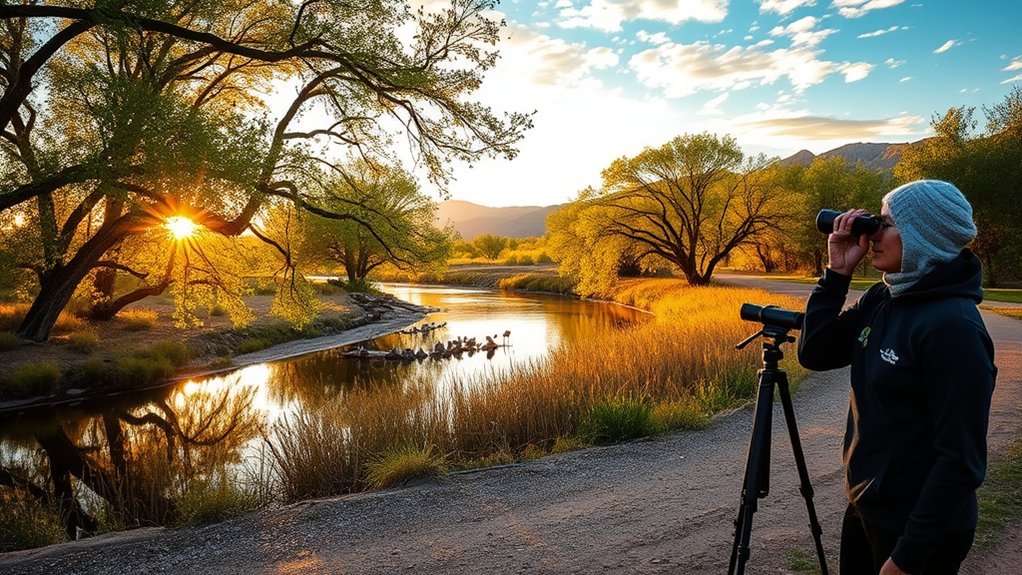
Dead Horse Ranch State Park and the adjacent Tavasci Marsh form part of the globally recognized Tuzigoot Important Bird Area (IBA), designated by the National Audubon Society. Over 200 resident and migratory bird species, along with diverse mammalian wildlife, thrive in this lush desert oasis.
Best Times to Watch
Wildlife activity peaks during the twilight hours at sunrise and dusk:
- Dawn (Spring & Fall Migration): Spot southwestern willow flycatchers, yellow warblers, summer tanagers, vermilion flycatchers, and common black hawks hunting along the river canopy.
- Midday: Observe wintering waterfowl (ring-necked ducks, mallards, and pied-billed grebes) on the lagoons, or watch red-tailed hawks and bald eagles soaring over the ridges.
- Dusk: Mammals frequently emerge near the riverbanks. Look for mule deer, javelina herds, North American river otters, beavers, gray foxes, and ringtails.
Essential Gear to Bring
To maximize sightings without disturbing local wildlife, pack lightweight field optics and protective gear:
- Optics: 8×42 or 10×42 binoculars for general birding; a 20–60x spotting scope for scanning waterfowl across Tavasci Marsh.
- Identification Resources: The Merlin Bird ID or Audubon app, or a regional Sibley/Peterson field guide.
- Apparel: Neutral-colored, breathable clothing to blend into riparian foliage, plus high-DEET insect repellent for mosquitoes near standing water during summer evenings.
Nearby Attractions: Sedona, Jerome, and Local Wineries
Dead Horse Ranch State Park is an exceptional home base for day excursions across central Yavapai County:
- Tuzigoot National Monument (Adjacent): Managed by the National Park Service, this 1,000-year-old, 110-room Sinagua pueblo village sits directly across Tavasci Marsh and connects to the park via the Tavasci Marsh trail system.
- Historic Old Town Cottonwood (5 minutes away): Features artisan tasting rooms, farm-to-table dining, craft breweries, and antique shops along North Main Street.
- Jerome State Historic Park & Ghost Town (15 minutes away): Perched on the steep slopes of Cleopatra Hill, the former copper mining boomtown of Jerome offers historic museums, art studios, and panoramic valley views.
- Verde Valley Wine Trail: Tour acclaimed local vineyards and tasting rooms in Cottonwood, Cornville, Page Springs, and Clarkdale showcasing regional Syrah, Viognier, and Sangiovese.
- Sedona Red Rock Country (25 minutes away): World-famous hiking trails including Cathedral Rock, Bell Rock, and West Fork of Oak Creek are an easy morning drive from your campsite.
“Dead Horse Ranch State Park combines the tranquility of an Arizona river sanctuary with direct access to Verde Valley wine country, ancient pueblos, and Sedona red rocks.”
Packing Checklist and Safety Tips for Your Visit
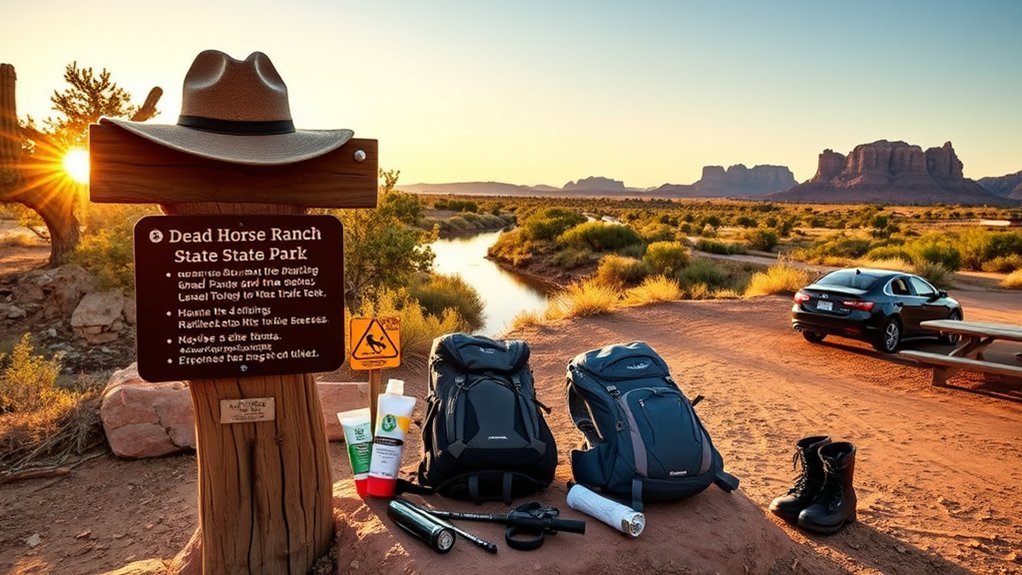
Proper preparation ensures a safe, comfortable visit to the high-desert riparian environment of Cottonwood:
- Hydration: Carry a minimum of 2 to 3 liters of water per person for day hikes; drink regularly even when hiking in winter or under shaded cottonwoods.
- Sun Protection: Broad-spectrum SPF 30+ sunscreen, UV-blocking sunglasses, and a wide-brim sun hat.
- Footwear: Sturdy, closed-toe hiking shoes or trail runners with lugged traction for rocky limestone ridgelines.
- Navigation: Download offline trail maps (via AllTrails or Avenza) prior to arrival, as cell coverage can drop in riparian depressions.
- Wildlife Etiquette & Safety: Keep a safe distance from javelinas, coyotes, and snakes. Arizona is home to western diamondback rattlesnakes; always watch foot placement when stepping over logs or rocks.
- Monsoon Awareness: During July and August, watch afternoon skies for building storm clouds. Flash floods can rapidly alter river levels and canyon washes.
Frequently Asked Questions
Are pets allowed on trails and in campsites at Dead Horse Ranch State Park?
Yes. Leashed pets are welcome in all campgrounds, day-use picnic areas, and along most developed park trails. Pets must be kept on a leash no longer than 6 feet at all times, and owners must clean up after their animals. Pets are not permitted inside public buildings or inside the rental cabins.
Are campfires permitted year-round or are there seasonal fire bans?
Campfires are permitted in designated campground fire rings when Stage 1 or Stage 2 fire restrictions are not in effect. During periods of elevated wildfire danger in late spring and early summer, state park rangers may enact temporary wood and charcoal fire bans (gas/propane stoves are typically still allowed). Check current fire restriction status at the contact station upon arrival.
Is cell phone service reliable throughout the park?
Cell phone reception is generally good to moderate across the camping loops, Visitor Center, and elevated ridges using major carriers (Verizon, AT&T, and T-Mobile). Signal strength can weaken in low-lying river thickets along the Verde River Greenway and within Tavasci Marsh. Downloading maps offline in advance is recommended.
Are there accessible facilities for visitors with disabilities?
Yes. Dead Horse Ranch State Park provides ADA-accessible parking spaces, wheelchair-accessible restrooms and shower facilities in camping loops, paved pathways around the Visitor Center, and accessible fishing platforms and ramadas at the lagoons. The 0.5-mile Canopy Trail offers a flat, accessible surface under the cottonwoods.
Can I reserve specific campsite or cabin numbers in advance?
Yes. The Arizona State Parks online reservation system allows you to view interactive campground maps and reserve your exact campsite, RV hookup site, or camping cabin number up to 365 days in advance.
Conclusion
Dead Horse Ranch State Park stands out as one of Arizona’s most well-appointed state parks, seamlessly balancing outdoor adventure with modern camping comforts. Whether casting a line into stocked lagoons, hiking under the canopy of towering cottonwood trees along the Verde River, or using your campsite as a springboard to explore Jerome, Tuzigoot, and Sedona, this Verde Valley gem delivers an authentic desert-river experience. Reserve your campsite early, pack your binoculars, and discover one of Northern Arizona’s finest state park escapes.
Sources
- Arizona State Parks & Trails — Official Dead Horse Ranch State Park regulations, fees, facility maps, and reservation policies.
- Arizona Game and Fish Department — Stocking schedules, fishing regulations, and licensing requirements for the Verde Valley lagoons.
- National Park Service — Tuzigoot National Monument cultural history, trail connections, and resource management.
- National Audubon Society — Important Bird Area (IBA) documentation for Tavasci Marsh and the Verde River riparian corridor.