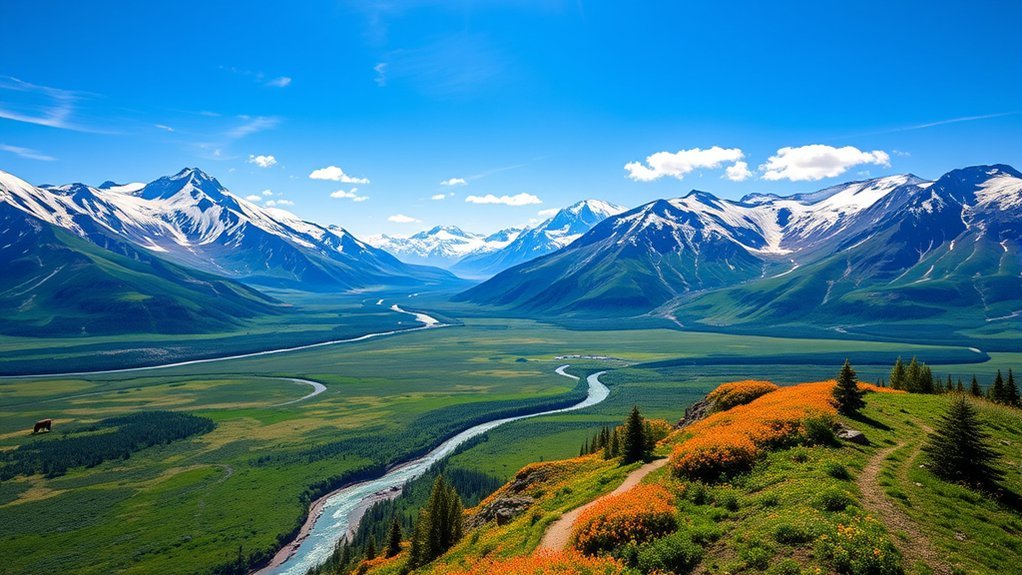
Planning a trip to Denali National Park & Preserve takes more than choosing a date and driving to the entrance. Road access, bus service, weather, wildlife rules, fees, and seasonal closures can all affect your plans. This guide covers the key details you need to know before visiting, including transportation, the best time to go, hiking, camping, pets, and safety.
Quick Answer
The best time for a full summer-style visit to Denali is generally from late May through early September, when most visitor services operate. Check current road conditions before traveling because the Pretty Rocks landslide has changed access inside the park. Summer visitors also need to plan around bus service, wildlife rules, weather, and limited cell coverage.
Key Takeaways
- Denali covers more than six million acres and contains North America’s highest mountain at 20,310 feet.
- Summer is the main visitor season, with most services operating from late May into September.
- The park’s road-access situation has changed because of the Pretty Rocks landslide, so check current conditions before your trip.
- The standard entrance pass is $15 per person for visitors age 16 and older; children 15 and younger enter without an entrance fee.
- Wildlife is wild and unpredictable. Stay at least 300 yards from bears and 25 yards from other animals.
- Camping is available in designated campgrounds, while backcountry overnight trips require a permit.
At a Glance
| Best Main Season | Late May through early September for the broadest range of visitor services |
| Difficulty | Easy walks to strenuous hikes; much of Denali is trail-less wilderness |
| Tools Needed | Layers, rain gear, sturdy footwear, water, food, navigation tools, binoculars, and bear spray for hiking |
| Cost | $15 standard entrance pass per person age 16+; bus trips, camping, food, and lodging can cost extra |
Overview of Denali National Park
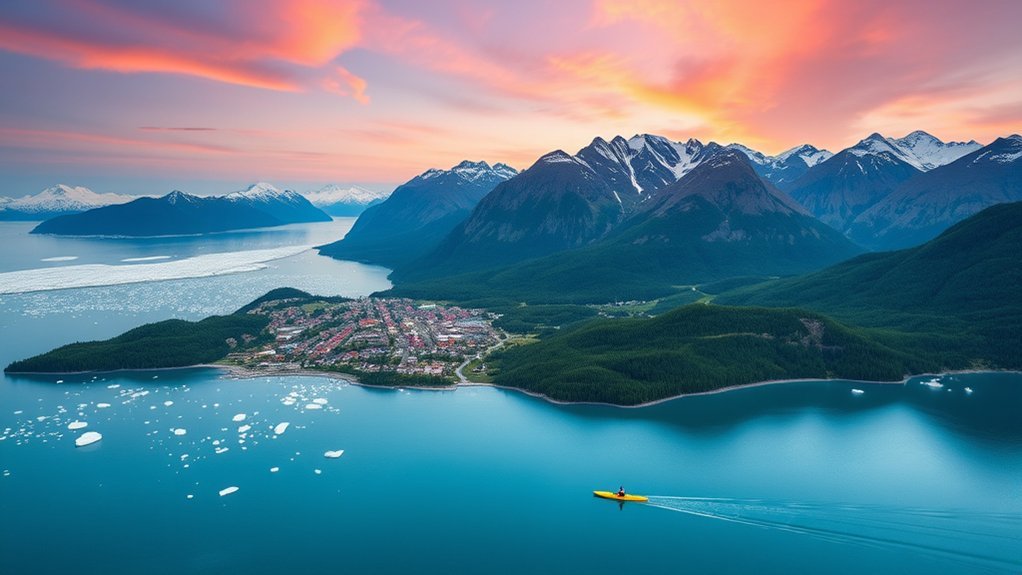
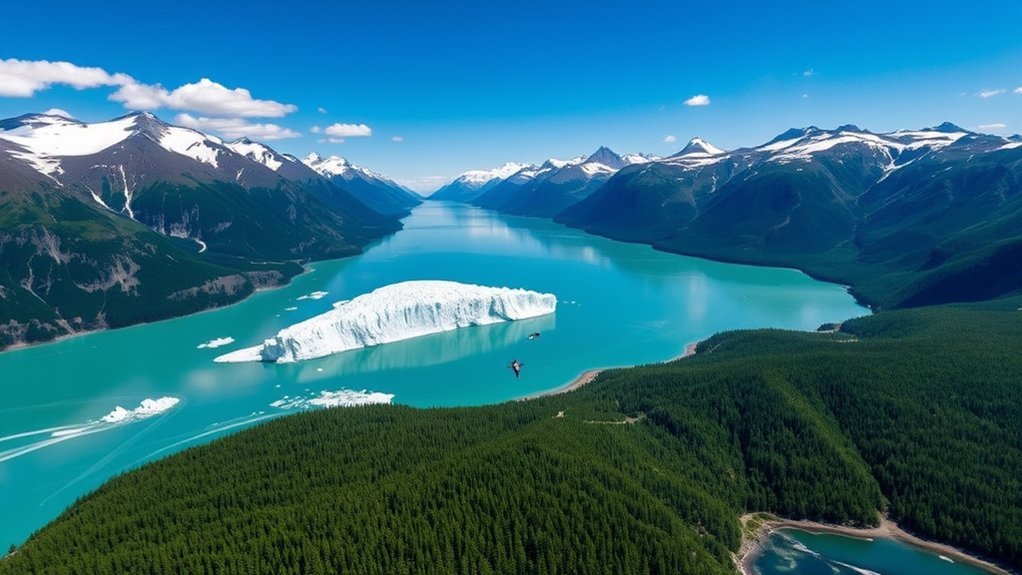
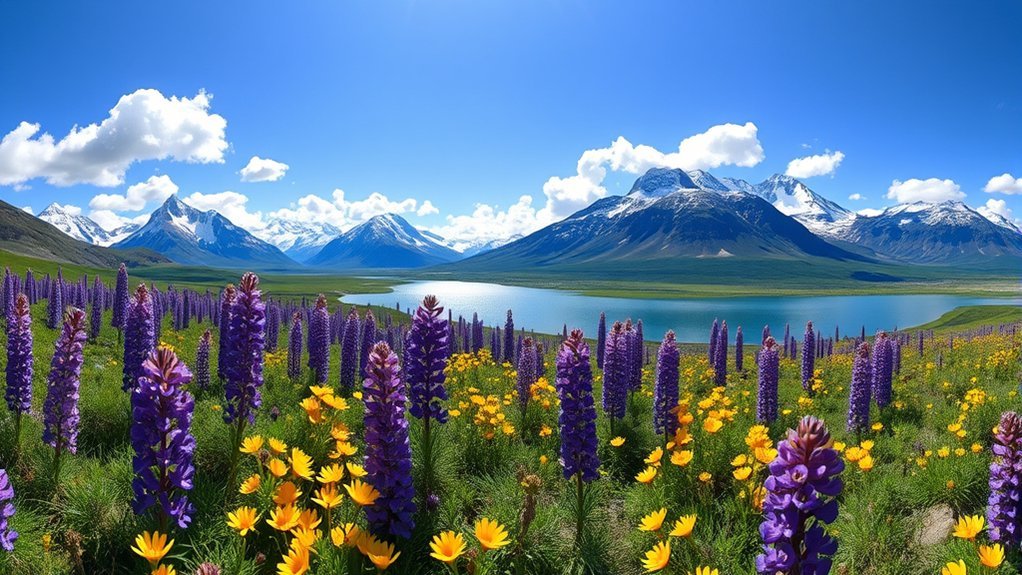
Denali National Park & Preserve covers more than six million acres in Interior Alaska. The park includes Denali, North America’s highest mountain, with a summit elevation of 20,310 feet. The landscape changes from taiga forest to alpine tundra and high mountains as you travel farther into the park. The National Park Service describes Denali as about six million acres of wild land.
Wildlife is one of the main reasons people visit. Commonly sought species include grizzly bears, moose, caribou, Dall sheep, and wolves. The park also records a wide range of bird species. Current NPS statistics list 172 recorded bird species rather than the older “over 200” figure sometimes used in general travel articles.
Denali is also different from many national parks because much of the landscape is not crossed by developed hiking trails. Visitors can use established trails near the entrance or travel into the larger wilderness where appropriate, but off-trail hiking requires careful navigation, wildlife awareness, and preparation.
Getting There: Transportation Options
Denali is accessible by road, rail, and bus services. The park entrance is along the George Parks Highway, Alaska 3, about 237 miles north of Anchorage and about 120 miles south of Fairbanks. The Alaska Railroad also provides summer service from Anchorage and Fairbanks.
| Transportation Option | Best For | Key Point |
|---|---|---|
| Rental Car | Flexibility | Useful for reaching the park and nearby communities; private-vehicle access inside the park is restricted seasonally. |
| Alaska Railroad | Scenic travel | Summer passenger service connects Denali with Anchorage and Fairbanks. |
| Denali Transit Bus | Independent park travel | Non-narrated buses are a primary way to travel farther into the park during the summer season. |
| Narrated Tour Bus | Guided sightseeing | Includes narration and is designed for visitors who want a structured sightseeing experience. |
| Intercity Bus | Car-free travel | Useful for reaching the Denali area from other parts of Alaska during the operating season. |
Once you arrive, do not assume that your car can take you deep into the park. In the normal summer system, private vehicles are restricted beyond the Savage River area around Mile 15. NPS recommends transit and tour buses for travel farther into the park. Seasonal shoulder periods can allow more private-vehicle access when road and weather conditions permit.
Warning: Road access is especially important in 2026. The Pretty Rocks landslide has resulted in a closure of the Denali Park Road at Mile 42, and the Eielson Visitor Center is currently inaccessible. Check the NPS current conditions page shortly before your trip because road and facility status can change.
Best Times to Visit
The best time to visit Denali depends on what you want to do. For the widest range of visitor services, late May through early September is the most practical period. Summer brings longer daylight, operating visitor facilities, bus service, hiking opportunities, and access to many campgrounds.
The main summer operating season generally runs from May 20 into mid-September. Services become more limited outside that period, while winter brings a very different experience with fewer open facilities and more difficult travel conditions.
June through August is a strong choice for visitors who want long daylight hours and broad access to summer activities. Late August and September can provide fall colors and darker skies, which improve the opportunity to see the aurora. An aurora sighting is never guaranteed, however.
Early May and late September can be quieter, but shoulder-season visitors should expect reduced services and changing road conditions. Always check the current operating schedule before choosing a shoulder-season trip.
Denali’s main summer season offers the broadest visitor services, while late summer and early fall can add changing foliage and darker skies for possible aurora viewing.
Park Entrance Fees and Passes
Denali charges an entrance fee year-round. The current standard entrance pass costs $15 per person for visitors age 16 and older. Children age 15 and younger do not need an entrance pass.
The standard entrance fee provides a seven-day entrance permit. Denali also offers a $45 annual park pass, and eligible visitors can use an America the Beautiful national parks pass instead. The America the Beautiful pass can be useful if you plan to visit multiple federal recreation sites during the year.
The entrance fee is separate from other expenses. Bus tickets, campground stays, food, lodging, and some activities can require additional payment. The park is also cashless, so plan to use an accepted electronic payment method or purchase an eligible pass in advance.
Check the NPS Fees & Passes page before traveling because prices, payment procedures, and free-entry dates can change.
Wildlife Viewing Opportunities
Wildlife viewing is one of Denali’s biggest attractions, but sightings are never guaranteed. Grizzly bears, moose, caribou, Dall sheep, wolves, and many birds live across the park. Your chances depend on location, weather, season, animal behavior, and simple luck.
Bus travel can provide good opportunities to scan valleys, river corridors, slopes, and open tundra. Bring binoculars and keep your camera ready, but do not approach an animal for a closer photograph.
Early and late in the day can be productive periods for wildlife activity, but there is no single guaranteed viewing time. Give yourself plenty of time and let the animals determine the distance.
Pro Tip: In Denali, wildlife viewing is about patience. Scan slowly with binoculars instead of expecting animals to appear directly beside the road. Ask park staff about recent wildlife activity before heading out.
Hiking Trails and Outdoor Activities
Denali offers both developed trails and extensive off-trail wilderness travel. Near the entrance, established trails make it easier to plan a short walk. Farther into the park, hikers may travel across open terrain without a conventional trail, which requires stronger navigation and wilderness skills.
Weather can change quickly, and snow can occur during much of the year. Bring layers, rain protection, adequate food and water, and navigation equipment. For longer hikes, travel with a partner or group and make sure someone knows your plans.
Popular Hiking Trails
Several official trails near the entrance provide options for different fitness levels. Trail conditions and access can change, so check current NPS information before starting a hike.
| Trail | Distance | What to Expect |
|---|---|---|
| Savage River Loop | 1.7 miles round trip | Easy loop beside the Savage River with little elevation change |
| Mount Healy Overlook Trail | 2.7 miles one way | Steep climb with about 1,700 feet of elevation gain |
| McKinley Station Trail | 1.6 miles one way | A developed trail connecting the Denali Visitor Center area with Riley Creek Campground |
| Triple Lakes Trail | 9.5 miles one way | The longest official trail in Denali, with substantial elevation change |
The NPS hiking information provides current trail details. The Mount Healy Overlook Trail is particularly demanding because the climb becomes steep near the end. Triple Lakes is much longer and should be treated as a serious day hike rather than a casual walk.
Wildlife Viewing While Hiking
Hiking in Denali means sharing the landscape with wild animals. You may encounter bears, moose, caribou, Dall sheep, wolves, or smaller wildlife. The safest approach is to prevent close encounters rather than react after an animal is already nearby.
Stay at least 300 yards from bears and at least 25 yards from other wildlife, dens, and nests. If an animal changes its behavior because of your presence, you are too close.
When hiking, travel with a group, make your presence known in areas with poor visibility, and avoid headphones that prevent you from hearing what is around you. Bear spray is strongly encouraged for hikers in Denali.
Warning: Never run from a bear. If you encounter one, your response should depend on its behavior. Keep your bear spray accessible, do not approach the animal, and follow the current guidance from the National Park Service wildlife-safety guidance.
Scenic Drives and Visitor Centers
The Denali Park Road is the park’s main transportation corridor. It extends 92 miles into the park under normal infrastructure conditions, but the entire road is not available to private vehicles during the regular summer season. Current road closures can also limit how far buses and other visitors can travel.
Popular Scenic Routes
Rather than treating different roads as separate scenic drives, it is more accurate to think of the Denali Park Road as one long corridor with different access points and viewpoints.
| Area | Highlights | Access Consideration |
|---|---|---|
| Park Entrance to Mile 15 | Forests, rivers, short hikes, visitor facilities | Private-vehicle access is available in this front section during the normal summer system. |
| Beyond Savage River | Broader wilderness views and wildlife habitat | Summer access is primarily by park bus rather than private car. |
| Mile 42 and beyond | Interior wilderness and higher-elevation scenery | Access is affected by the Pretty Rocks landslide and current road closure conditions in 2026. |
The road itself is an important part of the Denali experience, but visitors should not plan their trip around reaching a specific mile marker without checking current conditions. Road work, landslides, wildlife activity, weather, and seasonal operations can affect access.
Visitor Center Amenities
The Denali Visitor Center is the main visitor information facility near the park entrance. It provides exhibits, maps, ranger assistance, park information, and other visitor services during its operating season. It is located at Mile 1.5 of the Denali Park Road.
The center can help visitors understand current conditions, transportation options, hiking opportunities, and wildlife-safety concerns. It is a useful first stop even if you already have a detailed itinerary.
The Eielson Visitor Center is much farther into the park, at Mile 66. However, current 2026 road restrictions related to the Pretty Rocks landslide mean it is currently closed to visitors. Check the latest NPS status before planning around any interior visitor facility.
Planning Your Visit
A successful Denali trip starts with checking the park’s operating dates and current conditions before leaving home. The park is open year-round, but services vary sharply by season.
- Check road status: Review current conditions before relying on any route or destination inside the park.
- Book buses early: Summer bus trips can be popular, and reservations are available ahead of the travel season.
- Check campground status: Campgrounds have different opening dates and access rules. Wonder Lake Campground is closed through 2026.
- Plan for weather: Rain, cold temperatures, wind, and even snow can occur outside the warmest part of summer.
- Prepare for limited cell service: NPS notes that reliable cell coverage does not extend far beyond the entrance area.
- Carry navigation and emergency supplies: Do not depend on a phone connection when hiking away from developed areas.
Camping and Lodging
Camping is available in designated campgrounds, with options for tents and, at some locations, RVs. Current NPS information lists Riley Creek, Savage River, Sanctuary River, Teklanika River, and Igloo Creek as available campgrounds, while Wonder Lake Campground is closed through 2026.
Campground rules vary by location. Some campgrounds are accessible by vehicle, while others require bus transportation and are tent-only. Teklanika River Campground has additional rules for visitors who drive there.
Overnight backcountry camping is different from staying at a developed campground. Visitors who want to camp outside designated campgrounds must obtain a backcountry permit and follow the park’s wilderness requirements.
For a current list of campground dates, fees, reservation procedures, and restrictions, use the NPS campground information before booking.
What to Pack for Denali
Pack for changing conditions rather than one expected temperature. Rainy, chilly weather is possible even during summer, and snow can occur during many months of the year.
- Layered clothing that can be adjusted during the day
- Waterproof rain gear
- Sturdy hiking footwear
- Warm hat and gloves for cooler conditions
- Water and high-energy food
- Binoculars for wildlife viewing
- Offline maps or other reliable navigation tools
- Headlamp or flashlight
- Bear spray for hiking, with training on how to use it
- Sun protection and insect protection
Do not rely on a weather forecast alone. Conditions can change quickly, especially when you move away from the entrance area.
Tips for a Successful Visit
- Check official conditions first: Road access and facility status can change because of weather, construction, landslides, and other conditions.
- Book important reservations early: Summer buses and campgrounds can fill, especially when your travel dates are fixed.
- Use layers: A warm, dry layer system is more useful than packing for one forecast temperature.
- Do not depend on cell service: Download maps and keep important information available offline.
- Give wildlife plenty of space: Stay 300 yards from bears and 25 yards from other animals.
- Hike with others: NPS recommends against hiking alone in Denali’s wilderness.
- Secure food and scented items: Proper food storage reduces the chance of wildlife conflicts.
- Follow Leave No Trace principles: Pack out waste and protect the park’s natural resources.
Are Pets Allowed in Denali National Park?
Pets are allowed in some developed areas of Denali but are subject to strict rules. Dogs and other pets must be kept on a leash no longer than six feet. Pets may be walked on park roads, in parking lots, and on campground roads.
Pets are generally not permitted on park trails or off-trail in the wilderness. There are exceptions for the Roadside Hiking Trail and Roadside Bike Trail, where pets may be walked on leash. Pets are not permitted on Denali buses.
Qualified service animals assisting people with disabilities are treated differently under applicable regulations. If you are traveling with a service animal, check the current NPS guidance before your visit.
Wildlife and Emergency Safety
Denali is remote wilderness, so visitors need to prepare for situations that would be easier to handle near a city. Cell coverage is limited, and some areas are several hours from the nearest hospital.
Never feed wildlife or intentionally approach it. Make noise when hiking in areas with poor visibility, travel with others, and keep food and trash secured. If you encounter a bear, never run. Carry bear spray where it is readily accessible and know how to use it before you need it.
Moose also deserve plenty of space. Unlike bears, a moose may react aggressively when it feels threatened or when a person or dog gets too close. If a moose charges, move away quickly and use obstacles such as trees or other objects between you and the animal.
For serious emergencies, call 911 when service is available. In areas without cell coverage, contact a park employee, ranger, campground host, or bus driver as soon as possible.
Frequently Asked Questions
What is the best time to visit Denali National Park?
Late May through early September is the easiest period for a trip with broad visitor services. June through August offers long daylight and the main summer operating season. Late August and September can bring fall colors and darker skies for possible aurora viewing.
How much does it cost to enter Denali National Park?
The standard entrance pass is $15 per person for visitors age 16 and older. Children age 15 and younger do not need an entrance pass. Bus trips, camping, lodging, and other services can cost extra.
Can you drive through Denali National Park?
You can drive on the public road to the park entrance and on the front section of the Denali Park Road, but private vehicles are normally restricted beyond the Savage River area during the summer. Current 2026 road restrictions related to the Pretty Rocks landslide have further limited access, so check NPS conditions before traveling.
Is camping allowed in Denali National Park?
Yes. Camping is allowed in designated campgrounds, and backcountry camping is possible with the required permit. Campground availability and operating dates vary by season. Wonder Lake Campground is closed through 2026.
Are pets allowed in Denali National Park?
Pets must be leashed and are allowed in certain developed areas. They are generally not permitted on park trails or off-trail in the wilderness, with exceptions for the Roadside Hiking Trail and Roadside Bike Trail. Pets are not allowed on Denali buses.
How far should I stay from wildlife in Denali?
Stay at least 300 yards from bears and at least 25 yards from other wildlife, dens, and nests. Never approach or feed wildlife. If an animal changes its behavior because of you, increase your distance.
Conclusion
Denali National Park is best approached as a wilderness destination rather than a conventional sightseeing park. The key to a good visit is preparation: check current road conditions, understand seasonal services, reserve transportation when needed, dress for changing weather, and follow wildlife-safety rules.
The park’s scale means conditions can vary widely from the entrance to the interior. Current 2026 road restrictions also make checking official updates especially important. With realistic plans, proper equipment, and enough time, you can enjoy Denali’s forests, tundra, mountains, rivers, and wildlife while respecting the environment that makes the park special.
Sources
- National Park Service — Denali National Park & Preserve — park overview, size, mountain elevation, and current visitor information.
- National Park Service — Fees & Passes — current entrance-pass prices, age rules, and bus-fee information.
- National Park Service — Current Conditions — current road, facility, and seasonal operating information.
- National Park Service — Wildlife Safety — wildlife distances, bear safety, and wildlife-viewing rules.
- National Park Service — Campgrounds — campground availability, reservations, camping rules, and the 2026 Wonder Lake closure.
- National Park Service — Hiking — official trail information and hiking guidance.