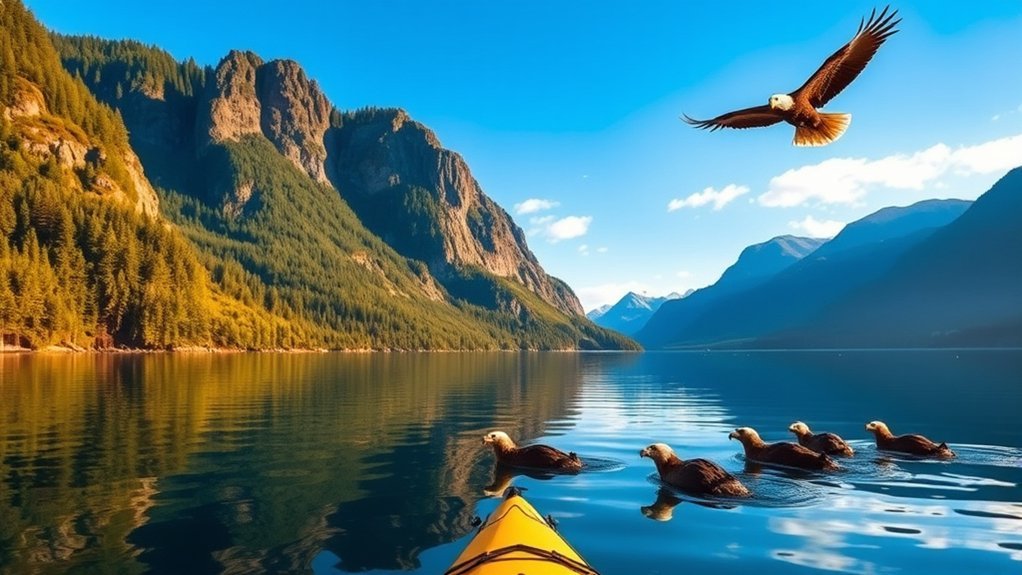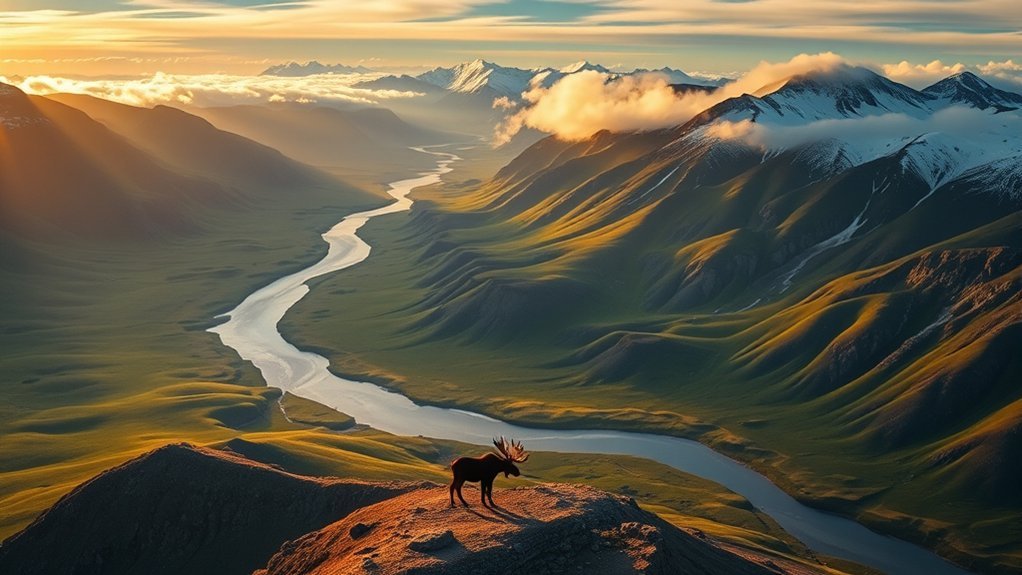
Visiting Gates of the Arctic National Park and Preserve is very different from visiting a road-accessible national park. There are no roads or marked trails through the wilderness, no developed campgrounds, and very limited services once you leave the gateway communities. A successful trip depends on careful transportation planning, strong backcountry skills, flexible timing, and the ability to handle changing Arctic weather.
Quick Answer
Most visitors reach Gates of the Arctic by flying from Fairbanks to a gateway community and then using an air taxi, although experienced travelers can enter on foot from places such as the Dalton Highway or Anaktuvuk Pass. Mid-June through September is the main hiking season, but visitors must be ready for severe weather, river crossings, bears, and communication limits.
Key Takeaways
- There are no roads or marked trails into the wilderness, so most trips involve aircraft, hiking, floating, or a combination of them.
- No ordinary entrance permit or entrance fee is required, although organized groups and certain special activities may require permits.
- Mid-June through September is generally the main backpacking season; July and August are usually the best months for float trips.
- Cell phones are not dependable in the backcountry, and the National Park Service recommends carrying two forms of communication.
- Approved bear-resistant food storage is required for overnight visitors, and weather delays can leave travelers in the backcountry longer than planned.
Getting There: Transportation Options
Getting to Gates of the Arctic National Park is not a normal road trip. According to the National Park Service transportation guidance, there are no roads or established trails into the park. Access is primarily by aircraft or on foot.
Many trips begin in Fairbanks. Commercial flights connect Fairbanks with gateway communities such as Bettles and Anaktuvuk Pass, while Coldfoot is another important access point. From these communities, authorized air-taxi operators can transport travelers into remote backcountry landing areas using small aircraft equipped for tundra, gravel bars, lakes, or other suitable landing locations.
Think of the aircraft as part of your wilderness transportation plan, not a fixed airline schedule. Weather can delay both drop-offs and pickups.
Experienced backpackers can also approach the park from the Dalton Highway or from Anaktuvuk Pass. However, there are no established park trails from these locations, and travelers may encounter tussocks, boggy ground, dense vegetation, steep terrain, and significant river crossings.
Rivers are important travel corridors inside Gates of the Arctic. Rafts, packrafts, inflatable canoes, and similar craft are commonly used on backcountry float trips. Many river itineraries still require aircraft transportation to reach a suitable put-in or to leave the wilderness afterward.
Pro Tip: Build several weather days into your schedule. Air taxis may be unable to fly during poor visibility, high winds, smoke, or other unsafe conditions, so carry enough food and essential medication for an unexpected delay.
Best Times to Visit Gates of the Arctic
The best time to visit depends on what you want to do. Gates of the Arctic has a short summer, a brief fall, and a long, severe winter. Snow or freezing temperatures can occur even during the warmer months.
| Period | Best For | What to Expect |
|---|---|---|
| Mid-June to September | Backpacking and hiking | Long daylight, wet ground, insects, river crossings, and rapidly changing weather. |
| July to August | Most float trips | Generally the most practical river-travel window, although water levels and storms remain variable. |
| Late August to September | Fall colors and cooler conditions | Freezing temperatures become increasingly common, and significant snow can return to higher slopes. |
| February to April | Experienced winter travelers | Snow travel may be possible, but extreme cold, ice, avalanche terrain, and short emergency-response options demand advanced skills. |
| November to March | Aurora viewing | Long, dark nights and potentially dangerous subzero temperatures. |
The National Park Service weather guidance notes that rivers are generally free of ice by mid-June and that freezing conditions can occur at any time of year. From mid-August onward, colder nights become increasingly common.
Warning: Never choose a river crossing or float itinerary based only on normal seasonal conditions. A storm elsewhere in a drainage can raise water levels quickly, making a previously manageable crossing unsafe.
Essential Gear for Your Adventure
Your equipment must support self-sufficient travel because there are no normal backcountry services waiting a few miles down the trail. Pack for cold, rain, insects, difficult navigation, and unexpected delays even during summer.
- Backpack and shelter: Use a dependable backpack, storm-worthy tent, sleeping pad, and sleeping bag rated for the conditions you expect.
- Layered clothing: Bring moisture-managing base layers, warm insulation, waterproof rain gear, hat, gloves, and spare dry clothing.
- Footwear: Durable hiking footwear should handle mud, uneven tundra, loose rock, and wet conditions.
- Navigation: Carry detailed topographic maps and a compass even if you also use GPS. Electronic equipment can fail or run out of power.
- Communication: The NPS recommends two forms of backcountry communication. A satellite phone and satellite messaging device are common choices.
- Food storage: Carry an approved bear-resistant food container or another storage method accepted by the park.
- Bear safety: Keep bear deterrent such as bear spray immediately accessible and know how to use it before your trip.
- First aid and repair supplies: Bring a wilderness-appropriate first-aid kit plus equipment-repair materials.
- Cooking equipment: A reliable stove is more practical than depending on firewood, which can be scarce and slow-growing in Arctic environments.
- Insect protection: Mosquitoes and other biting insects can be intense during summer, so bring appropriate repellent, clothing, and head protection.
- River equipment: If your route includes floating, use a properly fitted personal flotation device and equipment suitable for cold, remote water.
Must-See Sights and Attractions
Gates of the Arctic has few conventional “attractions.” There are no scenic roads or maintained overlooks connecting named stops. What you see depends on your route, aircraft landing area, river, weather, and ability to travel safely through the backcountry.
The Gates: Frigid Crags and Boreal Mountain
The landscape that gave the park its name lies along the North Fork of the Koyukuk River. Wilderness advocate Robert Marshall used the name “Gates of the Arctic” for Frigid Crags and Boreal Mountain, which frame a dramatic passage through the Brooks Range.
The surrounding country includes glacier-shaped valleys, rugged ridges, tundra, boreal forest, rivers, and alpine terrain. You do not need to reach one famous viewpoint to experience the park; the wilderness itself is the central attraction.
Wild Rivers and Open Vistas
Six federally designated Wild Rivers cross the park and preserve: the Alatna, John, Kobuk, Noatak, North Fork Koyukuk, and Tinayguk. Depending on your route, a float trip may provide expansive views while avoiding some of the slow travel caused by tundra tussocks and brush.
River travel is still a serious backcountry undertaking. Water temperatures are cold, conditions can change rapidly, and aircraft logistics often determine practical put-in and pickup locations.
Indigenous Heritage and Living Communities
People have lived in and traveled through the central Brooks Range for more than 13,000 years. Gates of the Arctic protects thousands of archeological sites as well as landscapes that remain important to living Iñupiat and Athabascan communities.
Anaktuvuk Pass, a Nunamiut Iñupiat community inside the park boundaries, is one of the main gateways into the wilderness. Visitors should respect local residents, private and Native corporation lands, subsistence activities, camps, and cultural resources.
Do not collect, move, damage, or disturb archeological objects or sites. Cultural resources are not souvenirs or informal sightseeing props; they are protected parts of a living cultural landscape.
Wildlife Viewing Opportunities
Gates of the Arctic supports caribou, Dall sheep, moose, wolves, wolverines, grizzly bears, black bears, foxes, and many smaller animals. Wildlife is widely dispersed across an enormous landscape, so no route guarantees a sighting.
| Wildlife | Typical Habitat or Pattern | Viewing Note |
|---|---|---|
| Caribou | Tundra, valleys, and major seasonal migration corridors | Herd locations change with migration, weather, insects, and seasonal conditions. |
| Dall sheep | Rocky alpine slopes and escape terrain | Binoculars help you scan distant ridges without disturbing animals. |
| Grizzly and black bears | Various habitats throughout the park | Maintain distance and practice strict food-storage and campsite safety. |
| Wolves and wolverines | Wide-ranging remote habitat | Sightings can be uncommon because animals range over large territories. |
| Birds | Lakes, rivers, tundra, forest, and alpine habitats | The NPS reports 145 bird species observed in the park and preserve over the past 30 years. |
Wildlife viewing here is about patience and distance. The animals are truly wild, widely scattered, and never obligated to appear along your route.
Bring binoculars or a telephoto lens and avoid approaching, feeding, surrounding, or altering the behavior of wildlife. Give animals additional space around feeding, nesting, denning, or breeding areas.
Tips for a Safe and Enjoyable Experience
Gates of the Arctic is one of the least developed wilderness destinations in the National Park System. Once you leave Fairbanks or a gateway community, you should be prepared to manage problems without normal road access, cell coverage, or nearby services.
Carry Reliable Communication
Cell phones should not be treated as an emergency plan. The National Park Service safety guidance recommends two forms of backcountry communication. Satellite phones and satellite messaging devices are common options.
Leave a detailed trip plan with a responsible person. Include your route, aircraft operator, drop-off and pickup locations, expected return date, emergency contacts, and instructions for what that person should do if you do not return on schedule.
Prepare for Bears and Store Food Correctly
Both grizzly and black bears occur in Gates of the Arctic. Overnight visitors must store food and garbage using an approved bear-resistant method. Bear-resistant food containers are commonly used because much of the park lacks suitable trees for hanging food.
Keep food, trash, toiletries, and other scented items secure. When camping, separate your sleeping, cooking, and food-storage areas. Keep bear spray accessible rather than buried in your backpack.
Warning: A normal cooler, dry bag, tent, plastic tote, or kayak is not automatically an approved bear-resistant food container. Check current NPS requirements before your trip.
Take River Crossings Seriously
Stream and river crossings are one of the major hazards of overland travel. Water levels can change quickly after rainfall or snowmelt, and cold water increases the consequences of a mistake.
Do not force a crossing because it is part of your planned route. Turn around, wait, or use an alternate route if the water is unsafe. Your schedule should always be less important than the conditions in front of you.
Protect the Fragile Tundra
There are no designated backcountry campsites. Choose durable surfaces whenever possible and minimize repeated travel across fragile tundra vegetation. Gravel bars can be useful campsites when they are safely above potential high-water levels.
Practice Leave No Trace principles and respect private property, Native corporation lands, subsistence camps, and local travel routes.
Permits, Fees, and Important Rules
Ordinary independent visitors do not need a permit simply to enter Gates of the Arctic National Park and Preserve, and there is no entrance fee. The NPS nevertheless recommends receiving a backcountry orientation before entering the wilderness.
A voluntary backcountry registration can help park staff understand your travel plan. Organized, educational, commercial, guided, and certain large groups should contact the park well before travel because group limits or permit requirements may apply.
Special activities can also have separate permit rules. Review the current NPS permit and reservation information before departure.
Note: Launching, landing, or operating a drone within Gates of the Arctic is prohibited under current park guidance.
Camping, Services, and Gateway Communities
The wilderness portion of Gates of the Arctic has no developed NPS campgrounds, lodges, restaurants, fuel stops, or normal visitor services. Backcountry travelers camp where appropriate while following park regulations and minimum-impact practices.
Anaktuvuk Pass lies inside the park boundaries and provides limited community services. It also has a seasonal ranger station, and the community has designated an area near the airstrip for visitor camping. Visitors must remain respectful of local residents and subsistence activities.
Bettles is another major aviation gateway, while Coldfoot on the Dalton Highway can support trips approaching from the east. Fairbanks is the main larger city used to arrange flights, supplies, equipment, and transportation before entering the Brooks Range.
Do not assume that food, fuel, specialty equipment, lodging, or other supplies will be available when you arrive in a remote community. Confirm logistics before leaving Fairbanks and bring everything necessary for your backcountry itinerary.
Frequently Asked Questions
Are there accommodations within Gates of the Arctic National Park?
The backcountry wilderness has no NPS-operated lodge or developed campground. Anaktuvuk Pass lies inside the park boundaries and has limited community services plus designated visitor camping near the airstrip. Other lodging and services are generally arranged in gateway communities before or after a backcountry trip.
What permits are required for visiting Gates of the Arctic?
No ordinary entry permit or entrance fee is required for independent visitors. Organized groups, commercial trips, special uses, and certain other activities can have separate permit requirements. A ranger backcountry orientation and voluntary trip registration are recommended.
Can I bring pets to Gates of the Arctic National Park?
Yes. Pets are not generally banned from Gates of the Arctic, but they must be restrained on a leash no longer than six feet or otherwise physically confined. Pets can attract or provoke wildlife, so bringing one into remote bear country requires careful consideration.
Are guided tours available in Gates of the Arctic?
Yes. Authorized air taxis, outfitters, and guide services can provide transportation, flightseeing, backpacking, floating, or other backcountry assistance. Use operators authorized to conduct commercial activities in the park.
What is the nearest town or city to Gates of the Arctic?
There is no single gateway that works for every route. Anaktuvuk Pass is a village inside the park boundaries, Bettles is a major aviation gateway, and Coldfoot serves travelers approaching from the Dalton Highway. Fairbanks is the principal larger city from which many visitors arrange flights and supplies.
Can you drive into Gates of the Arctic National Park?
No road enters the park wilderness. The Dalton Highway passes relatively close to part of the eastern boundary, but reaching park lands from it requires off-trail backcountry travel and potentially difficult river crossings.
Is there cell phone service in Gates of the Arctic?
Do not rely on cell service in the backcountry. The National Park Service recommends carrying two forms of communication, such as a satellite phone and a satellite messaging device, and leaving a detailed trip plan with someone outside the park.
Do I need a bear-resistant food container?
Overnight visitors must store food and garbage using an approved bear-resistant method. Bear-resistant food containers are the simplest option in much of Gates of the Arctic because suitable trees for hanging food are often unavailable.
Conclusion
Gates of the Arctic rewards preparation more than spontaneity. Its roadless Brooks Range landscapes, wild rivers, wildlife, and long human history make it extraordinary, but the same remoteness means you must arrive ready to navigate, camp, communicate, manage bears, handle river crossings, and wait out bad weather without normal visitor services. Plan conservatively, respect local communities and fragile tundra, and give yourself enough time to experience the wilderness without rushing unsafe decisions.
Sources
- National Park Service — Directions — park access, gateway communities, aircraft, and foot travel.
- National Park Service — Weather — seasonal conditions, backpacking and floating seasons, winter conditions, and weather hazards.
- National Park Service — Safety — communication, weather delays, backcountry planning, food storage, and bear safety.
- National Park Service — Permits & Reservations — entry permits, group requirements, special uses, and drone rules.
- National Park Service — Pets — current pet-access and restraint requirements.
- National Park Service — History & Culture — archeological resources and long-term human connections to the Brooks Range.