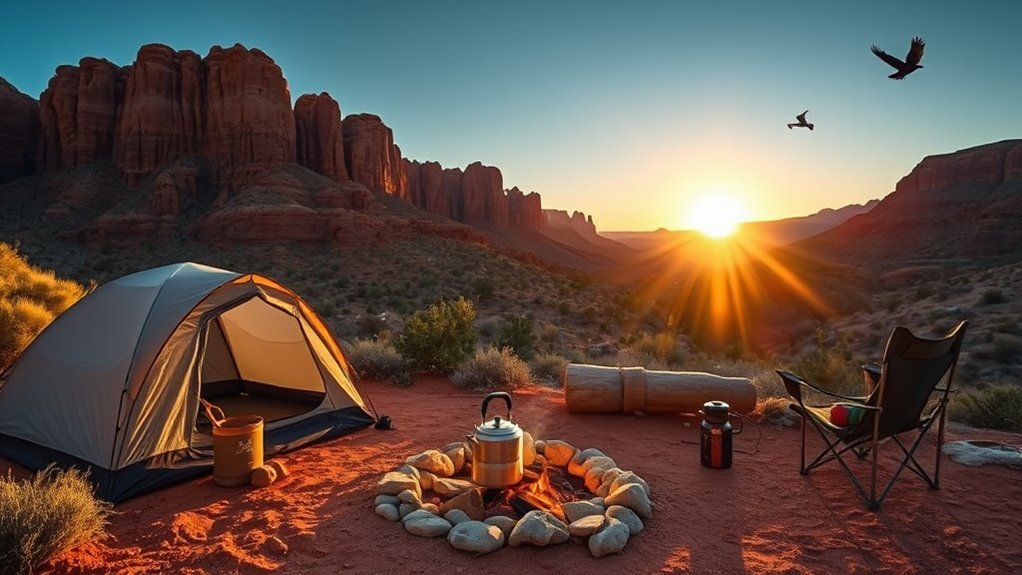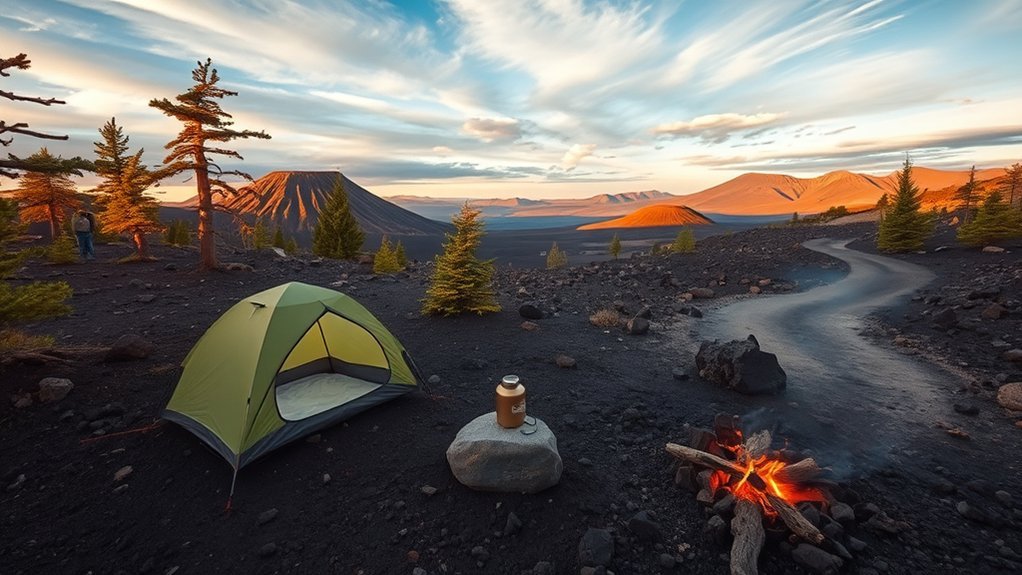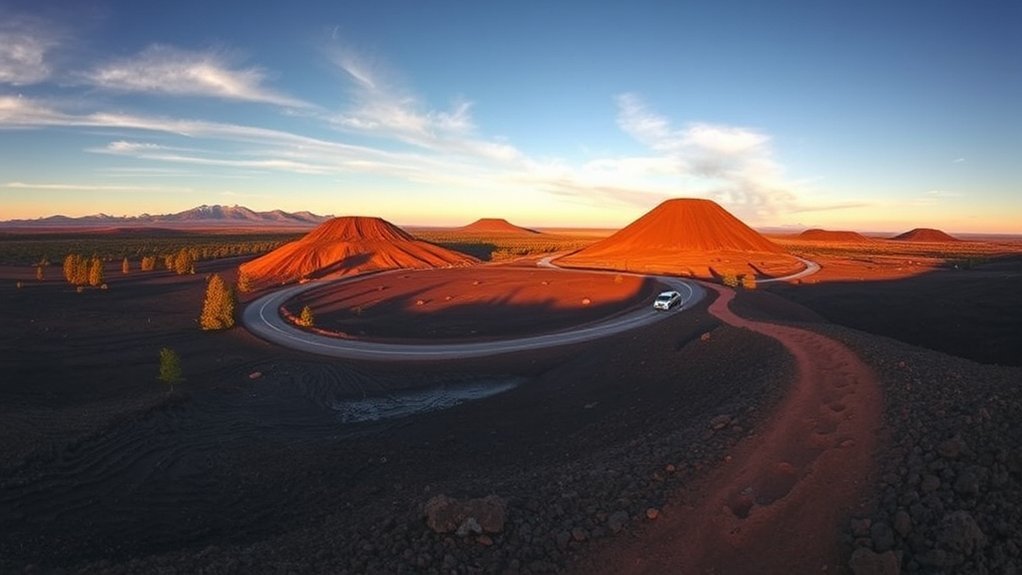
Sunset Crater Volcano National Monument protects one of the youngest volcanic cinder cones in the continental United States, formed by powerful eruptions that reshaped northern Arizona less than 1,000 years ago around 1085 CE. Located just minutes north of Flagstaff along U.S. Highway 89, this dynamic volcanic landscape features dramatic fields of jagged basalt, black cinder slopes, and resilient ponderosa pine forests that offer an exceptional day-trip destination for hikers, photographers, and road-trippers alike.
Quick Answer
Sunset Crater Volcano National Monument is located 12 miles north of Flagstaff, Arizona, along the 34-mile Sunset Crater–Wupatki Loop Road. The monument scenic drive is open daily from sunrise to sunset, while the visitor center operates from 9:00 AM to 5:00 PM year-round (closed December 25). Standard entry is $25 per private vehicle, which includes a 7-day pass to both Sunset Crater and nearby Wupatki National Monument.
Key Takeaways
- Combined Entry Pass: A single entry fee provides 7 consecutive days of admission to both Sunset Crater Volcano and Wupatki National Monuments.
- Summit Trail Permanently Closed: Hiking to the top of Sunset Crater is prohibited to prevent erosion; hike the Lenox Crater Trail instead for an uphill cinder cone climb.
- High Altitude Environment: At approximately 7,000 feet of elevation, visitors should carry ample drinking water and use robust sun protection year-round.
- Pet Restrictions: Pets are allowed on paved parking areas and campgrounds on leash, but are strictly prohibited on unpaved trails to protect wildlife and delicate paws from razor-sharp volcanic cinders.
Getting There: Directions, Parking, and Access
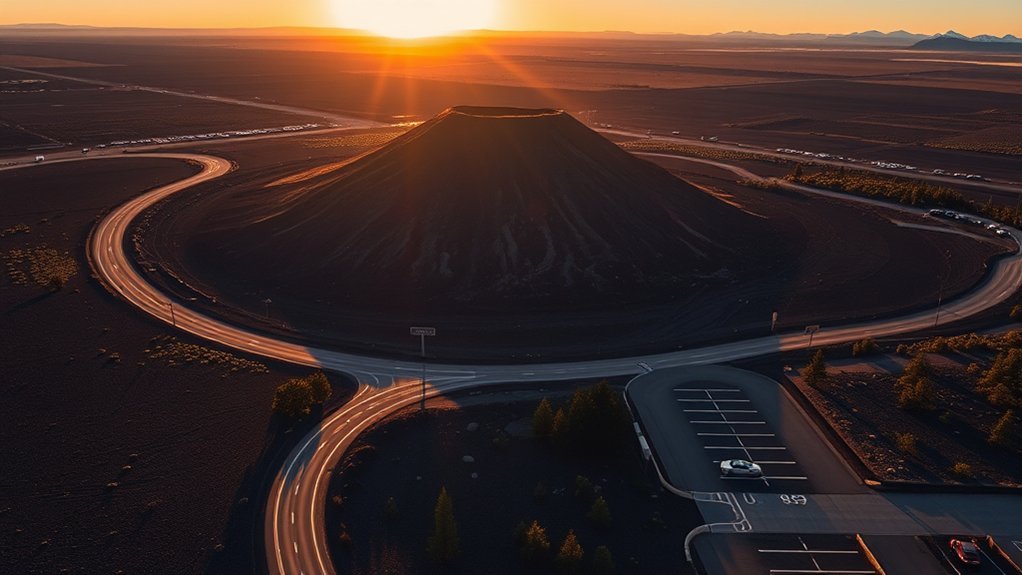
Reaching Sunset Crater Volcano National Monument from Flagstaff is a straightforward 30-minute drive. Head north on U.S. Highway 89 for approximately 12 miles, then make a right turn at the marked entrance sign onto the Sunset Crater–Wupatki Loop Road (Forest Road 545). Continue along this paved scenic corridor for two miles to reach the visitor center located at 6082 Sunset Crater Road.
Because there is no public transportation service operating to the monument, traveling by personal vehicle, motorcycle, or rental car is required. Paved parking spaces are conveniently distributed throughout the park at the visitor center, the Lava Flow Trailhead, and designated scenic pulloffs. All primary parking areas accommodate standard passenger cars, and dedicated oversized spaces are available for RVs and trailers at the visitor center.
Pro Tip: Stop at the visitor center first to pick up trail guides, inspect the interactive seismology and geology displays, and obtain current weather updates from National Park Service rangers before beginning your hike.
Best Times to Visit and Park Hours
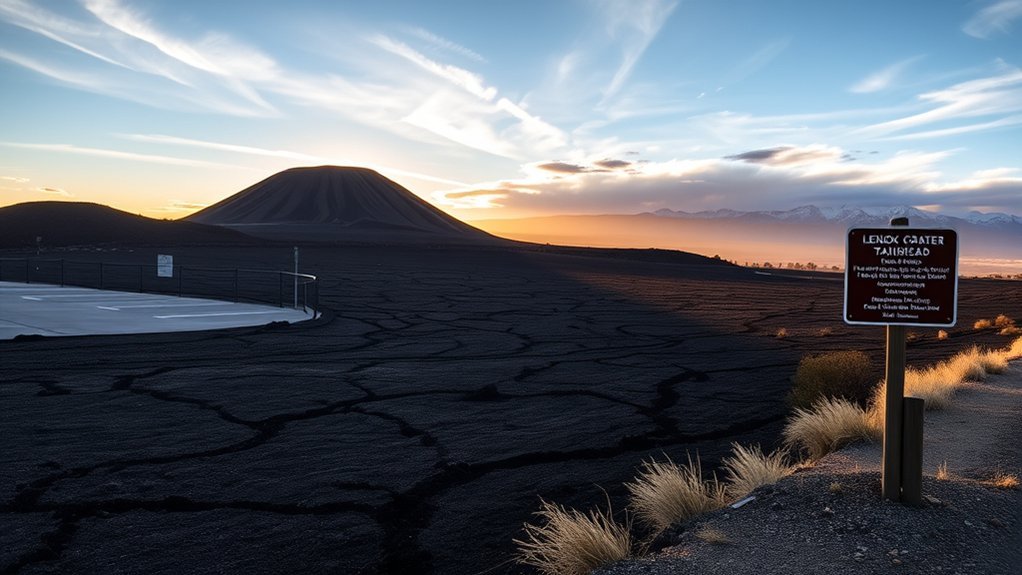
The scenic loop road running through Sunset Crater Volcano National Monument is accessible year-round daily from sunrise to sunset. The park visitor center operates from 9:00 AM to 5:00 PM daily, closing only on December 25 for Christmas Day.
Visiting seasons offer distinct advantages across the year:
- Spring & Autumn (April–May & September–October): These shoulder months provide ideal hiking weather, with daytime temperatures ranging between 60°F and 75°F (15°C to 24°C) and smaller crowds.
- Summer (June–August): Days are warm and dry, with high-elevation sunshine intensifying ground heat across dark lava beds. Mid-to-late summer afternoons frequently bring sudden monsoon thunderstorms, making early morning visits ideal.
- Winter (November–March): Crisp alpine air and occasional dustings of white snow contrast strikingly against the black cinders and red crater rim. Roads remain plowed following snow events, though periodic winter storms can temporarily affect access.
Entrance Fees, Passes, and Free Days
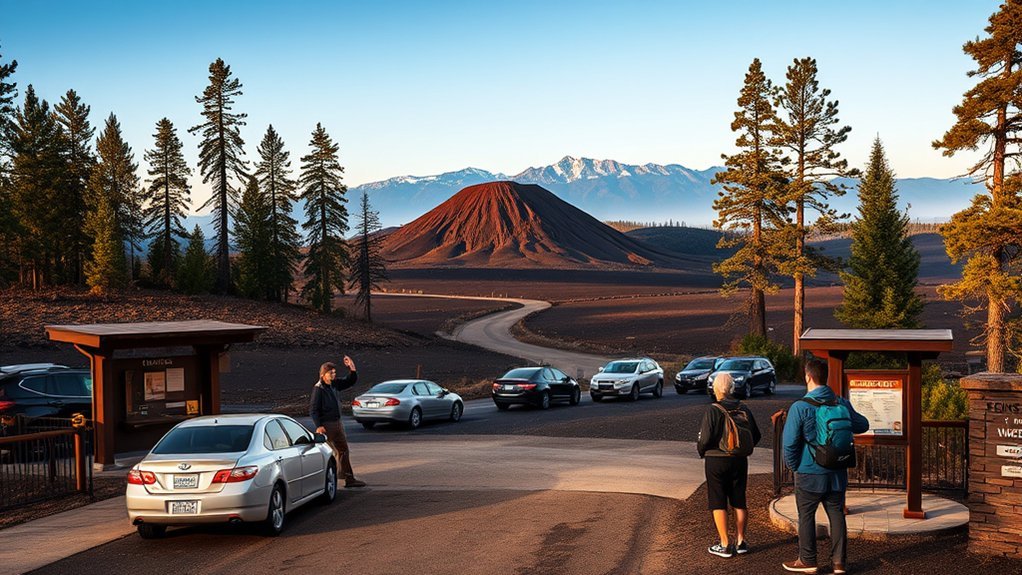
Entrance fees are collected at the park entrance station or inside the visitor center. Every standard private vehicle entry permit remains valid for seven consecutive days and includes admission to both Sunset Crater Volcano National Monument and neighboring Wupatki National Monument.
| Admission Type | Cost | Details & Validity |
|---|---|---|
| Private Vehicle | $25 | Valid for 7 days; covers all passengers in a single non-commercial vehicle for Sunset Crater & Wupatki. |
| Motorcycle | $20 | Valid for 7 days; covers individual or up to two riders per motorcycle. |
| Individual / Bicyclist / Pedestrian | $15 | Valid for 7 days per person entering on foot, bicycle, or as part of an organized non-commercial group. |
| Flagstaff Area National Monuments Pass | $45 | Annual pass providing 12 months of unlimited entry to Sunset Crater, Wupatki, and Walnut Canyon. |
| America the Beautiful Interagency Pass | $80 / Free* | Full access to all Federal recreation lands (Senior, Military, 4th Grade, and Access passes fully honored). |
The National Park Service also offers fee-free entry days throughout the year on designated holidays, including Martin Luther King Jr. Day, the first day of National Park Week in April, the Great American Outdoors Act anniversary in August, National Public Lands Day in September, and Veterans Day in November.
Trails, Tours, and Things to Do
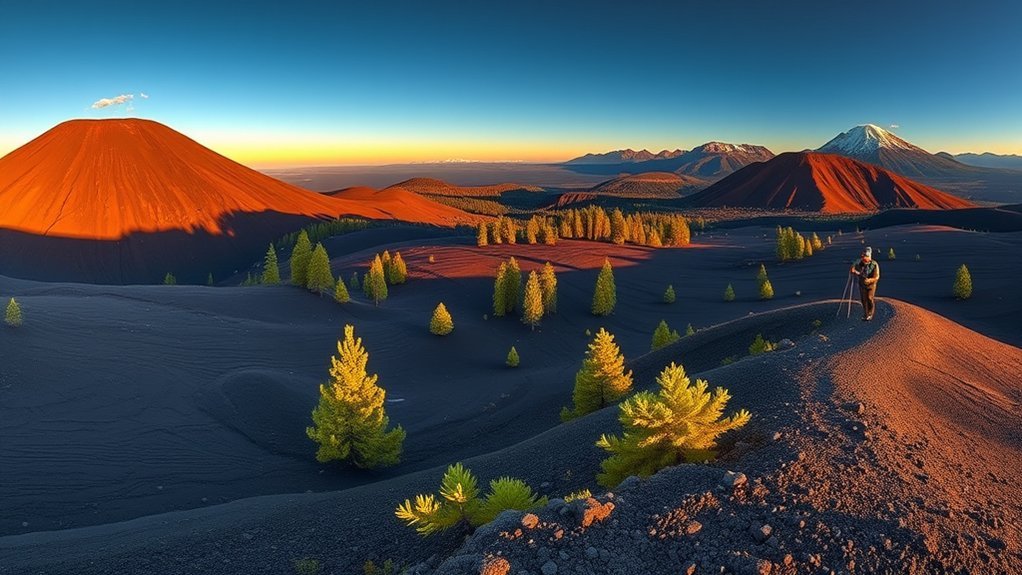
Exploring Sunset Crater on foot provides an up-close perspective on dramatic geological formations, volcanic spatter cones, and colonizing plant communities. The monument features several well-maintained trails accommodating diverse fitness levels:
- Lava Flow Trail (1.0 mile loop): The park’s signature hike winds directly through the Bonito Lava Flow at the base of Sunset Crater. The first 0.25-mile loop is fully paved and wheelchair-accessible, featuring informational wayside signs, squeezed lava squeeze-ups, and an impressive ice cave viewpoint. The unpaved back loop traverses rougher basalt cinders.
- Bonito Vista Trail (0.3 miles round-trip): A flat, paved, fully accessible pathway leading from the Lava Flow parking area across cinder fields to an expansive panoramic observation deck overlooking the Bonito Lava Flow and surrounding volcanic peaks.
- Lenox Crater Trail (1.0 mile round-trip): A moderately strenuous trail that climbs 200 feet through ponderosa pine woodlands to the rim of Lenox Crater, offering sweeping views of the San Francisco Peaks and Sunset Crater’s western slope.
- Lava’s Edge Trail (3.4 miles round-trip): A rugged route connecting the visitor center to the Lava Flow Trailhead, winding along the irregular margin where the cooled lava flow met the pre-existing pine forest.
- A’a Trail (0.2 miles round-trip): A short, interpretive walk highlighting jagged a’a basalt lava formations and the slow ecological succession occurring across the volcanic soil.
Warning: Climbing to the top of Sunset Crater itself is strictly prohibited. The summit trail was permanently closed in 1973 because foot traffic caused deep scars and severe erosion in the loose cinders. Please stay on established trails to preserve this fragile geological wonder.
During the spring, summer, and autumn seasons, park rangers host daily interpretive talks, guided geology walks, and evening stargazing programs. The monument’s dark night skies offer exceptional celestial viewing opportunities within northern Arizona’s certified International Dark Sky corridor.
Nearby Attractions, Camping, and Practical Tips
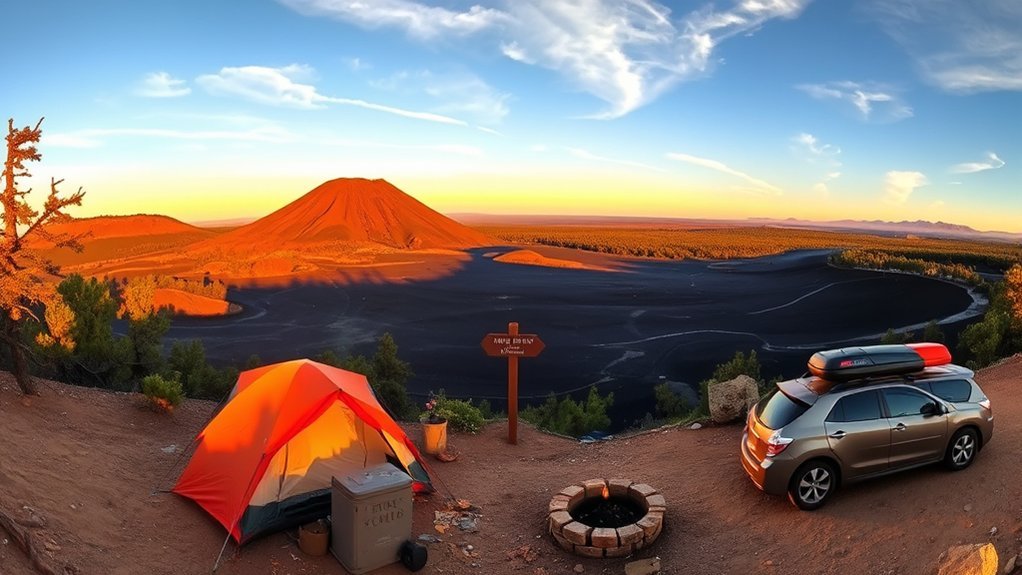
A visit to Sunset Crater combines naturally with the cultural and natural attractions situated along the continuous 34-mile scenic loop drive connecting to Wupatki National Monument. As you descend 2,000 feet from Sunset Crater’s pine forests into the painted desert grasslands of Wupatki, you will discover multi-story Ancestral Puebloan masonry pueblos dating back over 800 years, including Wupatki, Lomaki, and Citadel Pueblos.
For overnight stays, Bonito Campground is situated directly across from the Sunset Crater visitor center in the Coconino National Forest. Managed by the U.S. Forest Service, this seasonal facility features 44 tent and RV sites nestled among ponderosa pines, equipped with picnic tables, fire rings, drinking water, and flush toilets (open approximately May through mid-October; reservations available on Recreation.gov).
Note: Volcanic cinders are exceptionally sharp, abrasive, and hot under direct sunlight. Wear sturdy, closed-toe hiking shoes with rigid soles, carry at least two liters of drinking water per person, and ensure leashed pets remain on paved surfaces to prevent paw injuries.
Frequently Asked Questions
How long should you spend at Sunset Crater Volcano National Monument?
Most visitors spend 2 to 3 hours exploring the visitor center exhibits, walking the 1-mile Lava Flow Trail, and stopping at key scenic viewpoints. If you plan to hike additional routes such as the Lenox Crater or Lava’s Edge trails, allocate 4 to 5 hours. To complete the entire 34-mile scenic drive through both Sunset Crater and Wupatki National Monuments, budget a full half-day (4 to 6 hours).
How do you see Sunset Crater Volcano?
You can view the volcano by driving along Forest Road 545 (Sunset Crater–Wupatki Loop Road) and parking at the Lava Flow Trailhead. From there, walk the paved 0.25-mile section of the Lava Flow Trail or the 0.3-mile Bonito Vista Trail for direct, unobstructed views of the cinder cone and the surrounding basalt lava fields.
Is Sunset Crater Volcano worth seeing?
Yes. Sunset Crater is well worth visiting because it represents one of the youngest and best-preserved cinder cone volcanic fields in the United States. Its dramatic juxtaposition of jet-black cinders, red oxidized crater rims, and bright green ponderosa pines provides unique hiking, photography, and geological education opportunities just 30 minutes from downtown Flagstaff.
How much does it cost to visit Sunset Crater Volcano?
Standard entry costs $25 per private vehicle, $20 per motorcycle, and $15 per individual entering on foot or bicycle. All entry passes are valid for 7 consecutive days and include full admission to both Sunset Crater Volcano and Wupatki National Monuments. America the Beautiful Interagency National Park Passes are fully accepted.
Conclusion
Driving the Sunset Crater–Wupatki Loop Road delivers an unforgettable journey through one of the American West’s most striking volcanic and cultural terrains. By timing your visit for the cooler morning or late afternoon hours, wearing sturdy footwear suited for rugged cinder trails, and combining your excursion with the ancient pueblos of neighboring Wupatki, you will experience the full geological grandeur of northern Arizona. Remember to pack plenty of water, respect the trail boundaries that protect this fragile cinder landscape, and take your time absorbing the raw power of Earth’s volcanic history.
Sources
- National Park Service: Sunset Crater Volcano National Monument — Official park operating hours, trail regulations, and geological history.
- National Park Service: Fees & Passes — Official admission pricing and 7-day joint pass details for Flagstaff Area Monuments.
- National Park Service: Wupatki National Monument — Loop road connectivity and Ancestral Puebloan cultural site information.
- U.S. Forest Service: Coconino National Forest (Bonito Campground) — Campground facilities, operational season, and reservation guidelines.