

The history of Swiss chocolate is a rich tapestry woven with innovation, craftsmanship, and a deep-rooted cultural appreciation for this beloved confection. The origins of chocolate in Switzerland can be traced back to the early 19th century when the country began to embrace the cocoa bean, which had been introduced to Europe from the Americas. The pivotal moment came in 1826 when François-Louis Cailler established the first Swiss chocolate factory in the town of Vevey.
His pioneering efforts laid the groundwork for what would become a national obsession, as he combined traditional methods with local ingredients to create a unique Swiss product. As the 19th century progressed, other chocolatiers began to emerge, each contributing their own innovations. In 1847, Joseph Fry in England created the first solid chocolate bar, but it was in Switzerland that the art of chocolate making truly flourished.
In 1875, Daniel Peter, a Swiss chocolatier, partnered with Henri Nestlé to develop milk chocolate by adding condensed milk to chocolate liquor. This groundbreaking invention not only transformed the texture and flavor of chocolate but also set the stage for Switzerland’s dominance in the global chocolate market. By the turn of the century, Swiss chocolate was synonymous with quality and luxury, leading to the establishment of iconic brands such as Lindt, Toblerone, and Sprüngli.
Key Takeaways
- Swiss chocolate has a rich history dating back to the 17th century, when chocolate was first introduced to Switzerland.
- The art of chocolate making in Switzerland involves a meticulous process of roasting, grinding, and conching to create the perfect texture and flavor.
- Some of the best chocolate factory tours in Switzerland include visits to famous brands such as Lindt, Toblerone, and Cailler.
- Sampling Swiss chocolate allows visitors to experience a wide range of flavors, from creamy milk chocolate to rich dark chocolate with unique fillings and toppings.
- Visitors can learn about sustainable chocolate production practices in Switzerland, including fair trade and organic farming methods.
The Art of Chocolate Making
The art of chocolate making is a meticulous process that combines science and creativity, resulting in a product that delights the senses. The journey begins with the careful selection of cocoa beans, which are sourced from various regions around the world. Each origin imparts distinct flavor notes, influenced by factors such as soil composition, climate, and cultivation methods.
Once harvested, the beans undergo fermentation and drying before being roasted to develop their rich flavors. This roasting process is crucial; it requires a delicate balance to ensure that the beans do not become overcooked or burnt. After roasting, the beans are cracked open to extract the nibs, which are then ground into a paste known as chocolate liquor.
This liquor can be further processed into cocoa solids and cocoa butter, allowing chocolatiers to create a variety of products. The blending of these components is where artistry comes into play. Chocolatiers experiment with different ratios of cocoa solids and cocoa butter to achieve desired textures and flavors.
Additionally, they may incorporate other ingredients such as sugar, milk powder, and flavorings like vanilla or spices to create unique profiles. The tempering process is another critical step; it involves carefully heating and cooling the chocolate to stabilize its structure, resulting in a glossy finish and a satisfying snap when broken.
The Best Chocolate Factory Tours in Switzerland

Switzerland is home to numerous chocolate factories that offer immersive tours for enthusiasts eager to learn about the chocolate-making process firsthand. One of the most renowned is the Maison Cailler in Broc, which invites visitors to explore the history of Swiss chocolate through interactive exhibits and guided tours. Guests can witness the transformation of cocoa beans into delectable treats while indulging in tastings of various Cailler chocolates.
The experience culminates in a sensory journey through a chocolate paradise where visitors can create their own chocolate bars. Another must-visit destination is the Lindt Chocolate Factory in Kilchberg, just outside Zurich. The Lindt Home of Chocolate features a state-of-the-art visitor center that showcases the brand’s history and innovations.
The highlight of the tour is undoubtedly the Chocolate Fountain, which stands at an impressive height and flows with melted chocolate. Visitors can sample Lindt’s signature truffles and learn about the intricate process behind their creation. Additionally, many smaller artisanal chocolatiers across Switzerland offer personalized tours that provide insight into their unique techniques and philosophies, allowing guests to appreciate the craftsmanship behind each piece.
Sampling Swiss Chocolate
| Brand | Flavor | Cocoa Percentage | Price |
|---|---|---|---|
| Lindt | Dark Chocolate | 70% | 3.50 |
| Toblerone | Milk Chocolate | 30% | 2.00 |
| Nestle | White Chocolate | 20% | 1.75 |
Sampling Swiss chocolate is an experience that transcends mere taste; it is an exploration of texture, aroma, and flavor complexity. Swiss chocolatiers are known for their commitment to quality ingredients and traditional methods, resulting in chocolates that are often characterized by their smoothness and rich flavors. When sampling Swiss chocolate, one might encounter a variety of styles ranging from dark to milk chocolates, each with its own unique profile.
Dark chocolate enthusiasts will appreciate brands like Amedei or Läderach, which offer single-origin bars that highlight the nuances of specific cocoa beans. For those who prefer milk chocolate, brands such as Toblerone or Lindt provide creamy options infused with honey or nougat that evoke a sense of nostalgia. Additionally, many chocolatiers experiment with innovative flavor combinations, incorporating local ingredients such as Swiss alpine herbs or fruits to create distinctive offerings.
Tasting events often feature guided pairings with wines or cheeses, enhancing the overall experience and allowing participants to discover new dimensions of flavor.
Learning about Sustainable Chocolate Production
In recent years, there has been a growing awareness of sustainability within the chocolate industry, particularly concerning ethical sourcing practices and environmental impact. Many Swiss chocolatiers are taking significant steps toward ensuring that their cocoa is sourced responsibly. This includes establishing direct relationships with farmers in cocoa-producing countries and investing in fair trade practices that promote better living conditions for growers.
Sustainable chocolate production also involves addressing environmental concerns related to cocoa farming. Deforestation and biodiversity loss are pressing issues that many companies are actively working to mitigate.
Additionally, initiatives aimed at reducing carbon footprints through sustainable packaging and energy-efficient production methods are becoming increasingly common among leading chocolatiers.
The Role of Switzerland in the Global Chocolate Industry
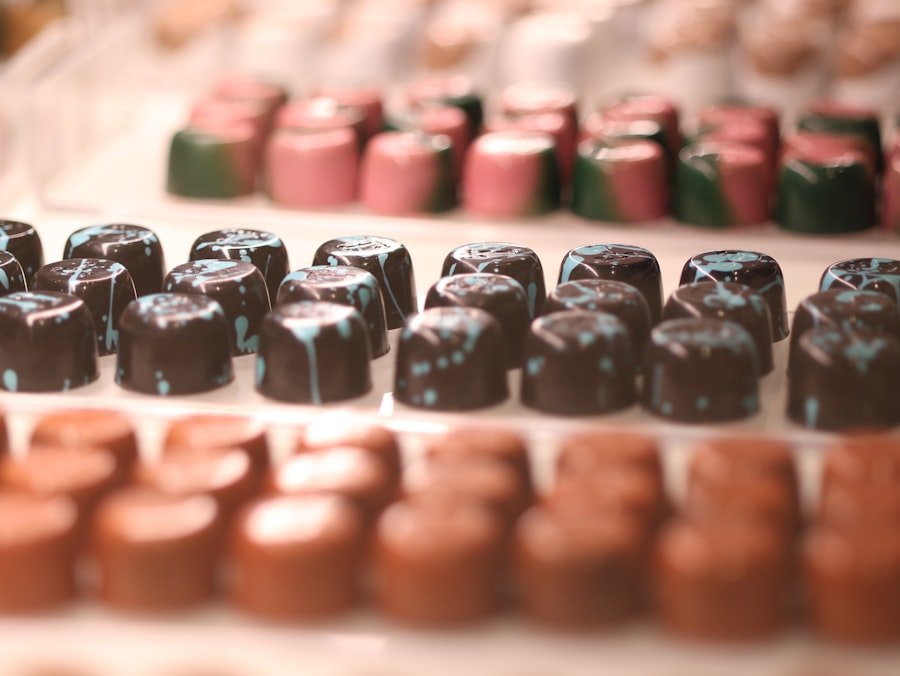
Switzerland has long held a prestigious position in the global chocolate industry, renowned for its high-quality products and innovative techniques. The country is home to some of the world’s most iconic chocolate brands, which have set benchmarks for excellence in taste and craftsmanship. Swiss chocolate exports account for a significant portion of the global market, with brands like Lindt and Toblerone being recognized worldwide for their premium offerings.
Unlike some mass-produced chocolates that prioritize cost-cutting measures, Swiss chocolatiers focus on using superior ingredients and traditional methods that enhance flavor profiles. This dedication has earned Switzerland a reputation as a leader in fine chocolate production.
Furthermore, Swiss companies are often at the forefront of research and development within the industry, exploring new techniques and flavor combinations that push the boundaries of what chocolate can be.
Exploring the Different Flavors of Swiss Chocolate
The diversity of flavors found in Swiss chocolate is a testament to the creativity and skill of its chocolatiers. While traditional flavors such as milk chocolate with hazelnuts or dark chocolate with sea salt remain popular, many artisans are venturing into uncharted territory by experimenting with unique combinations that reflect local culture and ingredients. For example, some chocolatiers incorporate Swiss alpine herbs like thyme or rosemary into their recipes, creating unexpected yet delightful flavor profiles.
Additionally, seasonal offerings often showcase local fruits such as raspberries or cherries during harvest time, allowing consumers to experience the essence of Switzerland’s natural bounty through chocolate. The use of spices like chili or cardamom is also gaining traction among innovative chocolatiers who seek to surprise palates with bold contrasts. Tasting events often highlight these diverse flavors through curated selections that encourage participants to explore beyond their usual preferences.
Tips for Planning a Chocolate Factory Tour in Switzerland
Planning a chocolate factory tour in Switzerland can be an exciting endeavor for any chocolate lover. To make the most of this experience, it’s essential to consider several factors before embarking on your journey. First and foremost, research various factories and their offerings; some may focus on traditional methods while others emphasize modern techniques or sustainability practices.
This will help you choose tours that align with your interests. Booking in advance is highly recommended, especially during peak tourist seasons when demand for tours can be high. Many factories offer guided tours that include tastings and interactive experiences; securing your spot ahead of time ensures you won’t miss out on these opportunities.
Additionally, consider timing your visit around special events or festivals dedicated to chocolate; these occasions often feature exclusive tastings or workshops led by master chocolatiers. When visiting multiple factories, plan your itinerary strategically to minimize travel time between locations while maximizing your tasting experiences. Many factories are located near picturesque towns or scenic landscapes; take advantage of this by incorporating local sightseeing into your trip.
Finally, don’t forget to bring along a notebook or camera to document your favorite flavors and experiences—after all, exploring Swiss chocolate is not just about tasting; it’s about creating lasting memories along the way.
If you’re planning a trip to Switzerland and have a sweet tooth, visiting some of the country’s renowned chocolate factories should be on your itinerary. Switzerland is famous for its high-quality chocolate, and exploring these factories offers a delightful experience for any chocolate lover. While you’re indulging in the world of Swiss chocolate, you might also be interested in exploring other culinary delights. For instance, you can learn about the refreshing and unique flavors of Asian melons in this related article: Exploring the Delightful World of Asian Melon. This article provides insights into the diverse and delicious world of melons, which can be a perfect complement to your chocolate adventures.
FAQs
What are some popular chocolate factories to visit in Switzerland?
Some popular chocolate factories to visit in Switzerland include Lindt & Sprüngli in Kilchberg, Maison Cailler in Broc, and Toblerone in Bern.
What can visitors expect to see and do at these chocolate factories?
Visitors can expect to see the chocolate-making process, learn about the history of chocolate, participate in chocolate tastings, and even create their own chocolate treats at these factories.
Are there guided tours available at these chocolate factories?
Yes, guided tours are available at most chocolate factories in Switzerland. These tours are led by knowledgeable guides who provide insights into the chocolate-making process and the history of the respective chocolate brands.
Do visitors need to book in advance to visit these chocolate factories?
It is recommended to book in advance, especially during peak tourist seasons, to secure a spot on the guided tours at these chocolate factories.
Are there any age restrictions for visiting these chocolate factories?
Most chocolate factories welcome visitors of all ages, but some activities, such as chocolate tastings, may have age restrictions for participation. It’s best to check with the specific factory for any age restrictions.