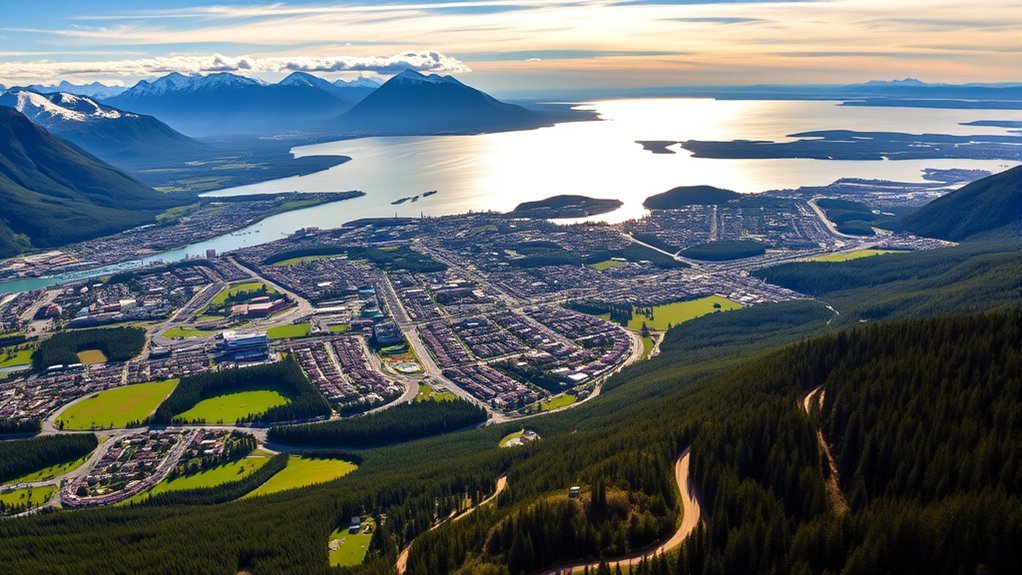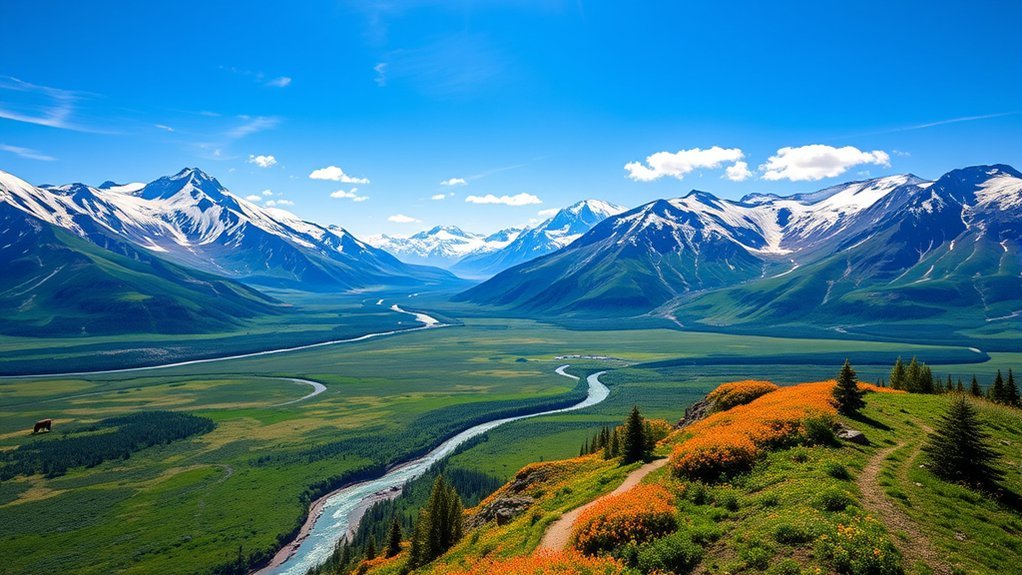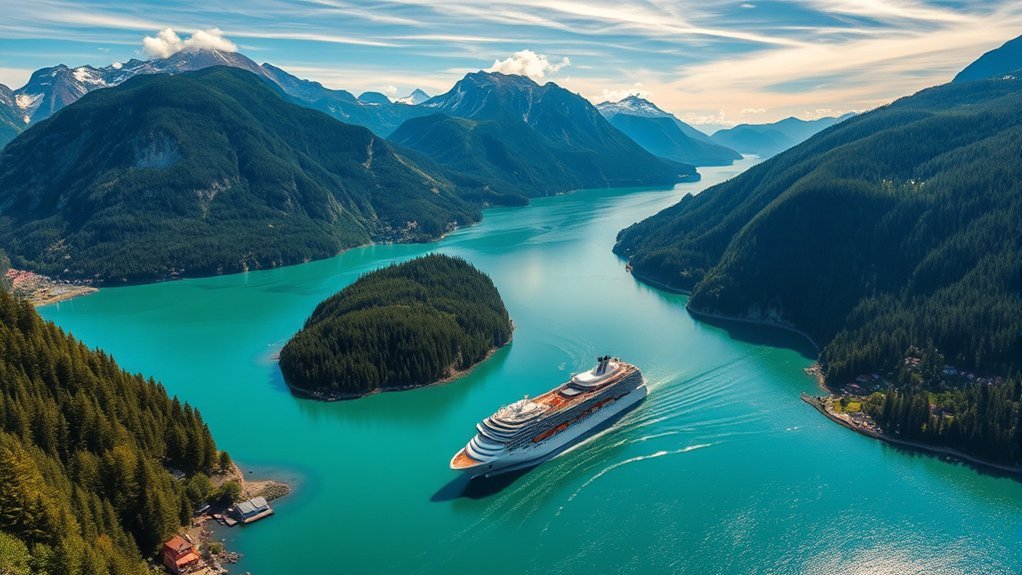
An Inside Passage cruise is one of the most scenic ways to see Southeast Alaska, with protected waterways, glacier-carved fjords, Alaska Native culture, historic ports, and strong wildlife-viewing potential. The best trip depends on your route, month, ship size, and whether your itinerary includes marquee scenic areas such as Glacier Bay, Tracy Arm, Endicott Arm, or Misty Fjords.
Quick Answer
An Inside Passage cruise travels through sheltered coastal waterways between British Columbia and Southeast Alaska, usually from May through September. Expect forested islands, fjords, glaciers, ports such as Ketchikan, Juneau, Skagway, and Sitka, and possible sightings of whales, eagles, seals, sea lions, bears, and otters.
Key Takeaways
- The main Inside Passage cruise season runs from May through September, with a few shoulder-season sailings sometimes offered in April or October.
- Common ports include Ketchikan, Juneau, Skagway, Sitka, Hoonah/Icy Strait Point, Haines, Wrangell, Petersburg, and Prince of Wales Island, but every itinerary is different.
- Not every Alaska cruise enters Glacier Bay National Park, so choose an itinerary that specifically lists Glacier Bay if that is a priority.
- Pack waterproof layers, comfortable walking shoes, binoculars, and travel documents that match your cruise line’s requirements.
Overview of the Inside Passage
The Inside Passage is a coastal route of islands, channels, bays, and fjords that runs through British Columbia and Southeast Alaska. For cruise travelers, it is popular because ships can sail through protected waters while passing temperate rainforest, mountain slopes, glaciers, small towns, and Alaska Native cultural sites.
According to Travel Alaska, the Inside Passage is the most popular route for large and small cruise ships departing from Seattle, Vancouver, Los Angeles, and other West Coast ports during the main cruise season. Many trips focus on Southeast Alaska communities such as Ketchikan, Juneau, Skagway, Sitka, Haines, Hoonah, Wrangell, Petersburg, and Prince of Wales Island.
The region is also the homeland of the Tlingit, Haida, and Tsimshian peoples. A good itinerary gives you time to experience more than scenery: look for cultural centers, local museums, totem parks, Native art demonstrations, ranger talks, and community-led tours.
Note: “Inside Passage cruise” does not mean every ship follows the same route. Some sail round trip from Seattle or Vancouver, while others continue across the Gulf of Alaska and end near Anchorage in Seward or Whittier.
Best Time to Cruise the Inside Passage
The main Inside Passage cruise season is May through September. A few cruise lines may offer shoulder-season sailings in April or October, but the broadest choice of ships, excursions, and port services is usually available from late spring through early fall.
Summer brings long daylight hours, active shore excursions, and strong wildlife-viewing potential. However, Southeast Alaska is a rainforest region, so rain is possible in any cruise month. Pack for cool mornings, damp afternoons, and sunny breaks rather than assuming one type of weather for the whole trip.
| Month | What to Expect | Best For |
|---|---|---|
| May | Cooler weather, fewer crowds, early-season pricing, waterfalls, and spring scenery. | Value seekers and travelers who prefer quieter ports. |
| June | Very long daylight, strong excursion availability, and excellent wildlife potential. | Photography, families, and first-time cruisers. |
| July–August | Peak season with broad ship choice, busy ports, and the warmest overall cruise conditions. | Travelers who want maximum tour availability and onboard energy. |
| September | Fewer families, possible end-of-season deals, cooler evenings, and a higher chance of wet weather. | Adults, budget-minded travelers, and quieter port days. |
Pro Tip: Do not choose by weather alone. Compare the exact scenic cruising day, port times, and excursion options. A cheaper sailing is not always better if it gives you short port calls or skips your must-see glacier area.
Popular Cruise Lines Operating in the Region
Several major and small-ship cruise lines operate in Alaska, but the “best” choice depends on your travel style. Instead of choosing by brand first, compare the itinerary, port times, scenic cruising area, ship size, and included activities.
- Mainstream lines are a good fit if you want broad dining choices, entertainment, kids’ clubs, accessible cabins, and a familiar cruise experience.
- Premium and luxury lines may offer smaller crowds, more refined dining, enrichment programs, and higher service levels.
- Small-ship and expedition lines can access narrower waterways and quieter anchorages, but they usually cost more and may have fewer big-ship amenities.
- Round-trip itineraries from Seattle or Vancouver are convenient for flights, while one-way routes can pair well with land trips to Anchorage, Denali, Seward, or Fairbanks.
If Glacier Bay is a priority, verify that it appears by name on the itinerary. The National Park Service notes that many Alaska cruise offerings do not visit Glacier Bay National Park, and cruise-ship access is managed to protect park resources and visitor experience.
Products Worth Considering

Alaska Themed Design: This watercolor design cosmetic bag is both practical and elegant. Printed with elements such as cruise ships, glaciers, oceans and whales, you can feel the charm of traveling in Alaska

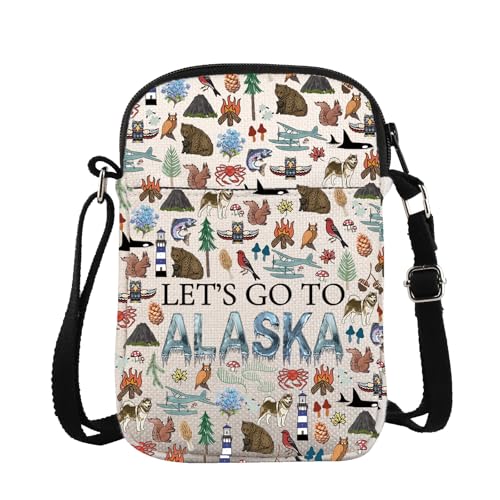
♥Messenger Bag quotes:Let's Go To Alaska.
Key Ports of Call Along the Route
Inside Passage ports combine scenery, history, shopping, museums, wildlife tours, and outdoor excursions. The exact mix depends on your ship and route, but these are the ports most travelers compare when choosing an itinerary.
Products Worth Considering


【Package Includes】You'll receive 6 unique cruise ship door magnets. These magnets help you easily identify your cabin among similar cruise ship doors, adding a touch of personal decor and style to your cruise

Ketchikan
Ketchikan is often one of the first Alaska stops on northbound itineraries. It is known for rainforests, Creek Street, fishing culture, Misty Fjords excursions, and totem-pole sites. The Totem Heritage Center houses an important collection of original 19th-century totem poles retrieved from Tlingit and Haida village sites.
Juneau
Juneau, Alaska’s capital, is one of the most activity-rich cruise ports. Popular choices include whale-watching tours, Mount Roberts Tramway, food tours, glacier-viewing trips, and the Mendenhall Glacier Visitor Center, where trails, exhibits, waterfalls, salmon streams, and wildlife viewing may be part of the experience.
Skagway
Skagway is tied closely to Klondike Gold Rush history. Many visitors ride the White Pass rail route, walk the historic district, visit Gold Rush exhibits, or take excursions into mountain scenery near the U.S.–Canada border. It is a strong port for travelers who like history, rail journeys, and dramatic inland landscapes.
Sitka
Sitka offers a different feel from the busier cruise ports, with Russian colonial history, Tlingit heritage, coastal views, wildlife centers, and access to island and marine excursions. It is a good choice if you want a port that feels less like a standard shopping stop.
Hoonah, Icy Strait Point, Haines, Wrangell, and Petersburg
Some itineraries include smaller communities such as Hoonah/Icy Strait Point, Haines, Wrangell, or Petersburg. These ports can be excellent for wildlife tours, cultural experiences, kayaking, fishing, and a slower pace. They may have fewer big attractions but often feel more local and less crowded.
Glacier Bay and Scenic Cruising Days
Some of the most memorable “ports” are not ports at all. Scenic cruising days may include Glacier Bay, Tracy Arm, Endicott Arm, Hubbard Glacier on cross-Gulf routes, or Misty Fjords on excursions from Ketchikan. Glacier Bay is part of the Kluane / Wrangell-St. Elias / Glacier Bay / Tatshenshini-Alsek UNESCO World Heritage property, a transboundary protected area known for glaciers, mountains, icefields, and wild ecosystems.
Scenic Highlights and Natural Wonders
Cruising through the Inside Passage gives you a moving view of forested shorelines, narrow channels, waterfalls, islands, and snow-dusted peaks. The most scenic moments often happen early in the morning or during dedicated glacier-viewing days, so keep a jacket and binoculars ready even when you are onboard.
| Scenic Highlight | Why It Matters |
|---|---|
| Glacier Bay National Park | A protected national park where many visitors experience tidewater glaciers, mountain scenery, and ranger interpretation from the ship. |
| Tracy Arm or Endicott Arm | Narrow fjords with steep rock walls, waterfalls, floating ice, and glacier views when conditions allow safe navigation. |
| Misty Fjords | Often visited by boat or flightseeing excursion from Ketchikan, with granite cliffs, waterfalls, forest, and remote waterways. |
| Totem Heritage Center and Totem Sites | A chance to learn about Tlingit, Haida, and Tsimshian artistic traditions through preserved poles, contemporary carving, and cultural interpretation. |
The best Inside Passage views are not limited to shore excursions. Plan at least one slow morning or evening on an open deck so you can watch the coastline change as the ship moves through narrow channels.
Wildlife Encounters to Look Forward To
Wildlife is one of the biggest reasons travelers choose an Inside Passage cruise, but sightings are never guaranteed. Depending on the route and month, you may see humpback whales, orcas, harbor seals, sea lions, sea otters, bald eagles, black bears, brown bears, mountain goats, porpoises, and seabirds.
Glacier and fjord areas can be especially rewarding because marine waters, shorelines, forests, and mountain slopes sit close together. The National Park Service describes Glacier Bay’s ocean and land environments as closely intertwined, with many animals tied to the park’s productive marine waters and shorelines.
Warning: Never approach, feed, or crowd wildlife on shore. Follow guide instructions, keep a respectful distance, and use binoculars or a zoom lens instead of trying to get closer.
Onboard Activities and Amenities
Onboard life varies widely by ship, but most Alaska cruises are designed around the scenery. Look for ships with comfortable observation lounges, wraparound decks, indoor viewing areas, and naturalist or ranger-style programming. On glacier days, the best “activity” may simply be standing outside with a warm drink and a camera.
Products Worth Considering

【12X binoculars】Equipped with 12x high power magnification, 25mm objective lens and 138yds/1094yds wide field of view. The best structure to help you look farther, see wider, get the sharp vision but without color-changed or blurred.

[Crystal Clear Optics] Equipped with premium BAK-4 prisms and FMC green multicoated 32mm objective lenses, these compact binoculars offer superior light transmission and true color reproduction. Enjoy a bright and sharp 175ft/1,000yds field of view, ideal for capturing distant wildlife, scenic landscapes, or fast-paced sports actions without blurry frustration.

【High Powered 12x50 Vision】Experience exceptional clarity with 12x fixed magnification and large 50mm objective lenses. This optical combination collects maximum light to deliver bright high definition images during dawn or dusk. At 1.90lb this solid tool provides anti shake stability for long distance viewing without fatigue making it perfect for bird watching or tracking wildlife.
Dining Options Available
Most cruise ships offer a mix of main dining rooms, casual buffets, quick-service venues, specialty restaurants, cafes, and room service. Alaska sailings may feature seafood or regional dishes, but menus vary by cruise line and ship. If dining is important to you, compare included restaurants, specialty dining fees, reservation rules, and flexible dining times before booking.
Entertainment and Recreation
Entertainment can include live music, theater shows, comedy, trivia, enrichment talks, spa treatments, fitness classes, pools, kids’ clubs, and themed events. Larger ships usually have more nightlife and family programming, while smaller ships often focus more on nature talks, outdoor viewing, kayaking, or expedition-style excursions.
Shore Excursions and Local Experiences
Shore excursions can turn a scenic cruise into a deeper trip. The best options depend on your budget, comfort level, and interests, but common choices include whale watching, kayaking, glacier viewing, flightseeing, fishing, hiking, rail trips, food tours, cultural tours, and wildlife-viewing trips.
- Wildlife watching: Juneau, Icy Strait, Sitka, and Glacier Bay-area routes can be strong for marine wildlife, but every tour depends on conditions.
- Kayaking and small-boat tours: A good way to get closer to shorelines, coves, and quiet water, especially on small-group excursions.
- Cultural tours: Look for tours led by local guides, Native cultural centers, museum visits, carving demonstrations, and respectful interpretation.
- Scenic hiking: Choose trails that match your fitness level, footwear, and available port time. Rain can make boardwalks, roots, and rocks slippery.
- Flightseeing: Offers dramatic views but is weather-dependent and often expensive. Book early and understand cancellation policies.
Pro Tip: For must-do excursions such as whale watching, flightseeing, dog-sledding, or small-group kayaking, book early. For casual walks, museums, and town exploration, you may be able to stay flexible and adjust to the day’s weather.
Tips for First-Time Cruisers
First-time Alaska cruisers usually do best when they plan for changing weather, long port days, and scenic viewing from both the ship and shore. A little preparation makes the trip more comfortable.
- Pack layers: Bring a moisture-wicking base layer, fleece or light insulated layer, waterproof jacket, and comfortable walking shoes with traction.
- Bring binoculars: Wildlife often appears at a distance, and binoculars make sea otters, eagles, whales, and shorelines easier to enjoy.
- Check documents early: Many Alaska cruises involve Canada or Vancouver. The U.S. Department of State strongly recommends cruise passengers travel with a passport book, even when a different document may be allowed.
- Download offline maps and confirmations: Port Wi-Fi can be slow, and ship internet may cost extra or work unevenly.
- Prepare for motion: Inside Passage waters are often more protected than open ocean, but rougher conditions can still happen, especially near exposed crossings.
- Use port time carefully: Check all-aboard times, tender requirements, and transportation time before planning independent excursions.
- Watch from open decks: Balcony cabins are convenient, but public decks often give better forward, aft, and side-to-side views.
Frequently Asked Questions
What should I pack for an Inside Passage cruise?
Pack waterproof layers, a warm mid-layer, comfortable walking shoes, binoculars, sunglasses, sunscreen, a hat, gloves for cool mornings, motion-sickness remedies if needed, and a small daypack for excursions. Avoid relying on summer temperatures alone because Southeast Alaska weather can change quickly.
Are there age restrictions for onboard activities?
Yes, some onboard activities have age, height, weight, or supervision rules. Adult-only spas, fitness areas, casino access, certain pools, teen clubs, kids’ clubs, and adventure activities may all have restrictions. Check your cruise line’s policy before sailing.
How can I stay connected while cruising?
Most ships sell Wi-Fi packages, but speed and reliability vary by ship, location, and weather. In ports, your phone may connect to U.S. service in Alaska, but Canadian waters and Vancouver departures can trigger roaming. Download maps, tickets, and excursion details before boarding.
What dining options are available on board?
Most ships offer main dining rooms, buffets, cafes, casual grills, specialty restaurants, and room service. The exact choices depend on the ship. Review your cruise planner before sailing because specialty restaurants may require reservations or extra fees.
Is there a dress code for dining?
Most Alaska cruises are casual during the day and smart casual at dinner. Some lines still offer dressier evenings, while others are more relaxed. Bring one polished outfit if you plan to eat in specialty restaurants or attend formal-style events.
Do all Inside Passage cruises visit Glacier Bay?
No. Some itineraries visit Glacier Bay, while others visit Tracy Arm, Endicott Arm, Hubbard Glacier, College Fjord, or another scenic area. If Glacier Bay is a must-see, book a sailing that lists Glacier Bay National Park clearly on the itinerary.
Which side of the ship is best for an Inside Passage cruise?
There is no single best side for every route because scenery appears on both sides and ships turn during some glacier-viewing days. For the best views, use open public decks where you can move from port to starboard as wildlife, glaciers, and shoreline features appear.
Do I need a passport for an Inside Passage cruise?
Document rules depend on your citizenship, departure port, cruise route, and cruise line. Some U.S. closed-loop cruises have alternatives for U.S. citizens, but a passport book is strongly recommended because it helps if you need to fly home from Canada or another foreign port in an emergency.
Conclusion
An Inside Passage cruise is more than a scenic sailing. It is a route through rainforest channels, glacier country, Alaska Native homelands, historic ports, and wildlife-rich coastal waters. For the best trip, choose your month carefully, compare the exact itinerary, confirm whether Glacier Bay or another glacier area is included, book key excursions early, and pack for rain, wind, sun, and cool evenings. With the right planning, the Inside Passage can feel both comfortable and genuinely wild.
Sources
- Travel Alaska — Inside Passage Region — cruise season, region overview, cultural context, and route background.
- Travel Alaska — Getting to & Around Alaska by Cruise — common Alaska cruise ports and itinerary patterns.
- National Park Service — Cruise Ships in Glacier Bay — Glacier Bay cruise access and vessel-management context.
- UNESCO World Heritage Centre — Kluane / Wrangell-St. Elias / Glacier Bay / Tatshenshini-Alsek — World Heritage designation and glacier landscape context.
- Ketchikan Museums — Totem Heritage Center Exhibits — Totem Heritage Center collection and cultural background.
- U.S. Department of State — Cruise Ships — passport and travel-document guidance for cruise passengers.