

Reaching Istanbul, a city that straddles two continents, is a journey that many travelers find exhilarating. The city is served by two major airports: Istanbul Airport (IST) and Sabiha Gökçen International Airport (SAW). Istanbul Airport, which opened in 2018, is one of the largest airports in the world and offers a plethora of international flights, making it a convenient entry point for travelers from various parts of the globe.
Sabiha Gökçen, located on the Asian side of the city, primarily caters to low-cost carriers and domestic flights. Upon arrival, visitors can easily access the city center through various means of transportation, including taxis, shuttle buses, and the newly established metro line connecting the airport to key districts. For those arriving by land, Istanbul is well-connected by bus and train services from neighboring countries and cities.
The intercity bus terminal, Esenler Otogar, is a bustling hub where travelers can find services to and from various Turkish cities. The train station at Sirkeci, although less frequented for international travel today, still offers scenic routes to places like Edirne and beyond. Once in the city, the vibrant atmosphere of Istanbul greets visitors with its unique blend of modernity and tradition, setting the stage for an unforgettable experience.
Key Takeaways
- Istanbul is easily accessible by air, with two major airports serving the city, as well as by train, bus, and ferry for those coming from nearby cities.
- From luxury hotels to budget-friendly hostels, Istanbul offers a wide range of accommodation options to suit every traveler’s needs and preferences.
- The Hagia Sophia, Blue Mosque, Topkapi Palace, and Grand Bazaar are just a few of the must-see attractions that showcase Istanbul’s rich history and culture.
- Visitors can explore Istanbul’s rich history and culture by visiting ancient landmarks, museums, and art galleries, as well as attending traditional performances and festivals.
- Istanbul’s diverse culinary scene offers a wide range of dining experiences, from street food vendors and local eateries to upscale restaurants serving traditional Turkish cuisine.
- Istanbul’s public transportation system includes buses, trams, ferries, and a metro system, making it easy for visitors to navigate the city and reach their desired destinations.
- Visitors can shop for unique souvenirs such as Turkish carpets, ceramics, spices, and traditional handicrafts at the city’s bustling bazaars and markets.
- While Istanbul is generally a safe city for visitors, it’s important to be mindful of pickpockets and scams, as well as to respect local customs and dress codes.
Accommodation options in Istanbul
Istanbul boasts a diverse range of accommodation options that cater to every budget and preference. From luxurious five-star hotels with stunning views of the Bosphorus to charming boutique hotels nestled in historic neighborhoods, the choices are plentiful. Areas such as Sultanahmet and Taksim are particularly popular among tourists due to their proximity to major attractions and vibrant nightlife.
High-end establishments like the Four Seasons Hotel Istanbul at Sultanahmet offer opulent rooms and exceptional service, while more budget-friendly options like hostels and guesthouses provide a cozy atmosphere for backpackers and solo travelers. For those seeking a more authentic experience, staying in a traditional Ottoman-style guesthouse or a converted historical building can be an enriching choice. Many of these accommodations are located in the heart of the old city, allowing guests to immerse themselves in the local culture.
Additionally, platforms like Airbnb have gained popularity, offering unique stays in local neighborhoods where visitors can experience daily life in Istanbul. Whether one prefers luxury or simplicity, Istanbul’s accommodation landscape ensures that every traveler finds a suitable place to rest after a day of exploration.
Must-see attractions in Istanbul
Istanbul is a treasure trove of attractions that reflect its rich history and cultural diversity. The Hagia Sophia stands as a testament to the city’s Byzantine past, originally built as a cathedral in the 6th century before being converted into a mosque and now functioning as a museum. Its magnificent dome and intricate mosaics draw millions of visitors each year, making it an essential stop on any itinerary.
Just a short walk away lies the Blue Mosque, known for its stunning blue tiles and six minarets. This architectural marvel continues to be an active place of worship, inviting visitors to appreciate its beauty while respecting its sacredness. Another must-see is Topkapi Palace, the former residence of Ottoman sultans.
This sprawling complex offers insight into the opulence of the Ottoman Empire through its lavish courtyards, exquisite tile work, and impressive collections of artifacts, including the famous Topkapi Dagger and the Spoonmaker’s Diamond. For those interested in art and culture, the Istanbul Modern Museum showcases contemporary Turkish art against the backdrop of the Bosphorus. Each attraction tells a story that contributes to the rich tapestry of Istanbul’s identity, making it imperative for visitors to explore these historical sites.
Exploring Istanbul’s rich history and culture
| Category | Metrics |
|---|---|
| Historical Sites | Over 1000 historical sites including Topkapi Palace, Hagia Sophia, and Blue Mosque |
| Museums | More than 80 museums showcasing art, history, and culture |
| Cultural Events | Year-round festivals, concerts, and exhibitions celebrating Istanbul’s diverse culture |
| Cuisine | Rich and diverse culinary traditions influenced by Ottoman, Byzantine, and Middle Eastern cuisines |
| Traditional Crafts | Artisan workshops and markets offering handmade ceramics, textiles, and jewelry |
Istanbul’s history is a fascinating narrative that spans thousands of years, marked by its strategic location at the crossroads of Europe and Asia. The city’s historical significance is evident in its architecture, traditions, and even its culinary practices. The remnants of Byzantine and Ottoman influences are visible throughout the cityscape, from ancient aqueducts to grand palaces.
A visit to the Basilica Cistern offers a glimpse into the engineering prowess of the Byzantines; this underground water reservoir features stunning columns and atmospheric lighting that transport visitors back in time. Cultural experiences abound in Istanbul, with opportunities to engage with local customs and traditions. The Grand Bazaar, one of the oldest covered markets in the world, is not just a shopping destination but also a cultural hub where artisans showcase their crafts.
Visitors can witness traditional carpet weaving or pottery making while bargaining for unique souvenirs. Additionally, attending a Whirling Dervishes ceremony provides insight into Sufi mysticism and Turkish spirituality. These experiences allow travelers to connect with Istanbul’s vibrant culture on a deeper level.
Local cuisine and dining experiences
Istanbul’s culinary scene is as diverse as its history, offering an array of flavors that reflect both traditional Turkish cuisine and international influences. Street food is an integral part of the city’s gastronomic landscape; vendors selling simit (sesame-encrusted bread), döner kebabs, and fresh fish sandwiches can be found at every corner. A visit to Eminönü for a fish sandwich by the Galata Bridge is a quintessential experience that captures the essence of local dining culture.
For those seeking a sit-down meal, numerous restaurants serve authentic Turkish dishes that highlight regional specialties. Meze platters filled with hummus, baba ghanoush, and stuffed grape leaves are perfect for sharing among friends or family. Dining at a traditional meyhane (tavern) allows visitors to enjoy live music while savoring raki—a traditional anise-flavored spirit—paired with fresh seafood or grilled meats.
The culinary journey through Istanbul is not just about food; it’s about experiencing the warmth of Turkish hospitality and the joy of communal dining.
Navigating Istanbul’s public transportation system
Integrated Transportation Network
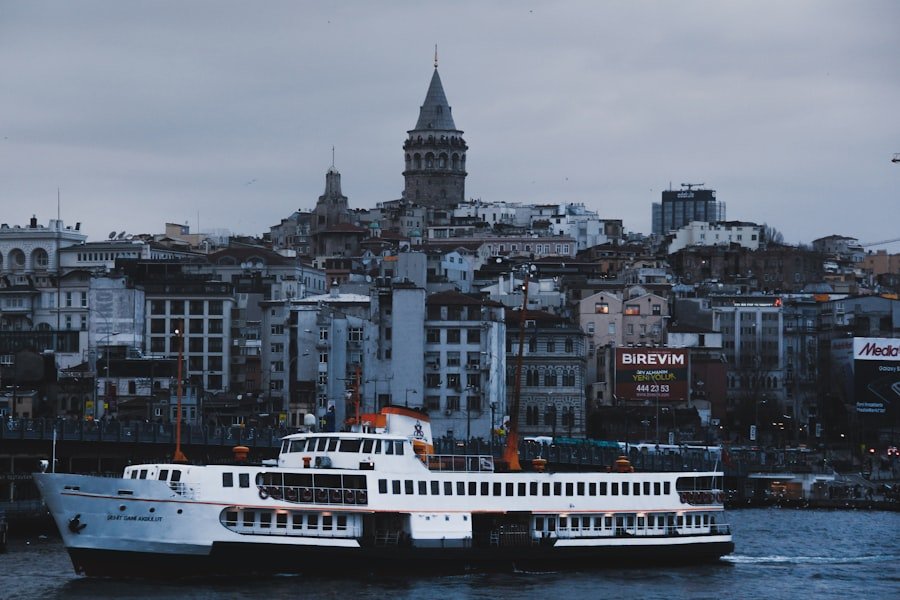
The city boasts an integrated network that includes buses, trams, ferries, and metros, allowing travelers to move seamlessly across the city.
Convenient Travel with Istanbulkart
The Istanbulkart is a convenient rechargeable card that can be used across all modes of transport, allowing travelers to hop on and off without worrying about cash or tickets. This card can be purchased at kiosks throughout the city or at major transit stations.
Exploring Istanbul with Public Transport
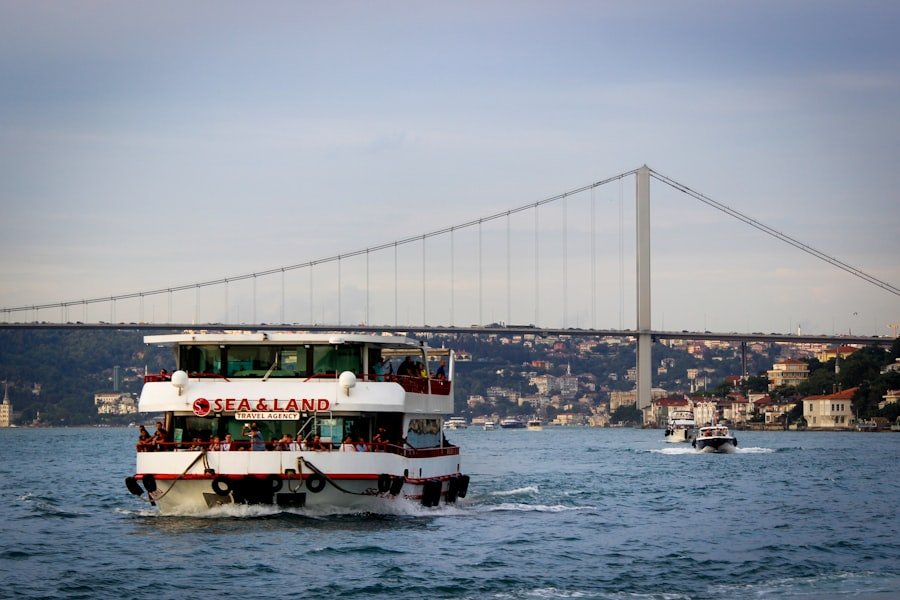
The tram system is particularly useful for tourists as it connects key areas such as Sultanahmet and Taksim Square. The nostalgic tram on Istiklal Avenue offers a charming ride through one of Istanbul’s most vibrant streets lined with shops and cafes. Ferries across the Bosphorus provide not only transportation but also stunning views of the city’s skyline. For those venturing further afield, buses reach neighborhoods that are less frequented by tourists but offer unique experiences. Understanding how to navigate this system enhances one’s ability to explore Istanbul thoroughly.
Shopping and souvenirs in Istanbul
Shopping in Istanbul is an adventure that combines tradition with modernity. The Grand Bazaar remains one of the most iconic shopping destinations in the world, featuring over 4,000 shops selling everything from intricate carpets to handcrafted jewelry. Bargaining is part of the experience here; haggling over prices can lead to delightful interactions with local artisans who take pride in their crafts.
Visitors can find unique souvenirs such as Turkish delight, spices, or beautifully designed ceramics that reflect the rich cultural heritage of Turkey. Beyond the Grand Bazaar, neighborhoods like Nişantaşı and Kadıköy offer contemporary boutiques showcasing local designers and artisanal products. These areas provide a contrast to traditional markets while still celebrating Turkish craftsmanship.
For those interested in textiles, visiting shops specializing in silk scarves or handwoven fabrics can yield beautiful finds that serve as lasting mementos of one’s trip. Whether exploring bustling markets or chic boutiques, shopping in Istanbul is an experience that captures the essence of its vibrant culture.
Safety tips for visitors in Istanbul
While Istanbul is generally safe for tourists, it’s essential to remain vigilant and take standard precautions as one would in any major city. Petty crime such as pickpocketing can occur in crowded areas like public transport or tourist hotspots; therefore, keeping valuables secure and being aware of one’s surroundings is advisable. It’s also wise to avoid displaying expensive items or large amounts of cash openly.
When exploring neighborhoods outside typical tourist areas, it’s beneficial to research beforehand or seek recommendations from locals or hotel staff regarding safe areas to visit. Additionally, using reputable transportation services—whether taxis or rideshare apps—can enhance safety during nighttime travel. Understanding local customs and respecting cultural norms also contribute to a positive experience while ensuring personal safety during one’s stay in this enchanting city.
If you’re looking for a break from exploring Istanbul, why not delve into the delightful world of Asian melon? Check out this article here to learn more about this refreshing fruit and how to enjoy it.
FAQs
What is the best time to visit Istanbul?
The best time to visit Istanbul is during the spring (April to May) and fall (September to November) when the weather is mild and the tourist crowds are smaller.
What are the must-see attractions in Istanbul?
Some of the must-see attractions in Istanbul include the Hagia Sophia, Blue Mosque, Topkapi Palace, Grand Bazaar, and the Bosphorus Strait.
What is the currency used in Istanbul?
The currency used in Istanbul is the Turkish Lira (TRY).
What is the transportation system like in Istanbul?
Istanbul has a comprehensive public transportation system including buses, trams, ferries, and a metro. Taxis and ridesharing services are also widely available.
Is it safe to drink tap water in Istanbul?
It is generally not recommended to drink tap water in Istanbul. It is safer to stick to bottled water.
What are some traditional Turkish dishes to try in Istanbul?
Some traditional Turkish dishes to try in Istanbul include kebabs, mezes, baklava, Turkish delight, and Turkish tea.
What are some cultural customs to be aware of in Istanbul?
Visitors to Istanbul should be aware of local customs such as removing shoes before entering a home or mosque, and showing respect in religious sites. It is also customary to greet people with a handshake and maintain modest dress in certain areas.