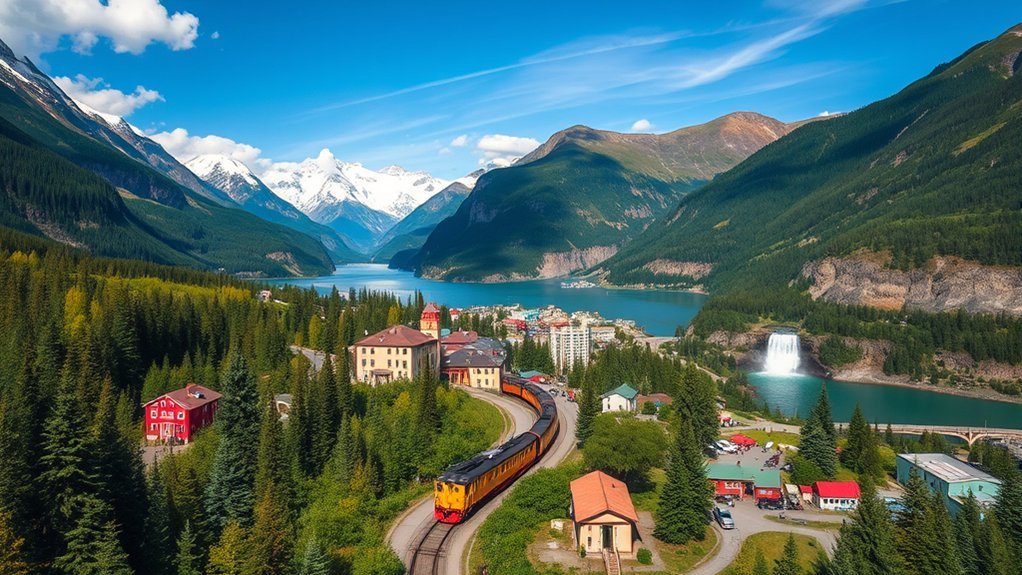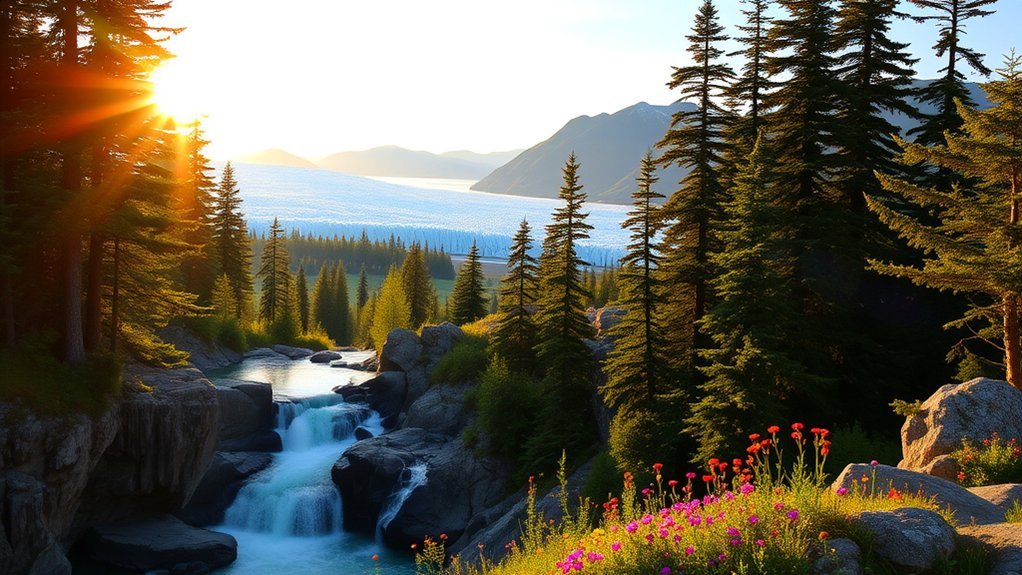
Juneau combines glaciers, wildlife, mountain trails, Alaska Native culture, mining history, and a compact downtown in one destination. The city is unusual because you cannot simply drive there from the rest of Alaska or Canada. Whether you arrive by plane, ferry, or cruise ship, a little advance planning will help you make the most of Mendenhall Glacier, museums, whale watching, hiking, food, and seasonal activities.
Quick Answer
Juneau is best experienced by combining Mendenhall Glacier, a wildlife or whale-viewing trip, downtown history and Alaska Native culture, and at least one trail or scenic outing. Because Juneau has no road connection to the continental highway system, plan air or ferry access, reserve popular summer activities early, and pack for rain.
Key Takeaways
- Mendenhall Glacier is about 13 miles from downtown and is one of Juneau’s easiest major natural attractions to visit.
- Whale-watching season generally runs from April through November, although wildlife sightings are never guaranteed.
- Juneau has no road connection to the continental highway system, so travelers arrive by air or water.
- Rain-ready layers, waterproof footwear, and flexible plans are useful in every season.
- Check current attraction, ferry, trail, and weather notices before departure because operating conditions can change quickly.
Getting to Juneau: Transportation Options
Juneau is Alaska’s capital, but there is no highway connecting it to the rest of Alaska, Canada, or the Lower 48. Most visitors therefore arrive by plane, ferry, or cruise ship.
If you fly, you will arrive at Juneau International Airport. The City and Borough of Juneau lists Capital Transit, hotel transfers, rental cars, taxis, Uber, and Lyft among the ground-transportation options. Check the airport’s current passenger-services information before your trip because providers and schedules can change.
The Alaska Marine Highway System connects Juneau with Southeast Alaska communities including Haines and Sitka, as well as other ports depending on the schedule. Ferry travel can be a scenic part of the trip, but sailings are not equivalent to frequent city-to-city bus service. Check the official AMHS schedule and service notices before booking.
Cruise ships are another common way to reach Juneau. If Juneau is only one stop on your itinerary, pay close attention to your ship’s all-aboard time when booking independent tours.
Note: Ferry operations can change because of weather, vessel availability, terminal issues, and other conditions. Check AMHS service notices close to your travel date rather than relying on an old itinerary.
Getting Around Juneau
Downtown Juneau is compact enough to explore many shops, restaurants, museums, government buildings, and waterfront sights on foot. Attractions farther from downtown require more planning.
- Rental car: Useful if you want flexibility for Mendenhall Valley, Douglas Island, trailheads, and stops along Glacier Highway.
- Taxi or rideshare: Convenient for point-to-point trips, although availability may be tighter during busy cruise-ship periods.
- Capital Transit: Useful for parts of the city, but it is not a direct sightseeing shuttle to every major attraction.
- Guided transportation: Often the simplest choice for visitors with limited port time or anyone combining transportation with a glacier, wildlife, or sightseeing tour.
If you are arriving by ferry, note that the Juneau ferry terminal is in the Auke Bay area rather than in the downtown cruise-ship district. Build the transfer into your schedule.
Top Attractions in Juneau
Juneau’s strongest attractions combine its glacial landscape, living cultural heritage, wildlife, and gold-rush history. The best choice depends on your available time, mobility, weather, and season.
Glacial Wonders Exploration
Mendenhall Glacier is the most accessible major glacier experience near Juneau. The U.S. Forest Service operates the Mendenhall Glacier Visitor Center and surrounding recreation area, where viewpoints and trails provide different ways to see the glacier and landscape.
For the 2026 summer season, the Forest Service lists visitor-center hours of 9 a.m. to 6 p.m., seven days a week from May through September. The surrounding grounds are generally open longer. The current day-use fee is $5 per person age 16 and older in areas where a pass is required, while some trails and parking areas do not require that fee. Always confirm the latest details on the official Forest Service visitor-center page before leaving.
The relatively easy Nugget Falls Trail is a popular choice if you want a closer view of the waterfall and surrounding scenery. Photo Point and other short walks are better options when time or mobility is limited.
Guided kayaking, glacier excursions, and flightseeing can offer very different perspectives on the Juneau Icefield and surrounding landscape. Choose a qualified local operator and follow all safety restrictions around ice, water, wildlife, and aircraft operations.
Pro Tip: Do not assume the public bus will drop you directly at the Mendenhall visitor center. Compare a tour shuttle, taxi, rideshare, or rental car if you have limited time, especially on a cruise-port day.
Historic Sites Tour
Juneau’s downtown historic sites tell the story of Alaska Native communities, mining, territorial government, statehood, immigration, and the city’s growth as Alaska’s capital.
| Historic Site | Why Visit | What to Know |
|---|---|---|
| Alaska State Capitol | Political center of Alaska | See the working state capitol and learn about Alaska government; access can vary with official business. |
| Last Chance Mining Museum | Gold-mining history | Seasonal museum with mining equipment and artifacts; check current opening days before walking up Basin Road. |
| St. Nicholas Russian Orthodox Church | Religious and cultural history | Historic church dating to the 1890s; be respectful if services or religious activities are underway. |
| Juneau-Douglas City Museum | Local history and community stories | A useful introduction to Juneau before exploring downtown. |
| Alaska Governor’s Mansion | State political history | View the historic exterior while walking the neighborhood; routine interior sightseeing should not be assumed. |
The Last Chance Mining Museum is especially interesting for mining history, but it is seasonal and reached by a short walk on uneven terrain. The Juneau-Douglas City Museum is a more convenient downtown choice when weather or time is limited.
Wildlife Viewing Adventures
Juneau is a strong wildlife-viewing destination, particularly for humpback whales. Travel Juneau identifies April through November as the main whale-watching season in the northern Inside Passage. Boat trips may also encounter seals, sea lions, eagles, and other marine wildlife, depending on the route and conditions.
Black bears also live in and around Juneau, including forested areas and places near salmon streams. Seeing a bear can be memorable, but it should happen from a safe distance rather than through an attempt to approach or follow the animal.
Kayaking and guided wildlife cruises can provide a quieter view of the coastline and fjords. Choose an outing that matches your experience, weather conditions, and available time.
Warning: Juneau is bear country. Alaska Department of Fish and Game advises travelers to stay alert, make noise to avoid surprising bears, never approach or crowd them, secure food and garbage, remain calm during an encounter, and never run. Review the official bear-country guidance before hiking.
Goldbelt Tram and Mount Roberts
The Goldbelt Tram normally provides a direct ride from the downtown waterfront toward Mount Roberts, but travelers should not currently build an itinerary around tram transportation without checking its status.
August 16, 2026 status: The Goldbelt Tram reports that tram operations are temporarily closed while assessments continue. Its lower-terminal experience remains available. Check the official site for reopening information before your visit.
Experienced hikers can consider the Mount Roberts trail system when conditions and access permit, but a tram closure means you should not assume you can ride down after hiking up. Carry enough water and clothing for the complete outing.
Outdoor Adventures: Hiking and Wildlife
Juneau has an extensive trail network through temperate rainforest, mountains, wetlands, and historic mining areas. Conditions range from short accessible walks to steep, strenuous mountain routes.
The Perseverance Trail is a popular historic route above downtown with mountain scenery, waterfalls, and mining history. Stay on established trails and pay attention to posted closures, weather, wildlife, and slippery surfaces.
Juneau’s trail experience changes quickly with elevation and weather, so the best hike is the one that matches current conditions, your available daylight, and your actual fitness level.
The Mount Roberts Trail provides a more demanding climb and broad views when conditions cooperate. Do not rely on the tram as a backup descent while tram operations are closed.
Even on a short hike, carry water, rain protection, and a charged phone, tell someone where you are going, and turn around if conditions become unsafe. Wildlife should always be observed without blocking its path or moving closer for a photograph.
Exploring Juneau’s Rich History
Juneau’s story began long before the gold rush. Alaska DNR records that Auke Tlingit people maintained fish camps at stream mouths in what is now the City and Borough of Juneau. In 1880, Auke Chief Kowee led prospectors Joe Juneau and Richard Harris to Gold Creek, where a gold discovery helped trigger rapid non-Native settlement and mining development.
The city later became Alaska’s political center. Government offices physically moved from Sitka to Juneau in 1906, and Juneau remained the capital when Alaska became a territory in 1912 and a state in 1959.
| Date | Event |
|---|---|
| 1880 | Gold was found near Gold Creek, accelerating mining settlement in the Juneau area. |
| 1900 | Juneau was among the first Alaska communities to incorporate after federal municipal legislation. |
| 1906 | Alaska’s government offices physically moved from Sitka to Juneau. |
| 1912 | Alaska became a U.S. territory, with Juneau remaining its capital. |
| 1959 | Alaska became the 49th state, with Juneau as the state capital. |
| 1970 | The City of Juneau, City of Douglas, and Greater Juneau Borough unified as the City and Borough of Juneau. |
You can explore this history through downtown architecture, museums, mining sites, government buildings, and interpretation of the region’s continuing Tlingit heritage. The Alaska Office of History and Archaeology provides additional background on Juneau’s development.
Cultural Experiences: Museums and Art
Juneau’s cultural scene is one of the best ways to understand the region beyond its scenery. The Alaska State Museum presents collections related to Alaska’s Indigenous cultures, history, art, and communities.
The Juneau-Douglas City Museum focuses more closely on local history and community life. Because museum schedules can change by season, confirm opening hours before making a special trip.
For living Alaska Native culture and contemporary cultural work, add Sealaska Heritage Institute and the Walter Soboleff Building to your downtown plans. Its programs and exhibits provide important context for Tlingit, Haida, and Tsimshian art, languages, and traditions.
Public art, carvings, galleries, and rotating exhibitions are also scattered through downtown. Rather than treating them as background decoration, take time to learn who created a work and what cultural tradition or community it represents.
Best Places to Eat and Drink
Juneau’s food scene includes Alaska seafood, casual waterfront dining, coffee shops, bakeries, and more polished dinner options. Operating days can change seasonally, so check current hours before walking across town specifically for one restaurant.
| Restaurant | Highlights |
|---|---|
| Tracy’s King Crab Shack | King crab and casual seafood near the downtown waterfront. |
| The Hangar on the Wharf | Waterfront setting, seafood, and a broad casual menu. |
| The Rookery Cafe | Coffee, baked goods, breakfast, and bistro-style food. |
| SALT | Alaska seafood, steaks, and cocktails in a more polished setting. |
Fresh halibut, salmon, crab, and other Alaska seafood are natural choices when available. If a specific restaurant matters to you, verify reservations, opening days, and seasonal hours rather than relying on an old dining list.
Seasonal Activities: What to Do Year-Round
Juneau changes significantly with the seasons. Summer brings long daylight, cruise traffic, hiking, glacier sightseeing, and wildlife tours. Winter is quieter and emphasizes skiing, snow activities, arts, and local community events.
Winter Sports Adventures
Eaglecrest Ski Area on Douglas Island is Juneau’s community-owned ski area and offers skiing and snowboarding when seasonal operations and snow conditions allow.
Snowshoeing can provide a quieter way to explore winter landscapes. Sledding and other snow activities may also be possible in appropriate locations. If you are considering ice fishing, go only where local regulations and verified ice conditions support it, and use knowledgeable local guidance if you are unfamiliar with winter ice safety.
Winter daylight, roads, trails, and mountain weather require more conservative planning than a summer visit. Check current conditions before leaving town.
Summer Wildlife Tours
Summer is one of Juneau’s busiest wildlife-viewing periods, but the main humpback whale-watching season extends from April through November. Tours operate in the waters around Juneau and the northern Inside Passage, where humpbacks feed seasonally.
Depending on your route, you may also see seals, sea lions, eagles, and other wildlife. Kayaking can offer a quieter perspective, while guided boat tours cover more water.
Black bears may be active around salmon streams, forests, and the Mendenhall area. Observe them from a safe distance and follow ADF&G guidance rather than moving closer for photographs.
Wildlife is never guaranteed. Choose tours for the overall experience, scenery, natural-history interpretation, and responsible viewing practices rather than promises of a particular encounter.
Year-Round Cultural Events
Juneau’s arts calendar remains active outside the main visitor season. The First Friday program brings artists, galleries, organizations, businesses, and the public together on the first Friday of every month.
In December, the city’s Gallery Walk is a long-running community tradition. Other annual programs include Juneau Jazz & Classics and the Alaska Folk Festival, with dates varying from year to year.
Always check the current event calendar before traveling specifically for a festival. Some events change venues, dates, or programming each year.
Where to Stay in Juneau
The best area to stay depends on what you want to do:
- Downtown: Best for travelers who want to walk to museums, restaurants, the waterfront, shops, government buildings, and many tour departure points.
- Mendenhall Valley and airport area: Convenient for the airport, Mendenhall Glacier, and travelers using a rental car.
- Douglas Island: A quieter option with convenient access to some outdoor recreation and Eaglecrest, provided you are comfortable arranging transportation.
Summer rooms can sell out well in advance. Compare cancellation terms and transportation needs before choosing solely by nightly price.
Suggested Itineraries for Different Travelers
Your best itinerary depends on whether you have a few hours from a cruise ship, a full day, or several days in town. Avoid packing so many reservations into one day that a weather delay or transportation issue ruins the schedule.
| Type of Traveler | Suggested Activities | Duration |
|---|---|---|
| Adventure Seeker | Hike the Mount Roberts or Perseverance area when conditions allow, plus a guided kayak or glacier-area outing. | Full Day |
| Culture Lover | Alaska State Museum, Sealaska Heritage Institute, Juneau-Douglas City Museum, State Capitol, and historic downtown. | Half to Full Day |
| Family Fun | Mendenhall Glacier, an easy viewpoint or Nugget Falls walk, plus a family-appropriate wildlife tour or Glacier Gardens. | Full Day |
| Relaxation | Waterfront stroll, scenic cruise when available, leisurely seafood meal, galleries, coffee, or a spa appointment. | Half Day |
| Cruise Visitor | Mendenhall Glacier plus one downtown museum, cultural stop, or meal, with a generous return buffer before all-aboard. | 4 to 6 Hours |
If you have two days, use one for Mendenhall Glacier and wildlife or outdoor activities and the other for downtown history, museums, Alaska Native culture, food, and a weather-dependent trail.
Tips for Traveling in Juneau
Juneau rewards flexible planning. Rain, low clouds, marine conditions, trail conditions, and seasonal schedules can change what is practical on a given day.
- Book high-priority summer tours early: Whale watching, glacier activities, flightseeing, and popular excursions can fill during busy cruise days.
- Keep a weather backup: Museums, cultural sites, restaurants, and downtown attractions work well when mountain or marine conditions disrupt outdoor plans.
- Check official status pages: Do this for ferries, Mendenhall Glacier, the Goldbelt Tram, Eaglecrest, and any major trail or tour you are relying on.
- Leave wildlife alone: Never feed, follow, surround, or approach bears or other animals.
- Plan transportation before leaving downtown: Not every attraction has direct public-transit service.
- For cruise visits, protect your return time: Know your ship’s all-aboard deadline and allow extra time for traffic, weather, and tour delays.
- Ask about accessibility before booking: Boat boarding, historic buildings, trails, and tour vehicles vary considerably in physical access.
Local staff, museum interpreters, guides, and visitor-information services can also help you understand current conditions rather than relying entirely on an old online itinerary.
Packing Essentials for Your Juneau Trip
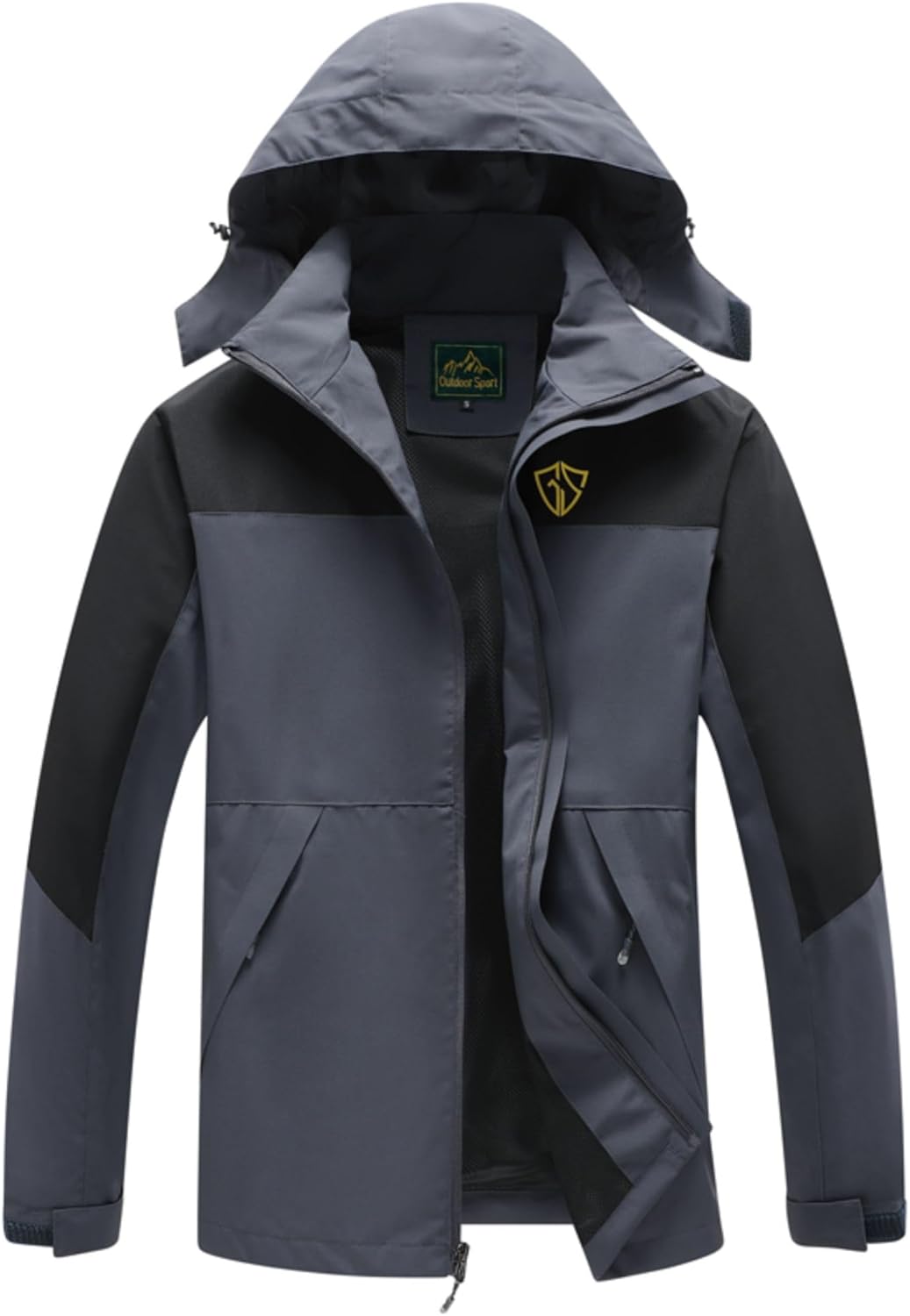
Juneau lies in Southeast Alaska’s temperate rainforest. The National Weather Service recommends layering, a waterproof hooded jacket, and sturdy footwear. Even in summer, conditions can feel cool and wet, particularly on boats, at higher elevations, and in wind.
Clothing for All Seasons
Layering makes it easier to adapt as temperature, wind, rain, and activity level change. Choose clothing that remains useful when damp rather than relying on one bulky outer layer.
| Essential Item | Purpose | Seasonality |
|---|---|---|
| Waterproof Hooded Jacket | Blocks rain and wind | Year-round |
| Warm Mid-Layer | Adds insulation without requiring a heavy coat | Year-round; especially useful fall through spring |
| Quick-Drying Base Layers | Improves comfort during active days | Year-round |
| Sturdy Water-Resistant or Waterproof Footwear | Helps on wet pavement, trails, and slippery surfaces | Year-round |
| Warm Hat and Gloves | Useful in cold, wind, boats, and higher elevations | Essential in colder months; useful on some summer outings |
The National Weather Service Juneau office is a reliable place to check current conditions and local climate guidance.
Outdoor Gear Essentials
A sturdy pair of waterproof or water-resistant hiking shoes can make wet trails far more comfortable. Carry a reliable daypack with water, snacks, rain protection, and any medication you need.
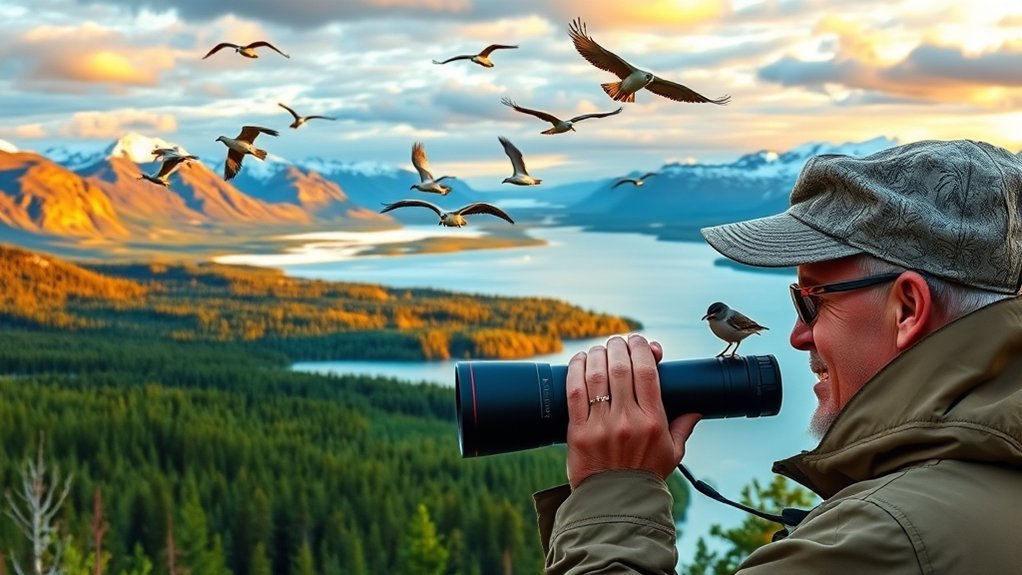
Binoculars are useful for watching wildlife without approaching it. Trekking poles can improve stability on steep, muddy, or uneven routes. A lightweight dry bag or waterproof pouch can protect electronics during marine or rainy activities.
Summer visitors should also consider sunglasses, sunscreen, and a sleep mask because long northern daylight can affect sleep. In colder seasons, add warmer insulation, gloves, and traction appropriate to current conditions.
If you plan to hike in bear country, learn how to avoid surprise encounters and how to use any deterrent you choose to carry before heading onto the trail.
Frequently Asked Questions
What is the best time to visit Juneau for whale watching?
The main whale-watching season is generally April through November, when humpback whales feed in the northern Inside Passage. Summer offers long daylight and the greatest concentration of visitor services, but no tour can guarantee a wildlife sighting.
Are there any local festivals or events in Juneau?
Yes. First Friday takes place monthly, while the December Gallery Walk is a local holiday-season tradition. Juneau Jazz & Classics and the Alaska Folk Festival are other notable recurring events. Check each organizer’s current calendar because dates and programs change.
What are some unique souvenirs to buy in Juneau?
Look for work by Alaska Native and other Alaska artists, locally made jewelry, prints, carvings, books, and Alaska foods that can legally and safely travel home with you. When buying Indigenous art, choose sellers who clearly identify the artist and cultural origin rather than treating culturally significant designs as generic souvenirs.
Is Juneau family-friendly for children of all ages?
Yes. Families can choose from Mendenhall Glacier viewpoints, museums, short walks, wildlife cruises, gardens, and downtown attractions. Match trails and boat trips to each child’s mobility, comfort, and attention span, and ask tour companies about age and safety requirements before booking.
How do I find guided tours in Juneau?
Use official destination resources and established local operators, compare recent reviews and cancellation policies, and confirm exactly what transportation, equipment, admission, and return timing are included. Cruise passengers should also verify that the tour schedule leaves enough time to return before their ship’s all-aboard deadline.
Can you drive to Juneau?
You can drive within Juneau, but there is no road connecting the city to the continental highway system. Visitors arrive by air or water. Travelers bringing a vehicle from another community normally need an appropriate ferry connection.
How far is Mendenhall Glacier from downtown Juneau?
The Mendenhall Glacier Visitor Center is about 13 miles from downtown Juneau. Travel time varies with traffic and transportation method, so cruise passengers should include the return trip when deciding how long to spend there.
Is the Goldbelt Tram open in 2026?
As of August 16, 2026, Goldbelt reports that tram operations are temporarily closed while assessments continue. The lower-terminal experience remains available. Check Goldbelt’s official website immediately before your visit for the latest reopening status.
Conclusion
Juneau is at its best when you balance its headline sights with enough flexibility for Southeast Alaska’s weather and changing conditions. Start with Mendenhall Glacier, add wildlife or a trail if conditions allow, and leave time for downtown history, Alaska Native culture, museums, and local food. Reserve high-priority summer activities early, follow wildlife-safety guidance, and verify current operating information before departure. With those basics covered, you can spend less time solving logistics and more time experiencing Alaska’s capital.
Sources
- U.S. Forest Service: Mendenhall Glacier Visitor Center — current visitor-center hours, access, recreation-area information, and fees.
- Alaska Office of History and Archaeology: Juneau — Juneau history, incorporation, government transfer, statehood, and 1970 unification.
- Alaska Department of Fish and Game: Traveling in Bear Country — bear awareness and encounter safety.
- National Weather Service Juneau: Local Area Information — Southeast Alaska climate and clothing recommendations.
- Alaska Marine Highway System — current ferry schedules and route planning.
- Travel Juneau: Whale Watching & Wildlife Viewing — Juneau whale-watching season and wildlife-planning information.