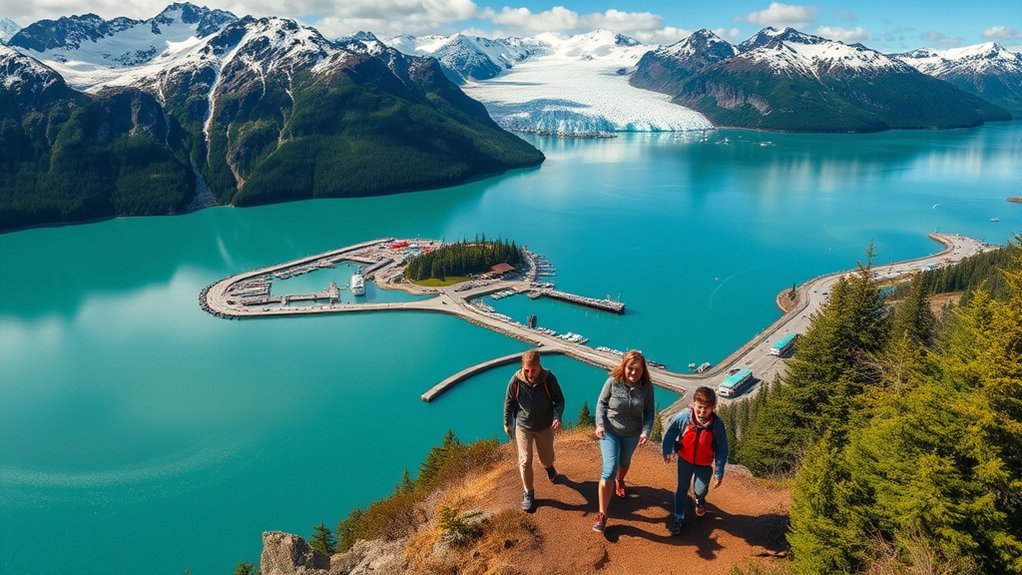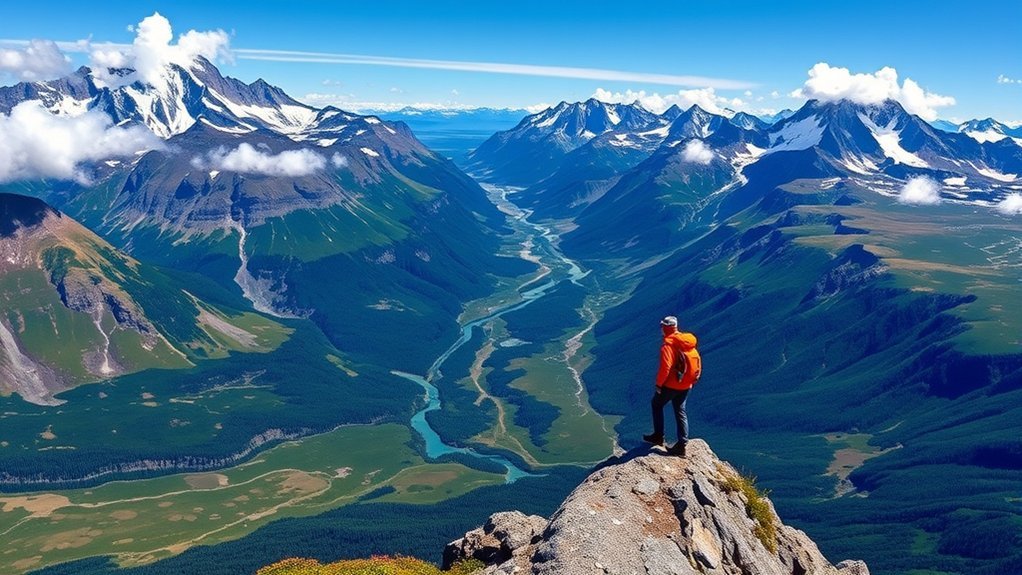
Kenai Fjords National Park brings together glaciers, mountains, coastal fjords, forests, and marine wildlife on Alaska’s Kenai Peninsula. Most visitors base their trip in Seward, then choose between road access to Exit Glacier and water-based trips into the coastal fjords. Good planning matters because weather can change quickly, some areas are remote, and many of the park’s best sights are accessible only by boat, kayak, or backcountry travel.
Quick Answer
The easiest way to visit Kenai Fjords National Park is to stay in Seward and visit the Exit Glacier area by road. For the coastal fjords, glaciers, and marine wildlife, most visitors use a boat tour or guided kayak trip. Summer offers the broadest access, but weather can change quickly, so check current NPS conditions before leaving.
Key Takeaways
- Seward is the main gateway for visitors to Kenai Fjords National Park.
- Exit Glacier is the only part of the park accessible by road.
- The park’s coastal fjords are best experienced by boat, kayak, or other water-based trips.
- At least 38 glaciers flow from the Harding Icefield.
- The park has no entrance fee, and its Exit Glacier campground has no camping fee.
- Weather, wildlife, food storage, and water conditions require careful planning.
Overview of Kenai Fjords National Park
Kenai Fjords National Park sits on the southeastern side of Alaska’s Kenai Peninsula, near the coastal community of Seward. The park is shaped by the meeting of mountains, ice, and the North Pacific Ocean. The Harding Icefield is its dominant landform and supplies at least 38 glaciers that flow toward the coast. :contentReference[oaicite:23]{index=23}
The park can be understood in three main areas: the Exit Glacier area, the coastal fjords, and the Harding Icefield. Each offers a different experience. Exit Glacier is the easiest area to reach, while the coastal fjords are commonly visited by boat or kayak. The Harding Icefield is a demanding mountain environment that requires stronger preparation.
Nearly half of the park is covered by ice, and glaciers have shaped much of its rugged terrain. As glaciers retreat, newly exposed rock and soil create opportunities for plants and other organisms to establish new habitats. :contentReference[oaicite:24]{index=24}
Getting There: Access and Transportation
Most visitors travel to Seward before visiting Kenai Fjords National Park. From Anchorage, the drive to Seward generally takes about 2.5 to 3 hours, although traffic, road conditions, and stops can change the total travel time. :contentReference[oaicite:25]{index=25}
Once you reach Seward, your transportation choice depends on what you want to see. The Kenai Fjords National Park Visitor Center is located at the Seward Small Boat Harbor, outside the park. The only road into the park leads to the Exit Glacier area, about 12 miles from Seward. :contentReference[oaicite:26]{index=26}
The coastal fjords are different. There is no road network through this remote part of the park. Visitors commonly use commercial boat cruises, water taxis, guided kayaking trips, or other authorized transportation to reach coastal areas.
At a Glance
| Time Required | A quick visit can focus on Exit Glacier; a fuller trip can take 2–4 days in the Seward and Kenai Fjords area. |
| Difficulty | Easy to strenuous, depending on whether you visit viewpoints, hike the Harding Icefield Trail, kayak, or enter the backcountry. |
| Tools Needed | Layered clothing, waterproof gear, sturdy footwear, water, food, navigation equipment, and appropriate safety gear for your activity. |
| Cost | No entrance fee or park pass is required. Tours, transportation, lodging, cabins, and other services have separate costs. |
Note: Kenai Fjords National Park has no cell phone service or public Wi-Fi, including in the Exit Glacier area. Download maps and important information before leaving Seward.
Best Time to Visit
The best time to visit depends on the activities you want to do. Summer is the main visitor season, with longer daylight and the broadest range of services and organized activities. June through August is especially popular for hiking, cruises, kayaking, and wildlife viewing.
Late spring and early fall can offer a quieter experience, but conditions become less predictable. Some visitor facilities and services operate seasonally, so check the National Park Service before traveling.
Weather Patterns and Climate
Kenai Fjords has a maritime climate influenced by the Gulf of Alaska. The NPS describes summer daytime temperatures as ranging from the mid-40s to the low 70s°F. Overcast, cool, rainy days are common. Winter temperatures can range from the low 30s to around -20°F. :contentReference[oaicite:27]{index=27}
Do not plan a trip around a single temperature forecast. Rain, wind, low clouds, snow, and rapidly changing conditions can affect hiking and water travel. Pack layers and waterproof clothing even during summer.
Wildlife Viewing Seasons
Summer is a strong period for wildlife viewing. Humpback whales feed in the waters around Kenai Fjords during the warmer months, while puffins, murres, eagles, sea otters, harbor seals, and other marine and coastal species may be seen in different habitats. :contentReference[oaicite:28]{index=28}
Wildlife sightings are never guaranteed. Boat crews and guides can help visitors understand where animals are being seen, but conditions and animal movements change from day to day.
Top Hiking Trails
The Exit Glacier area provides the park’s easiest road-based hiking access. Trails begin near the Exit Glacier Nature Center and parking area, making this a practical choice for visitors with limited time.
Exit Glacier Trails
The Glacier View Loop is an accessible one-mile loop that provides a panoramic view of Exit Glacier. The Glacier Overlook Trail continues toward a closer viewpoint and is moderately strenuous. The current NPS information also identifies the Harding Icefield Trail as an approximately 8-mile round-trip hike for visitors looking for a much more demanding day hike. :contentReference[oaicite:29]{index=29}
Trail conditions can change with weather and season. Check current conditions before setting out, especially if you plan to hike toward the Harding Icefield.
Harding Icefield Trail
The Harding Icefield Trail is a strenuous mountain hike with significant elevation gain and changing alpine conditions. Snow can remain on the route during shoulder seasons and winter. NPS warns that winter conditions can turn the route into a mountaineering challenge involving steep snow-covered slopes, difficult route-finding, and avalanche hazards. :contentReference[oaicite:30]{index=30}
Warning: Do not treat the Harding Icefield Trail as a casual scenic walk. Weather and snow conditions can change quickly. Carry appropriate equipment and experience for the conditions you expect, and check current NPS alerts before starting.
Wildlife Viewing Opportunities
Kenai Fjords offers wildlife viewing in both marine and terrestrial habitats. Boat trips can provide opportunities to see whales, sea otters, seals, sea lions, puffins, and other seabirds. Bald eagles are also common in the park. :contentReference[oaicite:31]{index=31}
Marine Life Encounters
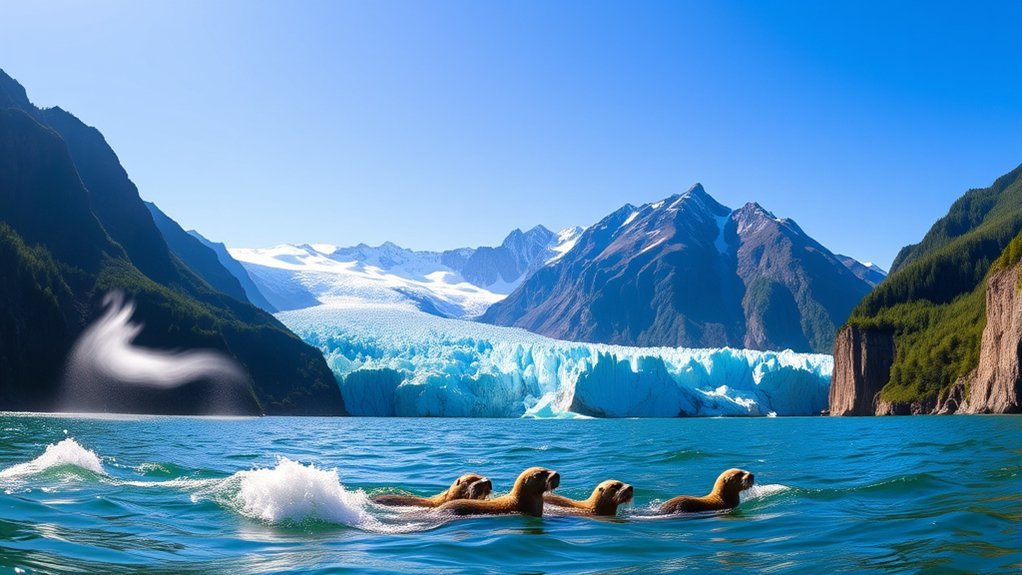
Humpback whales are among the major attractions in the park’s coastal waters. NPS information notes that humpbacks use the area as summer feeding habitat. Sea otters are also found around Resurrection Bay and the fjords, while harbor seals and Steller sea lions use coastal habitats and ice flows. :contentReference[oaicite:32]{index=32}
Keep binoculars or a camera ready, but give wildlife plenty of space. Do not approach, follow, feed, or attempt to attract animals for a closer view.
Birdwatching Hotspots
Coastal cliffs and islands provide habitat for seabirds such as tufted and horned puffins and common murres. Forested areas and open landscapes support species such as bald eagles and other birds. :contentReference[oaicite:33]{index=33}
- Sea cliffs: Look for nesting seabirds, including puffins and murres.
- Coastal waters: Watch for eagles, sea otters, seals, and whales.
- Forested areas: Keep an eye out for bald eagles and other land birds.
Pro Tip: Bring binoculars instead of relying on a phone camera’s zoom. Wildlife can be surprisingly far away, and keeping your distance protects both you and the animals.
Kayaking and Water Activities
Kayaking can provide a close view of the fjords, cliffs, glaciers, and marine wildlife, but the surrounding waters require serious preparation. The fjords are exposed to the Gulf of Alaska, have limited protected coves, and can experience strong winds, rain, surf, and ocean swell. NPS specifically warns that these waters are not suitable for beginners traveling without the necessary skills and preparation. :contentReference[oaicite:34]{index=34}
Inexperienced paddlers should consider a guided trip with an authorized operator. Wear a properly fitted personal flotation device and use equipment appropriate for cold-water conditions. Check weather and water conditions before departure.
Kayaking near a tidewater glacier also requires distance and awareness. Glacier calving can produce waves and falling ice, while cold water creates an additional risk if a paddler capsizes.
Glacier Tours and Scenic Cruises
For many visitors, a boat cruise from Seward is the most practical way to see the coastal side of Kenai Fjords National Park. Cruises can travel through fjords and past glaciers while providing opportunities to look for whales, sea otters, seals, sea lions, and seabirds.
Glacier viewing is one of the main reasons to take a cruise. Tidewater glaciers can calve ice into the sea, although the timing of calving is unpredictable. The Harding Icefield feeds at least 38 glaciers, several of which extend toward the park’s coastal environment. :contentReference[oaicite:35]{index=35}
Kenai Fjords brings together three major elements that shape the visitor experience: a large icefield, glacier-carved terrain, and a rugged North Pacific coastline.
When comparing cruises, check the route, trip length, glacier destinations, wildlife focus, vessel type, and cancellation policy. Weather can affect routes and viewing conditions.
Camping and Lodging
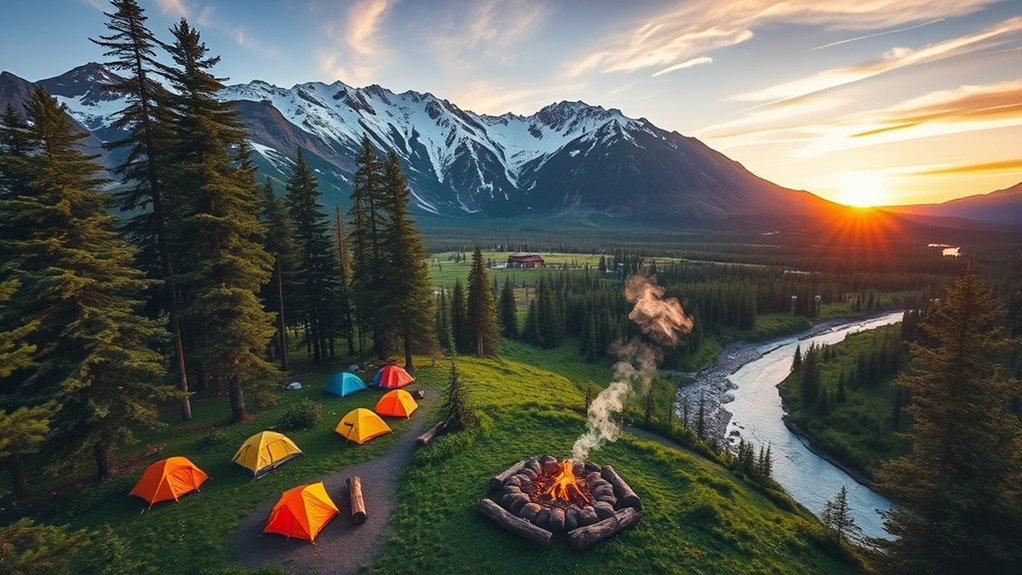
Kenai Fjords has one developed frontcountry campground at Exit Glacier. It is a 12-site, walk-in, tent-only campground. Sites are first-come, first-served, and the stay limit is 14 days. The campground frequently fills by early evening during July and August. :contentReference[oaicite:36]{index=36}
There are no RV campsites inside the park, and overnight parking is not permitted in the Exit Glacier parking lot. Nearby Seward also offers lodging and camping options for visitors who want easier access to restaurants, transportation, and tour operators. :contentReference[oaicite:37]{index=37}
Kenai Fjords also has public-use cabins. Reservations are required for these cabins, and visitors need to bring their own food, clothing, sleeping equipment, cooking supplies, water or water-treatment equipment, and emergency gear. :contentReference[oaicite:38]{index=38}
Camping Rules and Food Storage
Food storage is an important safety issue in a remote Alaskan park. At the Exit Glacier campground, cooking and storing food in campsites is prohibited. A central food-storage, cooking, and dining shelter is provided. :contentReference[oaicite:39]{index=39}
Backcountry camping is allowed in much of the park, but specific restrictions apply. Campers should review current NPS backcountry rules before an overnight trip.
Entrance Fees, Permits, and Rules
Kenai Fjords National Park does not charge an entrance fee, and visitors do not need an entrance pass to enter the park. Camping at the park’s developed campground is also free. Separate costs apply to commercial tours, lodging, public-use cabins, transportation, and some permitted commercial or special activities. :contentReference[oaicite:40]{index=40}
Ordinary access to the park and backcountry camping do not require a permit or reservation. Public-use cabins do require reservations, while special events, commercial activities, research, and certain filming or photography activities may require permits. :contentReference[oaicite:41]{index=41}
Tips for Responsible Exploration
Kenai Fjords is a remote environment, so responsible travel also means planning for safety. Protect wildlife, secure food, follow current regulations, and avoid taking unnecessary risks simply to get a closer view.
| Action | Why It Matters | What to Do |
|---|---|---|
| Stay on established trails | Protects vegetation and reduces erosion. | Follow signs and avoid shortcuts. |
| Store food securely | Reduces wildlife conflicts. | Use required bear-resistant storage or secure food as directed by NPS. |
| Keep your distance from wildlife | Protects visitors and animals. | Never feed, approach, or follow wildlife. |
| Check conditions | Weather and trail conditions can change quickly. | Review current NPS alerts before leaving Seward. |
| Pack out waste | Protects the park’s remote environment. | Carry out trash and follow applicable human-waste rules. |
Wildlife Safety
NPS advises visitors not to approach or follow wildlife and to keep food away from animals. The current wildlife-safety guidance recommends staying at least 300 yards from bears and at least 25 yards from other animals, dens, and nests. :contentReference[oaicite:42]{index=42}
Keep your campsite clean, cook and eat away from sleeping areas when required, and store food securely. Never leave food scraps or wrappers behind.
Pet Rules
Pets are allowed only in limited parts of Kenai Fjords National Park. Leashed pets can use the road to Exit Glacier and the Exit Glacier Nature Center parking lot. Pets are not allowed on park trails, in the campground, in public-use cabins, in park buildings, or in the coastal backcountry. Service animals have different access rights under applicable rules. :contentReference[oaicite:43]{index=43}
Frequently Asked Questions
Is there an entrance fee for Kenai Fjords National Park?
No. Kenai Fjords National Park does not charge an entrance fee, and no park entrance pass is required. Other expenses, such as cruises, transportation, lodging, cabins, and some commercial activities, are separate.
What is the easiest part of Kenai Fjords National Park to visit?
The Exit Glacier area is the easiest part to visit because it is the only part of the park accessible by road. It is about 12 miles from Seward and has several trails, including an accessible one-mile loop and the more strenuous Harding Icefield Trail.
Is camping allowed inside Kenai Fjords National Park?
Yes. The Exit Glacier area has a 12-site, walk-in, tent-only campground. Sites are first-come, first-served, there is a 14-day stay limit, and there are no camping fees. Backcountry camping is also allowed in designated areas subject to park rules.
Can I bring my dog to Kenai Fjords National Park?
Only in limited areas. Leashed pets are allowed on the road to Exit Glacier and in the Exit Glacier parking lot. Pets are not allowed on trails, in the campground, in public-use cabins, in park buildings, or in the coastal backcountry.
Is kayaking in Kenai Fjords safe for beginners?
The NPS warns that the fjords are not beginner-friendly waters because they are exposed to the Gulf of Alaska and can experience wind, rain, surf, and ocean swell. Beginners should consider an appropriate guided trip rather than paddling independently.
How many glaciers are in Kenai Fjords National Park?
The National Park Service states that at least 38 glaciers flow from the Harding Icefield. More than 12 of these glaciers terminate within park boundaries.
Sources
- National Park Service — Kenai Fjords National Park — Official park information, visitor planning, activities, and current guidance.
- National Park Service — Basic Information — Climate, visitor center, and entrance information.
- National Park Service — Camping — Campground rules, backcountry camping, food storage, and current camping information.
- National Park Service — Pets — Current pet-access restrictions and service-animal information.
- National Park Service — Kayak and Boat Safety — Water hazards and kayaking safety guidance.
- National Park Service — Fees & Passes — Entrance, camping, cabin, and other fee information.
Conclusion
Kenai Fjords National Park is easiest to understand as a meeting point of ice, mountains, and ocean. Start in Seward, visit Exit Glacier if you want road access and hiking, and consider a boat or appropriately guided kayak trip for the coastal fjords. The Harding Icefield offers a much more demanding experience. At least 38 glaciers flow from the icefield, helping shape the landscape that visitors see today. :contentReference[oaicite:44]{index=44}
Plan for rain and changing weather, follow current park rules, secure food, maintain a safe distance from wildlife, and check NPS conditions before heading out. With those basics covered, you can spend less time dealing with surprises and more time experiencing one of Alaska’s most distinctive national parks.