

London is a city steeped in history, culture, and artistic expression, making it a veritable treasure trove for museum enthusiasts. With over 200 museums scattered throughout the city, visitors can immerse themselves in a diverse array of subjects, from ancient artifacts to contemporary art. The museum scene in London is not just about the collections on display; it is also about the stories they tell and the experiences they offer.
Each institution provides a unique lens through which to view the world, reflecting the rich tapestry of human achievement and creativity. The accessibility of many of these museums adds to their allure. A significant number of London’s museums offer free admission, allowing both locals and tourists to explore without financial barriers.
This commitment to public engagement fosters a culture of learning and curiosity, encouraging visitors to delve deeper into the subjects that pique their interest. Whether one is an art aficionado, a history buff, or simply curious about the natural world, London’s museums cater to all tastes and interests, making them an essential part of any visit to the city.
Key Takeaways
- London’s museum scene offers a diverse range of collections, from art and design to natural history and science.
- The British Museum is a must-see for its extensive and impressive collection of artifacts from around the world.
- The Victoria and Albert Museum is a treasure trove of art and design, showcasing a wide range of creative works.
- The Natural History Museum provides a fascinating look at the Earth’s history, with its impressive collection of fossils and specimens.
- The Science Museum offers a captivating exploration of the wonders of science and technology, making it a must-visit for science enthusiasts.
The British Museum: A Must-See Collection
The British Museum stands as one of the most iconic cultural institutions in the world, housing a collection that spans over two million years of history. Established in 1753, it was the first public museum in the world and has since become a beacon of knowledge and exploration. The museum’s vast array of artifacts includes the Rosetta Stone, which was pivotal in deciphering Egyptian hieroglyphs, and the Elgin Marbles, a collection of classical Greek marble sculptures that have sparked debates about cultural heritage and repatriation.
Visitors to the British Museum can embark on a journey through time and space, exploring galleries dedicated to ancient Egypt, Greece, Rome, and beyond. The museum’s layout is designed to facilitate exploration, with thematic exhibitions that guide visitors through different epochs and cultures. For instance, the Ancient Egypt gallery offers an immersive experience with its mummies and intricate jewelry, while the Assyrian galleries showcase monumental sculptures that once adorned palaces.
Each artifact tells a story, inviting visitors to ponder the lives of those who came before us.
The Victoria and Albert Museum: A Treasure Trove of Art and Design
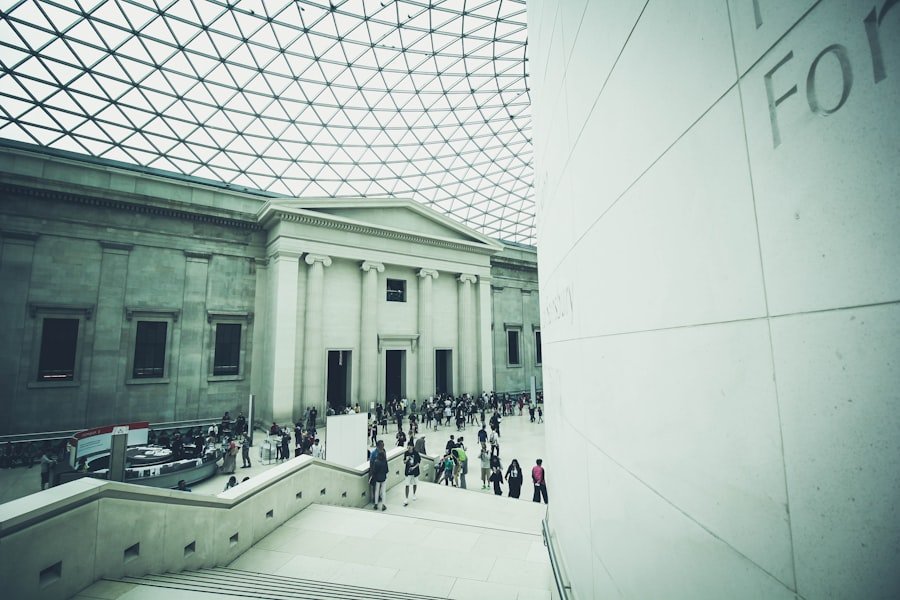
The Victoria and Albert Museum (V&A) is a celebration of human creativity, showcasing an extensive collection of decorative arts and design. Founded in 1852 and named after Queen Victoria and Prince Albert, the V&A houses over 2.3 million objects that span 5,000 years of history. From fashion and textiles to ceramics and furniture, the museum offers a comprehensive look at how design shapes our lives.
One of the highlights of the V&A is its fashion gallery, which features garments from various eras, including pieces by renowned designers such as Alexander McQueen and Vivienne Westwood. The museum also hosts temporary exhibitions that delve into specific themes or artists, providing fresh perspectives on design trends and cultural movements. The V&A’s commitment to education is evident in its workshops and events that engage visitors in hands-on activities related to art and design.
This interactive approach not only enhances the visitor experience but also fosters a deeper appreciation for the creative process.
The Natural History Museum: A Fascinating Look at the Earth’s History
The Natural History Museum is a marvel of architecture and science, drawing millions of visitors each year with its stunning exhibits that explore the natural world. Housed in a magnificent Victorian building adorned with intricate terracotta tiles, the museum is home to over 80 million specimens that document the history of life on Earth. From dinosaur skeletons to rare gemstones, each exhibit offers insights into the planet’s biodiversity and geological processes.
One of the most popular attractions within the museum is the dinosaur gallery, where life-sized replicas of these prehistoric giants captivate audiences of all ages. The museum also features interactive displays that allow visitors to engage with scientific concepts in an accessible way. For example, the Wildlife Garden provides a serene outdoor space where guests can learn about local flora and fauna while enjoying nature.
The Natural History Museum not only educates but also inspires a sense of wonder about our planet’s past and its future.
The Science Museum: Exploring the Wonders of Science and Technology
Adjacent to the Natural History Museum lies the Science Museum, an institution dedicated to showcasing humanity’s achievements in science and technology. Established in 1857, it features a vast collection that includes everything from early steam engines to space exploration artifacts. The museum’s mission is to inspire curiosity about science through engaging exhibits that highlight innovation and discovery.
Visitors can explore various galleries that cover topics such as medicine, transportation, and energy. One standout exhibit is the Apollo 10 command module, which offers a glimpse into humanity’s journey to the moon. Interactive displays encourage hands-on learning, allowing guests to experiment with scientific principles in real-time.
The Science Museum also hosts temporary exhibitions that delve into contemporary issues such as climate change and artificial intelligence, ensuring that it remains relevant in an ever-evolving world.
The Tate Modern: Contemporary Art at its Finest
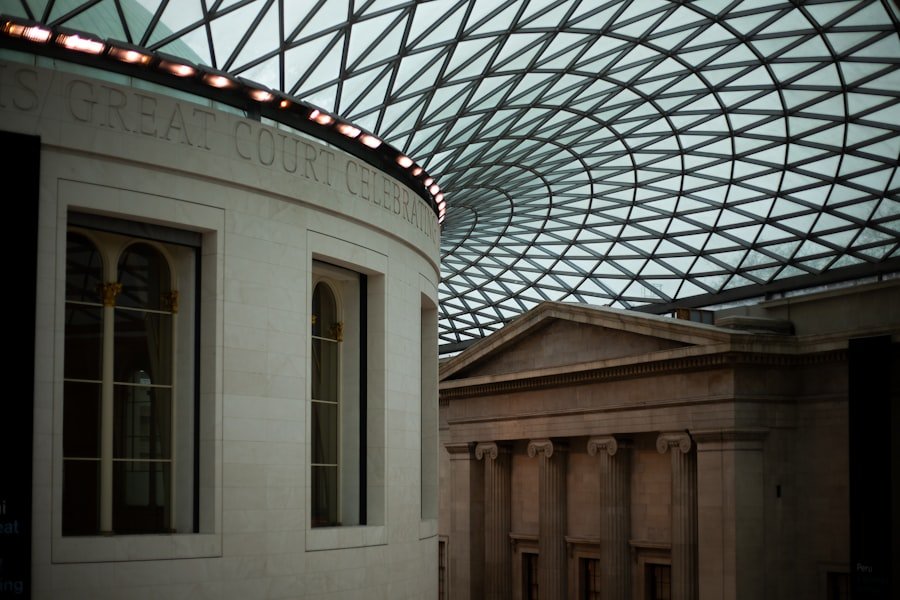
The Tate Modern is a powerhouse of contemporary art located in a former power station along the Thames River. Since its opening in 2000, it has become one of the most visited modern art museums globally, attracting millions who seek to engage with cutting-edge works from the 20th century onward. The museum’s collection includes pieces by iconic artists such as Pablo Picasso, Andy Warhol, and Damien Hirst, showcasing a diverse range of styles and mediums.
One of the unique aspects of Tate Modern is its commitment to presenting art in innovative ways. The museum frequently hosts temporary exhibitions that challenge conventional notions of art and encourage dialogue among visitors. Additionally, its expansive Turbine Hall serves as a platform for large-scale installations that captivate audiences with their scale and creativity.
The Tate Modern not only provides a space for viewing art but also fosters discussions about contemporary issues through its programming and community engagement initiatives.
The National Gallery: A World-Class Collection of European Paintings
Nestled in Trafalgar Square, the National Gallery houses one of the most significant collections of European paintings in the world. Established in 1824, it features over 2,300 works by masters such as Van Gogh, Monet, Rembrandt, and Botticelli. The gallery’s collection spans from the 13th to the 19th centuries, offering visitors an opportunity to witness the evolution of artistic styles across different periods.
The layout of the National Gallery allows for an immersive experience as visitors can wander through rooms dedicated to specific artists or movements. For instance, the Impressionist gallery showcases vibrant landscapes that capture fleeting moments in time, while the Renaissance rooms are filled with religious iconography and masterful compositions. The National Gallery also offers free guided tours and educational programs that enhance understanding of the artworks on display, making it accessible for both seasoned art lovers and newcomers alike.
The Museum of London: Discovering the City’s History and Culture
The Museum of London provides a comprehensive overview of the city’s rich history from prehistoric times to the present day. Located near St. Paul’s Cathedral, this museum offers an engaging narrative about London’s development through its diverse collections and exhibitions.
Visitors can explore artifacts ranging from Roman relics to Victorian fashion, each piece contributing to a broader understanding of how London has evolved over centuries. One notable exhibit is “London Before London,” which delves into prehistoric London through archaeological finds that reveal insights into early human life in the area. Additionally, interactive displays allow visitors to engage with historical narratives actively; for example, they can step into recreated environments from different eras or listen to personal stories from Londoners throughout history.
The Museum of London serves as both an educational resource and a celebration of the city’s vibrant cultural heritage.
Tips for Visiting London’s Museums: How to Make the Most of Your Visit
To fully appreciate London’s rich museum offerings, planning ahead can significantly enhance your experience. First and foremost, consider visiting during off-peak hours; weekdays tend to be less crowded than weekends or school holidays. This allows for a more leisurely exploration without feeling rushed or overwhelmed by large crowds.
Additionally, many museums offer late-night openings on specific days; taking advantage of these extended hours can provide a unique atmosphere for viewing exhibits. Another valuable tip is to take advantage of guided tours or audio guides available at many institutions. These resources often provide deeper insights into specific artworks or artifacts that may not be immediately apparent during a casual visit.
Furthermore, check for any special exhibitions or events happening during your visit; many museums host lectures, workshops, or family-friendly activities that can enrich your experience even further.
Off-the-Beaten-Path Museums in London: Hidden Gems Worth Exploring
While London’s major museums are undoubtedly impressive, there are numerous smaller institutions that offer unique perspectives on art and culture. One such gem is the Sir John Soane’s Museum, located in the former home of architect John Soane. This intimate museum showcases Soane’s eclectic collection of art and antiquities within his beautifully preserved residence, providing insight into his life and work.
Another hidden treasure is the Hunterian Museum at The Royal College of Surgeons, which houses an extensive collection of medical specimens and artifacts dating back centuries. Although currently undergoing renovations until 2023, this museum offers a fascinating glimpse into medical history when it reopens. Exploring these lesser-known museums allows visitors to discover niche interests while avoiding larger crowds often found at more prominent institutions.
Making the Most of Your Museum Visits in London
London’s museums are not merely repositories of artifacts; they are vibrant spaces for learning, exploration, and inspiration. Each institution offers a unique perspective on human achievement across various fields—artistic expression, scientific discovery, historical narratives—inviting visitors to engage with their collections meaningfully. By planning ahead and considering both major attractions and hidden gems within this dynamic cityscape, you can create an enriching itinerary that caters to your interests while deepening your appreciation for London’s cultural heritage.
Whether you are drawn to ancient civilizations at the British Museum or captivated by contemporary art at Tate Modern, London’s museums promise an unforgettable experience filled with knowledge and inspiration waiting around every corner.
If you’re looking for more cultural experiences beyond London’s museums, consider exploring the delightful world of Asian melon. This article offers insights into the different varieties of Asian melon and how to enjoy them. And after a day of sightseeing, why not unwind with a delicious homemade cottage cheese using a simple and healthy recipe? Check out this article for step-by-step instructions. And for music fans, the recent passing of rock legend Ozzy Osbourne has left many mourning his loss. Learn more about his legacy in this article.
FAQs
What are some of the best museums to visit in London?
Some of the best museums to visit in London include the British Museum, the Victoria and Albert Museum, the Natural History Museum, the Science Museum, and the National Gallery.
What are some tips for visiting museums in London?
Some tips for visiting museums in London include checking the museum’s website for opening hours and any special exhibitions, purchasing tickets in advance to avoid long lines, and considering a guided tour for a more in-depth experience.
What are some of the best collections to see in London’s museums?
Some of the best collections to see in London’s museums include the Rosetta Stone and the Elgin Marbles at the British Museum, the fashion and design collection at the Victoria and Albert Museum, and the dinosaur skeletons at the Natural History Museum.
Are there any free museums to visit in London?
Yes, there are several free museums to visit in London, including the British Museum, the National Gallery, the Tate Modern, and the Victoria and Albert Museum.