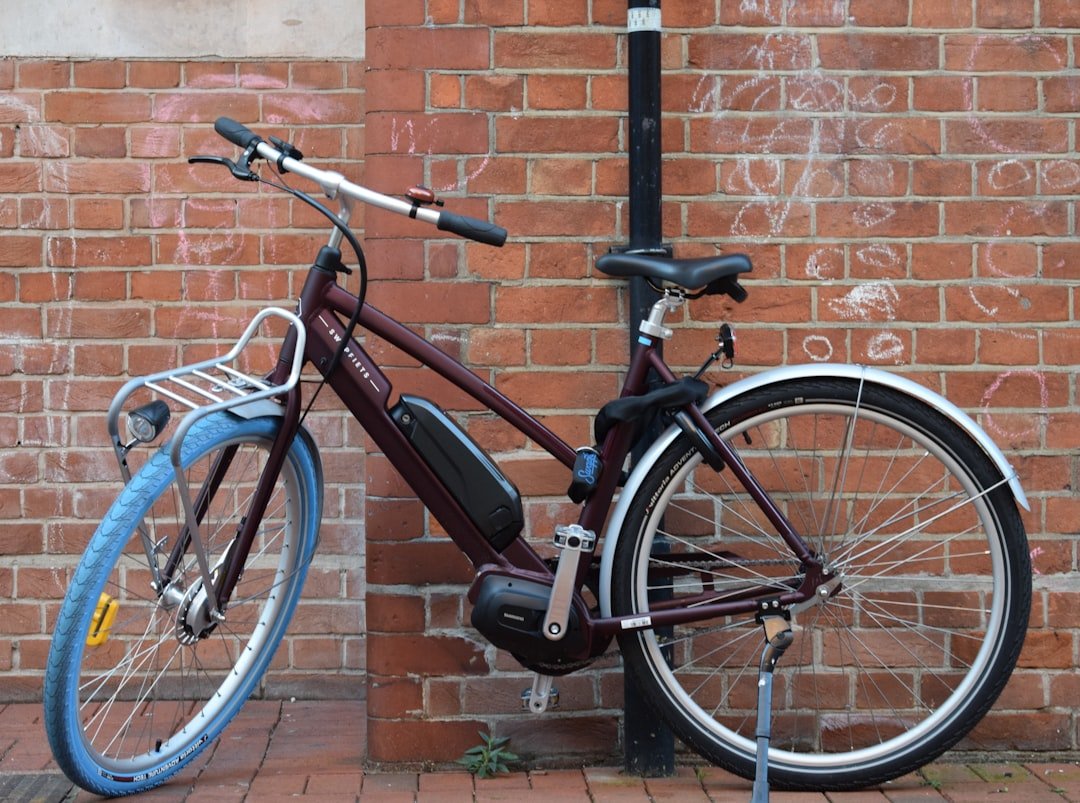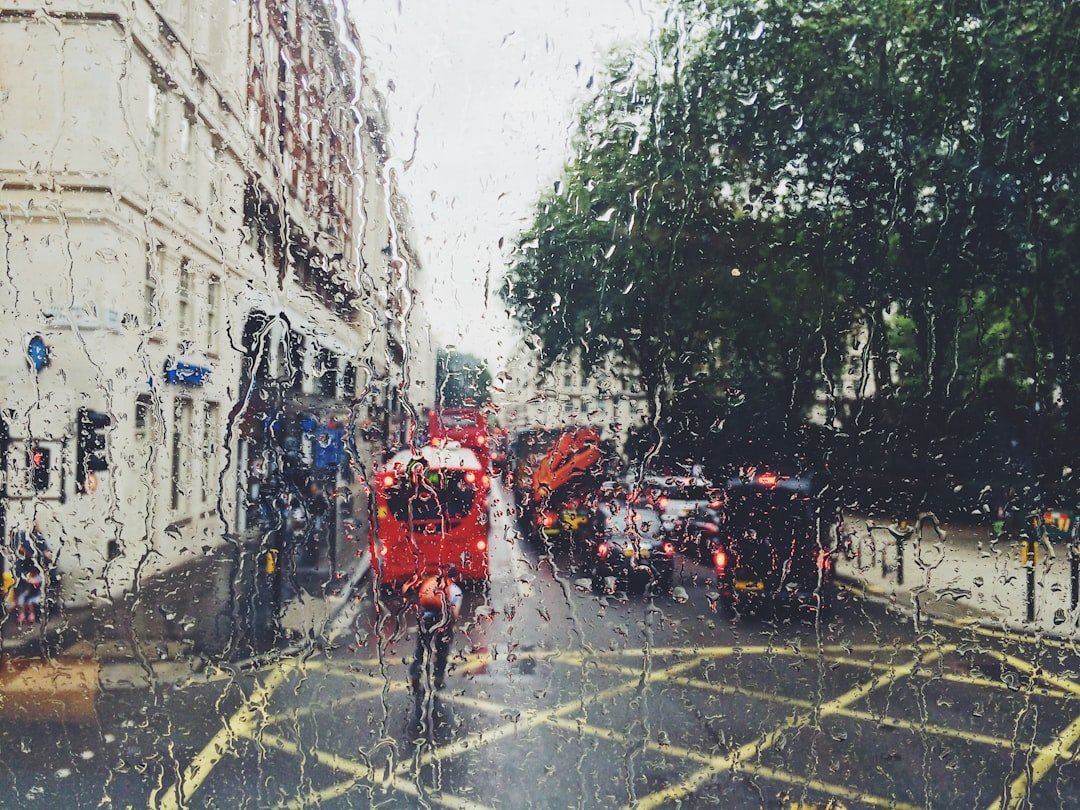
London has a reputation for rainy weather, but the reality is more useful for travelers than the stereotype suggests. The city does not have one clearly defined rainy season. Rain falls throughout the year, although autumn and early winter tend to be wetter. That means a light waterproof layer, comfortable shoes, and a flexible plan are useful in almost any month.
Quick Answer
London does not have an official rainy season. Rain is spread throughout the year, although October and November are among the wetter months. Met Office Heathrow averages for 1991–2020 show about 615 mm of rain annually. Pack a waterproof jacket, comfortable water-resistant shoes, layers, and a compact umbrella whenever you visit.
Key Takeaways
- London gets moderate rainfall throughout the year rather than having one sharply defined rainy season.
- At Heathrow, the 1991–2020 annual average is about 615 mm (24.2 inches) of rain across roughly 112 days with at least 1 mm of rainfall.
- October and November are among the wetter months, while March is considerably drier on the long-term Heathrow averages.
- For most sightseeing trips, a waterproof jacket, layers, comfortable water-resistant shoes, and a compact umbrella are more useful than heavy rain gear.
- Check the hourly forecast before long outdoor plans because London’s weather can change quickly.
When Is London’s Rainy Season?
Technically, London does not have a distinct rainy season. Rain occurs in every month, and London’s official tourism guidance describes the city as having moderate rainfall throughout the year. However, autumn and early winter are generally wetter, so travelers visiting from October through January should be particularly prepared for cool, damp conditions.
Note: “London rainy season” is useful as a travel-search phrase, but it should not be understood as a formal meteorological season. The official Visit London guide notes that the city receives rainfall throughout the year.
October and November stand out in the current standard Met Office climate normals for Heathrow. December and January remain damp and cool, but February is actually drier on average than either October or November.
Snow can occur during London’s winter, but travelers are more likely to encounter cold rain, drizzle, wet pavements, and overcast conditions. Weather also varies from year to year, so climate averages are a planning guide rather than a forecast for a specific trip.
How Much Rain Does London Get?

The Met Office Heathrow 1991–2020 climate averages show approximately 614.98 mm (24.2 inches) of rainfall per year. Heathrow records about 111.66 days per year with at least 1 mm of rain.
Met Office Heathrow normals for 1991–2020 average about 615 mm of rain per year, with measurable rainfall of at least 1 mm on roughly 112 days.
Rainfall varies by month, but not enough to create a true dry season. The table below gives the Met Office Heathrow averages used as a practical London reference.
| Month | Average Rainfall | Days With ≥1 mm Rain |
|---|---|---|
| January | 58.83 mm | 11.53 days |
| February | 44.96 mm | 9.50 days |
| March | 38.78 mm | 8.47 days |
| April | 42.31 mm | 8.80 days |
| May | 45.91 mm | 8.00 days |
| June | 47.25 mm | 8.33 days |
| July | 45.80 mm | 7.90 days |
| August | 52.78 mm | 8.43 days |
| September | 49.61 mm | 7.90 days |
| October | 65.07 mm | 10.80 days |
| November | 66.63 mm | 11.23 days |
| December | 57.05 mm | 10.77 days |
These averages also show why describing London as continuously rainy can be misleading. A “rain day” in the Met Office data means at least 1 mm of rainfall was recorded; it does not mean rain necessarily continued from morning to night.
What to Pack for London’s Rainy Weather
A practical London packing list should focus on versatility rather than heavy-duty storm gear. You will often move between outdoor streets, museums, shops, restaurants, trains, and heated indoor spaces, so lightweight layers are easier to manage than one bulky outfit.
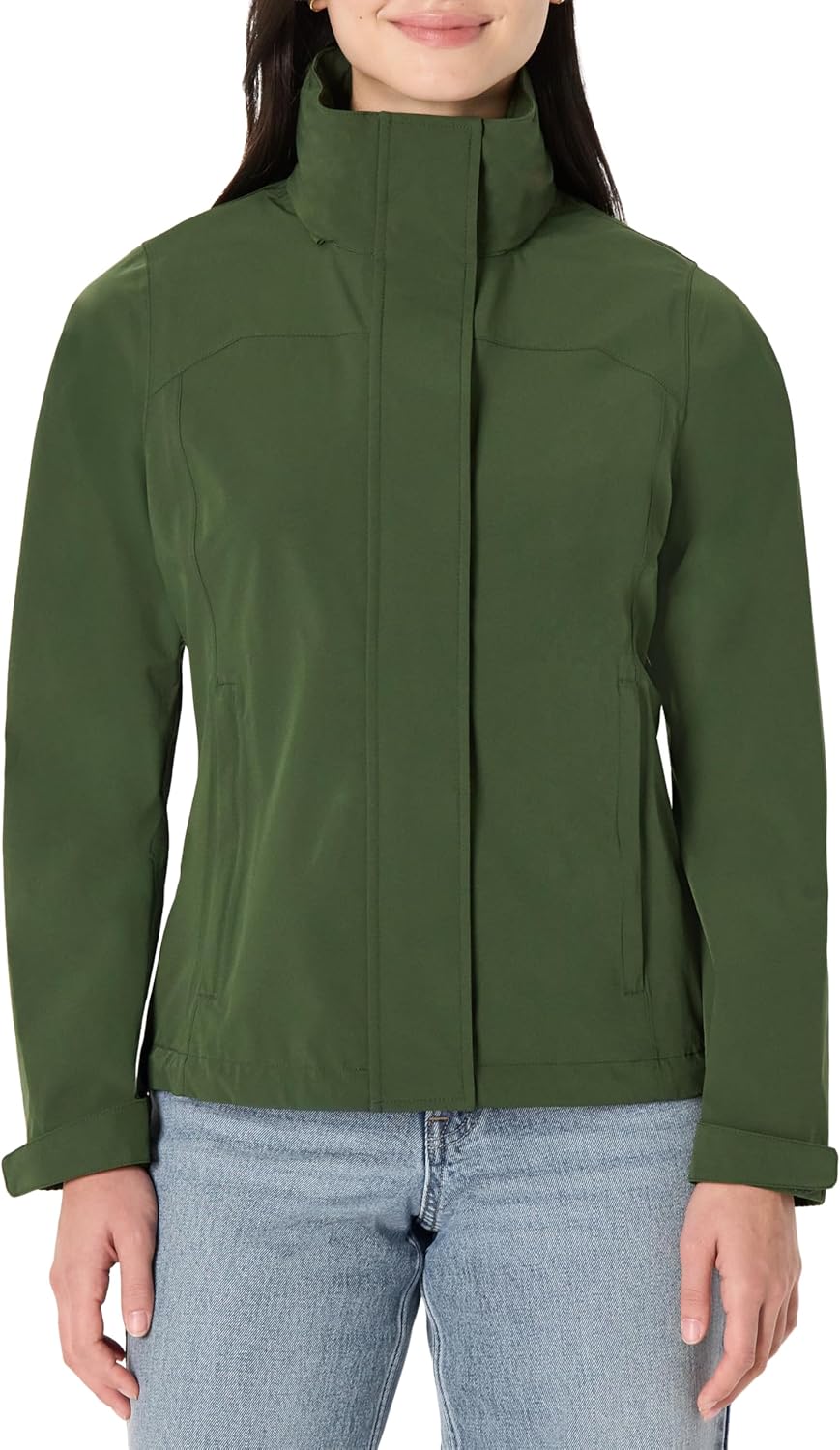
- Waterproof or water-resistant jacket: Choose a comfortable jacket with a hood and enough room for a sweater underneath.
- Compact umbrella: Useful for showers, provided the wind is not too strong.
- Comfortable water-resistant footwear: Prioritize grip, cushioning, and shoes you have already broken in.
- Light layers: Sweaters, fleeces, or long-sleeve tops let you adjust when moving indoors and outdoors.
- Quick-drying clothing: Synthetic fabrics or merino wool can be easier to manage after getting damp than heavy cotton.
- Water-resistant day bag or rain cover: Helpful for protecting electronics, documents, and spare clothing.
- Spare socks: Small, light, and extremely useful after an unexpectedly wet walk.
Pro Tip: Keep your light rain layer near the top of your day bag rather than at the bottom of your suitcase. London showers can arrive quickly, and easy access matters more than carrying the heaviest possible coat.
Waterproof Clothing Essentials
For ordinary sightseeing, a good rain jacket is usually the most important piece of waterproof clothing. Look for a secure hood, sealed or well-protected seams, and enough breathability that the jacket remains comfortable while walking.
Waterproof trousers can be useful, but they are not essential for every London visitor. They make the most sense if you expect to spend hours outdoors, cycle, attend an outdoor event, or walk in prolonged heavy rain. For museum visits, shopping, restaurant stops, and normal city sightseeing, comfortable trousers combined with a longer waterproof jacket are often sufficient.
Layers are especially useful in the cooler months. A light moisture-managing base layer, sweater or fleece, and waterproof shell let you adjust more easily than one very heavy coat.
Footwear for Rainy Days in London
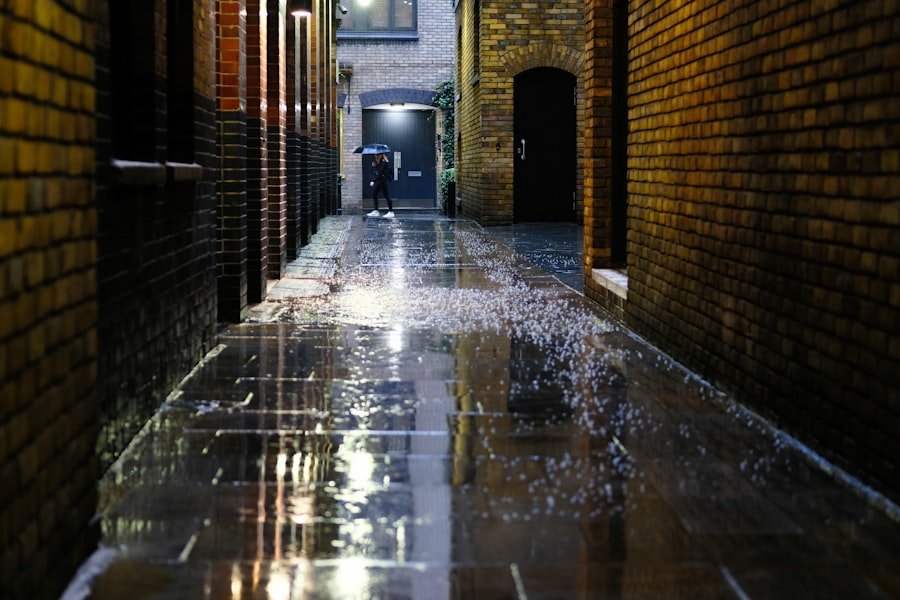
Footwear can have a bigger effect on your comfort than almost any other item you pack. London trips often involve long periods of walking, and wet pavements, station steps, smooth stone, and fallen leaves can become slippery.
Water-resistant ankle boots, walking shoes, or weather-resistant sneakers can all work well. The exact style matters less than four practical features:
- A sole with reliable traction
- Comfort for long walks
- A reasonably water-resistant upper
- A secure fit that does not rub when worn for several hours
Fully waterproof boots are particularly helpful during long outdoor days, but they can be unnecessary for travelers spending much of the day inside attractions. If suitcase space allows, a second pair of comfortable shoes gives the first pair time to dry overnight.
Accessories to Keep You Dry
A compact umbrella remains useful in London because it can handle light rain without requiring you to wear a hood all day. Choose one that folds small enough to carry when the weather improves.
Caution: Strong wind can damage umbrellas and make them awkward on busy pavements. During gusty conditions, a waterproof hood or rain jacket is often easier to manage.
A water-resistant backpack, bag cover, or dry pouch can protect your phone, passport, tickets, charger, and other electronics. A small reusable bag is also useful for carrying a wet umbrella after entering a museum, shop, or train.
A hood is generally more dependable than a wide-brimmed hat when the weather is windy. In colder months, a warm hat and light gloves can also make damp conditions much more comfortable.
Tips for Staying Dry in London’s Rain
The best strategy is to plan around the actual forecast rather than assume rain will occur at a certain time of day. Before leaving your accommodation, check the Met Office London forecast for hourly precipitation chances, temperature, and wind.
- Carry a lightweight rain layer: Even if the morning looks dry, a packable jacket is easy insurance.
- Use indoor attractions strategically: Museums, galleries, markets, shops, and cafés make useful alternatives when a heavier shower arrives.
- Do not overreact to a rain icon: A day with recorded rainfall does not necessarily mean continuous rain all day.
- Protect electronics: Keep phones, cameras, and chargers inside a water-resistant compartment.
- Allow extra walking time: Wet pavements and busy stations may slow you down.
- Check the wind: Wind can make an umbrella less practical even when rainfall is light.
Indoor Activities for Rainy Days in London
Rain does not have to derail a London itinerary. The city has enough indoor attractions to fill several days, and many major cultural institutions offer free general admission or free permanent collections.
The British Museum is one of the strongest rainy-day choices. Entry to the permanent collection is free, although advance booking is recommended and some exhibitions are ticketed.
Tate Modern is another major indoor option for modern and contemporary art. Because exhibitions, access arrangements, and individual spaces can change, check the museum’s official visitor information shortly before your trip.
The National Gallery at Trafalgar Square also offers free general admission, with charges applying to some exhibitions.
A West End performance, afternoon tea, covered market, historic church, or long lunch in a pub can also turn a wet afternoon or evening into part of the experience rather than lost sightseeing time.
Where to Find Shelter from the Rain in London
London’s dense mix of cafés, museums, galleries, shops, stations, markets, and public attractions makes it relatively easy to adjust plans when a shower begins.
Cafés can provide a short break while a passing shower moves through. Larger shopping areas and covered markets provide more space if the rain lasts longer. Museums and galleries work better when the forecast suggests several hours of unsettled weather because you can continue sightseeing indoors instead of simply waiting.
Places such as the British Museum and National Gallery combine shelter with substantial sightseeing value. Other major churches, museums, galleries, and indoor attractions can serve the same purpose, but check opening hours, security rules, and ticket requirements before making a special trip.
If your outdoor plans are flexible, group nearby indoor and outdoor attractions together. That makes it easier to switch between them without crossing the city simply to escape one shower.
Embracing London’s Rainy Weather
London’s wet reputation should not stop you from exploring the city. The more useful approach is to expect changeable weather and prepare for it. A lightweight waterproof jacket, comfortable shoes, simple layers, and access to an hourly forecast solve most everyday problems.
Rain can also change the atmosphere of familiar places. Parks look greener, streets become reflective after showers, and cafés, museums, galleries, pubs, and theaters become natural parts of a flexible itinerary.
The key is not to plan an entire London trip around avoiding rain. Build a schedule that can move easily between outdoor landmarks and indoor attractions, carry basic rain protection, and use the latest forecast when deciding how to organize each day. That approach works in autumn and winter, but it is just as useful during spring and summer because rainfall can occur in any month.
If you’re interested in learning more about travel planning, use the same approach for the rest of your itinerary: check current official information, keep indoor alternatives nearby, and leave enough flexibility to adjust when weather conditions change.
Frequently Asked Questions
What is the rainy season in London?
London does not have a formally defined rainy season. Rainfall occurs throughout the year. Autumn and early winter are generally wetter, with October and November among the wettest months in the Met Office Heathrow 1991–2020 averages.
How much does it rain in London?
The Met Office Heathrow 1991–2020 climate averages show about 614.98 mm, or 24.2 inches, of rainfall per year and approximately 111.66 days annually with at least 1 mm of rainfall.
What are the wettest months in London?
At Heathrow, November averages about 66.63 mm of rainfall and October about 65.07 mm under the 1991–2020 Met Office climate normals, making them two of the wetter months.
What should I pack for rainy weather in London?
Pack a waterproof or water-resistant jacket, a compact umbrella, comfortable water-resistant walking shoes, light layers, spare socks, and a water-resistant bag or pouch for electronics. Waterproof trousers are optional for most sightseeing trips.
Does a rainy day in London mean it will rain all day?
No. Climate statistics can count a day as rainy once at least 1 mm of rain is recorded, but that does not mean rain continued all day. Conditions can change several times, so check the hourly forecast for your specific date.
What activities can I enjoy when it rains in London?
Good rainy-day options include the British Museum, National Gallery, Tate Modern, West End theater, covered markets, historic churches, cafés, restaurants, and traditional pubs. Check official attraction websites for current opening hours and ticket requirements.
Sources
- Met Office — Heathrow location-specific long-term averages — 1991–2020 rainfall totals, wet-day averages, and annual climate data.
- Visit London — Best time to visit London — official visitor guidance explaining London’s year-round rainfall pattern.
- British Museum — Plan your visit — current admission, booking, opening, and visitor information.
- National Gallery — Plan your visit — current general admission and visitor information.