London Travelcard zones divide London’s rail network into numbered fare areas that help determine Travelcard validity, pay-as-you-go caps, and many rail fares. Zone 1 covers central London, while higher-numbered zones extend farther from the centre. Most visitors spend much of their time in Zones 1 and 2, although popular destinations such as Kew Gardens, Richmond and Heathrow require travel into outer zones.
Quick Answer
London has nine numbered travel zones. Zone 1 covers central London, while Zones 2–9 extend outward. Zones matter mainly for rail fares, Travelcards and pay-as-you-go caps. London buses are an important exception because bus fares are not based on the zones you cross.
Key Takeaways
- London’s main fare system uses Zones 1 through 9, with Zone 1 at the centre.
- Most central sightseeing is in Zones 1–2, while destinations such as Kew Gardens, Richmond and Heathrow lie farther out.
- Buses do not use zonal pay-as-you-go fares; a Travelcard is valid on London buses regardless of the zones printed on it.
- Contactless and Oyster pay as you go can automatically apply daily and Monday-to-Sunday caps when you use the same card or device correctly.
- A Travelcard must normally cover every rail zone through which you travel.
- TfL says pay as you go with daily capping is cheaper than buying a Day Travelcard for ordinary travel within Zones 1–9.
How Many London Travelcard Zones Are There?
London’s fare network is divided into nine numbered zones, from Zone 1 to Zone 9. Zone 1 covers the centre of London, and the other zones form progressively wider areas around it. Most Tube, DLR, London Overground and National Rail travel used by visitors takes place within Zones 1–6, while some Tube, London Overground and National Rail stations extend into Zones 7–9.
Central areas such as Westminster, Covent Garden, the West End and the City of London are mainly in Zone 1. Zone 2 surrounds the centre and includes areas such as Camden Town. Zones 3–6 cover more suburban parts of Greater London, while Zones 7–9 include selected stations farther from central London.
Note: Do not assume every London transport service is priced by zone. London buses use a separate flat-fare system, and a valid Travelcard can be used on London buses regardless of the zones printed on the Travelcard.
You can check current zone information through Transport for London’s London travel zones guidance.
How Do London Travelcard Zones Work?
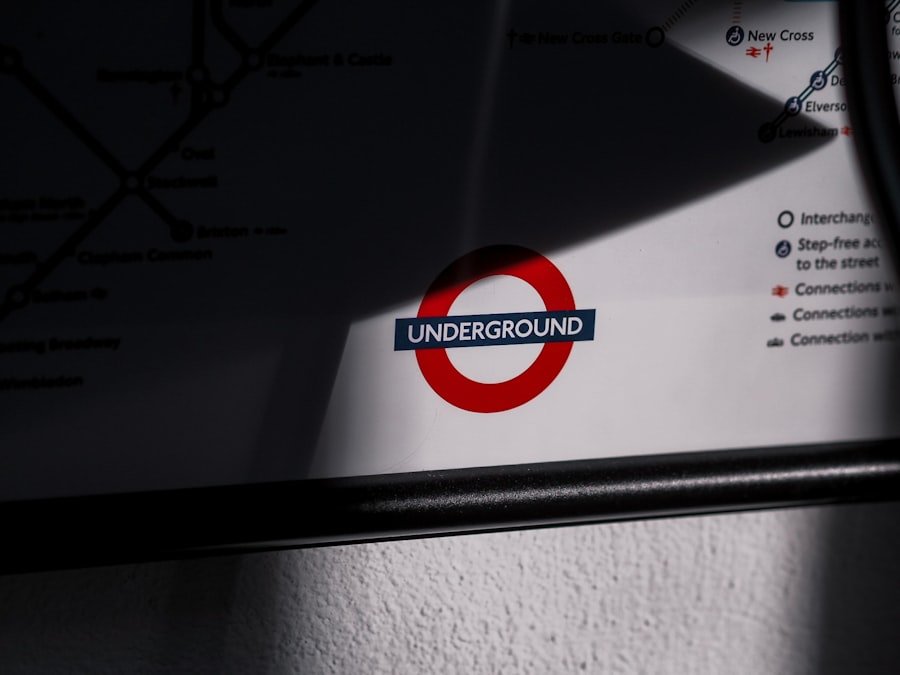
Zones are especially important when you use the Tube, DLR, London Overground, Elizabeth line and most National Rail services in London. However, a pay-as-you-go rail fare is not calculated simply by counting the number of zone boundaries you cross. TfL can calculate a fare according to the specific origin, destination, route, direction, time and day of travel.
For that reason, the safest way to check an individual journey is TfL’s Single Fare Finder.
How Travelcards Use Zones
A Travelcard gives unlimited eligible travel within the zones for which it is valid. If you are travelling by Tube or rail from Zone 1 to Zone 4, for example, your Travelcard needs to cover the zones required by that journey.
TfL offers Day Travelcards as well as 7 Day, Monthly, Annual and other season-ticket periods. Day Travelcards are paper tickets. Longer Travelcards can also be loaded onto an Oyster card in eligible circumstances.
If your journey extends beyond the zones covered by your Travelcard, you need valid payment for the additional part of the journey. With a Travelcard loaded on Oyster, this can often be handled using sufficient pay-as-you-go credit. With a paper Travelcard, an extension ticket may be required.
How Pay As You Go and Capping Work
With Oyster or contactless pay as you go, you pay for individual journeys until your qualifying travel reaches the applicable cap. TfL provides daily capping and Monday-to-Sunday weekly capping for eligible travel in Zones 1–9.
Warning: Always use the same contactless card, phone, watch or Oyster card for the whole journey and throughout the day if you want journeys to count toward the same cap. A phone and the physical bank card linked to that phone are treated as different payment methods.
On the Tube, DLR, London Overground, Elizabeth line and most National Rail journeys, touch in at the beginning and touch out at the end. On buses and trams, you normally touch in only.
2026 Adult Fare and Cap Examples
As of September 2026, TfL lists the following adult-rate caps and Travelcard prices. These figures can change, so check the official TfL caps and Travelcard prices before travelling.
| Zones | Daily PAYG Cap | Monday-Sunday Cap | 7 Day Travelcard |
|---|---|---|---|
| Zones 1–2 | £8.90 | £44.70 | £44.70 |
| Zones 1–3 | £10.50 | £52.50 | £52.50 |
| Zones 1–4 | £12.80 | £64.20 | £64.20 |
| Zones 1–6 | £16.30 | £81.60 | £81.60 |
For many visitors, the important comparison is not simply “Which Travelcard should I buy?” but “Will contactless or Oyster pay as you go with automatic capping cost less?” TfL currently says PAYG with daily capping is cheaper than a Day Travelcard for travel in Zones 1–9.
Which Attractions Are Located in Each London Travelcard Zone?
Many of London’s best-known attractions are concentrated in Zones 1 and 2, but several popular day-trip destinations sit farther out. It is more accurate to check the zone of the station you plan to use than to assign an entire attraction or neighbourhood to one broad zone.
| Attraction / Area | Useful Station | Zone |
|---|---|---|
| British Museum | Tottenham Court Road / Holborn | Zone 1 |
| Buckingham Palace | Green Park / Victoria | Zone 1 |
| Tower of London | Tower Hill | Zone 1 |
| Camden Market | Camden Town | Zone 2 |
| Kew Gardens | Kew Gardens | Zone 3 |
| Richmond / Richmond Park | Richmond | Zone 4 |
| The O2 | North Greenwich | Zones 2/3 boundary |
| Greenwich | Greenwich | Zones 2/3 boundary |
| Heathrow Airport | Heathrow Tube stations | Zone 6 |
Kew Gardens station is in Zone 3 according to Royal Botanic Gardens, Kew. Richmond station is in Zone 4, making both destinations easy to reach from central London while requiring wider zone coverage than a Zones 1–2 Travelcard.
What Zone Is the Harry Potter Studio Tour?
Warner Bros. Studio Tour London – The Making of Harry Potter should not be treated as a Zone 5 London attraction. The Studio Tour is in Leavesden, Hertfordshire. Its nearest railway station is Watford Junction, and regular shuttle buses operate from Watford Junction to the attraction.
Oyster can be used between London Euston and Watford Junction on eligible services, but special fares and rules apply outside the standard numbered London fare zones. Check the Warner Bros. Studio Tour official travel information and TfL fare tools before travelling.
How to Choose the Right London Travelcard Zone for Your Trip
Start with the stations you will actually use rather than buying the widest Travelcard automatically. For a sightseeing itinerary focused on Westminster, the West End, the Tower of London, major museums and nearby central areas, Zones 1–2 often cover most rail journeys.
If you plan to visit Kew Gardens, Richmond or Heathrow, you will need to account for the additional zones used on those journeys. The same applies if your hotel is outside central London.
Travelcard vs Oyster or Contactless
| Option | How It Works | Useful For |
|---|---|---|
| Contactless PAYG | Touch in/out with the same card or device; eligible journeys are automatically capped. | Many adult visitors with a compatible contactless card or device. |
| Oyster PAYG | Add credit, then touch in/out; eligible journeys are automatically capped. | Visitors who cannot or do not want to use a bank card, and travelers using certain discounts. |
| Travelcard | Unlimited eligible journeys within the zones and validity period purchased. | Some frequent travelers, season-ticket users and qualifying group journeys. |
Pro Tip: For an ordinary adult visitor, compare the cost of a Travelcard with contactless or Oyster capping before buying. TfL currently states that pay as you go with daily capping is cheaper than a Day Travelcard for travel within Zones 1–9.
Tips for Using London Travelcard Zones Efficiently
1. Use the Same Card or Device
If you touch in using your phone and touch out using the physical bank card linked to the same account, TfL treats them as different payment methods. That can prevent your journeys from being correctly matched or capped. Pick one card or device and use it consistently.
2. Touch In and Out Correctly
For Tube, DLR, London Overground, Elizabeth line and most National Rail journeys, touch in at the start and out at the end. Missing a touch can result in a maximum fare or prevent the correct cap from being calculated.
3. Use Pink Card Readers When Required
Some journeys can avoid Zone 1. At certain interchange stations, pink readers tell TfL which route you used. Touching the pink reader when changing trains can therefore prevent you from being charged for a more expensive route through Zone 1.
4. Understand Peak and Off-Peak Rail Fares
For many pay-as-you-go rail journeys, peak fares normally apply from 06:30 to 09:29 and 16:00 to 18:59 Monday to Friday, excluding public holidays. Off-peak fares apply at other times, although journey-specific exceptions exist. Use TfL’s Single Fare Finder when the exact price matters.
5. Remember That Buses Work Differently
London bus journeys are not priced according to the Travelcard zones crossed. As of September 2026, TfL’s adult pay-as-you-go bus and tram fare is £1.75, and the standard Hopper fare allows unlimited qualifying bus and tram journeys within one hour of the first touch-in when you use the same card or device.
6. Check Your Route Before Buying Wider Zone Coverage
A station may sit on the boundary between two zones, and some routes can avoid Zone 1. Checking the actual origin, destination and route can therefore save money compared with assuming you need the widest possible Travelcard.
Are There Discounts or Special Offers With London Travelcard Zones?
Yes, but eligibility depends on the traveler and the ticket type. There is no single universal “student” or “senior” discount that applies to every visitor.
Children Under 11
Children under five generally travel free with a fare-paying adult. Children aged 5–10 can travel free on buses and trams and can travel free on the Tube, DLR, London Overground, Elizabeth line and some National Rail services when they meet TfL’s conditions. When traveling with an eligible adult, up to four children aged 5–10 can travel free on qualifying services.
Children Aged 11–15
Visitors aged 11–15 can ask TfL staff to add a Young Visitor discount to an Oyster or Visitor Oyster card. This can provide 50% off adult-rate pay-as-you-go fares for up to 14 days.
Students
Eligible 18+ students can use an 18+ Student Oyster photocard for discounts on qualifying Travelcard and Bus & Tram Pass season tickets. Standard pay-as-you-go journeys are not automatically discounted simply because someone is a student. Separate Railcard-linked discounts may apply when eligibility requirements are met.
Older Travelers
TfL’s 60+ London Oyster photocard and the Older Person’s Freedom Pass have residency and eligibility rules and should not be treated as general tourist senior discounts. Visitors from outside London should check the ticket options that apply to their own circumstances.
For current visitor payment and concession guidance, see TfL’s best ways for visitors to pay.
Are There Limitations or Restrictions When Using London Travelcard Zones?
Yes. The most important limitation is that your Travelcard needs to be valid for the rail zones required by your journey. If you travel beyond its coverage, you need valid payment for the extension.
Pay as you go is accepted on the Tube, buses, trams, DLR, London Overground, most Elizabeth line services, most National Rail services in Zones 1–9 and selected routes beyond Zone 9. However, acceptance, fare rules and capping can differ on some services outside the core network.
River Bus Services
Oyster and contactless can be used to pay for eligible Thames Clippers River Bus journeys, but River Bus spending does not count toward the normal Oyster/contactless daily cap. A Travelcard can provide a discount on qualifying river fares rather than unlimited River Bus travel.
Airports and Destinations Outside the Core Zones
Heathrow’s Underground stations are in Zone 6, so a Travelcard used for a Tube journey between central London and Heathrow needs the appropriate zone coverage. Gatwick, Stansted and Luton are outside the normal London fare-zone system, although contactless or Oyster acceptance exists on certain rail routes to destinations beyond the numbered zones. Check the specific operator and TfL fare tools before travelling.
Note: A zone number alone does not always tell you the exact fare. For a specific rail trip, use TfL’s Single Fare Finder because the route, time and service can affect the price.
If you’re planning a trip to London, understanding the Travelcard zones can make route planning easier and help you avoid paying for unnecessary coverage. Before you buy a pass or begin an unusual outer-London journey, check current fares and zone validity through Transport for London’s official fare and Travelcard tool.
Sources
- Transport for London — London travel zones — zone structure and general coverage.
- Transport for London — Caps and Travelcard prices — current zone-based caps and Travelcard pricing.
- Transport for London — Travelcards and group tickets — Travelcard validity, buses, trams and extension travel.
- Transport for London — Pay as you go — Oyster/contactless coverage and capping.
- Royal Botanic Gardens, Kew — Getting here — confirms Kew Gardens station is in Zone 3.
- Warner Bros. Studio Tour London — Getting here — Watford Junction and the Studio Tour shuttle.
Frequently Asked Questions
What are London Travelcard zones?
London Travelcard zones are numbered fare areas used mainly for rail travel, Travelcard validity and pay-as-you-go caps. The main system runs from Zone 1 in central London to Zone 9 farther out.
How do London Travelcard zones work?
A Travelcard must cover the rail zones required by your journey. With Oyster or contactless pay as you go, zones influence fares and caps, although the exact single fare can also depend on the route, time, direction and service used.
What is the purpose of London Travelcard zones?
The zones provide a consistent geographical framework for Travelcards, caps and many fares across London’s rail network. They make it easier to determine how much geographical coverage a ticket provides.
How do I know which Travelcard zones I need?
Check the zones of your starting station, destination and route. Your Travelcard must cover the zones required for the rail journey. If most of your sightseeing is central, Zones 1–2 may cover much of your itinerary, but places such as Kew, Richmond and Heathrow require wider coverage.
Can I use a Travelcard to travel outside London?
A standard London Travelcard covers eligible transport within the zones printed on the ticket. If a rail journey continues beyond those zones, you normally need an extension fare or another valid ticket/payment arrangement for the part outside your Travelcard’s validity.
Are discounts available for Travelcards?
Yes. Children, eligible students, apprentices, Railcard holders and people who qualify for specific TfL concession schemes may receive reduced fares or Travelcard prices. Eligibility and the type of discount vary, so check the relevant TfL scheme before purchasing.
Are London buses divided into Travelcard zones?
No. London buses do not use zonal pay-as-you-go fares. A valid Travelcard can be used on London buses regardless of the zones printed on the Travelcard.
Which London zones do most tourists need?
Many major attractions are in Zones 1 and 2, so these zones cover a large share of typical sightseeing. Your hotel, airport journey and outer-London attractions may require travel in additional zones.
What zone is Heathrow Airport in?
Heathrow’s London Underground stations are in Zone 6. If you use a Travelcard for a Tube journey between central London and Heathrow, it needs to include Zone 6.