

The origins of Swiss watchmaking can be traced back to the 16th century, a period marked by significant advancements in horology. The introduction of the Protestant Reformation in Switzerland led to a migration of skilled craftsmen, particularly from France, who sought refuge in the mountainous regions of the country. These artisans brought with them a wealth of knowledge and techniques that would lay the foundation for what would become a world-renowned industry.
By the late 1500s, Geneva had emerged as a hub for watchmaking, with numerous workshops dedicated to the craft. The establishment of guilds further formalized the trade, ensuring that standards were maintained and that knowledge was passed down through generations. As the centuries progressed, Swiss watchmaking evolved significantly.
The 18th century saw the rise of pocket watches, which became symbols of status and sophistication among the European elite. The craftsmanship involved in creating these intricate timepieces was unparalleled, with artisans dedicating years to perfecting their skills. The introduction of innovations such as the balance spring and the lever escapement during this period revolutionized timekeeping accuracy.
By the 19th century, Switzerland had firmly established itself as the epicenter of watch production, with cities like Biel, La Chaux-de-Fonds, and Neuchâtel becoming synonymous with quality and precision. The Industrial Revolution further propelled the industry forward, allowing for mass production while still maintaining a commitment to craftsmanship.
Key Takeaways
- Swiss watchmaking has a rich history dating back to the 16th century, with the industry evolving and thriving over the centuries.
- The art of watchmaking is a meticulous and intricate process that requires skilled craftsmanship and attention to detail.
- Precision and accuracy are crucial in Swiss watchmaking, with strict standards and regulations in place to ensure the highest quality timepieces.
- Tradition and innovation go hand in hand in Swiss watchmaking, with a deep respect for heritage combined with cutting-edge technology and design.
- Creating a Swiss watch requires a high level of craftsmanship and skills, including expertise in engineering, design, and assembly.
The Art of Watchmaking
Watchmaking is often described as an art form, blending technical skill with aesthetic sensibility. Each timepiece is not merely a tool for telling time; it is a manifestation of creativity and engineering prowess. The design process begins with a concept that reflects both functionality and beauty.
Designers meticulously consider every aspect, from the shape of the case to the choice of materials, ensuring that each element harmonizes with the overall vision. This artistic endeavor is complemented by the technical challenges inherent in watchmaking, where precision engineering must meet creative expression.
The movement, or caliber, is often regarded as the heart of a watch, comprising hundreds of tiny components that work in unison to keep time accurately. Master watchmakers spend years honing their skills to assemble these movements by hand, often using traditional techniques passed down through generations. This meticulous attention to detail ensures that each watch not only functions flawlessly but also embodies a unique character that reflects the ethos of its maker.
The Importance of Precision and Accuracy
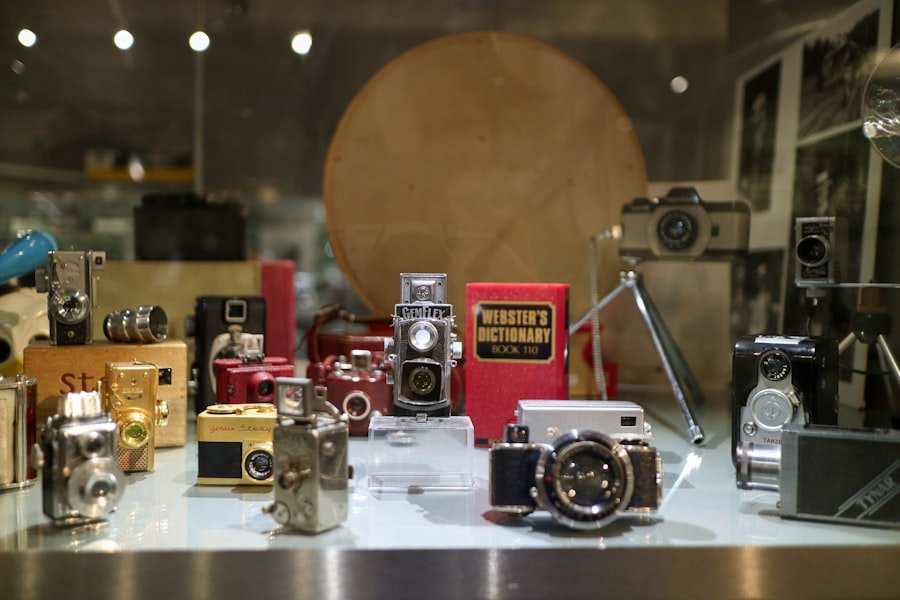
In the realm of horology, precision and accuracy are paramount. A watch is not merely a decorative accessory; it serves a critical function in measuring time. Swiss watchmakers have long recognized that even the slightest deviation can lead to significant discrepancies over time.
As such, they employ rigorous testing methods to ensure that each timepiece meets stringent standards for accuracy. This commitment to precision is evident in the certification processes established by organizations such as the Contrôle Officiel Suisse des Chronomètres (COSC), which evaluates movements for their performance under various conditions. The quest for accuracy has driven innovation within the industry.
For instance, advancements in materials such as silicon have revolutionized watch movements by reducing friction and enhancing durability. Additionally, modern technology has enabled manufacturers to create watches that can withstand extreme conditions, from deep-sea diving to high-altitude mountaineering. Despite these advancements, many Swiss watchmakers remain committed to traditional methods, believing that the human touch adds an irreplaceable quality to their creations.
This delicate balance between tradition and modernity underscores the importance of precision in Swiss watchmaking.
The Role of Tradition and Innovation in Swiss Watchmaking
| Aspect | Traditional Watchmaking | Innovations in Watchmaking |
|---|---|---|
| Materials | High-quality metals, precious stones | New materials like ceramic, carbon fiber |
| Techniques | Hand-crafting, intricate detailing | Advanced machinery, 3D printing |
| Design | Classic, timeless designs | Modern, avant-garde designs |
| Complications | Traditional complications like tourbillon, perpetual calendar | New complications like smart features, GPS |
| Market | Appeals to traditional watch enthusiasts | Targets tech-savvy, younger consumers |
Swiss watchmaking is characterized by a unique interplay between tradition and innovation. While many brands proudly uphold centuries-old techniques, they also embrace new technologies and materials to enhance their products. This duality is essential for maintaining relevance in an ever-evolving market.
For instance, brands like Patek Philippe and Audemars Piguet continue to produce time-honored pieces using traditional craftsmanship while simultaneously exploring innovative designs and mechanisms that appeal to contemporary consumers. The preservation of traditional techniques is not merely a nostalgic endeavor; it serves as a testament to the rich heritage of Swiss watchmaking. Many artisans dedicate their lives to mastering these skills, often spending years as apprentices before they can create their own pieces.
This dedication ensures that time-honored practices are not lost to modernity but rather integrated into new creations.
The Craftsmanship and Skills Required
The craftsmanship involved in Swiss watchmaking is nothing short of extraordinary. It requires a diverse set of skills ranging from mechanical engineering to artistic design. Watchmakers must possess an intimate understanding of how each component interacts within a movement, as well as the ability to manipulate materials with precision.
This level of expertise is cultivated through years of training and practice, often beginning with formal education at specialized institutions such as the École Technique de la Vallée de Joux or the WOSTEP (Watchmakers of Switzerland Training and Educational Program). In addition to technical skills, watchmakers must also exhibit patience and attention to detail. Assembling a movement can take hundreds of hours, with each component requiring careful handling and precise placement.
The ability to troubleshoot issues that arise during assembly is equally important; even minor errors can lead to significant malfunctions. Furthermore, many artisans specialize in specific aspects of watchmaking, such as engraving or enameling, allowing them to contribute their unique talents to the creation of a timepiece.
The Process of Creating a Swiss Watch
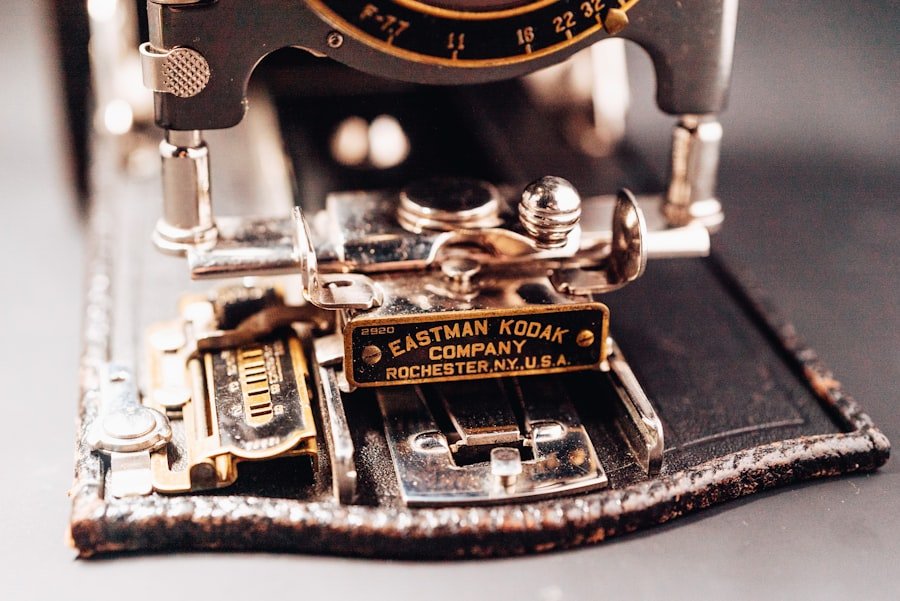
The journey of creating a Swiss watch is a meticulous process that involves several stages, each requiring specialized skills and expertise. It begins with conceptualization, where designers sketch ideas and create prototypes. Once a design is finalized, engineers develop detailed plans for the movement, considering factors such as power reserve, accuracy, and durability.
This stage often involves computer-aided design (CAD) software to ensure precision before any physical components are produced. Once the plans are in place, manufacturing begins. Components are crafted from high-quality materials such as stainless steel, gold, or ceramic using advanced machinery alongside traditional handcrafting techniques.
Each part undergoes rigorous quality control checks before being assembled into a complete movement. This assembly process is where the true artistry of watchmaking shines; skilled artisans meticulously fit together hundreds of tiny components, ensuring that each piece functions harmoniously within the whole. After assembly, watches undergo extensive testing to verify their performance under various conditions.
This includes assessing accuracy over time and ensuring that they can withstand environmental factors such as temperature fluctuations and humidity. Once a watch passes these tests, it is polished and finished with care before being encased and prepared for sale.
The Significance of Swiss Watchmaking in the Global Market
Swiss watchmaking holds a prestigious position in the global market, representing not only luxury but also unparalleled craftsmanship and innovation. Brands such as Rolex, Omega, and TAG Heuer have become household names synonymous with quality and prestige. The Swiss watch industry generates billions in revenue annually and employs thousands across various sectors from manufacturing to retail.
Its influence extends beyond borders; Swiss watches are highly sought after worldwide, often regarded as status symbols that reflect sophistication and success. The global demand for Swiss watches has also led to increased competition from emerging markets and brands offering more affordable alternatives. However, Swiss manufacturers have maintained their edge by emphasizing quality over quantity and focusing on their heritage of craftsmanship.
They continue to invest in research and development to create innovative products that appeal to modern consumers while preserving traditional techniques that define their identity.
The Experience of Attending a Watchmaking Workshop in Switzerland
Attending a watchmaking workshop in Switzerland offers an immersive experience into the world of horology that few other activities can match. Participants are often greeted by master watchmakers who share their passion for the craft while guiding attendees through hands-on activities designed to demystify the intricacies of watchmaking. These workshops typically take place in picturesque settings within renowned watchmaking regions such as Biel or La Chaux-de-Fonds, where participants can soak in both the beauty of their surroundings and the rich history embedded in every corner.
During these workshops, attendees have the opportunity to engage directly with tools and materials used by professional watchmakers. They learn about various components of a movement while assembling their own simple timepieces under expert supervision. This hands-on experience not only fosters appreciation for the skill involved but also allows participants to gain insight into the challenges faced by artisans daily.
Many workshops also include discussions on design principles and innovations shaping the future of horology, providing a comprehensive understanding of both tradition and modernity within Swiss watchmaking. In conclusion, Swiss watchmaking is an intricate tapestry woven from history, artistry, precision engineering, tradition, innovation, craftsmanship, and global significance. Each aspect contributes to an industry that continues to captivate enthusiasts around the world while remaining steadfastly committed to excellence.
If you’re fascinated by the intricate art of watchmaking and are considering attending a workshop in Switzerland, you might also be interested in exploring other unique and traditional crafts. For instance, the article on delicious homemade cottage cheese offers a glimpse into the world of simple yet rewarding culinary arts. Just as watchmaking requires precision and patience, crafting homemade cheese is an art that combines tradition with skill, providing a satisfying experience for those who appreciate the finer details of craftsmanship.
FAQs
What is a watchmaking workshop in Switzerland?
A watchmaking workshop in Switzerland is a facility where skilled artisans and technicians design, assemble, and repair high-quality timepieces. Switzerland is renowned for its watchmaking industry and is home to some of the most prestigious watch brands in the world.
What happens in a watchmaking workshop?
In a watchmaking workshop, craftsmen and technicians work on various aspects of watch production, including designing, prototyping, assembling, and quality control. They also handle repairs and maintenance of watches.
What skills are required to work in a watchmaking workshop?
Working in a watchmaking workshop requires a combination of technical skills, precision, attention to detail, and a deep understanding of the mechanics and aesthetics of timepieces. Training in watchmaking or a related field is typically necessary.
What are some famous watchmaking workshops in Switzerland?
Switzerland is home to renowned watchmaking workshops such as Patek Philippe, Rolex, Audemars Piguet, and Jaeger-LeCoultre, among others. These workshops are known for producing high-quality, luxury timepieces.
How important is the watchmaking industry to Switzerland?
The watchmaking industry is a significant part of Switzerland’s economy and cultural heritage. Swiss watches are highly regarded worldwide for their craftsmanship and precision, and the industry plays a crucial role in the country’s reputation for quality and luxury goods.