Anchorage combines museums, Alaska Native culture, urban trails, mountain hikes, wildlife, local food, and easy access to glaciers in one convenient base. Some of the best experiences are right in the city, while others, including the Alaska Wildlife Conservation Center, Alyeska Resort, and Whittier glacier cruises, work best as half-day or full-day trips south of Anchorage.
Quick Answer
The best things to do in Anchorage include biking the Tony Knowles Coastal Trail, visiting the Anchorage Museum and Alaska Native Heritage Center, driving Turnagain Arm, hiking near Flattop Mountain, watching wildlife, fishing Ship Creek, exploring Girdwood, and taking a glacier cruise from Whittier.
Key Takeaways
- Allow at least two or three days for Anchorage itself; three or four days gives you more room for a glacier, wildlife, or Girdwood day trip.
- Summer offers the widest range of hiking, biking, fishing, cruises, and glacier dog-sledding tours, while winter brings skiing, snow activities, and the Iditarod ceremonial start.
- You can explore downtown and several urban attractions without a car, but a rental car or organized tour makes Turnagain Arm, Portage, Girdwood, and Whittier much easier.
- Treat wildlife as wild, check trail conditions before mountain hikes, and never walk onto Turnagain Arm’s tidal mudflats.
- Fishing rules, tour schedules, attraction hours, and mountain conditions can change, so use official sources for the date of your visit.
Explore the Anchorage Museum
The Anchorage Museum is one of the best first stops if you want context before exploring the rest of Alaska. Its exhibitions connect art, history, science, design, Alaska Native cultures, and life across the North.
Permanent areas include the Alaska Exhibition, which presents Alaska’s history through multiple perspectives, and Art of the North galleries featuring painting, sculpture, photography, video, and other media. The museum also works with the Smithsonian Arctic Studies Center on the First Peoples of Alaska exhibition.
Families should make time for the Discovery Center, where hands-on exhibits explore Alaska’s geology, water, ecosystems, and northern environment. Because exhibitions rotate, check the museum’s current exhibition calendar before your visit.
Pro Tip: Visit the museum early in your trip. Learning about Alaska’s history, Native cultures, wildlife, geology, and northern environment makes later stops around Anchorage more meaningful.
Take a Scenic Drive on Turnagain Arm
Driving south from Anchorage on the Seward Highway is one of the easiest ways to see dramatic Southcentral Alaska scenery. For roughly the first 40 miles, the highway follows Turnagain Arm beneath the Chugach Mountains, with roadside viewpoints, trailheads, and wildlife-watching opportunities.
The inlet is shaped by large tides and glacial silt, so expect broad tidal flats and silty water rather than consistently clear blue water. Pullouts such as Beluga Point give you room to stop safely instead of trying to take photos from a moving vehicle.
Warning: Never walk onto Turnagain Arm’s mudflats. The silty mud can trap people, and rapidly changing tides make the flats dangerous. Stay at established viewpoints, trails, and shoreline access areas.
Stunning Coastal Views
Turnagain Arm is surrounded by steep mountains, forests, waterfalls, tidal flats, and hanging glaciers farther down the highway. Cloud, light, weather, and tide levels can change the scene dramatically within a few hours.
Rather than rushing directly to your next destination, allow time for established pullouts. Potter Marsh, Beluga Point, Bird Point, Portage Valley, and Girdwood can all be combined with the drive depending on how much time you have.
Bring a camera or binoculars, but keep your attention on the road. The Seward Highway is scenic precisely because it passes through steep, exposed terrain, and traffic can be busy during the summer travel season.
Wildlife Spotting Opportunities
Turnagain Arm is known for wildlife watching, but sightings are never guaranteed. Depending on season and luck, you may see bald eagles, Dall sheep on the mountainsides, moose in nearby wetlands, and beluga whales in the inlet.
Use pullouts rather than stopping in traffic, and give animals plenty of room. A telephoto lens or binoculars is a better choice than approaching wildlife for a closer picture.
Visit the Alaska Wildlife Conservation Center
The Alaska Wildlife Conservation Center, south of Anchorage near Portage, is a nonprofit sanctuary focused on conservation, education, research, and animal care.
The center cares for Alaska wildlife that may include bears, moose, wood bison, musk oxen, elk, reindeer, wolves, porcupines, and other species. Many residents came to the sanctuary after being orphaned, injured, or otherwise unable to return to the wild.
You can explore the approximately 1.5-mile loop on foot, by bicycle, or by vehicle. Interpretive signs and educational programs explain the animals, their habitats, and conservation work. This is a useful choice if seeing wildlife is important to you but you do not want to depend entirely on unpredictable roadside sightings.
Because the center is outside central Anchorage, it pairs naturally with Turnagain Arm, Portage Valley, Girdwood, or a trip toward Whittier.
Experience the Tony Knowles Coastal Trail
The Tony Knowles Coastal Trail runs about 11 paved miles from downtown Anchorage to Kincaid Park along Cook Inlet. It is one of the city’s signature places for walking, running, and biking.
The trail passes forest, coastal marshes, parks, viewpoints, and areas shaped by the 1964 earthquake. A full out-and-back bike ride is roughly 22 miles, but you do not need to ride the entire route to enjoy it.
Wildlife is part of the appeal. Moose and bald eagles are among the animals commonly associated with the trail corridor, and coastal birds are also frequent. Keep your distance from every animal you encounter.
The Tony Knowles Coastal Trail gives you an 11-mile paved route from downtown Anchorage to Kincaid Park without leaving the city’s trail system.
The trail connects parks and recreation areas along the way, so it works equally well for a short downtown walk, a leisurely bike ride, or a longer workout.
Note: Moose can appear surprisingly close to urban trails. Do not crowd, feed, follow, or attempt to pass close to a moose. Give it space and allow it an escape route.
Discover Historic Downtown Anchorage
After the Coastal Trail, explore downtown Anchorage to understand how the modern city developed. Anchorage’s early growth was closely tied to construction of the Alaska Railroad. A tent settlement formed around Ship Creek in 1915, and the permanent townsite developed nearby.
The Alaska Railroad Depot remains an important landmark near Ship Creek. From there, walk uphill toward Fourth Avenue and the downtown grid, where historic markers, public art, older commercial buildings, restaurants, shops, and museums tell different parts of the city’s story.
Anchorage’s history is not limited to its railroad beginnings. The 1964 Great Alaska Earthquake dramatically changed parts of the city, and its effects remain visible at places such as Earthquake Park and along portions of the coastal landscape.
The Anchorage Museum is also downtown, making it easy to combine a historic walk with a museum visit. Rather than relying on a single shopping complex or market that may change over time, explore the broader Fourth Avenue and downtown area for current local businesses, galleries, food, and seasonal events.
Go Dog Sledding in the Summer
Dog mushing is not limited to Alaska’s winter months. Summer visitors can choose between glacier dog-sledding experiences on real snow and dry-land tours that use wheeled carts.
Snow-based summer tours usually operate at higher elevations. Many involve a scenic helicopter flight to a glacier camp, where dog teams train and visitors can ride or, depending on the operator and conditions, try standing on the runners with a guide.
These trips are highly weather-dependent, so build some flexibility into your itinerary. Flights may be delayed or canceled when cloud ceilings, wind, or visibility make aviation unsafe.
Experience Summer Dog Sledding
A glacier dog-sledding tour combines several experiences: a flight over mountain terrain, time at a seasonal dog camp, an introduction to mushing, and a sled ride across snow or ice.
If a helicopter trip is outside your budget or comfort level, look for dry-land mushing experiences. Wheeled carts let dogs run on suitable trails without requiring summer snow.
Whichever option you choose, read the operator’s mobility, weight, clothing, and weather policies before booking. Glacier surfaces can be cold even on a warm day in Anchorage.
Meet the Sled Dogs
Many Alaska sled-dog teams are made up primarily of Alaskan huskies, purpose-bred working dogs known for endurance, enthusiasm, and athletic ability rather than adherence to a single show-breed standard.
Good tours include time to learn how the dogs are trained, fed, conditioned, and cared for. You may also hear how mushers select positions within a team and how lead dogs respond to voice commands.
Pay attention to the guides’ instructions around the kennel. These are friendly working athletes, but visitors should interact with individual dogs only as directed by their handlers.
Scenic Alaskan Landscapes Await
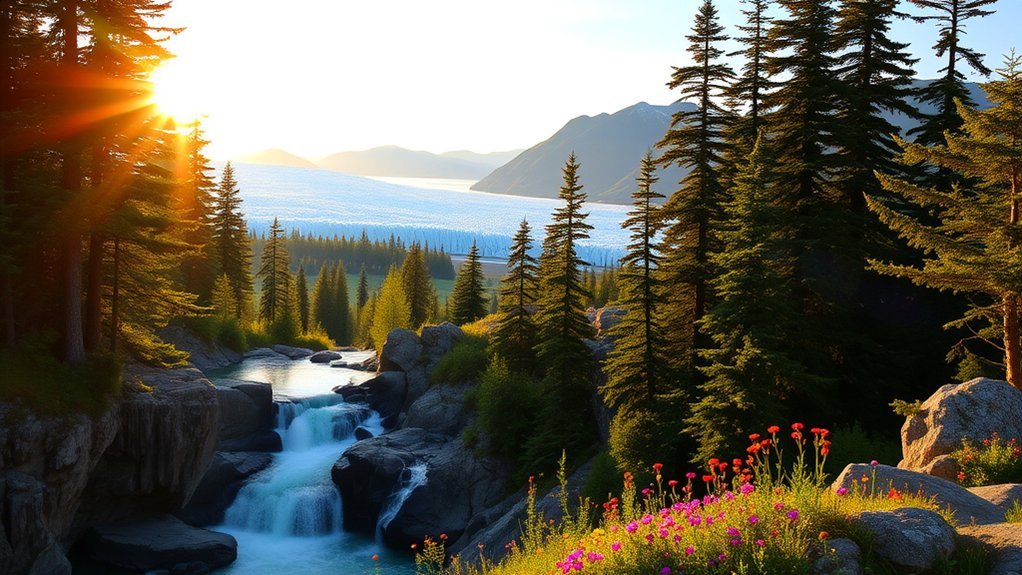
The landscape depends on the exact tour. A glacier-based trip may give you views of snowfields, ice, rugged peaks, forested valleys, and distant waterways before you ever step onto the sled.
Here is a more realistic idea of what you may encounter:
| Landscape Feature | What You May See |
|---|---|
| Glaciers and Snowfields | Summer snow and ice at higher elevations |
| Mountain Ridges | Chugach or Kenai mountain scenery, depending on the operator |
| Forested Valleys | Green low-elevation landscapes visible during flights or transfers |
| Open Sky | Wide aerial views when weather and visibility cooperate |
Summer dog sledding can be one of the more memorable Anchorage-area excursions, but it is also one of the activities most dependent on weather, aviation conditions, and advance reservations.
Enjoy a Day at Kincaid Park
Kincaid Park covers roughly 1,400 acres on the western edge of Anchorage beside Cook Inlet. Visit Anchorage reports nearly 40 miles of walking trails and about 20 miles of single-track bike routes, making it one of the city’s major recreation areas.
In summer, people hike, run, bike, picnic, and look for wildlife. Moose are common enough that you should remain alert around blind corners and dense vegetation. Bears can also occur in the area.
Winter transforms the park into one of Anchorage’s major cross-country skiing destinations, with an extensive groomed trail network. Snowshoeing and other winter recreation are also available in appropriate areas.
Several viewpoints look over Cook Inlet toward distant mountains, and the park connects with the Tony Knowles Coastal Trail. That makes Kincaid a logical turnaround point for cyclists coming from downtown.
Sample Local Brews at Anchorage Breweries
Anchorage has a substantial craft-beer scene, with Visit Anchorage reporting at least 18 breweries in and around the city in 2026. Styles range from lagers and pale ales to IPAs, dark beers, seasonal releases, and experimental small batches.
A brewery visit is also a good indoor option when rain or poor mountain visibility changes your outdoor plans. Some taprooms serve full meals, while others work with food trucks or nearby restaurants.
Instead of choosing only by beer style, consider geography. Visiting breweries in the same part of town reduces driving and gives you more time to enjoy each stop.
Warning: Alaska alcohol laws and individual taproom policies apply. If you drink, use a designated driver, taxi, rideshare, or other safe transportation rather than driving afterward.
Walk Through the Alaska Native Heritage Center
The Alaska Native Heritage Center is a living cultural and educational center dedicated to Alaska Native cultures and traditions. It is one of Anchorage’s most important cultural experiences.
Programs can include guided village-site tours, dance performances, Alaska Native games, exhibitions, films, artist demonstrations, and opportunities to learn directly from Alaska Native culture bearers and educators.
The outdoor village sites around Lake Tiulana represent major cultural regions of Alaska. Rather than treating Alaska Native cultures as a single tradition, the center helps visitors understand the diversity of peoples, languages, environments, architecture, art, and lifeways across the state.
Programming and seasonal hours change, so use the center’s official visitor information when planning your day.
Cultural Exhibits and Performances
Indoor exhibitions provide context for Alaska Native history, contemporary life, art, language, and cultural continuity. Outdoor guided tours add another layer by explaining traditional structures and how communities adapted to very different environments across Alaska.
Dance, music, storytelling, and Alaska Native games may appear on the day’s schedule. These programs are not simply entertainment; they are opportunities to hear cultural knowledge presented by the people and communities whose heritage is being discussed.
Approach the experience with curiosity and respect. Ask before photographing individual artists or performers when expectations are not clear, and look for authentic Alaska Native art when buying souvenirs.
Traditional Craft Demonstrations
Artist demonstrations vary, but may feature carving, sewing, weaving, beadwork, skin sewing, jewelry, or other artistic traditions. The exact materials and techniques depend on the artist and cultural tradition represented.
When possible, speak with the artist about the materials, process, symbolism, and community context behind the work. This is far more informative than treating every Alaska Native art form as interchangeable.
The center’s gallery also provides an opportunity to purchase work while supporting Alaska Native artists directly.
Take a Glacier Cruise From Whittier
Whittier is a gateway to Prince William Sound and one of the most popular places for an Anchorage-based glacier day trip. The town is southeast of Anchorage and is reached through the Anton Anderson Memorial Tunnel, so road travelers must plan around tunnel operations.
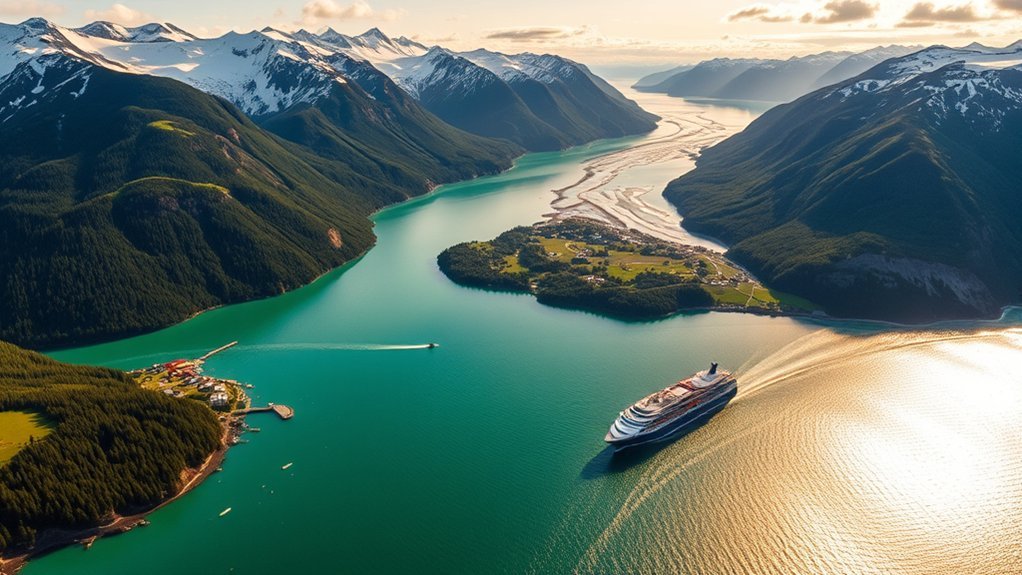
Glacier and wildlife cruises travel through Prince William Sound toward tidewater glaciers, waterfalls, islands, and marine habitat. Depending on route and season, wildlife sightings may include sea otters, seals, sea lions, whales, and seabirds, but no particular species is guaranteed.
Glaciers can calve when ice breaks from their faces, but calving is unpredictable. Enjoy it if it happens rather than treating it as a promised part of every trip.
Prince William Sound is one of the easiest ways to add a full glacier-and-marine-wildlife experience to an Anchorage itinerary without changing hotels.
Visit Anchorage’s glacier and wildlife cruise guide is a useful starting point for understanding the different cruise areas accessible from Anchorage.
Allow most of a day once transportation, tunnel timing, check-in, the cruise itself, and the return to Anchorage are included. Dress in layers and bring a waterproof outer layer because conditions on the water can feel much colder than conditions downtown.
Fish for Salmon in Ship Creek
Ship Creek gives Anchorage something unusual: salmon fishing within walking distance of downtown hotels and the Alaska Railroad Depot. Depending on the run and legal season, anglers target king or silver salmon.
Fishing success changes with run strength, tide, weather, and time of day. Watching the creek can be enjoyable even if you do not fish, particularly when salmon are moving upstream.
If you plan to cast a line, do not rely on last year’s rules or a general travel article. Alaska sport-fishing regulations can change through annual regulations and emergency orders.
Warning: Before fishing Ship Creek, check the current Alaska Department of Fish and Game Anchorage fishing report, open-water boundaries, bag limits, gear rules, emergency orders, license requirements, and king salmon stamp requirements when applicable.
Beginners can rent equipment locally or fish with a guide. Wear footwear with good traction because creek banks can be wet and muddy, and be considerate of nearby anglers when the shoreline is crowded.
Visit a Seasonal Anchorage Market or Festival
Anchorage has a changing collection of seasonal markets, farmers markets, maker events, and festivals. These can be good places to browse Alaska-made art, crafts, produce, prepared food, baked goods, and locally produced items.
The exact locations, opening dates, and operating days can change from year to year. In 2026, Anchorage’s market calendar includes multiple markets around the city rather than one single year-round market operating on an unchanging schedule.
Seasonal markets are worth adding when the dates match your trip, but verify the current venue and schedule rather than relying on an older market listing.
For souvenirs, look for products genuinely made in Alaska and, when buying Alaska Native artwork, seek authentic work sold by or clearly attributed to Alaska Native artists.
Ride the Alyeska Aerial Tram
The Alyeska Aerial Tram at Alyeska Resort in Girdwood climbs the side of Mount Alyeska and opens wide views over the surrounding Chugach Mountains and Turnagain Arm when visibility is good.
The tram operates during both summer and winter seasons, but that does not mean uninterrupted operation every day of the year. Maintenance periods, weather, wind, and seasonal schedules can affect availability. Check Alyeska Resort’s current tram information before driving to Girdwood specifically for the ride.
Scenic Views Await
As the tram climbs, forest gives way to increasingly broad views of Girdwood Valley and the surrounding mountains. On a clear day, Turnagain Arm and distant glaciers add to the panorama.
Conditions at the upper terminal can be cooler and windier than at the resort base, so carry an extra layer even when Anchorage feels warm.
At the top, spend time at designated viewpoints rather than treating the tram purely as transportation. Clouds can move quickly through the mountains, sometimes revealing a view that was hidden only minutes earlier.
Seasonal Adventure
In winter, Alyeska is a major ski and snowboard destination. In summer, visitors come for sightseeing, hiking, mountain scenery, and other resort activities.
The mountain environment changes dramatically by season, and trail access may differ according to snow, maintenance, and operations. If hiking from the upper mountain, follow posted signs and resort guidance rather than assuming every winter or summer route is open.
Because the tram is about 40 miles south of central Anchorage, combine it with Girdwood, Turnagain Arm, the Alaska Wildlife Conservation Center, or Portage if you have a full day.
Dining at the Summit
Alyeska’s summit dining options are seasonal. Seven Glaciers, located high on Mount Alyeska, focuses on contemporary Alaska cuisine and uses ingredients such as local seafood, wild game, and seasonal produce.
The exact menu changes, so avoid planning around a particular salmon, sausage, or dessert dish unless it appears on the current menu. Seven Glaciers also operates on a seasonal schedule and reservations can be important.
| Dining Consideration | What to Know |
|---|---|
| Cuisine | Contemporary Alaska-focused dining |
| Menu | Changes seasonally rather than guaranteeing specific dishes |
| Reservations | Recommended when the restaurant is operating |
Explore Flattop Mountain Trail
Flattop Mountain is one of Anchorage’s best-known hikes, but the summit route should not be described as an easy hike for everyone. Alaska State Parks rates the main summit route from Glen Alps as difficult.
The route is about 1.5 miles one way from the Glen Alps trailhead to the summit, with roughly 1,300 feet of elevation gain. The upper portion is steep and involves scrambling. Alaska State Parks warns that falls have caused serious injuries and fatalities.
If you do not want the summit challenge, you can still visit Glen Alps for mountain and Anchorage views or explore easier lower trails. This makes the area worthwhile even for travelers who prefer not to scramble up steep terrain.
Wildlife may include moose, bears, and birds, and weather can change quickly. Carry water, layers, and suitable footwear, and be prepared to turn around when conditions exceed your experience or comfort level.
Warning: The Flattop summit route is steep and difficult. Check Alaska State Parks trail information, current weather, and trailhead conditions before hiking. Be alert for loose rock and hikers above you.
Attend the Iditarod Trail Sled Dog Race Ceremonial Start
If your trip falls in early March, Anchorage offers a close look at one of Alaska’s best-known sporting traditions through the Iditarod ceremonial start.
The important distinction is that downtown Anchorage hosts the ceremonial start, not the timed beginning of the competitive race. Teams travel an approximately 11-mile ceremonial route through Anchorage, while the official restart takes place the following day.
The 2026 ceremonial start occurred on March 7, 2026. The official Iditarod calendar lists the next ceremonial start for March 6, 2027, in downtown Anchorage.
Spectators can watch mushers and dog teams prepare, experience the atmosphere along the route, and learn more about Alaska’s mushing culture. Dress for prolonged outdoor winter conditions because standing still as a spectator can feel much colder than actively walking or skiing.
Plan Your Anchorage Visit
How Many Days Do You Need?
Two or three full days gives you enough time for downtown culture, the Coastal Trail, a local park, and one major nearby excursion. Three or four days is more comfortable if you want to add Whittier, Girdwood, a glacier cruise, the Alaska Wildlife Conservation Center, or a substantial hike.
Travel Alaska specifically uses three to four days as a useful timeframe for combining Anchorage with nearby attractions, which is a reasonable planning benchmark rather than a strict rule.
Best Things to Do at a Glance
| Activity | Best For | Typical Time | Season |
|---|---|---|---|
| Anchorage Museum | Culture, history, families | 2–3 hours | Year-round |
| Turnagain Arm | Scenery, photography, wildlife | Half to full day | Year-round, conditions permitting |
| Alaska Wildlife Conservation Center | Wildlife, families | 1.5–3 hours | Year-round with seasonal hours |
| Tony Knowles Coastal Trail | Walking, biking, views | 1–4 hours | Year-round with seasonal conditions |
| Alaska Native Heritage Center | Culture, history, education | 2–4 hours | Best programming in summer; check schedule |
| Kincaid Park | Hiking, biking, skiing | 1–4 hours | Year-round |
| Summer dog sledding | Adventure, mushing | Several hours | Summer |
| Whittier glacier cruise | Glaciers, marine scenery | Full day from Anchorage | Primarily warmer months |
| Ship Creek | Fishing, salmon viewing | 1–3 hours | Run and regulation dependent |
| Alyeska Aerial Tram | Mountain views, Girdwood | 1–3 hours | Summer and winter operating seasons |
| Flattop Mountain | Experienced hikers, views | Several hours | Best when trail/weather conditions are suitable |
| Iditarod ceremonial start | Winter culture, mushing | Half day | Early March |
Getting Around Anchorage
Downtown is relatively easy to explore on foot, and the Tony Knowles Coastal Trail begins near the city center. The Municipality of Anchorage’s People Mover bus network serves many urban destinations, including connections between downtown, the airport area, neighborhoods, and other parts of the city.
However, public transit is not a complete substitute for a car when you want to explore Turnagain Arm, Girdwood, Portage, Whittier, or multiple trailheads on your own schedule. For those trips, use a rental car, organized tour, shuttle, or other dedicated transportation.
Summer vs. Winter
Summer is the easiest season for a first Anchorage visit if you want hiking, biking, fishing, wildlife excursions, glacier cruises, long daylight hours, and summer dog sledding.
Winter is better for cross-country skiing, downhill skiing, snowshoeing, snowy scenery, mushing events, and the Iditarod. Shorter daylight and winter road conditions require more careful scheduling.
Spring and fall can be quieter, but some tours and attractions operate reduced schedules during shoulder seasons.
What to Pack
Anchorage weather can change quickly, so dress in layers rather than depending on one heavy garment. A practical packing setup includes a moisture-managing base layer, insulating layer, waterproof or water-resistant shell, comfortable walking shoes, and sturdier footwear if you plan to hike.
Bring sunglasses, sun protection, a refillable water bottle, and insect repellent in warmer months. For cruises and mountain excursions, add a warm hat and gloves even during summer because wind and elevation can make conditions feel much colder.
Frequently Asked Questions
What is the best time to visit Anchorage?
June through August offers the broadest selection of hiking, biking, fishing, cruises, wildlife tours, and long daylight hours. Winter is better for skiing, snow activities, mushing events, and the Iditarod. The best season therefore depends on the experiences you want rather than one universally best month.
Are there guided tours available in Anchorage?
Yes. Options include city tours, wildlife trips, glacier excursions, flightseeing, dog sledding, hiking, biking, fishing, photography, and day trips along Turnagain Arm. Guided transportation is especially useful if you do not want to rent a car.
What should I pack for a trip to Anchorage?
Pack layers, a waterproof or water-resistant outer layer, comfortable shoes, and sturdier footwear for hiking. Add a warm hat and light gloves for mountain or boat trips, plus sun protection, water, and insect repellent during warmer months.
Is public transportation available in Anchorage?
Yes. People Mover buses serve many parts of urban Anchorage. Downtown is also walkable, and the city has an extensive trail network. A car or organized tour is much more convenient for Turnagain Arm, Portage, Girdwood, Whittier, and some trailheads outside the central transit network.
What local specialties should I try in Anchorage?
Popular Alaska-inspired choices include salmon, halibut, crab when available, reindeer sausage, locally produced baked goods, berry-based desserts, and Anchorage craft beer. Menus and seafood availability vary by season, so treat these as foods to look for rather than guaranteed dishes at every restaurant.
How many days should I spend in Anchorage?
Two or three full days works for major city attractions plus one nearby excursion. Three or four days is better if you want to add Girdwood, a glacier cruise, wildlife viewing, or a substantial hike without rushing.
Can I visit Anchorage without renting a car?
Yes, especially if you stay downtown and focus on museums, Ship Creek, the Coastal Trail, restaurants, and guided excursions that include transportation. A car becomes much more useful when your plans include several independent stops south of Anchorage or remote trailheads.
Is Anchorage good for wildlife viewing?
Yes. Moose, bald eagles, salmon, Dall sheep, beluga whales, bears, and other wildlife can occur in or around the Anchorage area, depending on habitat and season. Wild sightings are never guaranteed. The Alaska Wildlife Conservation Center offers a more predictable way to see several Alaska species in a managed sanctuary setting.
Conclusion
Anchorage works especially well for travelers who want both city comforts and quick access to Alaska’s outdoors. You can spend the morning learning about Alaska Native cultures, bike beside Cook Inlet in the afternoon, and use the next day for mountains, wildlife, or glaciers.
The key is to plan by season and geography. Keep downtown activities together, combine Turnagain Arm attractions into a southbound day, reserve weather-dependent excursions with some flexibility, and treat mountain, wildlife, fishing, and tidal environments with appropriate caution. With that approach, Anchorage becomes much more than an arrival point for the rest of Alaska.
Sources
- Visit Anchorage — official destination information covering Anchorage attractions, trails, wildlife, glaciers, tours, and trip planning.
- Anchorage Museum — current museum exhibitions, visitor information, and Discovery Center details.
- Alaska Native Heritage Center — official cultural programs, exhibitions, village-site tours, performances, and visitor information.
- Alaska Wildlife Conservation Center — sanctuary mission, resident wildlife, conservation work, and visitor information.
- Alaska State Parks — Chugach State Park — official Flattop Mountain route distance, elevation gain, difficulty, and safety information.
- Alaska Department of Fish and Game — current Anchorage-area sport-fishing reports, regulations, licensing reminders, and emergency-order information.