Planning ski rental and lessons in Saas-Fee is easier when you arrange the main details before your first morning on the mountain. The car-free Swiss resort has multiple equipment-rental shops, professional ski schools, high-altitude terrain, and options for beginners through advanced skiers. The key is to choose equipment that matches your ability, book instruction that fits your goals, and budget separately for rental equipment, lessons, and your lift pass.
Quick Answer
For a smooth Saas-Fee ski trip, reserve your rental equipment and lessons before busy travel periods, choose skis and boots for your actual ability level, and confirm exactly what each booking includes. Ski passes and equipment are separate from Swiss Ski School Saas-Fee’s listed lesson prices, so include all three costs in your budget.
Key Takeaways
- Renting avoids transporting bulky skis and lets you choose equipment matched to your current ability.
- Reserve equipment online in advance when possible, especially for busy winter weeks and specific sizes.
- Beginners generally benefit from forgiving skis and comfort-focused boots, while stronger skiers may want more responsive equipment.
- Professional lessons can help you learn technique, slope etiquette, and safer habits more efficiently.
- Confirm whether your lesson price covers only instruction or also other services. Swiss Ski School Saas-Fee states that equipment and ski passes are not included in its listed private-course price.
- Check weather, lift status, piste openings, and your energy level before trying to maximize the number of runs you ski.
Why Rent Ski Equipment in Saas-Fee?
Renting is often the most practical choice for occasional skiers, beginners, and travelers who do not want to transport skis, poles, and boots. Buying a complete setup can be expensive, and owning equipment also means storing, maintaining, and transporting it.
A rental setup lets you select equipment for your present skill level without making a long-term purchase. This is especially useful if you are still learning whether you prefer relaxed groomed-piste skiing, faster carving, or more advanced terrain.
Rental is also convenient in Saas-Fee because equipment is available from multiple local sports shops. The official Saas-Fee/Saastal tourism website maintains a ski and snowboard rental directory and notes that larger shops allow visitors to reserve winter-sports equipment online in advance.
Pro Tip: Do not choose a rental package simply because it is labeled “premium.” Tell the technician your height, weight, skiing ability, preferred terrain, and whether comfort or performance matters most. Correctly matched equipment is more useful than the most expensive category.
Where to Rent Skis in Saas-Fee
Saas-Fee has several sports shops offering ski and snowboard equipment. Rather than relying on an old list of business names or prices, use the destination’s official rental directory to see current shops and their booking websites.
When comparing rental options, check:
- Whether skis, boots, and poles are available as one package.
- Whether a helmet can be added if you do not bring your own.
- Whether you can reserve your size online before arrival.
- The shop’s location relative to your accommodation and the lifts you expect to use.
- Whether equipment can be adjusted or exchanged if the fit is poor.
- Collection and return times.
- Cancellation and refund conditions.
Convenience matters because poorly fitting boots or unsuitable skis can quickly spoil a ski day. If something feels wrong after a few runs, return to the rental technician rather than trying to tolerate significant pressure, instability, or an obviously unsuitable setup.
Choosing the Right Ski Rental Package for Your Skill Level
Selecting the appropriate ski rental package can make learning and controlling your skis much easier. Rental categories vary by shop, so focus on the characteristics of the equipment rather than the package name alone.
Beginner Skiers
Beginners normally benefit from manageable, forgiving piste skis that are easy to turn at lower speeds. Comfort is especially important in the boots. A boot should feel secure without creating sharp pressure points, numbness, or excessive movement around the heel.
If you are taking your first lesson, tell the rental technician that you are a complete beginner rather than choosing equipment based on where you hope to be after several days.
Intermediate Skiers
Intermediate skiers can usually choose a more responsive piste or all-mountain setup. Your best option depends on whether you spend most of your time making controlled turns on groomed pistes or want equipment that feels more stable as your speed and technique improve.
Advanced Skiers
Experienced skiers may prefer stiffer, more performance-oriented equipment with stronger edge response. Discuss your preferred terrain and style with the rental technician instead of assuming every advanced ski will suit you.
Note: Ability labels are not standardized between every rental shop. Describe what pistes you ski confidently and how you normally turn rather than relying only on “beginner,” “intermediate,” or “advanced.”
What Should You Rent and What Should You Bring?
A basic alpine ski package commonly centers on skis, boots, and poles. Other items may be rented separately depending on the shop. Confirm the contents before paying because package names and inclusions vary.
- Skis: Rent according to your ability, terrain, height, weight, and skiing style.
- Boots: Spend extra time getting the fit right. Boot discomfort is one of the fastest ways to shorten a ski day.
- Poles: The rental technician can select an appropriate length.
- Helmet: Bring your own properly fitting helmet or ask whether the rental shop offers one.
- Goggles: Bring goggles suited to the expected light and weather conditions unless your chosen shop specifically offers them.
- Clothing: Do not assume jackets, ski pants, gloves, base layers, or socks are part of an equipment package. Check before arrival if you need clothing rental.
Wear one pair of proper ski socks for boot fitting. Bulky layers or doubled socks can make a correctly sized ski boot fit poorly.
The Importance of Professional Ski Lessons

Professional ski instruction can shorten the trial-and-error stage of learning. Beginners can work on stance, stopping, turning, speed control, lift use, and basic slope awareness with an instructor rather than trying to solve every problem alone.
Intermediate and advanced skiers can also use lessons to refine technique. Depending on the course and instructor, that may mean improving parallel turns, edging, carving, short turns, confidence on steeper pistes, or another specific skill.
The Swiss Ski School Saas-Fee offers instruction for different ability levels as well as group and private options. Other ski schools also operate in the destination, so compare lesson format, meeting point, language availability, class size, and cancellation terms before booking.
Group vs. Private Ski Lessons
Group Lessons
Group instruction can offer better value when you are comfortable learning alongside other skiers at a similar level. It also creates a social environment and gives you time to observe other participants.
The disadvantage is that the instructor must divide attention between several people. Progress may therefore depend partly on how closely matched the group’s abilities are.
Private Lessons
Private instruction costs more but allows the instructor to focus on your technique, confidence, goals, and pace. It can be useful if you have a specific problem to solve, are nervous about returning to skiing, want intensive feedback, or have limited time.
As of August 16, 2026, the Swiss Ski School Saas-Fee private ski and snowboard lesson page lists CHF 80 for a one-hour lesson for one person, with longer sessions priced separately. The same page states that ski passes and equipment are not included. Because lesson rates and schedules can change between seasons, check the live booking page before paying.
Warning: Do not assume your lesson booking includes rental equipment or lift access. Confirm each component separately before your first lesson so you do not arrive at the meeting point without the equipment or pass you need.
How Much Should You Budget for Lessons and Lift Access?
Your ski-day budget can include several separate costs: equipment rental, instruction, lift access, food, transportation within the valley, and optional insurance or other services.
For 2026/27, the official Saas-Fee ski-pass price page currently lists a one-day Saas-Fee/Saas-Almagell pass at CHF 84 for adults, with separate youth and child rates. Multi-day and village-lift products are also available.
Lesson pricing should be checked separately. The Swiss Ski School’s private-lesson page currently publishes rates, but its adult group-course information has displayed date bands from the previous 2025/26 season. For that reason, use the live booking system or current course page rather than assuming an older group-course figure applies to winter 2026/27.
How to Make the Most of Your Ski Lesson Experience
| Aspect | What to Check |
| Lesson Duration | Options may include short sessions, multi-hour lessons, half-day instruction, or full-day private instruction depending on the school. |
| Group Size | Private, small-group, and standard group formats may be available. |
| Lesson Focus | Beginner foundations, intermediate progression, advanced technique, or a specific skill. |
| Instructor | Check qualifications, teaching language, specialty, and whether the instructor suits your goals. |
| Lesson Extras | Confirm any extras directly. Swiss Ski School Saas-Fee states that ski passes and equipment are not included in its listed private lesson rates. |
Arrive early enough to complete equipment fitting, collect your lift pass, find the meeting point, and deal with any last-minute problems before the lesson begins.
Tell your instructor what you can actually do rather than what level you think you should be. Explain which pistes you can ski comfortably, whether you can stop and turn reliably, and what makes you nervous. Honest information helps an instructor select appropriate terrain.
Set one or two realistic goals. A beginner might focus on controlling speed and linking turns. An intermediate skier might work on parallel turns or more consistent edge control. An advanced skier may want targeted technical feedback.
During the lesson, ask questions when an instruction is unclear. After the lesson, practice the same movement on terrain where you still feel in control before immediately moving to a harder piste.
Tips for Maximizing Your Time on the Slopes
More runs do not automatically mean a better ski day. A useful plan balances skiing time with changing weather, snow conditions, lift queues, food, hydration, and fatigue.
- Check the resort’s live lift and piste information before leaving your accommodation.
- Study the piste map and identify terrain suitable for your current ability.
- Start with an easier warm-up run instead of making your first descent the hardest one you plan to ski.
- Take a break before fatigue begins to affect your control.
- Drink regularly and eat enough to maintain energy.
- If skiing with friends or family, agree on a meeting point in case the group separates.
- Allow extra time to return rental equipment on your final day.
If weather or visibility changes, adjust your plan rather than trying to complete a fixed itinerary.
What to Expect from the Saas-Fee Ski Area
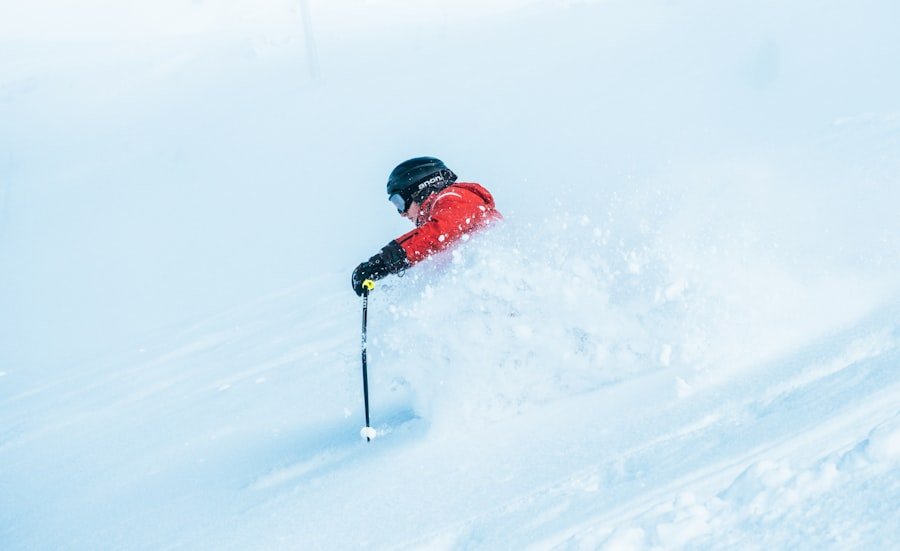
Saas-Fee sits within the high-alpine Saas-Fee/Saastal winter-sports region. The destination’s official winter information describes 150 km of pistes across the wider Saas Valley, reaching elevations of up to 3,600 m. The marked terrain uses the European color system, including blue, red, black, and yellow pistes rather than North American “black diamond” terminology.
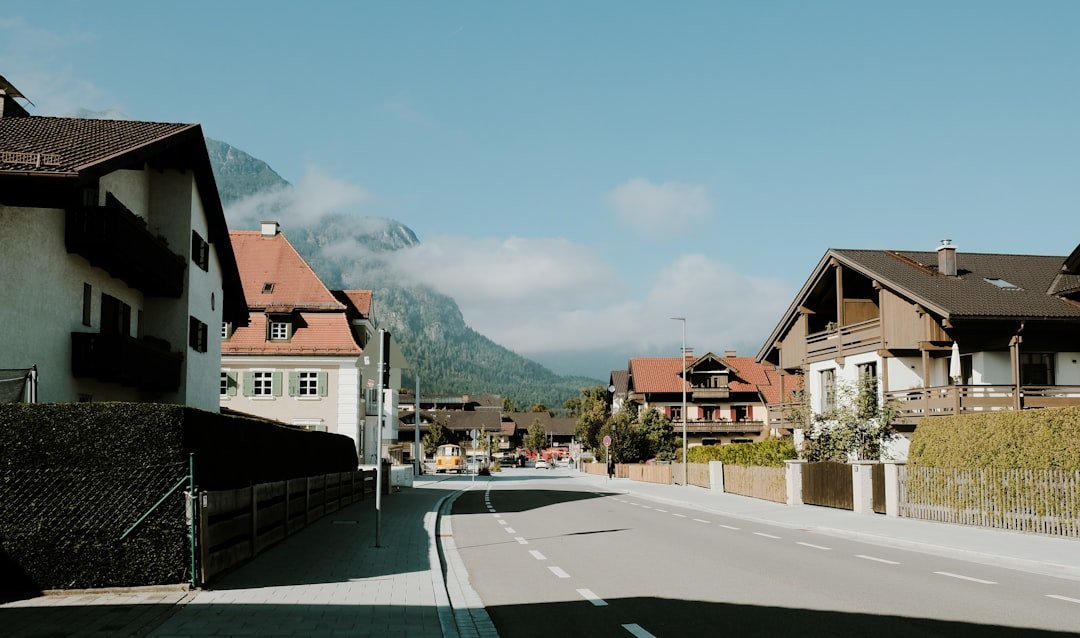
The resort combines glacier scenery with a car-free village environment. Shops, restaurants, accommodation, ski-school meeting points, and mountain-lift access are spread around the village, so check the location of your rental shop and lesson meeting point before your first morning.
For winter 2026/27, Saas-Fee currently lists its winter season from November 1, 2026 through April 18, 2027. Individual lifts and pistes can operate on different schedules, so live status is more useful than the season dates alone on any specific ski day.
Planning for the 2026/27 Saas-Fee Winter Season
The official Saas-Fee/Saastal winter information currently lists the Saas-Fee winter season as November 1, 2026 to April 18, 2027.
Those dates do not mean every lift or piste operates every day for the entire period. Weather, snow, maintenance, and operating schedules can affect individual facilities. Check live conditions shortly before skiing.
Saas-Fee is a car-free village. If you arrive by car, parking is at the village entrance rather than beside your accommodation. That makes the location of your rental shop particularly relevant when you are carrying boots, skis, luggage, or children’s equipment.
Booking rental equipment before arrival can also reduce the risk that a preferred size or equipment category is unavailable during a busy period.
Safety Tips for Skiing in Saas-Fee
Ski within your ability, stay aware of other slope users, and follow all posted markings and closures. The International Ski and Snowboard Federation publishes a Code of Conduct for skiers and snowboarders covering responsible speed, route choice, overtaking, entering a piste, stopping, signs, assistance, and identification after an accident.
- Control your speed for your ability, visibility, snow, terrain, and traffic around you.
- Give skiers below and ahead of you enough space.
- Look uphill and downhill before entering a piste or starting again after stopping.
- Avoid stopping in narrow areas or where approaching skiers cannot easily see you.
- Follow piste signs, barriers, and closure notices.
- Wear a properly fitted ski helmet.
- Use goggles appropriate for the day’s visibility.
- Dress in layers so you can adapt to changing temperature and wind.
- Do not follow tracks into closed or unmarked terrain simply because other people have done so.
Warning: A lesson or rental package does not make difficult terrain safe for your ability. If your instructor, piste signs, patrol instructions, or conditions indicate that terrain is unsuitable or closed, choose another route.
Making the Most of Your Après-Ski Experience
After skiing, Saas-Fee offers restaurants, bars, cafés, and other places to relax in the village. A slower evening can be especially welcome after your first lesson or a long day in rental boots.
Traditional Swiss dishes such as fondue and raclette are popular choices for a warming mountain meal. If you are skiing again the next morning, balance the social side of après-ski with food, water, rest, and enough sleep to return to the slopes alert.
If you would also like a simple food idea for after skiing, the site’s existing homemade cottage cheese recipe offers an optional at-home snack idea. It is separate from Saas-Fee rental, lesson, and resort information.
Frequently Asked Questions
What ski rental options are available in Saas-Fee?
Multiple local sports shops rent alpine ski and snowboard equipment. Packages commonly center on skis, boots, and poles, while helmets or other items may be separate. Check the official Saas-Fee/Saastal rental directory for current shops and online-reservation options.
Are ski lessons available in Saas-Fee?
Yes. Ski schools in Saas-Fee offer instruction for different abilities, with group and private formats available. Compare the course level, meeting point, teaching language, class size, schedule, and cancellation rules before booking.
When should I book ski rental and lessons in Saas-Fee?
Booking ahead is sensible when your travel dates are fixed, particularly during popular holiday periods or when you need specific equipment sizes, a particular lesson time, or private instruction. The official tourism website specifically notes that larger rental shops allow online reservations in advance.
What should I consider when choosing a ski rental shop?
Compare equipment choices, fitting service, online booking, exchange or adjustment policies, collection times, return times, and location. A shop near your accommodation, lesson meeting point, or preferred lift can reduce the amount of equipment you have to carry through the car-free village.
How much do ski rental and lessons cost in Saas-Fee?
Rental prices depend on equipment category, skier age, rental duration, and shop. Lesson prices depend on lesson type, duration, and number of participants. As of August 16, 2026, Swiss Ski School Saas-Fee’s private-course page lists CHF 80 for a one-hour lesson for one person. Check live booking pages before purchasing because prices can change.
Are the ski pass and rental equipment included with a lesson?
Do not assume they are. Swiss Ski School Saas-Fee states on its private-course page that the ski pass and equipment are not included in the lesson price. Confirm the policy with whichever school you book.
What equipment should a first-time skier rent?
A first-time skier normally needs appropriately selected skis, ski boots, and poles, plus a properly fitted helmet. Tell the rental technician that you are a complete beginner so the equipment can be selected for easier control rather than advanced performance.
What is the Saas-Fee winter season for 2026/27?
The official destination currently lists the Saas-Fee winter season from November 1, 2026 through April 18, 2027. Individual lift and piste schedules can differ, so check live operating information for your actual ski dates.
Sources
- Saas-Fee/Saastal: Ski and Snowboard Rental — official rental-shop directory and advance-reservation guidance.
- Saas-Fee/Saastal: Winter in the Saas Valley — piste, elevation, car-free village, and 2026/27 winter-season information.
- Saas-Fee/Saastal: Ski Pass Prices — official 2026/27 lift-pass pricing.
- Swiss Ski School Saas-Fee — lesson options and ski-school information.
- Swiss Ski School Saas-Fee: Private Ski and Snowboard Lessons — current published private-course rates and confirmation that ski pass and equipment are excluded.
- International Ski and Snowboard Federation — official skier and snowboarder Code of Conduct.