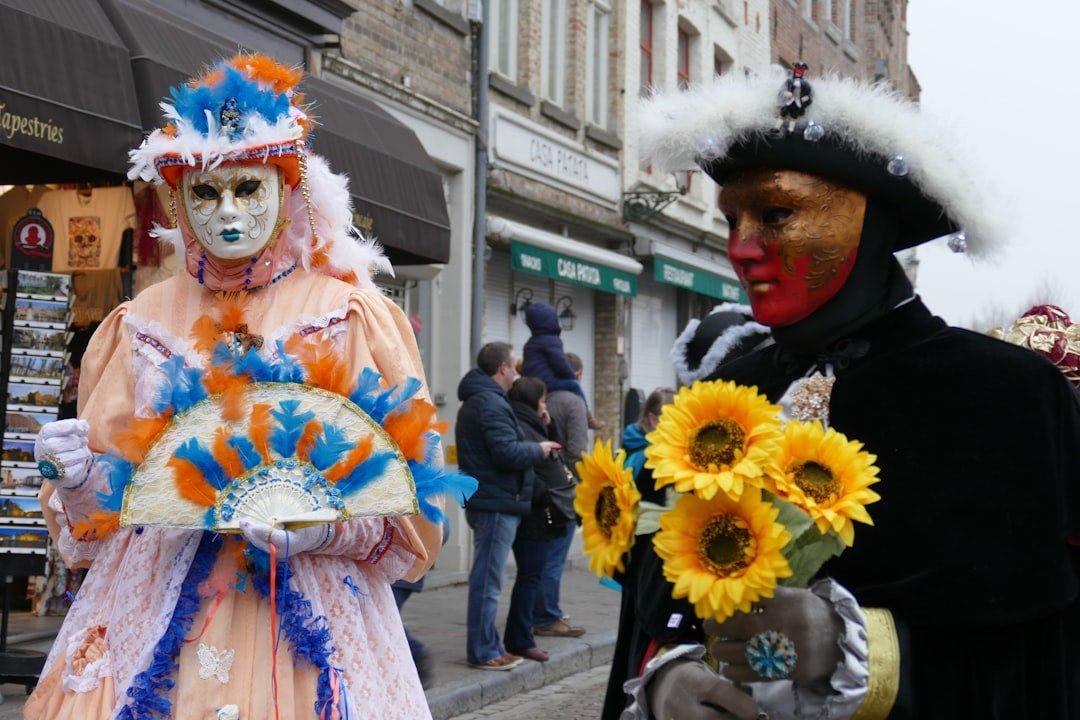
Mobile, Alabama, has one of the most distinctive Mardi Gras traditions in the United States. Its Carnival season combines more than three centuries of local history with elaborate floats, marching bands, mystic societies, MoonPies, royal courts, family-friendly street celebrations, and the uniquely Mobile tradition of Joe Cain Day.
Quick Answer
Mobile Mardi Gras features weeks of parades and Carnival events leading to Fat Tuesday. For the next season, Visit Mobile lists celebrations from January 22 through February 9, 2027, with Fat Tuesday on February 9. Joe Cain Day, historic mystic societies, MoonPie throws, king cake, and downtown parades are signature experiences.
Key Takeaways
- Mobile traces its Mardi Gras tradition to 1703, while the city’s parade and mystic-society traditions developed over the following centuries.
- Joe Cain Day takes place on the Sunday before Fat Tuesday and honors the man credited with helping revive Mobile Carnival after the Civil War.
- Do not rely on an old parade timetable. Check the official schedule and route maps before each visit because parade times, routes, and parking restrictions can change.
- Mobile Mardi Gras is family-friendly, but parents should choose viewing locations carefully, keep children behind barricades, and create a separation plan.
- Popular Mobile traditions include beads, doubloons, MoonPies, king cake, elaborate floats, royal courts, marching bands, and mystic societies.
Mobile Mardi Gras History and Traditions
Mardi Gras means “Fat Tuesday” in French and refers to the final day before Ash Wednesday and the Christian season of Lent. Carnival celebrations developed in many Catholic cultures as a period of feasting, social events, masks, and public celebration before Lent.
Mobile’s local Mardi Gras story is unusually old. The Mobile Carnival Museum’s historical timeline dates the first Mardi Gras observance at the French settlement of Mobile to 1703. Tradition holds that a papier-mâché Boeuf Gras figure was pulled down Dauphin Street in 1711 in what the museum describes as an early Carnival parade.
Mobile’s Carnival story is not one event with one starting date. Key milestones include the 1703 observance, the traditional 1711 parade, the Cowbellions in 1830, Joe Cain’s 1866 revival, and the founding of the Order of Myths in 1867.
In 1830, the Cowbellion de Rakin Society became a major turning point. The Mobile Carnival Museum identifies it as the first mystic society established in the United States. The society helped establish a model that combined a public parade with a themed, invitation-based ball.
Mobile’s street celebrations stopped during the Civil War. In 1866, Joe Cain helped revive public Carnival by parading through the city in costume. His role is still commemorated on Joe Cain Day, observed on the Sunday before Fat Tuesday.
The Order of Myths was founded in 1867 and is recognized by the Mobile Carnival Museum as the oldest continuously parading society in American Carnival. Other long-running organizations, including the Infant Mystics and Knights of Revelry, also became major parts of Mobile’s parade tradition.
Throws, MoonPies, and Mystic Societies
One of the easiest traditions for a first-time visitor to notice is the “throw.” Riders toss beads, doubloons, toys, MoonPies, and other items toward spectators along the parade route. Visit Mobile notes that MoonPies became especially popular as Mardi Gras throws in Mobile in 1952 and remain closely associated with the city’s celebration.
Mystic societies organize many of the parades, themes, floats, costumes, and balls. Public street parades are designed for spectators, but society balls are different. Many balls are private or invitation-based, so visitors should not assume that attending a parade also provides access to the organization’s ball.
When Is Mobile Mardi Gras?
Fat Tuesday changes every year because its date depends on Easter. Mardi Gras events take place before Fat Tuesday rather than on one fixed calendar date.
2027 planning note: Visit Mobile currently lists the upcoming Mardi Gras celebration from January 22 through February 9, 2027. Fat Tuesday falls on February 9, 2027. Always confirm individual parade dates, start times, and routes on the official Visit Mobile Mardi Gras page before traveling.
The busiest period is usually concentrated in the final days before Fat Tuesday. Travelers who want a somewhat easier introduction can consider an earlier parade date, while those who want the full peak-season atmosphere may prefer the final weekend, Joe Cain Day, Lundi Gras, or Fat Tuesday.
Best Parades and Events to Know

Mobile does not have one generic parade simply called the “Mardi Gras Parade.” Different mystic societies and Carnival organizations roll at different times throughout the season, and the lineup can change from year to year.
Rather than choosing a parade only by name, first decide whether you want a daytime family outing, a nighttime parade with illuminated floats, Joe Cain Day, Lundi Gras, or the packed schedule on Fat Tuesday.
Joe Cain Day
Joe Cain Day is one of Mobile’s most distinctive Mardi Gras traditions. It is observed on the Sunday before Fat Tuesday and commemorates Joe Cain’s role in reviving the city’s Carnival spirit after the Civil War. The day includes traditions connected with Cain, his “Merry Widows,” and the people’s parade.
Knights of Revelry
The Knights of Revelry were established in 1874 and have a long association with Mardi Gras Day. Their jester-and-champagne-glass emblem is one of the recognizable images in Mobile Carnival history.
Infant Mystics
The Infant Mystics are one of Mobile’s oldest continuously parading societies and are closely associated with Lundi Gras, the Monday before Fat Tuesday.
Order of Myths
The Order of Myths is traditionally the final parade of the Carnival season. Its history dates to 1867, making it an important choice for visitors interested in the oldest surviving elements of Mobile’s mystic-society tradition.
Other Parades
Mobile’s official schedule includes many additional societies and community organizations. Depending on the season, visitors may encounter the Floral Parade, Comic Cowboys, Mobile Area Mardi Gras Association events, women’s mystic societies, evening parades, and numerous other organizations.
Pro Tip: Choose your parade by date, start time, route, and viewing needs rather than relying on an old “best parades” list. Check the official schedule shortly before your trip because route assignments and times can change.
Tips for Navigating the Crowds, Routes, and Parking
| Plan Early | Check the parade schedule and route before leaving for downtown. |
| Arrive Early | Give yourself time to park, walk to the route, and choose a safe viewing position. |
| Carry Water | Long waits and walking can make hydration especially important. |
| Wear Comfortable Shoes | Expect substantial walking, standing, and closed streets. |
| Bring a Throw Bag | A reusable tote or backpack makes beads, MoonPies, and other catches easier to carry. |
| Make a Meeting Plan | Choose a specific meeting place in case your group becomes separated. |
Before driving downtown, review the City of Mobile Mardi Gras parking and transportation information. The city restricts parking along signed sections of parade routes. Unless otherwise specified, restrictions in areas marked by gold and purple Mardi Gras parking signs apply two hours before a parade, throughout the parade, and for two hours afterward. Vehicles that violate the restrictions can be towed.
Road closures can also change how you reach a parking garage, hotel, restaurant, or attraction. Do not assume your normal downtown driving route will remain open. If you stay downtown, walking to a parade may be easier than repeatedly moving a vehicle.
What to Bring
- Comfortable walking shoes
- Weather-appropriate layers
- Water
- A reusable bag for throws
- A charged phone
- A portable charger for a long parade day
- Identification and only the valuables you actually need
- Hearing protection for children or adults who are sensitive to marching bands, sirens, and crowd noise
Weather along the Gulf Coast can change quickly during Carnival season. Check the forecast before leaving your hotel or home and dress in layers when temperatures are expected to shift between afternoon and evening.
Where to Find King Cake in Mobile
King cake is one of Carnival season’s best-known foods. Styles vary widely, from simple cinnamon-filled cakes to cream-cheese-filled and other flavored versions. Purple, green, and gold decorations are common during Mardi Gras season.
Pollman’s Bake Shop is a longstanding Mobile bakery and a well-established local option for seasonal king cake. Visit Mobile has also highlighted other area bakeries and restaurants in its king cake guide.
Seasonal flavors, ordering deadlines, pickup rules, and availability change, especially during the final days before Fat Tuesday. Order ahead when possible rather than assuming a bakery will have walk-in cakes available.
Note: Some king cakes follow the tradition of including or providing a small baby figurine, but bakery practices differ. Check how the figurine is supplied before serving the cake, particularly when children are eating it.
Family-Friendly Activities
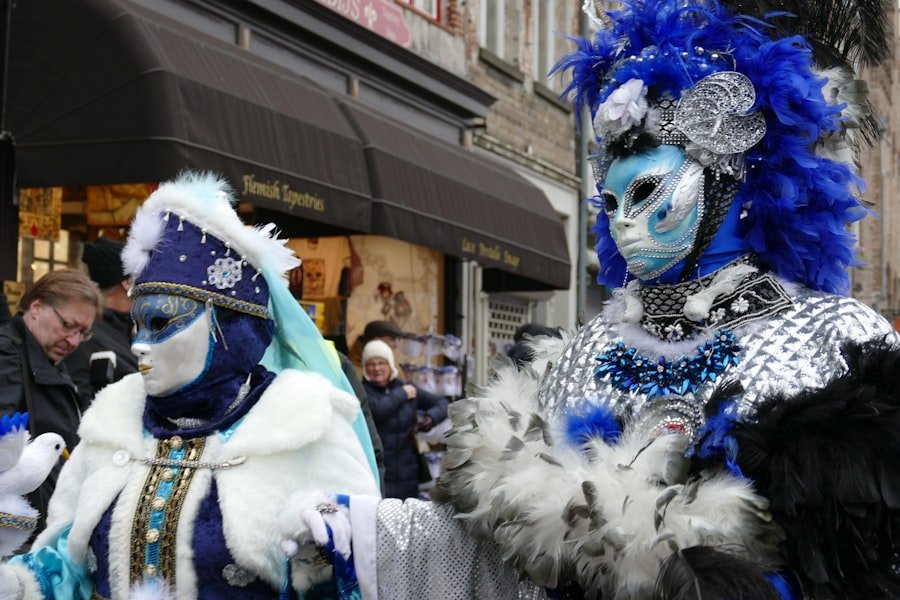
Mobile Mardi Gras is widely promoted as a family-friendly celebration, but families do not need a special event called a “Children’s Parade” to enjoy it. A daytime parade can be a simpler choice for younger children because it avoids a late night and makes it easier to see your surroundings.
Choose a viewing position where everyone can remain together and stay behind the barricades. The Mobile Carnival Museum recommends placing a name tag on small children with a parent’s or caregiver’s name and phone number and establishing a meeting location in advance.
Ideas for a Family Mardi Gras Day
- Choose a daytime parade from the current official schedule.
- Arrive early enough to settle in without rushing through a crowd.
- Bring a bag for beads, MoonPies, doubloons, and toys.
- Explain before the parade that children must not run into the street for throws.
- Use hearing protection if a child is sensitive to loud bands, horns, sirens, or cheering.
- Write a caregiver’s phone number on a secure name tag for young children.
- Set a specific meeting point that older children can recognize.
Families can also add the Mobile Carnival Museum, Mardi Gras Park, Colonial Fort Condé, or another downtown attraction before or after a parade when opening hours and road closures allow.
Accessibility and Special-Needs Planning
Visitors who need accessible parking, a reserved viewing location, mobility support, or other accommodations should check Visit Mobile’s Accessible Mardi Gras information before the trip. Programs, registration requirements, viewing areas, and parking arrangements can change by season.
Even when you do not need a formal accommodation, study the route before choosing a viewing point. Long walks, temporary street closures, crowded sidewalks, barricades, and limited access across the parade route can make an otherwise short downtown trip more difficult.
Must-See Attractions in Mobile
Mobile Carnival Museum
For visitors who want to understand what they see on the street, the Mobile Carnival Museum is the most directly relevant attraction. Its exhibits cover Mobile Carnival history, mystic societies, royal robes, costumes, floats, doubloons, artwork, and other traditions that are difficult to appreciate fully during a moving parade.
Mardi Gras Park
Mardi Gras Park sits in the historic downtown area and commemorates Mobile’s Carnival heritage. It includes statues of well-known Carnival figures and is positioned near important downtown attractions and parade activity.
Colonial Fort Condé
Colonial Fort Condé helps put Mobile’s French colonial origins into context. The original fort was built in 1723. The attraction seen today is a partial reconstruction that opened in 1976, with surviving remnants of the original fort represented elsewhere nearby.
Mobile Museum of Art
If you want a break from Carnival history, the Mobile Museum of Art offers collections that include American, European, African, and Asian art. Check current hours and exhibitions before making the trip because it is outside the core downtown parade area.
Historic Downtown Mobile
Downtown Mobile itself is part of the experience. Streets such as Dauphin, Government, Royal, and surrounding blocks contain historic architecture, restaurants, museums, shops, and many of the locations associated with the city’s Carnival history. During parade periods, however, street closures can make a short driving trip much longer than expected.
Safety Tips for Enjoying Mardi Gras
Warning: The City of Mobile prohibits crossing parade barricades and following floats. Glass containers are prohibited, and pets, skateboards, and motorized scooters are also prohibited during downtown parades. Follow police directions and the current city rules even if other spectators are doing otherwise.
Large crowds make simple preparation important. Keep only the belongings you need, use a secure bag, and avoid leaving valuables visible inside a parked vehicle. The City recommends watching night parades from well-lit areas and establishing a post-parade meeting place in case members of a group become separated.
Never enter the street to retrieve a bead, MoonPie, or other throw while floats and parade units are moving. Do not throw objects toward floats, marching bands, riders, or other parade participants.
If you bring young children, keep them within reach and make sure they understand the barricade rule before the parade starts. A name tag containing a caregiver’s phone number can also help if a small child becomes separated.
After the final parade vehicles pass, allow city crews to begin cleanup rather than immediately crossing barricades or entering the route. Dispose of trash in designated containers and use recycling locations where available.
Because parade schedules, street closures, parking plans, business hours, and seasonal food offerings can change, make the official Mobile Mardi Gras pages your final check before leaving for an event. A few minutes of current planning can prevent an outdated schedule or parking rule from disrupting the day.
Frequently Asked Questions
What is Mardi Gras?
Mardi Gras means “Fat Tuesday” in French. It is the final day before Ash Wednesday and the Christian season of Lent. In Mobile, the broader Carnival season includes parades, balls, costumes, royal traditions, throws, food, and community celebrations before Fat Tuesday.
What is Mobile Mardi Gras?
Mobile Mardi Gras is the city’s historic Carnival celebration. Mobile traces its tradition to 1703 and is known for mystic societies, elaborate floats, marching bands, Joe Cain Day, MoonPie throws, royal courts, king cake, and numerous public parades.
When is Mobile Mardi Gras in 2027?
Visit Mobile currently lists the 2027 celebration from January 22 through February 9. Fat Tuesday is February 9, 2027. Individual parade dates, times, and routes should be confirmed on the official Mardi Gras schedule before your visit.
What are some important Mobile Mardi Gras parades and events?
Joe Cain Day is one of the city’s signature events. Long-running mystic societies include the Order of Myths, Infant Mystics, and Knights of Revelry. Mobile also hosts many other parading organizations, so use the official annual schedule rather than relying on a fixed list.
Is Mobile Mardi Gras good for families?
Yes. Mobile promotes Mardi Gras as a family-friendly celebration. Daytime parades can be especially practical for younger children. Keep children behind barricades, create a separation plan, and consider placing a caregiver’s phone number on a secure name tag.
What should I bring to a Mobile Mardi Gras parade?
Comfortable shoes, water, weather-appropriate layers, a charged phone, a reusable bag for throws, and only the valuables you need are useful. Families may also want hearing protection for noise-sensitive children.
Where should I park for Mobile Mardi Gras?
Parking availability changes with road closures and parade routes. Check the City of Mobile’s Mardi Gras parking information before driving downtown. Signed parade-route restrictions can begin two hours before a parade and continue during the parade and for two hours afterward.
Where can I find king cake in Mobile?
Pollman’s Bake Shop is a longstanding local option, and Visit Mobile publishes seasonal king cake guidance featuring additional area bakeries and restaurants. Order early during peak Carnival season because flavors and availability can change quickly.
Are accessible Mardi Gras viewing options available?
Accessible Mardi Gras programs and viewing arrangements have been offered in Mobile. Because registration requirements, parking areas, and services can change each season, check Visit Mobile’s Accessible Mardi Gras page before relying on a particular location or accommodation.
Sources
- Visit Mobile: Mardi Gras in Mobile — current Carnival dates, visitor information, family-friendly positioning, and official schedule access.
- City of Mobile: Mardi Gras Rules and Safety — barricade rules, prohibited items, pets, parking restrictions, and crowd-safety guidance.
- City of Mobile: Mardi Gras Parking and Transportation — current parade-season parking and transportation information.
- Mobile Carnival Museum: Carnival History — 1703 observance, 1711 parade tradition, Cowbellions, Joe Cain, Order of Myths, and other historical milestones.
- Visit Mobile: Joe Cain Day — Joe Cain’s 1866 revival and the Sunday-before-Fat-Tuesday tradition.
- History Museum of Mobile: Colonial Fort Condé — history of the original 1723 fort and the modern reconstruction.