Swiss cuisine is best understood as a collection of regional food traditions rather than one single national style. German-, French-, Italian-, and Romansh-speaking areas all bring different ingredients and techniques to the table. Still, a handful of dishes have become strongly associated with Switzerland, including cheese fondue, raclette, rösti, Älplermagronen, Zürcher Geschnetzeltes, and Swiss chocolate.
Quick Answer
The traditional Swiss foods most worth trying include cheese fondue, raclette, rösti, Älplermagronen, Zürcher Geschnetzeltes, Birchermüesli, Capuns, Bündnerfleisch, Ticino-style polenta or risotto, Engadine nut cake, and Swiss chocolate. The best choices vary by region, so tasting local specialties is part of the experience.
Key Takeaways
- Swiss food is highly regional, with influences from neighboring German, French, and Italian culinary traditions.
- Raclette is melted cheese traditionally scraped onto potatoes and commonly served with pickled accompaniments.
- Rösti is a crisp potato dish made from grated raw or cooked potatoes and served as a side or a base for toppings.
- Cheese fondue has several regional formulas; the famous Fribourg moitié-moitié version uses Gruyère AOP and Vacherin Fribourgeois AOP.
- Beyond the best-known cheese dishes, Switzerland offers Alpine macaroni, veal dishes, air-dried meats, polenta, regional pastries, and chocolate.
What Makes Traditional Swiss Food Distinctive?
Switzerland sits at a cultural crossroads, and its food reflects that geography. The national tourism office describes Swiss cooking as a mix of neighboring culinary influences adapted with local ingredients. Regional identity matters: Valais is closely associated with raclette, Zurich with Geschnetzeltes, Graubünden with Capuns and Bündnerfleisch, and Ticino with Italian-influenced foods such as polenta and risotto. You can see a broader regional overview from Switzerland Tourism.
Cheese and potatoes appear often, but they are only part of the picture. Sausages, air-dried meats, breads, grains, apples, nuts, cream, wine, and regional vegetables also play important roles. This variety is why the most rewarding way to explore Swiss food is to try specialties where they are traditionally made.
Raclette: A Cheesy Delight
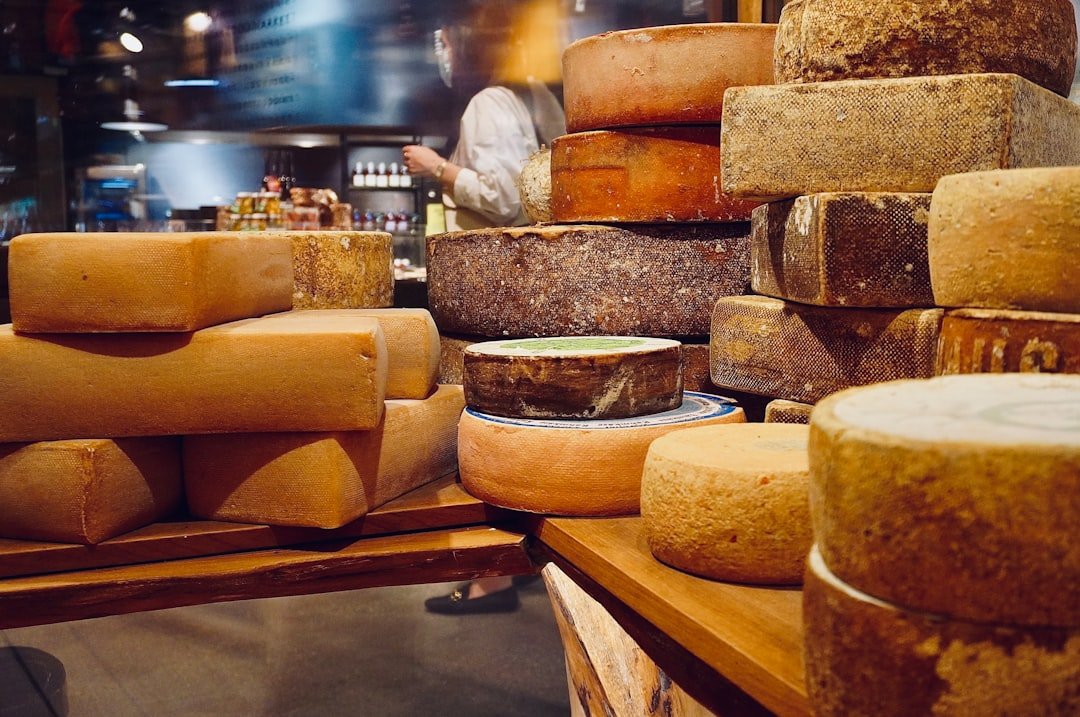
Raclette is both a cheese-centered dish and a social way of eating. It has especially strong ties to Valais. Traditionally, a half wheel of cheese is warmed near a fire until the surface softens, then the melted layer is scraped onto a plate. The Swiss Federal Office of Culture’s Living Traditions inventory describes raclette as a meal historically associated with farmers and shepherds and notes its special importance in Valais.
Classic accompaniments include potatoes, gherkins or cornichons, and pickled onions. Cured meats may also appear, although the cheese and potatoes are the core of the experience. The familiar connection between the dish and the idea of scraping reflects the traditional serving method.
Modern table grills make raclette easier to serve at home. Diners melt individual slices of cheese in small pans while warming vegetables or other sides on the grill. The communal format encourages a slow meal, conversation, and repeated small servings rather than one plated course.
Pro Tip: If you want the most traditional Valais-style experience, keep the plate simple: good raclette cheese, boiled or jacket potatoes, pickled onions, and gherkins. Add extra toppings only after you have tried the basic combination.
Rösti: A Crispy and Comforting Dish

Rösti is one of Switzerland’s best-known potato dishes. It is made from grated raw or cooked potatoes that are fried in butter or another fat until they form a flat cake with a crisp golden surface. Switzerland Tourism notes that both raw and cooked potatoes are used in Swiss versions.
Rösti has long been associated with German-speaking Switzerland and with hearty rural food. Today, it is eaten across the country. It may be served on its own, as a side dish with meat, or with toppings such as fried eggs, cheese, onions, or other ingredients.
The dish is simple, but regional and household variations are common. Some cooks start with previously cooked potatoes, while others use raw grated potatoes. Add-ins such as onions or cheese can make the result richer, but potatoes remain the defining ingredient.
Fondue: A Classic Swiss Staple
| Aspect | Fondue Basics |
| Origin | A long-established Swiss cheese dish with documented recipes dating to 1699 |
| Core Ingredients | Cheese plus liquid; many versions use white wine, garlic, and a starch |
| Serving Style | Shared from a heated caquelon, usually with bread and sometimes boiled potatoes |
| Famous Cheese Version | Fribourg moitié-moitié: Gruyère AOP and Vacherin Fribourgeois AOP |
| Other “Fondue” Styles | Meat fondue and chocolate fondue use the same communal idea but are different preparations from Swiss cheese fondue |
Cheese fondue is one of the strongest international symbols of Swiss food. Diners share a heated pot called a caquelon, using long forks to dip bread, and in some versions potatoes, into melted cheese.
There is no single cheese blend that represents every Swiss fondue. One of the best-known versions is the Fribourg moitié-moitié, made with equal parts Gruyère AOP and Vacherin Fribourgeois AOP. The official Le Gruyère AOP recipe also uses white wine, garlic, and corn flour. Other regions and households use different cheese combinations.
The history is older than the common story that fondue began simply as a way to use leftover cheese and stale bread during the 18th century. The Swiss Federal Office of Culture reports written fondue records from 1699 and mentions the dish in 18th-century cookbooks. Specialized fondue utensils became common in Swiss homes much later, during the 20th century.
Written Swiss records of fondue reach back to 1699, long before the dish became a modern symbol of communal Alpine dining.
Meat fondue, such as fondue bourguignonne, and chocolate fondue are also served communally, but they should not be treated as variations of the same cheese recipe. Their shared feature is the table-centered dipping or cooking experience.
Note: Many traditional cheese fondue recipes contain white wine, and some include kirsch. If you avoid alcohol, ask the restaurant how its fondue is prepared rather than assuming every version is alcohol-free.
Other Traditional Swiss Foods to Try
Raclette, rösti, and fondue deserve their fame, but they do not represent the full range of Swiss cooking. Regional dishes are one of the best ways to understand how much Swiss food changes from canton to canton.
Zürcher Geschnetzeltes
Zürcher Geschnetzeltes, or Zurich-style sliced veal, is a specialty of Zurich. It uses thin strips of pan-fried veal in a creamy sauce and is typically served with rösti. Mushrooms and white wine appear in many modern preparations. Zurich Tourism describes the dish as one of the city’s classic specialties; see its guide to Zürcher Geschnetzeltes.
Älplermagronen
Älplermagronen is hearty Alpine macaroni made with potatoes, pasta, cheese, and cream. Fried onions are a common topping, and applesauce is a traditional accompaniment. It is a useful reminder that Swiss comfort food extends beyond fondue and rösti.
Birchermüesli
Birchermüesli is a Swiss oat-and-fruit dish associated with Zurich doctor Maximilian Oskar Bircher-Benner, who developed an early version around 1900. Modern versions often combine oats with grated apple, nuts, yogurt or cream, and other fruit.
Capuns and Bündnerfleisch
Graubünden has its own strong food identity. Capuns are Swiss chard rolls filled with a spätzle-style mixture that may include meat, while Bündnerfleisch is air-dried beef. Both offer a very different taste of Switzerland from the country’s melted-cheese dishes.
Ticino-Style Polenta and Risotto
In Italian-speaking Ticino, polenta and risotto reflect the region’s close culinary links with northern Italy. Rather than treating saffron risotto as the defining Ticino dish, it is more accurate to look for regional risotto preparations that may use ingredients such as local Merlot or mushrooms, along with polenta served with meat, sausages, or sauces.
Swiss Chocolate and Engadine Nut Cake
Swiss chocolate has a global reputation, and Swiss confectioners played an important role in the development of modern milk chocolate and conching in the 19th century. Well-known Swiss chocolate names include Lindt and Toblerone, while many smaller producers and chocolate shops offer regional products.
For a baked sweet, try Engadiner Nusstorte, also called Engadine nut cake. It combines pastry with a rich nut-and-caramel filling and is strongly associated with the Engadine region of Graubünden. Switzerland Tourism lists it among the country’s notable regional sweets.
Where to Find Traditional Swiss Foods
Local markets are useful places to explore regional foods. Farmers, cheesemakers, butchers, and bakers may sell cheeses, cured meats, produce, bread, and pastries that are closely tied to the surrounding canton. Markets can also help you compare products before ordering a full restaurant meal.
Restaurants in Zurich, Geneva, Bern, Lucerne, Fribourg, Ticino, Valais, and Graubünden often highlight local specialties. Instead of searching only for a generic “Swiss restaurant,” look for the dish and region together. For example, try raclette in Valais, fondue in Fribourg, Zürcher Geschnetzeltes in Zurich, or Capuns in Graubünden.
Mountain restaurants, huts, and chalets are also natural places to encounter filling dishes such as rösti, raclette, fondue, and Älplermagronen. Menus change by season and region, so checking the restaurant’s current menu is worthwhile if you are traveling for one particular dish.
Tips for Enjoying Traditional Swiss Foods
Give communal dishes time. Fondue and raclette are designed for repeated small servings, so the experience is usually better when you eat slowly and talk between bites rather than treating the meal like a quick main course.
Pairings also vary by region. In Valais, raclette is traditionally associated with Fendant, a local white wine, while other Swiss wines may be suggested for different fondue styles. Local beer, mineral water, tea, and nonalcoholic drinks are also reasonable choices depending on the meal.
Ask what is in the dish if you have dietary restrictions. Fondue and raclette contain dairy; fondue may contain wine or kirsch; Zürcher Geschnetzeltes contains veal; Capuns may contain meat; and side dishes or sauces can vary by restaurant. Vegetarian travelers can often find rösti, polenta, some risottos, Birchermüesli, cheese dishes, breads, and desserts, but preparation details still matter.
Bringing the Taste of Switzerland Home
You can recreate several Swiss classics without specialized restaurant equipment. For fondue, use a suitable fondue pot or another heavy pot that can hold gentle, even heat. Choose a tested cheese blend rather than assuming all Swiss cheeses melt in the same way. A Fribourg moitié-moitié formula uses Gruyère AOP and Vacherin Fribourgeois AOP with white wine, garlic, and starch.
Rösti is even simpler in terms of equipment: potatoes, fat, seasoning, and a frying pan are enough for a basic version. You can experiment with onions, cheese, eggs, or other toppings while keeping the potato cake as the foundation.
For raclette at home, an electric tabletop raclette grill is convenient, but the essential idea is simply to melt suitable raclette cheese and serve it hot with potatoes and pickled accompaniments. Prepare the potatoes and sides first so the cheese can be eaten as soon as it melts.
Dessert lovers can try an Engadine-style nut tart or chocolate truffles made with good-quality chocolate. If you also enjoy making fresh dairy foods, this guide to delicious homemade cottage cheese offers another hands-on kitchen project, although cottage cheese is not a substitute for the traditional cheeses used in fondue or raclette.
Whether you host a fondue night, make rösti for brunch, or serve Alpine macaroni with applesauce, cooking these foods at home is an approachable way to explore Swiss culinary traditions beyond a trip to Switzerland.
Frequently Asked Questions
What are some traditional Swiss foods to try?
Start with cheese fondue, raclette, rösti, Älplermagronen, Zürcher Geschnetzeltes, Birchermüesli, Capuns, Bündnerfleisch, Ticino-style polenta or risotto, Engadine nut cake, and Swiss chocolate. The best choices depend on the region you are visiting.
What is fondue?
Swiss cheese fondue is melted cheese served hot in a communal pot called a caquelon. Diners use long forks to dip bread, and sometimes potatoes, into the cheese. Recipes vary by region; Fribourg’s moitié-moitié version combines Gruyère AOP and Vacherin Fribourgeois AOP.
What is raclette?
Raclette is a Swiss melted-cheese dish with especially strong ties to Valais. Traditionally, the surface of a half wheel is heated and scraped onto a plate, then eaten with potatoes and pickled accompaniments such as gherkins and onions.
What is rösti?
Rösti is a Swiss potato dish made from grated raw or cooked potatoes fried in fat until crisp and golden. It can be served as a side dish, eaten with eggs or meat, or topped with ingredients such as cheese and onions.
What is Zürcher Geschnetzeltes?
Zürcher Geschnetzeltes is a Zurich specialty made from thinly sliced veal in a creamy sauce. Many versions include white wine and mushrooms, and it is commonly served with rösti.
What is Älplermagronen?
Älplermagronen is Swiss Alpine macaroni made with pasta, potatoes, cheese, and cream. Fried onions are commonly added, and applesauce is a traditional accompaniment.
What is special about Swiss chocolate?
Switzerland has a long chocolate-making tradition and became especially influential in the 19th century. Swiss innovators helped develop milk chocolate and the conching process, both of which shaped modern chocolate production.
Is traditional Swiss food only cheese and potatoes?
No. Cheese and potatoes are prominent in famous dishes, but Swiss regional cooking also includes veal, sausages, air-dried beef, polenta, risotto, breads, oats, fruit, nuts, pastries, wine, and chocolate.
Sources
- Switzerland Tourism: This is Swiss cuisine – regional specialties, rösti, Älplermagronen, Swiss chocolate, and other traditional foods.
- Swiss Federal Office of Culture: Raclette as a social event – traditional raclette method and cultural context.
- Swiss Federal Office of Culture: Fondue as a social event – fondue history, communal serving, and regional versions.
- Le Gruyère AOP: Fondue Half & Half – ingredients and preparation for fondue moitié-moitié.
- Zurich Tourism: Zürcher Geschnetzeltes – Zurich-style veal and its traditional rösti pairing.