Istanbul’s public transport network is one of the easiest ways to explore a city that had 15,754,053 residents in the latest official 2025 population count. Metro lines, trams, buses, Metrobus, Marmaray trains, ferries and funiculars link both the European and Asian sides, while Istanbulkart provides a common payment method across much of the network. For visitors, knowing which mode works best for each journey can save both time and money.
Quick Answer
For most Istanbul visitors, use the T1 tram for the historic center, M2 for Taksim and northern central districts, Marmaray or ferries to cross between continents, M4 for Sabiha Gökçen Airport, and the Gayrettepe–Istanbul Airport–Halkalı metro corridor for Istanbul Airport. Istanbulkart is the most useful everyday payment option.
Key Takeaways
- The T1 Kabataş–Bağcılar tram is especially useful for Sultanahmet, Eminönü, Karaköy and the Grand Bazaar area.
- M2 is useful for Taksim, Şişhane, Mecidiyeköy and connections to other rail lines.
- Marmaray is usually the fastest rail option for crossing under the Bosphorus between the European and Asian sides.
- Ferries are practical transport as well as one of the most enjoyable ways to see the Bosphorus.
- Metrobus is useful for long cross-city journeys along its dedicated road corridor.
- M4 serves Sabiha Gökçen Airport, while Istanbul Airport is connected to the Gayrettepe–Istanbul Airport–Halkalı rail corridor.
- Selected metro lines operate overnight on Friday and Saturday nights, but Istanbul’s entire metro system does not run 24/7 every day.
- Fares and schedules change, so check the official operator before relying on an old price or departure time.
Understanding the Different Modes of Public Transportation
Istanbul’s transportation system includes several networks rather than one single type of service. Metro and tram lines work well for many central journeys, while IETT buses reach neighborhoods that are not directly served by rail. Metrobus uses a largely dedicated road corridor and can be faster than ordinary buses on some cross-city trips.
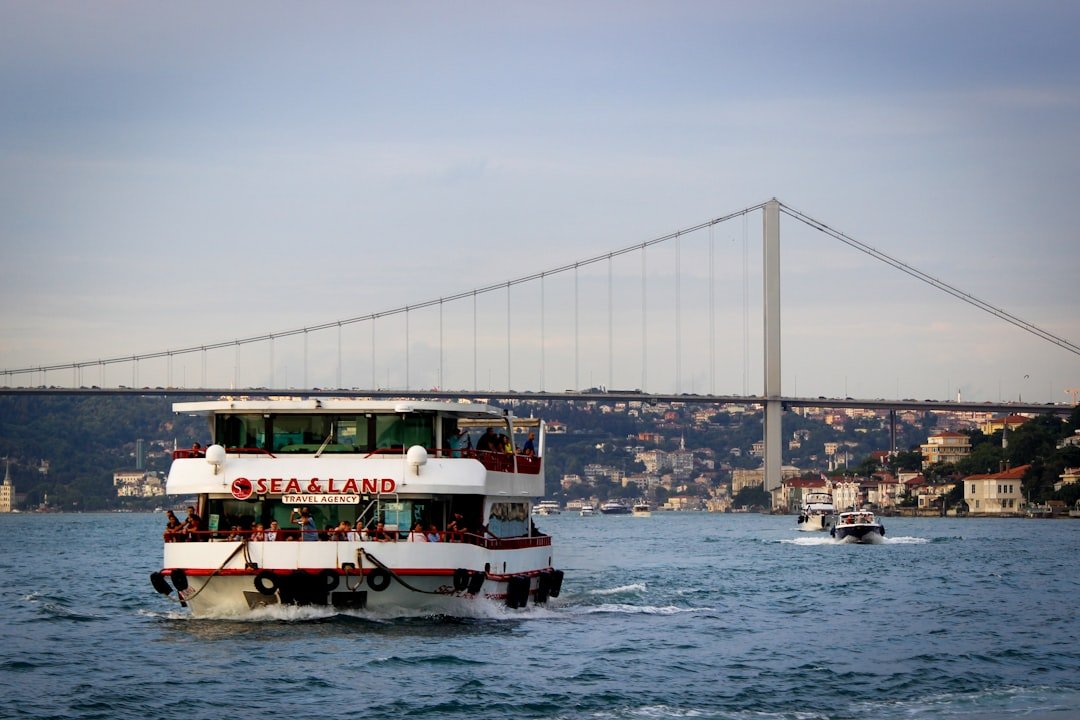
Marmaray is another important part of the system. It carries suburban trains through the rail tunnel beneath the Bosphorus and connects the European and Asian sides without requiring a ferry. For travelers who prefer the water, Şehir Hatları ferries connect major waterfront districts and the Princes’ Islands.
Funiculars fill important gaps in Istanbul’s steep geography. The F1 line, for example, connects Taksim with Kabataş in only a few minutes and provides an easy transfer to the T1 tram and ferries.
| Transport mode | Best for | Useful examples |
| Metro | Fast travel across major districts | M2 for Taksim; M4 for Sabiha Gökçen Airport |
| T1 Tram | Historic center sightseeing | Sultanahmet, Eminönü, Karaköy, Grand Bazaar area |
| Marmaray | Fast Europe–Asia rail crossings | Sirkeci, Üsküdar/Ayrılık Çeşmesi connections |
| Ferry | Waterfront districts and scenic crossings | Eminönü, Karaköy, Kadıköy, Üsküdar, Beşiktaş |
| Metrobus | Long journeys along the main east-west road corridor | Connections at Zincirlikuyu, Mecidiyeköy, Ünalan and other hubs |
| Bus | Neighborhoods away from rail | Hundreds of IETT routes across the city |
How to Pay: Istanbulkart, Tickets and Contactless Cards
Istanbulkart remains the most practical payment option for people who expect to use public transport repeatedly. It can be used across services including buses, Metrobus, metro, Marmaray, trams and ferries. Credit can be loaded at ticket machines and through supported official channels.
As of September 9, 2026, Metro İstanbul’s official fare page lists the anonymous Istanbulkart full fare at ₺46.20 and a one-pass electronic ticket at ₺65. The official Istanbulkart fee page lists the standard Istanbulkart itself at ₺165 before travel credit is added.
Note: Istanbul transport tariffs can change. Check the official fare page shortly before your trip instead of relying on an old blog post or screenshot.
Visitors may also encounter limited-pass tickets, the tourist-oriented Istanbul City Card and contactless credit or debit card payment. The official tourism information for Istanbul confirms that visitors can use Istanbulkart, limited passes, Istanbul City Card or compatible contactless bank cards on public transportation.
Do not assume that every discounted fare is available to every visitor. Student, social, senior and disability benefits can depend on eligibility and personalized cards. An ordinary visitor using an anonymous Istanbulkart should plan around the standard fare unless officially eligible for another category.
Navigating the Istanbul Metro
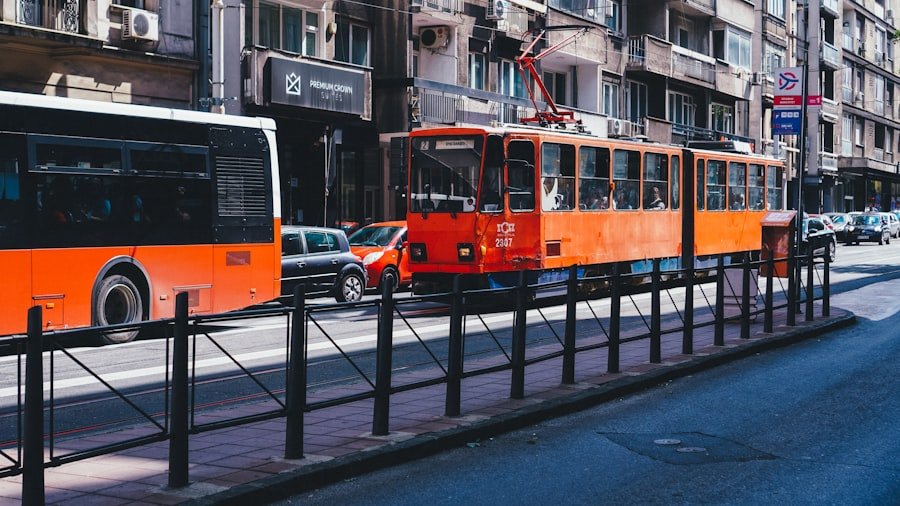
The Istanbul Metro is one of the fastest ways to cover longer distances while avoiding road traffic. Metro İstanbul’s first rail-system operation began on the M1 corridor in 1989, and today’s rail network has grown into multiple metro, tram, funicular and cable-car lines.
For many visitors, the M2 Yenikapı–Hacıosman line is especially useful. It serves important areas such as Şişhane, Taksim, Şişli-Mecidiyeköy and Gayrettepe. At Taksim, passengers can transfer to the F1 funicular for Kabataş. Gayrettepe provides a connection toward the Istanbul Airport metro corridor.
On the Asian side, the M4 Kadıköy–Sabiha Gökçen Airport line connects Kadıköy with Sabiha Gökçen International Airport. It also connects with Marmaray at Ayrılık Çeşmesi and Metrobus at Ünalan.
Metro stations have network maps and transfer signs, and Metro İstanbul provides current maps, timetables and service information online. Normal operating hours on many Metro İstanbul lines are roughly 06:00 to midnight, but exact first and last trains can vary by line and day.
Night Metro
Istanbul does have overnight metro service, but the phrase “the metro runs 24/7” needs qualification. Metro İstanbul’s current Night Metro program operates on M1A, M1B, M2, M4, M5, M6 and M7 on the nights connecting Friday to Saturday and Saturday to Sunday.
Warning: Do not plan a late weekday journey on the assumption that every metro line operates all night. Check the official timetable and Night Metro page for your exact line and date.
Getting Around on the Istanbul Tram
| T1 stop | Useful for | Useful connection |
| Kabataş | Waterfront and Dolmabahçe area | F1 funicular to Taksim and ferry services |
| Karaköy | Karaköy and Galata area | F2 historic Tünel and ferries |
| Eminönü | Spice Bazaar and waterfront | T5 tram and ferry services |
| Sultanahmet | Hagia Sophia, Blue Mosque and Basilica Cistern area | Walk to the main historic sights |
| Beyazıt-Kapalıçarşı | Grand Bazaar and Beyazıt | Walking access to the bazaar district |
| Topkapı | Western historic districts | T4 tram and Metrobus connections nearby |
The T1 Kabataş–Bağcılar tram is one of the most useful lines for first-time visitors because it passes through or close to many historic and waterfront districts. According to Metro İstanbul’s official T1 information, the line has 31 stations and normally operates from 06:00 to 00:00, with more frequent service during busy periods.
The T1 is a modern tram. It should not be confused with Istanbul’s nostalgic T2 tram on İstiklal Avenue near Taksim. If you are staying around Taksim and want to reach the T1, the F1 Taksim–Kabataş funicular is usually the simplest connection.
Pro Tip: For a classic sightseeing day, use T1 for Sultanahmet and Eminönü, then take a ferry across the Bosphorus instead of returning by the same land route.
Using the Istanbul Bus System
IETT buses cover areas far beyond the rail network and are especially useful when your hotel, restaurant or attraction is not near a metro or tram station. Traffic can make bus journey times unpredictable, so rail is often the better choice when both options serve the same route.
IETT provides route searches, journey planning and estimated bus-arrival information through its official website and mobile services. The operator warns that estimated arrival times can change with traffic conditions.
Minibüs and dolmuş services also operate in Istanbul, but they should not be confused with the IETT bus fleet. They are separate road-transport services with their own routes and operating arrangements.
Using Metrobus for Longer Cross-City Journeys
Metrobus is a bus rapid transit system that uses a largely dedicated corridor along major roads. Because it avoids much of the ordinary traffic on its route, it can be useful for long journeys between districts that are awkward to connect by metro alone.
The line also connects with other systems at major transfer points. For example, Metro İstanbul lists Metrobus connections from several metro stations, including Ünalan on M4 and Şişli-Mecidiyeköy and Gayrettepe on M2.
Metrobus vehicles can become extremely crowded during weekday commuting periods. If you have luggage or simply want a more comfortable trip, use rail outside peak hours when a practical alternative exists.
Using Marmaray to Cross the Bosphorus by Train
Marmaray is one of the most important missing pieces in many older Istanbul transport guides. The suburban railway connects Halkalı on the European side with Gebze on the Asian side and passes through a rail tunnel beneath the Bosphorus.
The Ministry of Transport describes the full Halkalı–Gebze Marmaray corridor as 76.6 kilometers long with 43 stations. For visitors, the biggest advantage is speed: you can cross between continents without depending on bridge traffic or ferry schedules.
Marmaray also connects with Istanbul’s metro, tram and ferry networks at multiple stations. Yenikapı and Ayrılık Çeşmesi are especially useful transfer points for travelers combining Marmaray with Metro İstanbul services.
Exploring Istanbul by Ferry
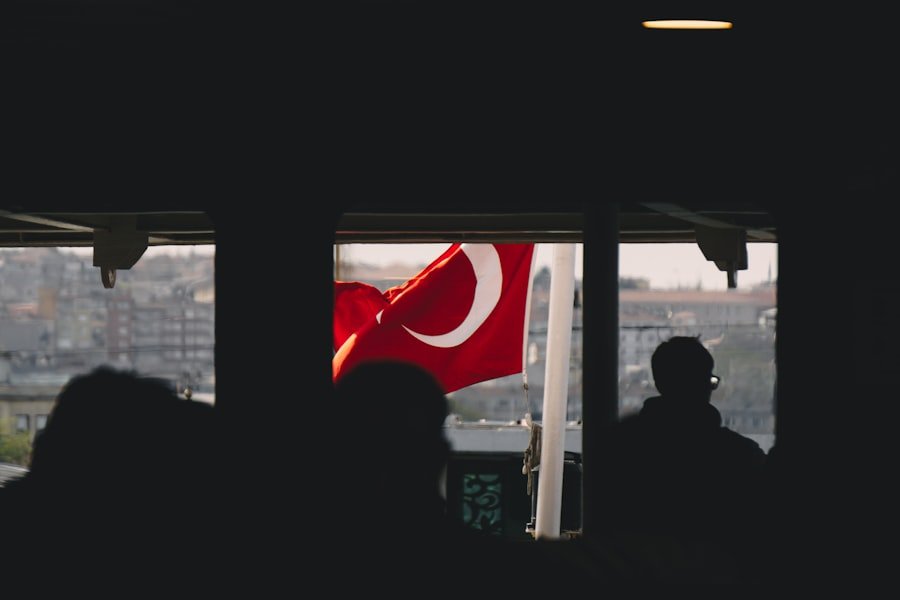
One of the most enjoyable ways to travel in Istanbul is still the ferry. Regular Şehir Hatları routes link European and Asian waterfront districts including Eminönü, Karaköy, Kabataş, Beşiktaş, Kadıköy and Üsküdar.
Crossing times vary by route, so there is no single reliable “20–30 minute” rule for every ferry. Some central crossings are short, while longer routes and services with intermediate stops take more time. Use the official Şehir Hatları timetable for the exact sailing you plan to take.
Ferries also serve the Princes’ Islands, including Büyükada and Heybeliada. These trips take longer than a simple Bosphorus crossing and have different fare structures.
Some Şehir Hatları services use distance-based pricing and allow eligible passengers to tap their Istanbulkart at a refund machine after leaving the pier. The exact rules differ by route, so check the current fare table rather than assuming all ferry journeys are charged the same amount.
In Istanbul, the ferry is not merely a sightseeing activity. For many Europe–Asia journeys, it is part of the everyday public transport network.
Getting to Istanbul’s Airports by Public Transport
Istanbul Airport
Istanbul Airport has a direct rail connection. A major freshness update for 2026 is that the final Halkalı–Arnavutköy section opened in June, completing the Gayrettepe–Istanbul Airport–Halkalı metro corridor. The Ministry of Transport states that the completed corridor is 69 kilometers long.
For central-city travelers, Gayrettepe offers a useful interchange with the M2 metro. Travelers approaching from the Halkalı side can use the western end of the airport line.
Sabiha Gökçen International Airport
The M4 Kadıköy–Sabiha Gökçen Airport metro runs directly to the airport on Istanbul’s Asian side. It connects with Marmaray at Ayrılık Çeşmesi and with Metrobus at Ünalan, making it possible to combine the airport metro with other parts of the network.
IETT also operates airport bus routes. Because route numbers and timetables can change, check the current operator information before departure rather than relying on an old printed list.
Using Istanbul’s Funiculars
Istanbul’s hills make short funicular lines unusually useful. The F1 Taksim–Kabataş line connects Taksim with the Bosphorus waterfront in about 2.5 minutes according to Metro İstanbul. At Kabataş, passengers can transfer to the T1 tram and ferry services.
This is often easier than walking down or climbing the steep streets between Taksim and the waterfront. Other funicular and historic tunnel services also form part of Istanbul’s wider rail network.
Tips for Using Public Transport in Istanbul
- Use rail when traffic is heavy. Metro, tram, Marmaray and Metrobus are generally more predictable than ordinary road buses during congested periods.
- Keep enough balance on your Istanbulkart. Top up before entering a busy station instead of waiting until the turnstile rejects the card.
- Check the destination displayed on the vehicle. Some lines have branches or different termini.
- Allow extra time during rush hour. Weekday mornings and late afternoons can be crowded.
- Keep valuables secure. Crowded tourist stations, trams and buses are sensible places to pay extra attention to phones, wallets and bags.
- Check service alerts. Special events, maintenance and public gatherings can temporarily close stations or change routes.
- Do not assume every line runs all night. Use the official Night Metro and IETT night-line pages for late journeys.
- Check elevators if accessibility matters. Metro İstanbul publishes information about station equipment and temporary elevator or escalator faults.
Making the Most of Public Transport in Istanbul
Istanbul’s public transport system is most effective when you combine different modes instead of trying to use only one. A visitor might take M2 from Taksim, transfer to T1 for Sultanahmet, use a ferry to Kadıköy, and return by Marmaray. Each mode solves a different part of the city’s geography.
The key is to plan around major transfer hubs, check current timetables and keep fare information up to date. Istanbulkart simplifies everyday payment, while rail and ferry connections make it possible to explore large parts of the city without relying on taxis or a private vehicle.
If you’re looking for a break from navigating Istanbul’s public transport system, you might want to try making some delicious homemade cottage cheese with this simple and healthy recipe from Tagline Today. It’s a great way to relax and enjoy a tasty treat while exploring the city.
Frequently Asked Questions
What are the main modes of public transport in Istanbul?
The main options include metro, tram, Marmaray suburban rail, IETT buses, Metrobus, ferries and funiculars. Cable cars and nostalgic tram services also operate on selected routes.
How can I pay for public transport in Istanbul?
Istanbulkart is the most widely useful option. Visitors can also use limited-pass tickets, Istanbul City Card and supported contactless credit or debit cards on public transportation. Payment options and fares can change, so check Istanbulkart’s official information before travel.
How much does Istanbul public transport cost?
As of September 9, 2026, Metro İstanbul lists the anonymous Istanbulkart full fare at ₺46.20 and a one-pass electronic ticket at ₺65. Other services, including some ferries and distance-based journeys, can use different tariffs. Always verify current prices before traveling.
Are there discounts for students, seniors or people with disabilities?
Discounted and free Istanbulkart categories exist, but eligibility requirements apply and many benefits require a personalized card. Tourists should not assume they qualify simply because they fall into an age or student category in their home country.
What is the best public transport option for Istanbul’s historic center?
The T1 Kabataş–Bağcılar tram is usually the most useful line for visitors because it serves Sultanahmet, Eminönü, Karaköy and the Grand Bazaar area.
What is the fastest way to cross between Europe and Asia?
Marmaray is usually the fastest rail crossing because it travels beneath the Bosphorus. Ferries can be equally practical for waterfront destinations such as Eminönü, Karaköy, Beşiktaş, Kadıköy and Üsküdar and provide a more scenic journey.
Does Istanbul public transport operate 24 hours a day?
Not across the entire network. Metro İstanbul currently operates Night Metro service on M1A, M1B, M2, M4, M5, M6 and M7 on Friday and Saturday nights. IETT also operates designated night-bus routes. Always check the current schedule for your exact journey.
Can I reach Istanbul Airport by metro?
Yes. The Gayrettepe–Istanbul Airport–Halkalı rail corridor serves Istanbul Airport. Its final Halkalı–Arnavutköy section opened in June 2026.
Can I reach Sabiha Gökçen Airport by metro?
Yes. The M4 Kadıköy–Sabiha Gökçen Airport line runs directly to the airport and connects with Marmaray and Metrobus along the route.
Is public transport in Istanbul safe for tourists?
Public transport is widely used by residents and visitors. As in other large cities, keep phones, wallets and bags secure in crowded vehicles and stations, and follow operator announcements and station instructions.
Sources
- Metro İstanbul — T1 Kabataş–Bağcılar Tram Line — official route, operating hours, stations and transfers.
- Metro İstanbul — Night Metro — current overnight metro lines and operating pattern.
- Metro İstanbul — Tickets and Fares — current Istanbulkart and electronic-ticket prices.
- IETT — official bus, Metrobus, journey-planning and live bus information.
- Şehir Hatları — official Istanbul ferry routes and timetables.
- Republic of Türkiye Ministry of Transport and Infrastructure — June 2026 completion and operation of the Gayrettepe–Istanbul Airport–Halkalı metro corridor.