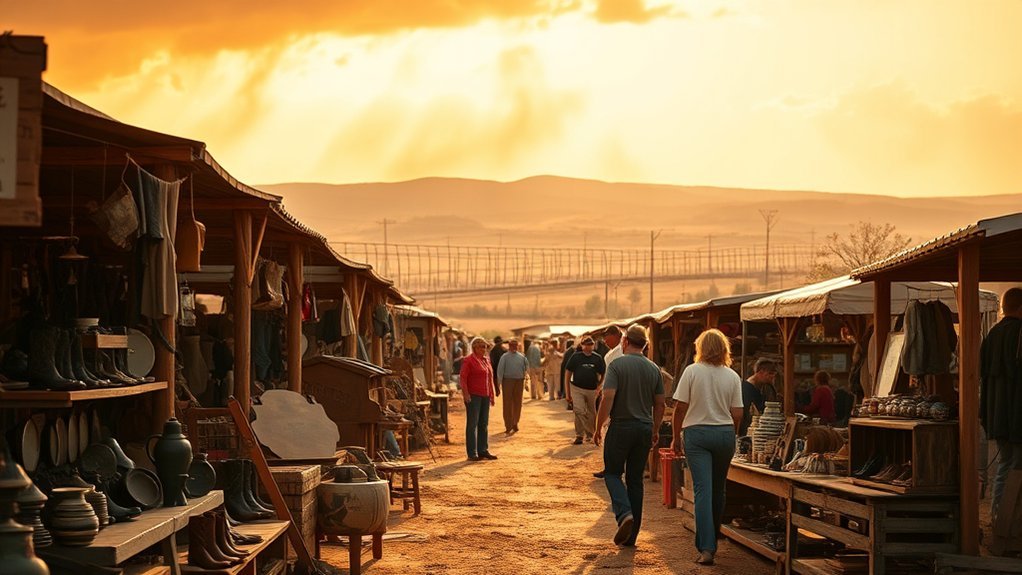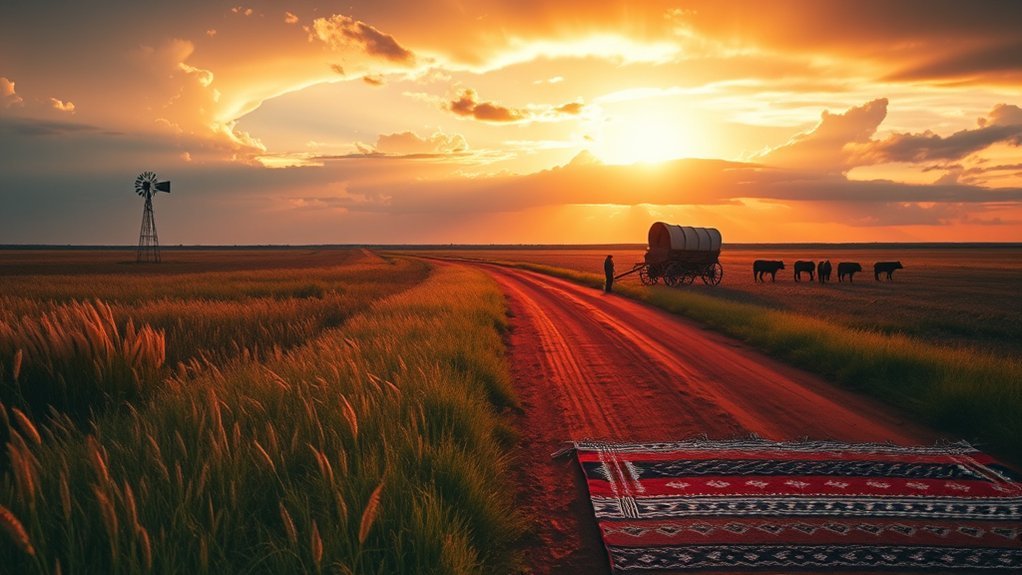
Oklahoma is called the Sooner State because of people who entered the Unassigned Lands before the official start of the Land Run of 1889. Those early entrants became known as Sooners. The name began as criticism for gaining an unfair or illegal advantage, but it later became a widely used symbol of Oklahoma energy and determination. The full history also includes the Native nations whose lands and sovereignty were affected by federal expansion.
Quick Answer
Oklahoma is known as the Sooner State because “Sooners” entered the Unassigned Lands before the Land Run officially began at noon on April 22, 1889. The label first suggested rule-breaking and unfair advantage. Over time, Oklahomans turned it into a nickname associated with ambition, resilience, and state pride.
Key Takeaways
- A Sooner was someone who entered the Unassigned Lands before the authorized opening time.
- Most lawful participants in the 1889 Land Run were not Sooners.
- The Homestead Act provided a path to land ownership, but it did not legalize entering early.
- The University of Oklahoma adopted “Sooners” for its football team in 1908.
- The nickname is widely used, although the Oklahoma Historical Society notes that it was apparently never formally adopted by state law.
- The story should include both settler opportunity and the cost of federal expansion to Native nations.
The Origins of the “Sooner” Nickname
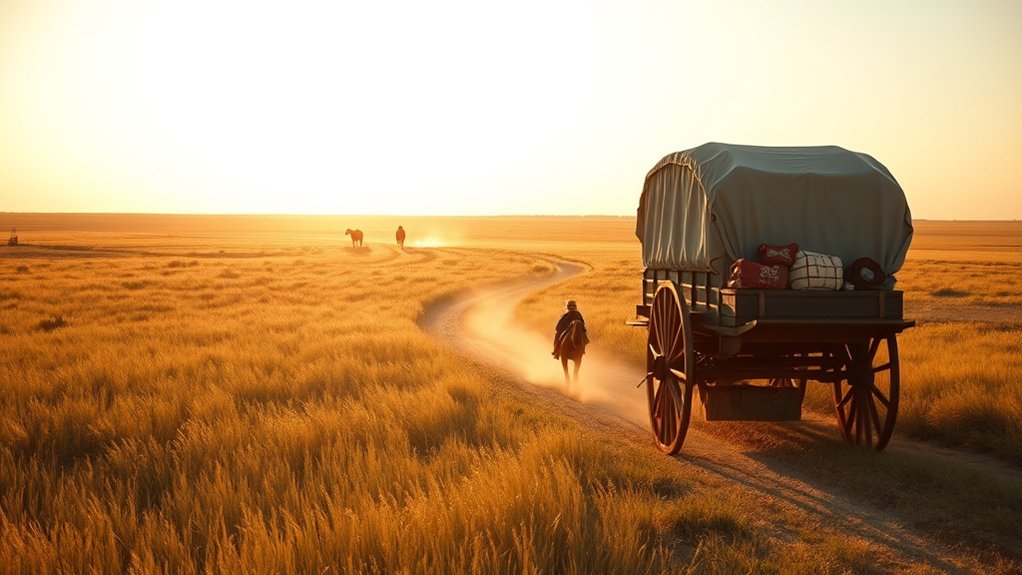
The word Sooner is tied to the federal rule that prohibited people from entering and occupying the Unassigned Lands before the official opening. According to the Oklahoma Historical Society, the name was applied after the 1889 Land Run to people who entered the Oklahoma District before the designated time.
Some Sooners hid in brush, ravines, or other concealed places and appeared after the starting signal so they could claim desirable land before lawful participants reached it. Others were federal workers, railroad employees, marshals, or people with permission to be inside the area before the run. These people were sometimes called legal Sooners, although their early access could still give them an advantage.
The nickname began as a charge of unfairness, not as a name for every person who took part in the Land Run.
Historical Context Before the Land Run
The Land Run did not take place on an empty landscape. Present-day Oklahoma included the homelands of Native peoples and land assigned to tribal nations, including nations forcibly removed from other parts of the United States. After the Civil War, the federal government renegotiated treaties with the Muscogee and Seminole nations. Land later called the Unassigned Lands came under federal control and was eventually opened to non-Native settlement.
The Oklahoma Historical Society’s account of the opening describes both opportunity and cost. Settlers saw a chance to own land, establish towns, and build businesses. Native communities experienced another stage of federal expansion that reduced tribal land and weakened control over territory.
Note: “Unassigned Lands” was a federal legal term. It should not be read to mean that the broader region lacked Native history, communities, treaty rights, or political significance.
What Happened in the 1889 Land Run?
Congress approved the opening of the Unassigned Lands in March 1889. President Benjamin Harrison issued a proclamation on March 23, setting the opening for noon on April 22, 1889. The proclamation warned that people who entered early could lose the right to obtain land.
- Before the run: Land seekers gathered along the borders, while some people entered early or were already inside for authorized work.
- At noon: Signals were given at different entry points, and people rushed forward on horseback, in wagons, by train, and on foot.
- After the run: Claimants marked parcels, filed at land offices, built shelters, and sometimes fought lengthy legal disputes over competing claims.
The Oklahoma Historical Society estimates that about 50,000 people surrounded the Unassigned Lands on the morning of the run. Many entered lawfully after the signal. A smaller group entered too soon and became associated with the Sooner name.
How Did the Homestead Act Enable Land Claims?
The Homestead Act of 1862 created a federal process through which qualified claimants could obtain as much as 160 acres of eligible public land. In general, a claimant had to file an application, live on and improve the property, and prove the claim after five years.
For the 1889 opening, federal law made the land available under homestead rules. This gave lawful settlers a path toward ownership. It did not authorize Sooners to enter early. In fact, the opening law included a provision intended to deny land rights to people who occupied the area before the authorized time.
Who Were the Sooners and What Did They Do?
The groups connected with the 1889 opening are often mixed together, but the terms have different meanings.
| Term | Meaning | Connection to the opening |
|---|---|---|
| Sooners | People who entered before the official time | Their early entry could disqualify a claim and create disputes. |
| Legal Sooners | People authorized to be inside before noon | They could still hold an advantage because they already knew the land. |
| Boomers | Activists who pushed the federal government to open the land | They campaigned for settlement before the 1889 opening. |
| Eighty-Niners | People associated with the lawful 1889 run | They entered after the official signal and were not automatically Sooners. |
Sooners were not a formal social class or a single organized group. They included people with different motives and methods. What united them was early access that could help them secure a desirable farm, town lot, water source, or business location.
What Can We Learn From the 1889 Land Run?
The Land Run shows how ambition, law, competition, and federal power can shape settlement.
- Opportunity was uneven: Land ownership could bring security and wealth, but transportation, information, money, and early access affected who had the best chance.
- Rules mattered: The Sooner controversy shows how quickly trust breaks down when some people gain an unfair advantage.
- Settlement had human costs: The opening helped create farms, towns, and businesses, but it also formed part of a longer process that reduced Native land control.
- Popular memory can simplify history: Stories often celebrate the speed and excitement of the run while giving less attention to legal disputes, Native perspectives, African American settlers, women, and people who failed to obtain land.
The strongest account avoids treating the event as either a simple adventure or a single story of wrongdoing. It recognizes hope, hardship, competition, and dispossession at the same time.
How the Term “Sooner” Evolved Over Time
The Original Negative Meaning
Early lawful settlers generally viewed Sooners as people who had broken the rules and gained an unfair head start. Claims involving suspected Sooners could lead to hearings, testimony, canceled filings, and years of conflict. The name therefore carried a strong negative meaning in the years after the run.
From Criticism to State Pride
The meaning changed during the early 20th century. The University of Oklahoma adopted Sooners as the name of its football team in 1908. By the 1920s, the Oklahoma Historical Society notes, the word had largely lost its negative force and had become a badge of pride and progress.
Today, the name often suggests energy, readiness, and a “can-do” attitude. However, that positive meaning does not erase the word’s origin or the larger history of Native land loss.
Pro Tip: When explaining the nickname, separate its historical definition from its modern cultural meaning. That makes the answer both clearer and more accurate.
Why the Sooner Identity Matters in Oklahoma Culture
The Sooner identity connects a familiar state nickname with the dramatic events of 1889. It appears most visibly through the University of Oklahoma’s athletic teams and related traditions. For many Oklahomans, it represents resilience, ambition, and pride in the state.
The identity is also debated. Some people see the name as a positive symbol that has changed meaning over time. Others emphasize that the original Sooners gained an unfair advantage and that the wider settlement story cannot be separated from federal policies toward Native nations. A balanced explanation makes room for both views.
The Oklahoma Historical Society states that the Sooner State was apparently never formally designated by statute or resolution. It is nevertheless Oklahoma’s best-known nickname.
How Sooner Heritage Is Remembered
Sooner heritage is remembered through university athletics, museums, historical sites, classroom resources, local commemorations, and public discussions about the land openings. The State Fair of Oklahoma contributes to the state’s broader cultural identity, while museums and historical organizations provide more direct interpretation of the Land Run and territorial period.
The Oklahoma History Center presents the state’s history through Native culture, settlement, commerce, agriculture, and other themes. Land Run programs and reenactments can make history vivid, but responsible programs should explain that most participants were not Sooners and that the land opening affected Native nations as well as newcomers.
How Education Keeps the Sooner Legacy Alive
Education keeps the history alive by moving beyond the image of riders racing across a starting line. Students can study the federal law, the presidential proclamation, homestead records, maps, photographs, personal accounts, tribal history, and contested claims.
A More Complete History Curriculum
A strong lesson should help students answer several questions:
- Why did the federal government open the Unassigned Lands?
- What was the difference between Boomers, Sooners, legal Sooners, and lawful participants?
- How did homestead rules work?
- How did the opening affect Native nations and tribal land?
- Who is missing from the most familiar Land Run stories?
- How did the word “Sooner” change from criticism to pride?
Remembering Pioneer Spirit Responsibly
Schools and community programs can recognize endurance and ambition without turning the Land Run into a one-sided celebration. Primary sources, tribal perspectives, museum exhibits, and claim records help students compare memory with evidence.
| Learning method | Purpose | Best result |
|---|---|---|
| Primary-source analysis | Compare laws, maps, photographs, and personal accounts | Students separate evidence from legend. |
| Museum and site visits | Connect objects and places with historical events | History becomes concrete and memorable. |
| Tribal perspectives | Explain sovereignty, treaties, and land loss | Students gain a more complete account. |
| Careful reenactments | Show the pace and uncertainty of a land opening | Activity supports learning instead of replacing it. |
| University traditions | Examine how a negative label became a positive identity | Students understand how public memory changes. |
How the Sooner State Fits Oklahoma’s Larger History
The Sooner nickname is only one part of Oklahoma’s history. The state’s identity also reflects the sovereignty and cultures of Native nations, African American settlement, cattle trails, railroads, oil development, farming, migration, and the joining of Oklahoma Territory and Indian Territory at statehood in 1907.
That wider context matters because the nickname can otherwise make Oklahoma history appear to begin in 1889. Native peoples lived in and governed communities in the region long before the Land Run, and tribal nations remain a central part of Oklahoma today.
What Challenges Did Sooners and Other Settlers Face?
Sooners and lawful settlers faced different legal risks, but both could encounter harsh conditions after the run.
- Contested claims: Two or more people might claim the same parcel, especially when one person was accused of entering early.
- Limited shelter and supplies: New settlers often began with tents or quickly built structures while towns and services developed.
- Water and weather: Access to reliable water affected the value and survival of a claim. Heat, drought, storms, and cold could make farming difficult.
- Financial pressure: A land claim still required labor, tools, seed, animals, building materials, fees, and time.
- Conflict over land and authority: Federal settlement policy created lasting tension over Native land, treaty rights, and sovereignty.
The Dust Bowl belongs to a later period. It severely affected Oklahoma farm families during the 1930s, especially in the Panhandle, but it should not be presented as an immediate challenge of the 1889 Land Run. Some families and communities established during the settlement era later experienced those hardships.
Frequently Asked Questions
Why is Oklahoma called the Sooner State?
Oklahoma is called the Sooner State because Sooners entered the Unassigned Lands before the official opening time of the 1889 Land Run. The term began as a negative label for people who gained an early advantage, but it later became a symbol of state pride.
Did every participant in the 1889 Land Run count as a Sooner?
No. Most participants waited for the official signal and entered lawfully. “Sooner” specifically referred to people who entered early, including some authorized workers later described as legal Sooners.
What is the difference between a Boomer and a Sooner?
Boomers campaigned to open land in Indian Territory to non-Native settlement. Sooners entered the land before the authorized starting time. A person could support the Boomer movement without becoming a Sooner.
Is “Sooner State” Oklahoma’s official legal nickname?
It is Oklahoma’s widely recognized nickname. However, the Oklahoma Historical Society says it was apparently never formally designated by state statute or resolution.
What makes Oklahoma’s history distinctive?
Oklahoma’s history combines the sovereignty and cultures of Native nations, forced removal, Indian Territory, land openings, African American communities, territorial settlement, and the union of Oklahoma Territory and Indian Territory at statehood in 1907.
What is Oklahoma’s current racial and ethnic makeup?
Current U.S. Census Bureau QuickFacts lists 69.1% of Oklahoma residents as White alone, 9.4% as American Indian and Alaska Native alone, 7.9% as Black alone, 2.8% as Asian alone, and 10.6% as two or more races. Hispanic or Latino residents, who may be of any race, make up 14.0%. White alone and not Hispanic or Latino is 58.7%.
Why is Oklahoma City the state capital?
Guthrie served as the territorial capital and the first state capital. In 1910, voters selected Oklahoma City over Guthrie and Shawnee. The move was contested, but the legislature established Oklahoma City as the capital later that year, as explained by the Oklahoma Historical Society.
Conclusion
Oklahoma’s Sooner State nickname began with people who entered the Unassigned Lands before the official start of the 1889 Land Run. It changed from a charge of rule-breaking into a broad symbol of ambition and resilience. The most accurate version of the story keeps that transformation while also recognizing lawful settlers, contested claims, federal land policy, and the lasting importance of Native nations in Oklahoma’s history.
Sources
- Oklahoma Historical Society: Sooner — origin, legal and illegal Sooners, 1908 adoption, and nickname status.
- Oklahoma Historical Society: Land Run of 1889 — date, participation estimate, starting signals, and claim context.
- Oklahoma Historical Society: The Opening of Oklahoma — proclamation, settlement opportunity, and effects on people already living in the region.
- National Park Service: Homestead Act of 1862 — eligibility, acreage, residence, cultivation, and patent requirements.
- Oklahoma Historical Society: The Story of the Capitol — the 1910 move from Guthrie to Oklahoma City.
- U.S. Census Bureau QuickFacts: Oklahoma — current population and demographic data.