Phoenix in winter combines mild afternoons, cool mornings, desert sunshine, and a long list of outdoor activities that are much easier to enjoy than during the hottest months. You can hike among saguaros, watch the sunset from a desert overlook, browse farmers markets, explore Roosevelt Row, dine on a patio, or use Phoenix as a base for scenic Arizona day trips. The key is to plan for strong sun, chilly evenings, busy trailheads, and very different weather if you drive into higher elevations.
Quick Answer
Winter is one of the easiest seasons to explore Phoenix outdoors. Expect generally mild afternoons, chilly mornings and evenings, and strong sun. Plan desert hikes, sunrise or sunset outings, farmers markets, patio meals, First Friday, and a balloon ride, while keeping a flexible plan for weather and higher-elevation day trips.
Key Takeaways
- Phoenix winter afternoons are usually mild, but mornings and nights can feel surprisingly cool.
- Choose hikes by difficulty. Camelback Mountain’s main summit routes are much harder than the easy walks at Papago Park.
- Winter is well suited to sunsets, outdoor markets, patio dining, art walks, desert gardens, golf, and birding.
- Book ticketed tours and special events early, but do not assume ordinary public trails and markets require reservations.
- Check road and weather conditions before winter day trips to Flagstaff or other higher-elevation destinations.
Phoenix Winter Weather: What to Expect
Phoenix’s winter weather is one of the main reasons visitors spend so much time outside. National Weather Service climate normals put a typical late-December day around the mid-60s Fahrenheit with nighttime temperatures in the 40s, while conditions trend somewhat warmer by February. These are climate averages, not daily guarantees, so individual days can be colder, warmer, windy, or rainy.
Check the National Weather Service Phoenix climate normals when you want historical context, then use the current forecast immediately before outdoor plans.
Phoenix winter afternoons commonly reach the 60s and 70s, but desert mornings and evenings can still call for a jacket.
December and January usually feel coolest, while February often brings warmer afternoons. The large day-to-night temperature swing is why layers work better than one heavy coat.
Best Hikes and Scenic Trails for Mild Winter Days
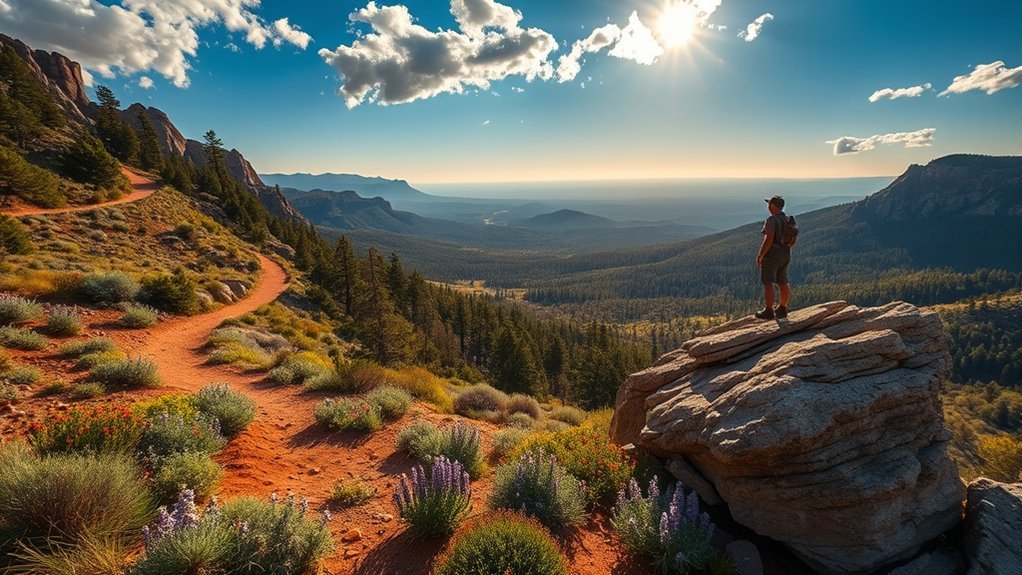
Winter is prime hiking season in Phoenix because the desert is more comfortable than during the intense summer heat. The city and surrounding preserves offer everything from short walks to steep summit routes, so match the trail to your fitness, experience, and available daylight rather than choosing only by popularity.
- Papago Park: A good choice for shorter, easier desert walks and distinctive sandstone scenery. Hole-in-the-Rock is especially popular for a quick viewpoint.
- South Mountain Park/Preserve: Offers a large network of trails with choices ranging from relatively gentle outings to long, strenuous climbs and broad valley viewpoints.
- Piestewa Peak and Phoenix Mountains Preserve: Useful when you want a more athletic hike close to central Phoenix. Check the specific route because difficulty varies considerably.
- Camelback Mountain: Best reserved for capable, prepared hikers. The principal Echo Canyon and Cholla summit trails are officially rated Extremely Difficult.
The City of Phoenix hiking and trails guide provides current trail information, maps, closures, and recreation-area details.
Warning: Mild winter weather does not eliminate desert hazards. Carry water, use sun protection, stay on designated trails, watch your footing around loose rock and cactus, and turn around before you become exhausted. Camelback’s summit trails are steep, exposed, and intended for experienced, prepared hikers.
Camelback also has special rules worth knowing. Dogs are prohibited on all Camelback Mountain trails, and winter and spring can bring very heavy trailhead traffic. Review the City of Phoenix Camelback Mountain information before going.
Pro Tip: For a relaxed winter day, hike in the morning, take a midday break, and save a second outdoor stop or patio meal for late afternoon. You get pleasant temperatures without turning the day into one long endurance outing.
Sunrise and Sunset Spots That Shine in Cooler Weather
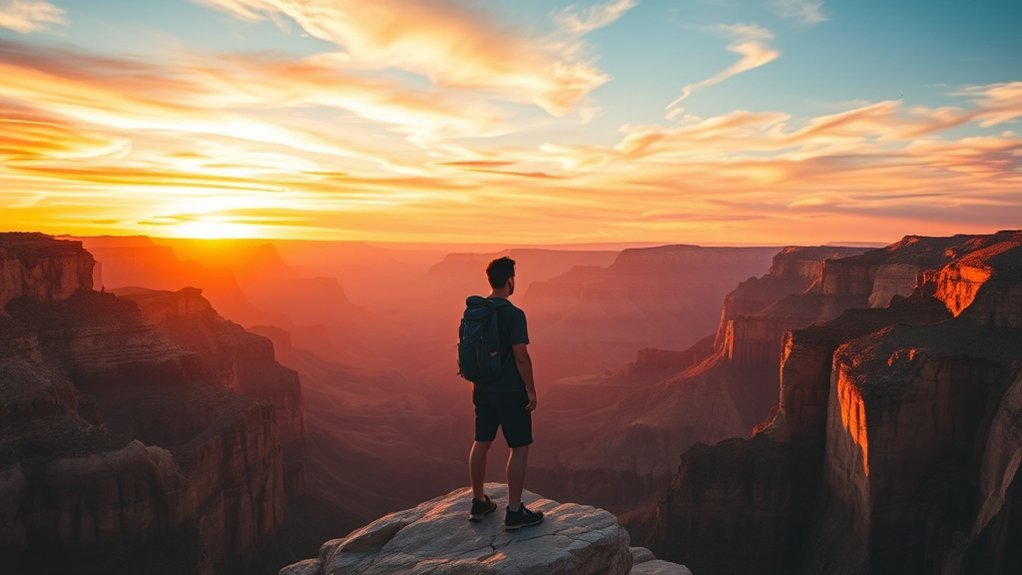
Winter’s lower sun angle and clear desert horizons make sunrise and sunset especially rewarding. Instead of searching for an unnamed “vista point,” choose an established park or overlook and check its posted closing time before staying through twilight.
Desert-Sky Morning Views
For sunrise, look for open desert terrain with an unobstructed eastern view. Papago Park, Phoenix mountain preserves, and sections of South Mountain can all provide wide desert skies. Start early enough to park, organize your gear, and reach your viewing point before the color develops.
Bring a light layer even when the afternoon forecast looks warm. Winter mornings can feel cold while you are standing still, especially when wind is present.
Golden Hour Vista Points
Papago Park’s sandstone formations and South Mountain’s higher viewpoints are natural choices for golden hour. The best location depends on how much hiking you want to do before sunset. If you prefer an easier outing, choose a short walk or drive-accessible recreation area rather than committing to a difficult summit late in the day.
If you bring a picnic, keep it simple: water, a compact blanket, and food you can pack out easily. Avoid glass, keep music low around other visitors, and leave no trash behind.
Twilight Cityscape Lookouts
Phoenix looks different once the desert fades into silhouette and the street grid begins to glow. A mountain overlook can give you a broad city panorama, while downtown rooftop venues provide an easier option when you want seating, food, and drinks instead of a hike.
| Spot Type | Best Time | What to Expect |
|---|---|---|
| Papago Park viewpoint | Sunset | Shorter walks and sandstone foregrounds |
| South Mountain viewpoint | Late afternoon to twilight | Broad valley and city views |
| Rio Salado area | Morning | Low-elevation walking and birding habitat |
| Downtown rooftop venue | Sunset to twilight | City skyline with food, drinks, and seating |
For any park or preserve, check current access and closing times rather than assuming you can remain after dark.
Hot Air Balloon Rides and Aerial Views
A hot air balloon ride gives you a completely different view of the Sonoran Desert, with neighborhoods, washes, mountain ridges, and cactus-covered terrain spreading beneath the basket. Sunrise departures are common because balloon pilots need suitable wind and weather conditions, and some operators offer seasonal sunset flights.
Ballooning is weather-dependent. Even on a clear-looking winter morning, wind or other conditions can delay or cancel a launch. When booking, compare the operator’s safety practices, meeting location, cancellation terms, age or mobility requirements, flight duration, and what happens when weather prevents a flight.
Dress in layers and wear secure closed-toe shoes suitable for standing in the basket and walking on uneven ground after landing. Keep cameras and phones secured rather than leaning equipment over the edge.
Outdoor Markets, Farm Stands, and Winter Produce
Phoenix’s cooler season is an enjoyable time to shop outdoors. Farmers markets bring together produce growers, prepared-food vendors, bakers, and local makers without the extreme heat that makes summer browsing more difficult.
Farm Stands & Growers
One established option is Uptown Farmers Market, which operates a year-round Saturday market and adjusts additional market days seasonally. Because hours and vendor lineups can change, check the official schedule before driving over.
Bring a reusable bag and arrive earlier if your priority is fresh produce. Talk directly with growers about what is currently in season, how items were grown, and how long they will keep at home.
Seasonal Produce Picks
Winter markets in central Arizona often shift toward citrus and cool-season vegetables. Rather than shopping from a fixed checklist, look at what growers actually harvested that week. Citrus, leafy greens, herbs, carrots, winter squash, and similar seasonal produce may appear depending on the farm and harvest timing.
- Shop earlier for the widest produce selection.
- Ask growers which items are at peak flavor that week.
- Ask how to store unfamiliar produce before buying a large amount.
- Bring cash as a backup even when many vendors accept cards.
Patio Dining, Warming Drinks, and Cozy Cafés
Phoenix patio season is at its best when afternoon temperatures are mild. Restaurants around downtown, central Phoenix, Arcadia, Biltmore, and other neighborhoods use shaded terraces, heaters, fire features, and indoor-outdoor spaces to make winter dining comfortable.
Lunch can be warm enough for short sleeves on some days, while dinner may require a jacket. If patio seating matters to you, specify it when making the reservation rather than assuming outdoor tables are available.
Cool evenings are also a good excuse to explore coffee shops and bars serving hot coffee, tea, seasonal drinks, or warming cocktails. Popular sunset dining periods can fill first, especially during weekends and major events.
Art Walks, Galleries, and Roosevelt Row Strolls
Downtown Phoenix provides an easy change of pace after a day on desert trails. Roosevelt Row and surrounding downtown blocks combine murals, galleries, studios, restaurants, performance spaces, and public art in an area that is comfortable to explore on foot in winter.
Downtown Art Walks
First Friday in Downtown Phoenix brings together art, vendors, food, music, and entertainment. Individual galleries, museums, restaurants, and performances may have their own hours or admission rules, so check the current event calendar rather than assuming every venue follows the same schedule.
- Start with the current event map or calendar.
- Wear comfortable walking shoes.
- Allow time for galleries rather than only photographing murals outside.
- Plan a café or dinner stop if you expect to stay into the evening.
Roosevelt Row Galleries
Roosevelt Row is worth visiting even when First Friday is not happening. Walk the district for murals and public art, then check which galleries, shops, cafés, or performance venues are open that day. Because exhibitions and businesses change, a current neighborhood calendar is more useful than a fixed list of storefronts.
Seasonal Festivals, Concerts, and Nighttime Events
Phoenix’s winter calendar includes holiday displays, outdoor concerts, food events, art programs, sports, night markets, and other seasonal gatherings. Programs at major attractions such as Desert Botanical Garden and Phoenix Zoo can also become major winter draws.
The important planning rule is to treat event dates as seasonal rather than permanent. A festival held in December one year may use different dates, ticketing rules, or hours the next year.
- Art nights: First Friday and related downtown programming.
- Holiday events: Light displays and seasonal programs at major attractions.
- Concerts and performances: Outdoor and indoor venues remain active through winter.
- Food events and markets: Cooler weather supports outdoor gatherings that would be less comfortable in summer.
Note: If an event is the main reason for your trip, confirm the current year’s date and buy required tickets before booking the rest of the day around it.
Family-Friendly Outdoor Activities and Parks
Phoenix parks make winter family outings relatively simple because you can combine playtime, a picnic, and a short walk without committing to a difficult hike. Look for playgrounds, ramadas, paved paths, open lawns, and nearby restrooms when traveling with younger children.
Papago Park works particularly well for families who want desert scenery without a major summit climb. The surrounding area also makes it possible to pair an outdoor walk with a ticketed attraction if children need more variety.
For stroller users or family members who are not comfortable on steep terrain, choose flatter park paths rather than assuming every desert trail is easy. Carry water for children even in cool weather, and keep them away from cactus spines and unstable rock.
Other Winter Activities: Gardens, Golf, and Birding
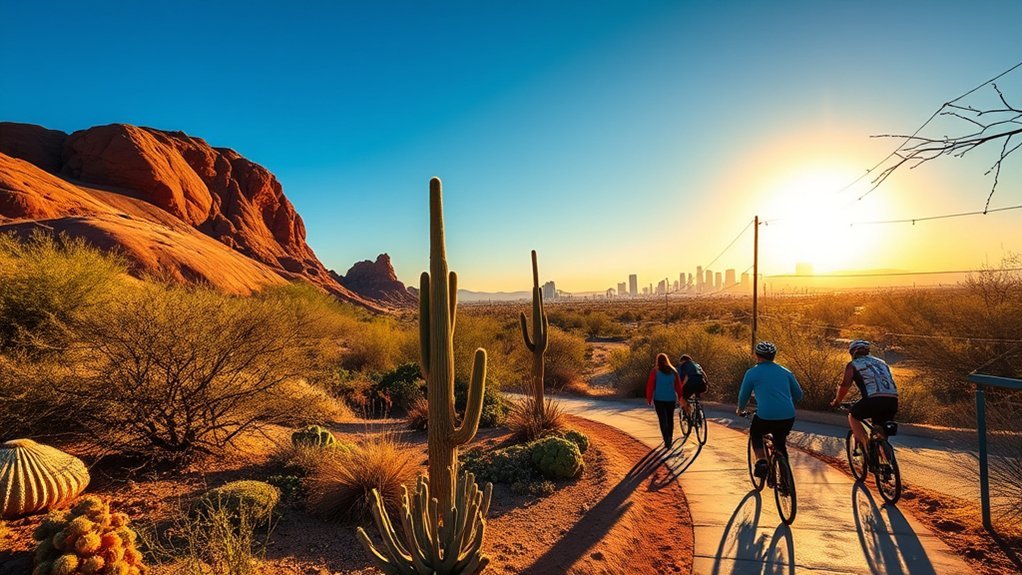
Hiking is only one way to enjoy winter in Phoenix. Desert gardens allow you to see native and adapted plants without a long backcountry walk, while golf is a major cool-season activity throughout Greater Phoenix. Winter is also comfortable for biking, neighborhood walking, photography, and wildlife watching.
Birders can explore desert and riparian habitats around the metro area, including sections of the Rio Salado corridor. Mornings are usually the most comfortable time for slow walks with binoculars.
If a cold front or rain changes your outdoor plan, keep an indoor backup such as a museum, gallery, performance, café, or shopping district. Phoenix winters are usually outdoor-friendly, but they are not guaranteed to be warm and cloudless every day.
Day Trips and Scenic Drives From Phoenix
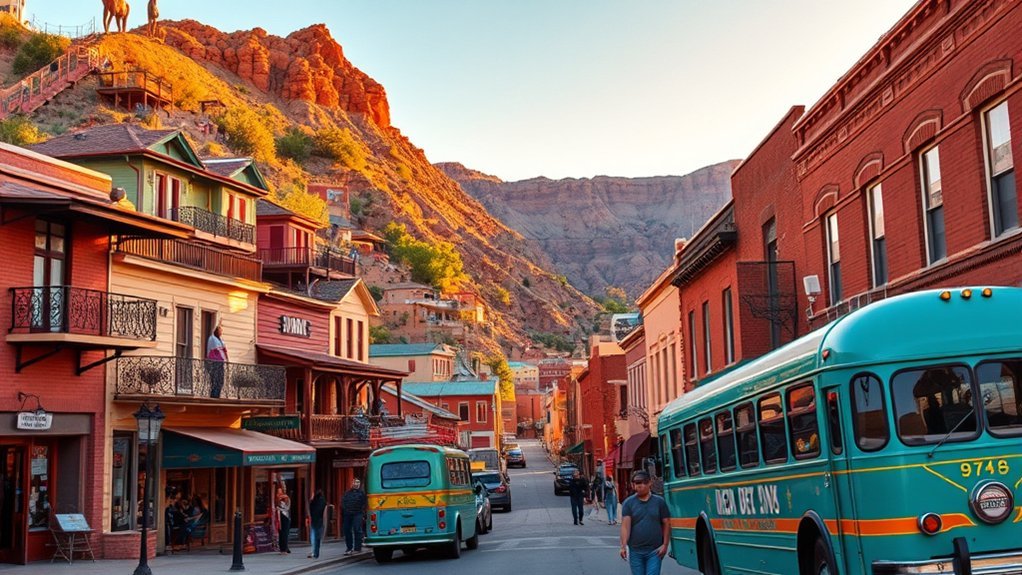
Phoenix is also a useful base for seeing landscapes that feel very different from the low desert. Red-rock country, historic mountain towns, pine forests, and higher-elevation destinations can all fit into a long day if you start early.
An easy Phoenix-based trip can move from saguaros and desert valleys to red rocks, historic towns, or pine forest in the same day, but winter elevation changes can also mean major weather changes.
- Sedona: Red-rock scenery, galleries, viewpoints, and hiking.
- Jerome and Prescott: Historic districts, cafés, mountain scenery, and cooler temperatures.
- Flagstaff: Pine forest, a much higher elevation, and genuine winter conditions when storms arrive.
- Saguaro National Park near Tucson: A longer full-day outing for visitors who want another major Sonoran Desert landscape.
Warning: Do not use Phoenix weather alone to judge a winter drive north. Flagstaff and other higher-elevation areas can have snow, ice, freezing temperatures, and difficult roads while Phoenix remains dry and mild.
Before a high-country trip, review the Arizona Department of Transportation winter-driving guidance and check current AZ511 road conditions. If a winter storm is affecting your route, changing the day-trip plan is often better than forcing the drive.
Tips for Dressing, Packing, and Planning Winter Outings
Winter packing for Phoenix works best when you plan for temperature swings rather than one type of weather. A cool sunrise, sunny afternoon, and chilly patio dinner may all happen on the same day.
- Use layers: Start with a light base layer, add a sweater or fleece, and carry a lightweight jacket.
- Protect against sun: Bring sunglasses, sunscreen, and a hat even when the air feels cool.
- Carry water: Desert air is dry, and hikers still lose fluid in winter.
- Wear suitable shoes: Choose hiking footwear for rocky trails and comfortable walking shoes for downtown outings.
- Pack for sunset: A jacket becomes much more useful once the sun drops.
- Check two forecasts for day trips: Review both Phoenix weather and the forecast for your destination.
- Leave schedule flexibility: Trailhead crowds, weather, and seasonal events can change the day’s timing.
Frequently Asked Questions
Are pets welcome on Phoenix trails and outdoor patios in winter?
It depends on the location. Phoenix generally requires dogs to be leashed outside designated dog parks, and individual trails can have stricter rules. Dogs are prohibited on all Camelback Mountain trails. Restaurant patios also set their own pet policies, so confirm before visiting.
What temperatures should I expect in Phoenix during winter?
Typical winter afternoons are often in the 60s or 70s Fahrenheit, while nighttime and early-morning temperatures commonly fall into the 40s. Individual days can be warmer or colder, so check the forecast and dress in layers.
Are there guided birdwatching or wildflower activities in winter?
Birding walks, nature programs, and private desert tours are available at different times of year, but schedules vary. Wildflower displays are never guaranteed and depend heavily on rainfall and seasonal conditions. Check current park, garden, and tour calendars before planning a trip around a bloom.
Can I swim in Phoenix during winter?
Some hotels maintain heated pools, while others limit winter pool use or keep water cooler. Check directly with your hotel and follow all posted safety rules. Never assume a lifeguard is present, and supervise children closely. Natural lakes and rivers can be very cold in winter even when the air temperature feels mild.
Do Phoenix winter activities require advance reservations?
Ticketed tours, balloon rides, popular attractions, special dinners, and major seasonal events may require or strongly benefit from advance booking. Ordinary public hiking trails, farmers markets, and street art walks generally work differently, although parking and capacity can still become an issue.
Is Camelback Mountain a good winter hike for beginners?
The main Camelback summit routes are not beginner hikes. The City of Phoenix rates Echo Canyon and Cholla as Extremely Difficult because of steep, rocky, exposed terrain. Beginners have easier alternatives elsewhere in Phoenix, including flatter walks at Papago Park.
Can it snow on a winter day trip from Phoenix?
Yes. Phoenix may be sunny while Flagstaff and other higher elevations have snow, ice, or freezing temperatures. Check destination weather and AZ511 road conditions before leaving, especially after a winter storm.
What should I pack for a winter day in Phoenix?
Pack layers, sunscreen, sunglasses, a sun hat, water, comfortable shoes, and a light jacket. Add proper hiking footwear and navigation for trails. If you are driving to northern Arizona, carry clothing suitable for much colder conditions than Phoenix.
Conclusion
Phoenix in winter is at its best when you take advantage of the comfortable afternoons without forgetting how quickly desert conditions can change. Start with a trail or sunrise outing, leave time for markets, art, gardens, cafés, or patios, and use cooler evenings for seasonal events and city views. If you drive north, treat the higher elevations as a different climate entirely. With layers, water, current trail information, and a flexible schedule, winter gives you one of the widest ranges of things to do in Phoenix.
Sources
- National Weather Service Phoenix 1991–2020 Climate Normals — historical temperature and climate context.
- City of Phoenix Hiking and Trails — official trail, preserve, map, and recreation information.
- City of Phoenix Camelback Mountain — trail difficulty, access, parking, and dog restrictions.
- Downtown Phoenix First Friday — official downtown art-walk and event information.
- Uptown Farmers Market — current market schedule and vendor information.
- Arizona Department of Transportation: Know Snow and Ice — winter-driving preparation and road-condition guidance.