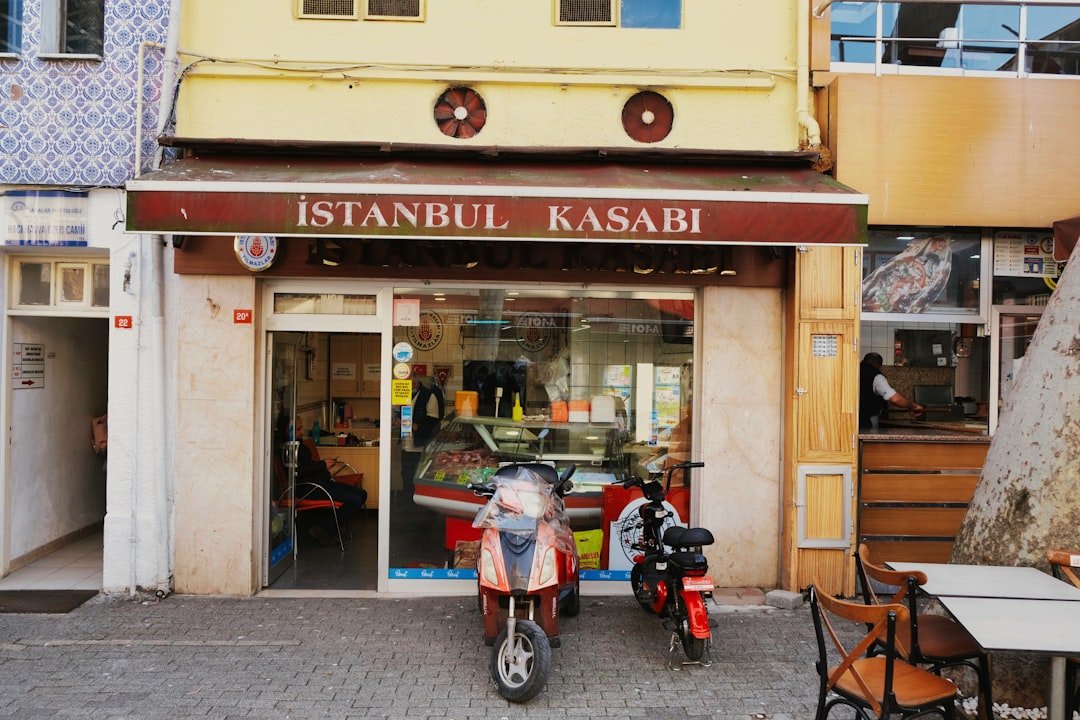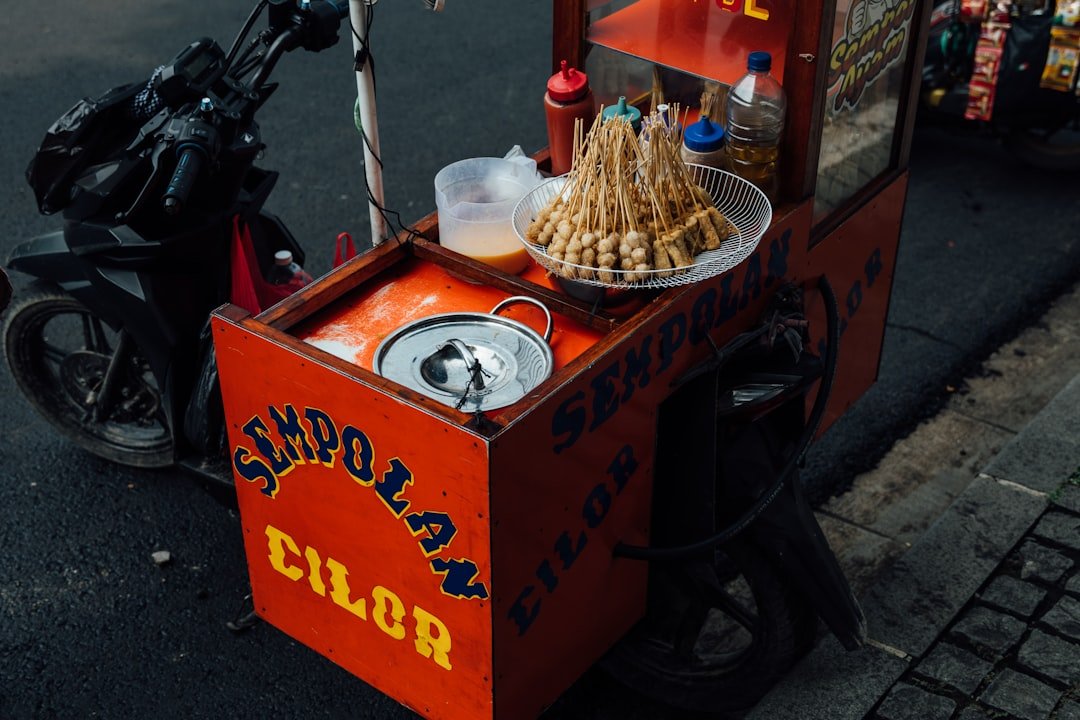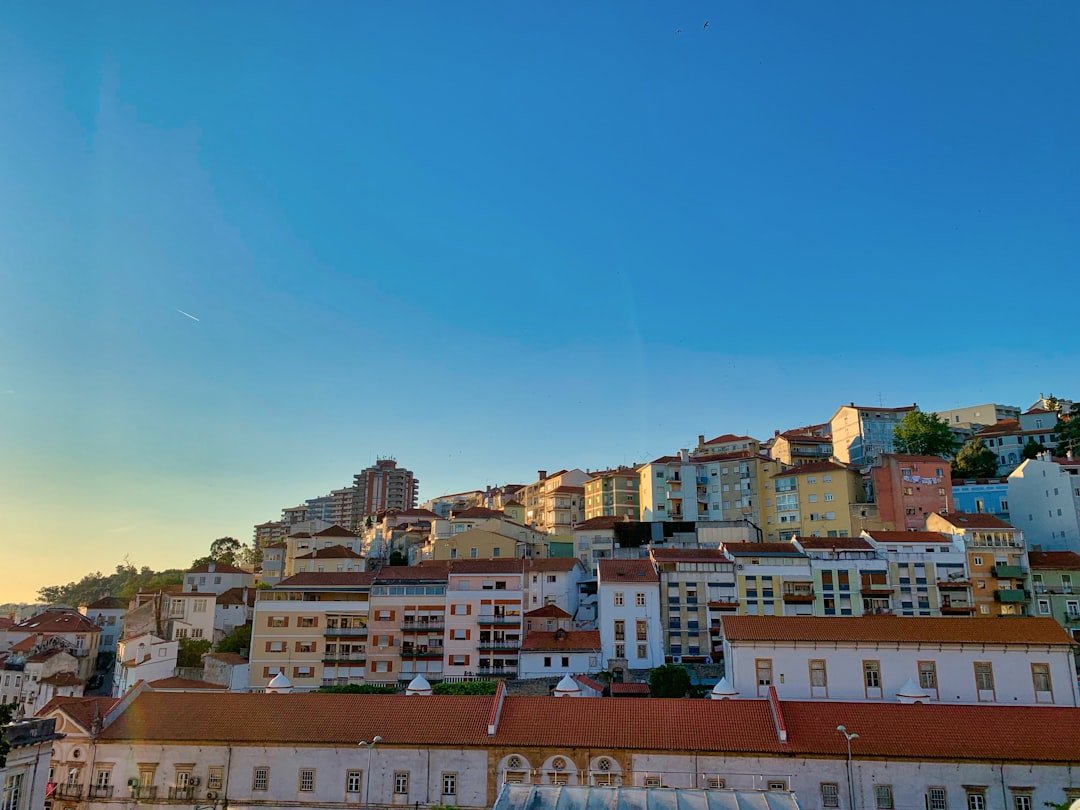
The Golden Horn, or Haliç, is one of Istanbul’s most historic waterfront areas, and it is also an easy place to sample some of the city’s best-known quick eats. Around Eminönü, Karaköy, Fener, Balat, and nearby waterfront streets, you can move from a sesame-crusted simit to a grilled fish sandwich, stuffed mussels, roasted chestnuts, tea, and other Turkish favorites without planning a formal restaurant meal. The food is only part of the experience: ferries, markets, bridges, neighborhood bakeries, and waterfront views give eating here a distinctly Istanbul setting.
Quick Answer
For Golden Horn street food, start around Eminönü and Karaköy with balık ekmek, simit, or other quick bites, then continue toward Fener and Balat for bakeries, snacks, tea, and casual food stops. Midye dolma, kokoreç, roasted chestnuts, corn, and Turkish sweets are also worth trying when you find a clean, busy specialist.
Key Takeaways
- Eminönü and Karaköy are the strongest Golden Horn waterfront stops for the classic balık ekmek experience.
- Simit, balık ekmek, midye dolma, kokoreç, roasted chestnuts, corn, and quick meat or rice dishes are among the Istanbul street foods worth looking for.
- Fener and Balat add neighborhood bakeries, cafés, tea stops, and traditional snacks to a Golden Horn food walk.
- Kadıköy has an excellent food scene, but it is on Istanbul’s Asian side and is not part of the Golden Horn.
- Vendor hours and prices vary, so check the posted price and ask before ordering instead of relying on area-wide schedules.
- For lower food-safety risk, favor food that is thoroughly cooked and served hot, watch how ingredients are stored, and clean your hands before eating.
Top Must-Try Street Foods Around the Golden Horn
Street food around the Golden Horn overlaps with the wider Istanbul food scene, but several foods fit the waterfront especially well. Official Istanbul tourism sources specifically associate balık ekmek with Eminönü and Karaköy, while other classics such as simit, stuffed mussels, roasted chestnuts, and kokoreç appear throughout the city.
Balık Ekmek
Balık ekmek literally means “fish bread” or fish sandwich. A typical version places grilled fish inside crusty bread with some combination of onion, lettuce, tomato, herbs, or lemon. Mackerel is common, but the exact fish and garnishes can change from one seller to another.
Eminönü is the classic place to try it. Eating beside the waterfront with ferries, the Galata Bridge, and the Golden Horn around you is as much a part of the experience as the sandwich itself. Karaköy, across the mouth of the Golden Horn, is another well-established place to look.
Simit
Simit is a ring-shaped bread with a sesame-coated crust. It is crisp on the outside, chewy inside, inexpensive, portable, and commonly eaten with Turkish tea. It works especially well as a morning snack when you are walking between ferry terminals, markets, bridges, and historic neighborhoods.
Rather than thinking of simit as a Turkish bagel, it is better to treat it as its own bread tradition. Its texture, coating, and preparation are different from a boiled bagel.
Midye Dolma
Midye dolma consists of mussels filled with seasoned rice and usually served with lemon. Vendors commonly sell them individually from trays, and people often eat several in succession. GoTürkiye lists stuffed mussels among Istanbul’s popular street foods.
Because shellfish requires careful handling and temperature control, choose this snack more cautiously than bread or freshly grilled food. If storage conditions are unclear, it is reasonable to skip it.
Kokoreç
Kokoreç is one of Istanbul’s more distinctive street foods. It is made from seasoned offal, traditionally cooked on a rotating spit, chopped, and commonly served in bread. The flavor is rich, smoky, and heavily seasoned. It is especially associated with casual and late-night eating across Istanbul.
If you are uncertain about offal, order a small portion first. A specialist shop where the meat is cooked thoroughly and served hot is preferable to food that has been sitting at room temperature.
Roasted Chestnuts and Corn
Roasted chestnut carts become especially appealing when Istanbul’s weather cools. The smell of chestnuts roasting over a portable brazier is a familiar city experience. Corn, sold boiled or grilled, is another simple snack you may encounter while walking busy public areas.
These foods are useful when you want a small snack rather than a full meal, and they are generally easier to eat while walking than a loaded sandwich or plate.
Döner, Kebabs, and Quick Rice Dishes
Not every quick meal near the Golden Horn comes from a mobile cart. Small takeaway counters and casual shops also sell döner, grilled meat, köfte, chicken with rice, and other filling foods. These can be useful when you want a more substantial meal without sitting down for a long restaurant service.
Künefe, Baklava, and Other Sweets
Künefe is made with fine shredded pastry, cheese, syrup, and often pistachio. It is best eaten hot and is more commonly a dessert-shop or restaurant experience than a food-cart snack. Baklava, Turkish delight, halva, and pastries are easier to find around markets and sweet shops.
If you have a sweet tooth, treating dessert as a separate stop after a waterfront snack often gives you more variety than trying to find everything from one vendor.
The History and Cultural Significance of Street Food in the Golden Horn
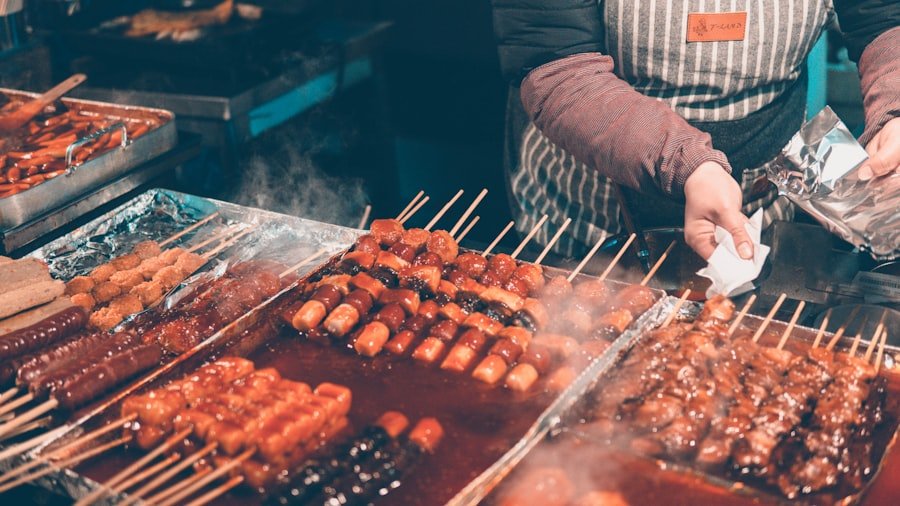
The Golden Horn’s food culture makes more sense when you understand the waterway itself. According to GoTürkiye’s overview of the Golden Horn, the inlet once served as an important harbor where trading fleets of the Eastern Roman and Ottoman empires anchored.
That commercial history does not mean every modern street-food tradition can be traced directly to one ancient vendor custom. A safer conclusion is that the Golden Horn has long been a place of movement, trade, work, neighborhoods, and waterfront activity. Quick, affordable foods naturally fit that environment today.
The wider area also reflects Istanbul’s cultural diversity. Fener and Balat preserve religious buildings, residential streets, shops, bakeries, and community spaces connected with Muslim, Greek Orthodox, Jewish, Armenian, and other parts of the city’s history. Food is one way visitors encounter that layered urban culture, but it should not be reduced to a single “East meets West” slogan.
Street eating is also social. You may see commuters eating simit on the move, friends sharing mussels, workers stopping for a sandwich, or visitors drinking tea near the water. The experience is informal and accessible, which helps explain why these foods remain part of everyday Istanbul life as well as tourism.
Where to Find Street Food Around the Golden Horn
| Location | What to Look For | Golden Horn Relevance |
|---|---|---|
| Eminönü | Balık ekmek, simit, quick snacks, sweets, tea, market-area food | Core Golden Horn waterfront stop |
| Karaköy | Fish sandwiches, bakeries, casual eateries, midye dolma and wider Istanbul snacks | At the mouth of the Golden Horn |
| Fener and Balat | Bakeries, pastries, tea, cafés, neighborhood snacks and casual meals | Historic neighborhoods along the Golden Horn |
| Eyüp area | Tea, pastries, quick Turkish food and casual neighborhood dining | Upper Golden Horn area |
| Kadıköy | Wide range of Istanbul street foods and market food | Asian-side detour; not part of the Golden Horn |
Eminönü is the easiest starting point for first-time visitors. You can try a fish sandwich near the waterfront, walk around the market streets, pick up simit or sweets, and then cross toward Karaköy or continue along the Golden Horn.
Karaköy mixes traditional quick foods with cafés, bakeries, restaurants, and newer food businesses. It works well if you want both street-style eating and more comfortable indoor options in the same area.
Fener and Balat offer a different experience. They are better for a slower neighborhood walk, with bakeries, pastries, tea, cafés, and casual food stops mixed among historic streets. Official tourism information places Fener and Balat along the Golden Horn.
Pro Tip: Instead of trying to cross Istanbul for every famous street food in one day, build your first food walk around Eminönü, Karaköy, and the Golden Horn neighborhoods. Save Kadıköy, Ortaköy, Beşiktaş, and Taksim for separate Istanbul food outings.
Note: Street stalls, carts, bakeries, and small takeaway shops do not share one neighborhood-wide schedule. Opening times can change by business, weekday, season, weather, and demand, so check the individual seller rather than relying on a fixed “Eminönü hours” or “Karaköy hours” timetable.
The Ingredients and Flavors of Golden Horn Street Food
The food around the Golden Horn draws on ingredients familiar throughout Istanbul and Turkish cooking rather than one exclusive “Golden Horn cuisine.” Bread, sesame, fish, meat, rice, onions, parsley, lemon, yogurt, pickles, chili, sumac, and other spices appear in different combinations depending on the dish.
Seafood feels especially at home near the waterfront. Balık ekmek is the clearest example: grilled fish and bread make a practical meal that suits ferry terminals, bridges, and busy pedestrian areas. The exact fish, vegetables, and seasoning depend on the seller, so do not expect every sandwich to taste identical.
Meat-based foods can include döner, köfte, kebabs, and kokoreç. These are often paired with bread, wraps, rice, yogurt, vegetables, or spicy seasoning. Some are better described as takeaway food than literal cart food, but they belong to the same quick-eating culture visitors encounter while exploring Istanbul.
Acidic and aromatic flavors also matter. Lemon is commonly served with fish and stuffed mussels, while sumac can add tartness to onions and salads. Yogurt-based accompaniments provide a cooler contrast to grilled or spicy foods.
Vegetarian and Lighter Options
You do not need to eat fish or meat to enjoy a Golden Horn food walk. Simit is one of the easiest vegetarian choices, although anyone avoiding all animal products should ask about accompanying spreads, cheese, or other additions.
Other possibilities can include roasted chestnuts, grilled or boiled corn, cheese or potato börek, meat-free gözleme, lentil-based dishes, stuffed vegetables, bread, olives, pastries, and sweets. Ingredients vary, so ask before ordering if you have allergies, follow a strict vegan diet, or avoid particular foods for religious or medical reasons.
For a lighter route, combine simit with tea in the morning, a small vegetable or pastry snack later, and a dessert or coffee stop rather than trying several heavy meat dishes in one outing.
How to Eat Street Food Like a Local Around the Golden Horn
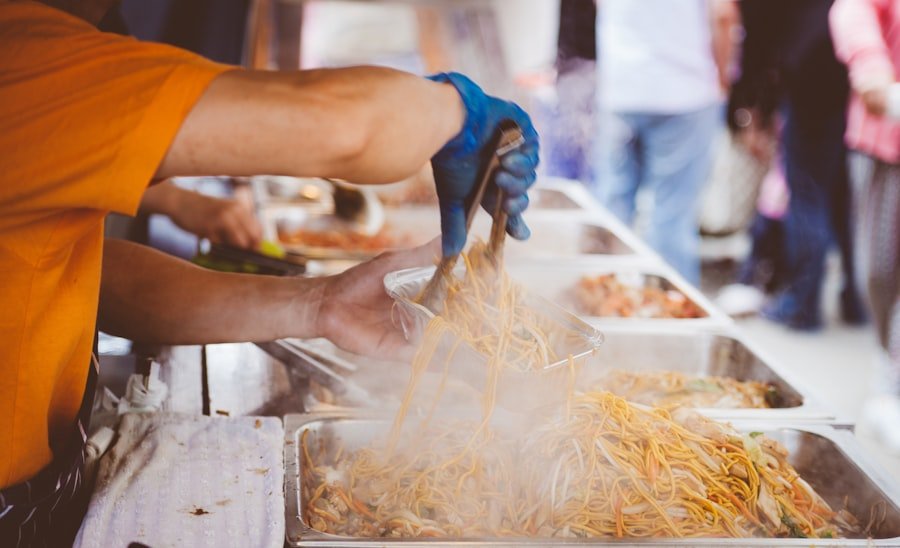
The easiest approach is to stay flexible. Walk through one neighborhood at a time, look at what is being prepared, and order smaller portions when possible so you can try more than one food.
For simit, chestnuts, corn, sandwiches, and stuffed mussels, eating while standing or walking is normal. Other foods are easier at a counter, bench, small table, or café. There is no need to force every meal into a “street” format simply to make the experience feel authentic.
When you are unsure what to order, ask the seller what is popular or what has just been cooked. A simple question can also help you learn whether a dish is spicy, contains meat, includes dairy, or is served with a particular garnish.
Carry some Turkish lira for small purchases. Card and mobile-payment acceptance varies by seller, and smaller carts may be easier to pay in cash. Check the displayed price when one is available, or ask the price before ordering. This is more reliable than using old online price lists because food costs can change quickly.
It is also useful to learn a few food words: “balık” means fish, “ekmek” means bread, “simit” is the sesame ring bread, “midye” means mussel, and “çay” means tea. You do not need to speak Turkish to order, but recognizing common food names makes browsing easier.
Street Food Etiquette and Safety Tips
Golden Horn street food is informal, but a few habits make the experience smoother. Wait your turn, avoid blocking a busy counter after receiving your order, dispose of napkins and food containers properly, and return reusable dishes or glasses when the seller expects them back.
A busy stall can suggest fast turnover, but a queue by itself does not prove good hygiene. Pay attention to how food is stored and handled. Raw ingredients should not be mixed carelessly with cooked food, and hot foods should arrive properly hot rather than lukewarm.
Warning: Street food can carry a foodborne-illness risk. The CDC recommends favoring fully cooked food served hot and being cautious with raw or undercooked meat, fish, shellfish, eggs, and foods held at unsafe temperatures. People who are pregnant, older, immunocompromised, or otherwise at higher risk from foodborne illness should be especially careful with shellfish and foods of uncertain storage history.
Wash your hands with soap and water before eating when possible. When that is not practical, alcohol-based hand sanitizer is useful if your hands are not visibly dirty or greasy.
For midye dolma and other shellfish, look for professional handling and appropriate storage rather than relying only on popularity. If anything smells unusual, looks poorly stored, has been sitting exposed for a long time, or makes you uncomfortable, choose another food.
The World Health Organization also emphasizes food-safety responsibilities in street-food vending, including hygienic preparation and safe handling.
Best Time to Explore Golden Horn Street Food
There is no single best hour for every food. Your timing should depend on what you want to eat and how crowded you want the area to be.
- Morning: A good time for simit, bakery foods, pastries, and tea.
- Late morning to afternoon: Convenient for Eminönü market streets, waterfront snacks, and balık ekmek.
- Early evening: Useful if you want the waterfront atmosphere with more substantial quick meals.
- Later evening: Some Istanbul foods such as kokoreç and midye dolma are strongly associated with evening or late-night eating, although the best-known late-night districts are not all on the Golden Horn.
- Cooler months: Roasted chestnuts become especially appealing and are widely associated with colder Istanbul weather.
Weather also matters. Waterfront eating is much more comfortable when it is dry and not excessively windy. On a rainy or cold day, bakeries, covered markets, small lokantas, and indoor takeaway counters can provide the same flavors with more shelter.
The Future of Street Food in Golden Horn: Trends and Innovations
Istanbul’s food scene continues to mix long-established recipes with changing tastes, tourism, social media, and new restaurant concepts. It is reasonable to expect Golden Horn food businesses to keep adapting, but broad claims that all vendors are moving toward fusion cooking, biodegradable packaging, or locally sourced ingredients are difficult to verify.
The stronger trend is continuity with variation. Simit, grilled fish, stuffed mussels, tea, pastries, and quick meat dishes remain recognizable, while individual sellers can change presentation, seasoning, packaging, or service style.
Digital discovery also affects how visitors find food. A vendor, bakery, or casual restaurant may gain attention through map listings and social media, but online popularity should not replace basic judgment about cleanliness, food handling, price, and whether the place actually suits what you want to eat.
The Golden Horn itself remains the strongest reason to explore the area. The combination of historic neighborhoods, ferries, markets, waterfront walks, and everyday food gives the experience its character. Start with balık ekmek or simit, add one or two smaller snacks, and leave room for tea or something sweet rather than trying to eat every famous Istanbul dish at once.
If you’re a fan of street food in Golden Horn, you may also enjoy reading about the delightful world of Asian melon and how different varieties are used in Asian cuisines.
Frequently Asked Questions
What is street food in the Golden Horn?
Golden Horn street food includes quick foods and snacks sold from carts, counters, bakeries, markets, and casual takeaway shops around waterfront neighborhoods such as Eminönü, Karaköy, Fener, Balat, and nearby areas. Common choices include balık ekmek, simit, midye dolma, roasted chestnuts, corn, pastries, and quick meat or rice dishes.
What are the most popular street foods to try?
Start with simit and balık ekmek. You can then look for midye dolma, kokoreç, roasted chestnuts, corn, döner, köfte, börek, and Turkish sweets. Not every food is available from every vendor or in every Golden Horn neighborhood.
Where is the best place for balık ekmek near the Golden Horn?
Eminönü is the classic starting point, particularly around the waterfront and Galata Bridge area. Karaköy is another well-known option on the opposite side of the Golden Horn’s mouth.
Is Kadıköy part of the Golden Horn?
No. Kadıköy is on Istanbul’s Asian, or Anatolian, side. It has an excellent food scene and is worth visiting separately, but it should not be described as a Golden Horn neighborhood.
Is street food around the Golden Horn safe to eat?
No street-food vendor can be assumed risk-free. To reduce risk, choose food that is thoroughly cooked and served hot, pay attention to cleanliness and storage, clean your hands before eating, and be especially cautious with shellfish or food that has been sitting at room temperature.
What is the best time to enjoy Golden Horn street food?
Morning is good for simit, pastries, and tea, while late morning through early evening works well for Eminönü and waterfront foods such as balık ekmek. Individual vendor hours vary, and some foods are more common later in the day.
Are there vegetarian street-food options around the Golden Horn?
Yes. Depending on the seller, options can include simit, roasted chestnuts, corn, cheese or potato börek, meat-free gözleme, pastries, vegetable dishes, sweets, and tea. Ask about ingredients if you are vegan or have dietary restrictions.
Should I carry cash for Istanbul street food?
Carrying some Turkish lira is useful because payment options vary among carts, small counters, bakeries, and restaurants. Check or ask the price before ordering, especially when no menu or price board is visible.
Are there special etiquette rules for eating street food?
The atmosphere is generally casual. Wait your turn, avoid blocking a busy counter, dispose of trash properly, return reusable dishes or tea glasses when appropriate, and be respectful when taking photographs of vendors or their work areas.
Sources
- GoTürkiye — Istanbul’s Historical Golden Horn — Golden Horn geography, history, and historic neighborhoods.
- Visit Istanbul — Street Delicacies — balık ekmek and its association with Eminönü and Karaköy.
- GoTürkiye — Istanbul Street Food — major Istanbul street foods and seasonal snacks.
- CDC Yellow Book — Food and Water Precautions for Travelers — safer food choices, hot cooked food, seafood, and travel food-safety precautions.
- World Health Organization — Food Safety in Street Food Vending — street-food hygiene and safe food-handling principles.