The Gornergrat Bahn is one of the easiest ways to get close-up Matterhorn views without a strenuous mountain climb. The electric cogwheel railway rises from Zermatt at 1,604 metres to Gornergrat station at 3,089 metres, passing forests, alpine meadows, rocky terrain and increasingly wide views of the surrounding peaks. The railway first opened on August 20, 1898 and remains one of Zermatt’s signature mountain excursions.
Quick Answer
For the best Gornergrat Bahn views, sit on the right-hand side when traveling uphill from Zermatt. The high-alpine stretch around Riffelberg, Rotenboden and Gornergrat is especially scenic. Get off at Rotenboden for Riffelsee, then continue to Gornergrat for the broadest panorama of the Matterhorn, Gorner Glacier and surrounding peaks.
Key Takeaways
- Sit on the right side during the ascent for the strongest continuous Matterhorn views.
- The normal Zermatt-to-Gornergrat journey takes about 33 minutes one way.
- Intermediate stops are Findelbach, Riffelalp, Riffelberg and Rotenboden.
- Rotenboden is the stop for Riffelsee, one of the best Matterhorn reflection photo locations when the water is calm.
- Gornergrat station is at 3,089 metres, while the higher viewing area provides an even broader mountain panorama.
- Matterhorn Glacier Paradise is not at Gornergrat. It is a separate cable-car destination on Klein Matterhorn at 3,883 metres.
Gornergrat Bahn at a Glance
At a Glance
| Route | Zermatt to Gornergrat |
| One-way ride | Approximately 33 minutes |
| Gornergrat station elevation | 3,089 metres (10,135 feet) |
| Intermediate stops | Findelbach, Riffelalp, Riffelberg and Rotenboden |
| Best seat going up | Right-hand side for the Matterhorn |
| Best photo stop | Rotenboden for Riffelsee, then Gornergrat for the panoramic viewpoint |
Official schedules and fares change with the season. Check the Gornergrat Bahn timetable and current ticket prices before traveling.
Note: Service is offered across the seasons, but temporary maintenance closures can occur. For example, the published 2026 timetable lists no train service from November 2 through November 14, 2026 because of construction work.
Where Are the Best Gornergrat Bahn Views?
Best Seat: Right Side Going Up
If the Matterhorn is your priority, choose a seat on the right-hand side when traveling uphill from Zermatt. Gornergrat Bahn itself recommends this side because it provides the best sustained view of the Matterhorn during the ascent.
A specific individual seat cannot normally be reserved. Travelers who place a high value on seat choice can check the railway’s Priority Boarding option, which lets passengers enter the train before general boarding and choose from the available seats.
Pro Tip: For the ascent, prioritize the right side. On the return journey, sitting on the opposite side can give you another angle on scenery you may have missed going up.
Best High-Alpine Section: Riffelberg to Gornergrat
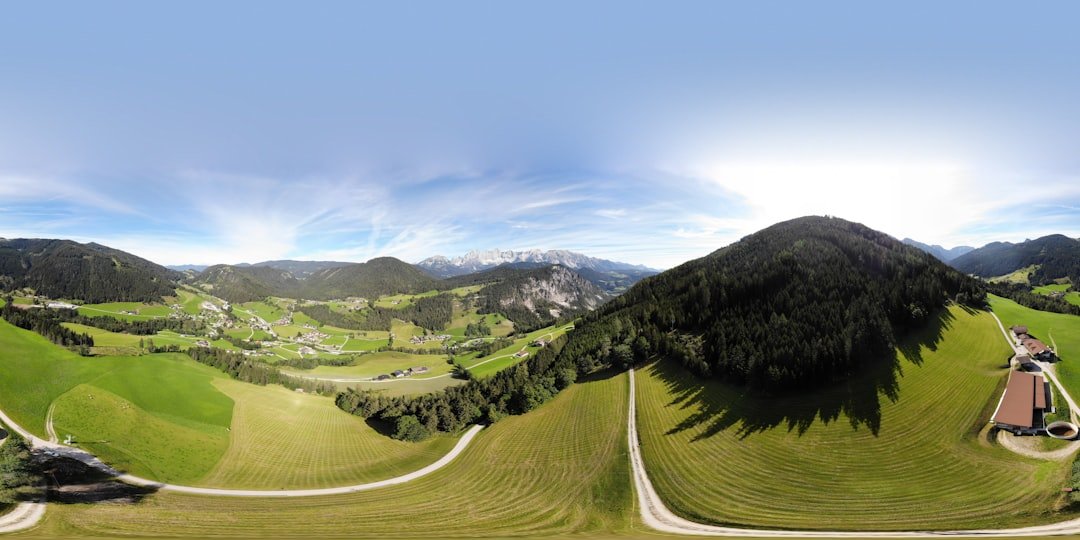
The scenery becomes increasingly open as the train climbs above the forested lower slopes. Around Riffelberg and Rotenboden, alpine meadows give way to rockier terrain and broad mountain views. The upper section toward Gornergrat is especially rewarding because the Matterhorn is joined by views toward glaciers and numerous high peaks.
Best Photo Stop: Rotenboden and Riffelsee
Rotenboden is the key stop for photographers and visitors who want to leave the train for a short mountain walk. From the station, follow the signed trail toward Riffelsee. The lake is famous for reflecting the Matterhorn when the surface is calm.
Early morning and late afternoon often provide softer light, and low wind increases your chances of seeing a clean reflection. Conditions still depend on weather, season and trail conditions, so check locally before setting out.
Best Wide Panorama: Gornergrat
Continue to the railway terminus even if you stop at Riffelsee. Gornergrat station stands at 3,089 metres, and the viewing area above the station opens the landscape dramatically. From here you can see the Matterhorn, Gorner Glacier and a broad sweep of the high Valais Alps.
The strongest Gornergrat experience combines the journey itself with at least one stop: Rotenboden for a closer landscape experience and Gornergrat for the widest panorama.
The Matterhorn: A Majestic Peak
The Matterhorn dominates much of the visual experience around Zermatt. Its distinctive pyramidal form rises to 4,478 metres (14,692 feet) on the Swiss-Italian border. The mountain’s shape and isolated position make it immediately recognizable from many viewpoints around the valley.
The first successful ascent took place on July 14, 1865, when Edward Whymper’s seven-man team reached the summit. Four members of the party died during the descent, turning the first ascent into one of the defining events in Alpine mountaineering history. Zermatt Tourism provides a detailed account in its Matterhorn history and visitor information.
You do not need to climb the Matterhorn to appreciate it. The Gornergrat Bahn is one of the most accessible ways to watch the mountain change appearance as elevation, foreground and viewing angle change throughout the journey.
Matterhorn Glacier Paradise: A Separate Excursion
Matterhorn Glacier Paradise is another major Zermatt mountain attraction, but it is important not to confuse it with Gornergrat. It is located on Klein Matterhorn at 3,883 metres and is reached using the Zermatt Bergbahnen cable-car network, not by riding the Gornergrat Bahn to its terminus.
According to Zermatt Bergbahnen, Matterhorn Glacier Paradise is home to Europe’s highest mountain station. Attractions include the Glacier Palace, a high viewing platform, a cinema lounge and a mountain restaurant. The Glacier Palace takes visitors into the ice itself, with tunnels, natural formations and ice sculptures.
On clear days, the viewing platform provides an extensive panorama across peaks and glaciers in Switzerland, Italy and France. Summer skiing can also operate in the high glacier area when conditions and operations permit.
Note: Gornergrat and Matterhorn Glacier Paradise are separate destinations. Travelers who want to experience both should investigate the official Peak2Peak or other combination-ticket options and check operating connections for the date of travel.
The Gornergrat Observatory: From Research to Education
| Location | Kulmhotel Gornergrat above Zermatt, Switzerland |
| Railway station elevation | 3,089 metres (10,135 feet) |
| Historic research period | Late 1960s to 2010 |
| Current role | Astronomy education, outreach and public engagement through Stellarium Gornergrat |
| Visitor experiences | Selected astronomy programs and special events rather than unrestricted observatory access |
| Access | Gornergrat Bahn followed by the short ascent toward the Kulmhotel/viewing area |
The observatory domes on the Gornergrat have a genuine scientific history. International astronomical research was conducted here from the late 1960s until 2010. The site’s elevation, dry air and relatively low light pollution made it valuable for observing the sky.
That role has changed. The University of Bern’s Center for Space and Habitability explains that professional research moved to locations offering more suitable observing conditions. The south dome is now home to Stellarium Gornergrat, an educational observatory designed to make astronomy accessible to schools and the public.
Visitors should therefore not assume that the observatory functions like a normal walk-in tourist attraction. Telescope access is linked to specific programs and events. The Kulmhotel, for example, periodically offers astronomy experiences that combine an evening program with an observatory visit.
Gornergrat’s astronomy story is now as much about education and public engagement as it is about the professional research carried out there in the past.
Alpine Flora and Fauna: A Natural Paradise
The changing vegetation is one of the quieter highlights of the railway journey. The route begins around Zermatt, passes through Swiss stone pine forest near Riffelalp, crosses alpine pasture around Riffelberg and eventually reaches the sparse, rocky high-alpine environment of Gornergrat.
Summer brings alpine flowers to suitable meadows and slopes. The wider Zermatt region is known for plants including edelweiss and alpenrose. Wildlife in the Swiss Alps includes species such as chamois, ibex and marmots, while alpine birds can be seen overhead or around rocky slopes. Sightings are never guaranteed, so wildlife should be observed from a respectful distance without feeding or approaching it.
Riffelberg is also associated with the distinctive Valais Blacknose sheep during parts of the summer. Seasonal animal and nature experiences change from year to year, so check current Gornergrat information before planning a visit around a specific activity.
The Gornergrat Railway: A Marvel of Engineering
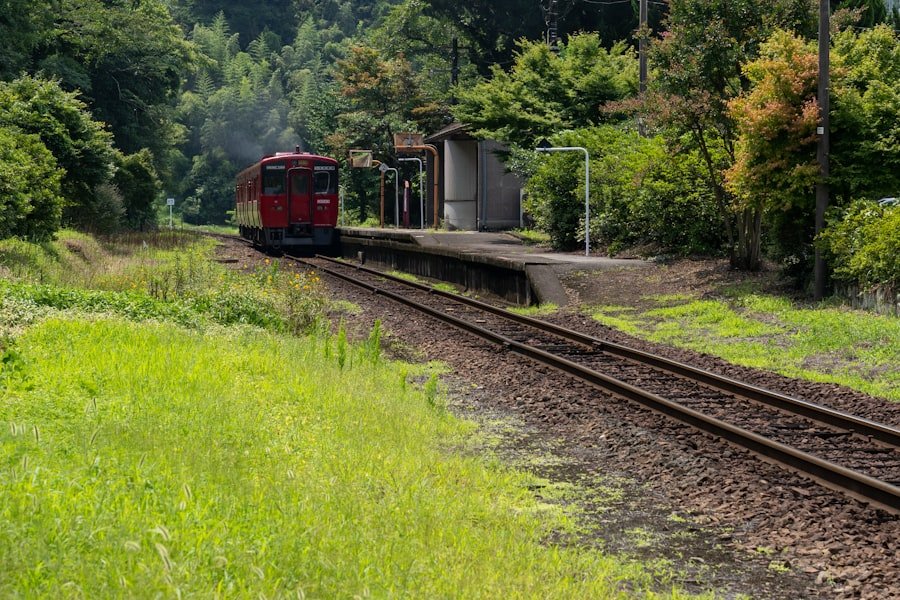
The railway’s scenery is impressive, but its engineering history is equally notable. Construction began in 1896 and the line opened on August 20, 1898. More than 1,000 workers were involved during the construction period, much of which had to be completed within short high-altitude building seasons.
The line uses the rack-and-pinion system developed by Swiss engineer Carl Roman Abt. According to the railway’s construction history, engineers had to deal with gradients of up to 20 percent. The original project also required tunnels and substantial bridge work, including the bridge across the Findelbach Gorge.
The current route is about 9.3 kilometres long and climbs roughly 1,485 vertical metres between Zermatt and Gornergrat. Modern trains make the climb much more comfortably than early generations of rolling stock, while large windows keep the mountain scenery central to the experience.
Activities and Excursions: Making the Most of Your Visit
Gornergrat can be a short sightseeing trip or the starting point for several hours outdoors. In summer, hiking routes connect the railway stations and give visitors opportunities to combine train travel with walking. One of the most popular choices is to visit Riffelsee from Rotenboden, where calm water can create the classic Matterhorn reflection.
Longer routes connect areas such as Rotenboden, Riffelberg and Riffelalp. Trail difficulty varies, and high-alpine weather can change quickly. Check current trail status and choose a route that matches your footwear, fitness and experience.
Winter changes the character of the mountain. Skiing is a major activity, while marked winter walks, snowshoe routes and seasonal sledging can also be available. Mountain restaurants around the route provide places to stop for food while enjoying the scenery.
Check the Weather Before Choosing Your Train
Cloud can completely hide the Matterhorn even when conditions in Zermatt appear reasonable. Mountain weather can also change within minutes. Before leaving, check the official Gornergrat webcams as well as the forecast.
If your schedule is flexible and seeing the Matterhorn is your main goal, a clear-weather window is generally more important than choosing a particular hour.
Altitude and Safety
Warning: Gornergrat station is above 3,000 metres. Some visitors can experience headache, dizziness, nausea, unusual fatigue or other symptoms after a rapid ascent. Take symptoms seriously, avoid unnecessary exertion if you feel unwell, and descend if symptoms worsen. Travelers with relevant medical conditions should seek individualized medical advice before high-altitude travel.
The CDC Yellow Book guidance on high-altitude travel explains the symptoms and risks of altitude illness in more detail.
Accessibility
The Gornergrat can be reached by wheelchair. The railway states that its trains include low-floor cars for wheelchair users and companions. Accessibility differs among intermediate stations, however. For example, Gornergrat and Riffelberg have stronger step-free facilities than some smaller stops, so travelers who need barrier-free access should check the official accessibility information before deciding where to get off.
The Unforgettable Beauty of Gornergrat Bahn
The Gornergrat Bahn is more than transportation to a viewpoint. During a journey of roughly 33 minutes, the landscape changes from the village and forest zone around Zermatt to alpine pasture and finally a high-mountain world of rock, glaciers and 4,000-metre peaks.
The Matterhorn remains the central visual attraction, but the experience becomes much stronger when you combine several perspectives. Watch the mountain from the right-hand side of the train during the ascent, get off at Rotenboden if conditions are suitable for a Riffelsee visit, and finish at Gornergrat for the broad mountain and glacier panorama.
Visitors interested in astronomy can also appreciate the history of the observatory, while hikers, winter-sports visitors and nature enthusiasts have additional reasons to stop at the intermediate stations. Matterhorn Glacier Paradise can complement the experience, but it should be planned as a separate cable-car destination rather than treated as an attraction located on Gornergrat itself.
The original article also pointed readers to a separate nature-themed article, Exploring the Delightful World of Asian Melon. It is unrelated to Gornergrat trip planning, so consider it optional reading rather than part of your railway itinerary.
Frequently Asked Questions
What is the Gornergrat Bahn?
The Gornergrat Bahn is an electric cogwheel mountain railway that runs from Zermatt to Gornergrat in Switzerland. It opened in 1898 and climbs from 1,604 metres in Zermatt to Gornergrat station at 3,089 metres.
Which side of the Gornergrat Bahn has the best Matterhorn views?
Sit on the right-hand side when traveling uphill from Zermatt. Gornergrat Bahn specifically recommends that side for the strongest Matterhorn views during the ascent.
What is the best section of the Gornergrat Bahn for views?
The scenery becomes especially open and dramatic on the upper part of the route around Riffelberg, Rotenboden and Gornergrat. For the broadest panorama, continue all the way to the Gornergrat viewing area.
What can passengers expect to see on the Gornergrat Bahn?
Passengers can see the Matterhorn, alpine forest and meadows, rocky high-mountain terrain and, from the upper route and Gornergrat, surrounding peaks and glaciers including the Gorner Glacier.
How long does the Gornergrat Bahn ride take?
The normal journey from Zermatt to Gornergrat takes approximately 33 minutes one way. Allow considerably more time if you plan to leave the train at intermediate stops.
What stops are on the Gornergrat Bahn route?
Between Zermatt and Gornergrat, the four intermediate stops are Findelbach, Riffelalp, Riffelberg and Rotenboden. Each gives access to different scenery, restaurants, hiking areas or seasonal activities.
Which stop should I use for Riffelsee?
Get off at Rotenboden. Riffelsee is reached by a short mountain walk from the station. Calm, windless conditions give you the best chance of photographing the Matterhorn reflected in the lake.
Can I reserve a specific seat on the Gornergrat Bahn?
A specific individual seat cannot normally be reserved. Priority Boarding is available for the Zermatt-to-Gornergrat ascent and gives participating passengers earlier access to the train so they can choose from available seats.
Is Matterhorn Glacier Paradise at Gornergrat?
No. Gornergrat and Matterhorn Glacier Paradise are separate mountain destinations. Matterhorn Glacier Paradise is on Klein Matterhorn at 3,883 metres and is reached by cable car. Gornergrat station is at 3,089 metres and is reached by the Gornergrat cogwheel railway.
Sources
- Gornergrat Bahn – About the Railway – opening date, elevations, route and landscape zones.
- Gornergrat Bahn – Official Timetable – current seasonal schedules and service interruptions.
- Gornergrat Bahn – Riffelsee – access, photography conditions and Matterhorn reflections.
- Zermatt Bergbahnen – Matterhorn Glacier Paradise – Klein Matterhorn elevation, viewing platform and Glacier Palace.
- University of Bern – Stellarium Gornergrat – observatory research history and current educational role.
- CDC Yellow Book – High-Altitude Travel and Altitude Illness – altitude illness symptoms and safety guidance.