The Pilatus Cogwheel Railway climbs from Alpnachstad toward Pilatus Kulm through one of the most dramatic elevation changes in Central Switzerland. The ride combines lake and valley views near the bottom with alpine meadows, steep slopes, exposed rock, and wider mountain panoramas higher up. Because the scenery changes so much during the short journey, knowing which section to watch most closely can make the ride even better.
Quick Answer
For the most dramatic Pilatus Cogwheel Railway views, focus on the upper portion around Ämsigen to Pilatus Kulm, where the train enters open alpine terrain and striking rock formations. The lower section offers broader lake, meadow, and valley views. Both sides are scenic, so there is no single seat that guarantees every best view.
Key Takeaways
- The Pilatus Cogwheel Railway is the world’s steepest cogwheel railway, reaching a maximum gradient of 48%.
- The upper part of the route is the strongest choice for steep alpine terrain and dramatic mountain scenery, while the lower route is better for open lake and valley views.
- The official journey takes about 27 minutes uphill and 33 minutes downhill, so keep your camera ready from the start.
- The Golden Round Trip combines a Lake Lucerne boat, the cogwheel railway, the Dragon Ride aerial cableway, panorama gondolas, and a bus connection.
- In 2026, the cogwheel railway is scheduled to operate from May 11 through November 29. Check the live timetable before traveling because seasonal dates can change from year to year.
Which Section of the Pilatus Cogwheel Railway Has the Best Views?
If your main goal is dramatic mountain scenery, the upper section from around Ämsigen toward Pilatus Kulm is the part to watch most closely. The landscape becomes more open and rugged as the train climbs, with steep grassy slopes giving way to exposed rock and high-alpine terrain.
The lower section should not be ignored. Shortly after leaving Alpnachstad, you get a different type of scenery: greener foothills, meadows, forested slopes, settlements in the valley, and views toward the lakes below. Instead of choosing one section as universally “best,” it is more useful to think of the ride as three changing scenic zones.
| Route section | What to watch for |
| Alpnachstad and lower slopes | Lake and valley perspectives, green countryside, meadows, forested slopes, and the rapid transition away from the lakeside. |
| Around Ämsigen | A strong mixture of alpine meadows, increasingly steep terrain, valley views, and close-up mountain scenery. |
| Upper approach to Pilatus Kulm | The most dramatic steep slopes, exposed rock, high-alpine terrain, and the sense of climbing directly into the summit area. |
Pro Tip: Do not spend the first half of the trip waiting for a single “best” viewpoint. The scenery changes quickly, and some of the most attractive lake-and-valley compositions appear before the rugged upper section.
Which Side of the Cogwheel Train Is Best?
There is no official best-side rule, and the route changes direction relative to the surrounding valleys and slopes. On an uphill journey, some travelers favor the right side for certain lake views, but both sides receive worthwhile scenery during different parts of the climb.
If you can choose freely, a window seat matters more than trying to secure one specific side. The train’s steep angle and changing terrain also mean that a view hidden on one bend may open on the next.
For photography, keep the camera ready rather than repeatedly changing seats. Reflections can be reduced by holding the camera close to the glass and avoiding bright clothing reflected in the window.
The Golden Round Trip: A Journey of Scenic Splendor
The official Golden Round Trip combines several forms of transport and can be traveled in either direction. One popular version starts in Lucerne with a boat ride across Lake Lucerne to Alpnachstad. From there, the cogwheel railway climbs to Pilatus Kulm.
After time at the summit, travelers descend the opposite side of the mountain on the Dragon Ride aerial cableway to Fräkmüntegg, continue on the panorama gondolas toward Kriens, walk from the Kriens valley station to the nearby bus stop, and use the public bus connection back toward central Lucerne.
The Golden Round Trip is valuable because it does not simply repeat the same route downhill. The cogwheel railway, summit, cableway, gondolas, lake boat, and valley journey each give a different perspective on Mount Pilatus and Central Switzerland.
The direction can also be reversed. Travelers can begin on the Kriens side, ride the gondolas and Dragon Ride uphill, visit Pilatus Kulm, descend on the cogwheel railway, and return toward Lucerne from Alpnachstad.
2026 Note: The Golden Round Trip is seasonal. The official 2026 timetable says the cogwheel railway runs from May 11 through November 29, while the Lucerne-Alpnachstad boat service used for the Golden Round Trip operates only through October 18, 2026. Always check the current timetable before traveling.
Magnificent Views from the Cogwheel Railway
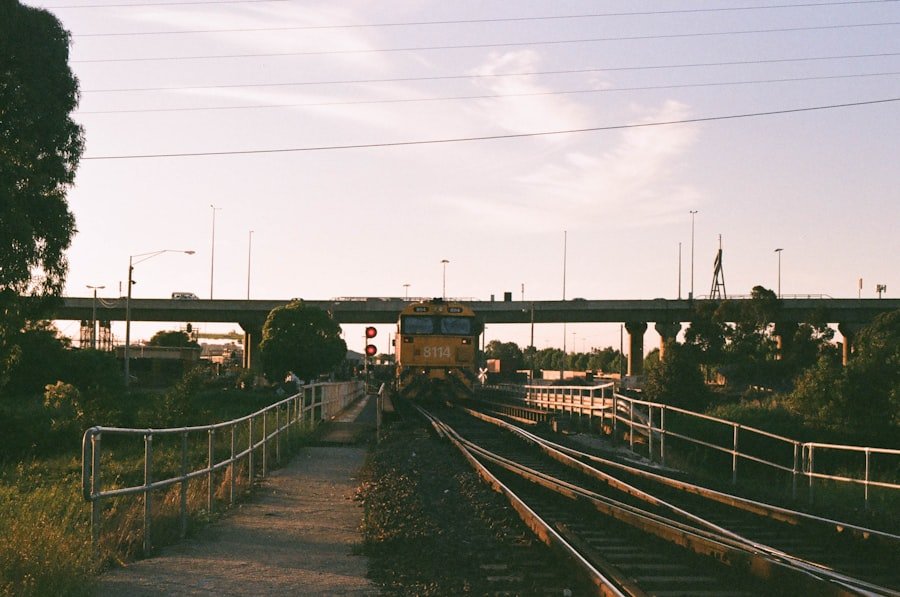
The views from the Pilatus Cogwheel Railway change noticeably as the train gains altitude. Near Alpnachstad, the landscape feels greener and more settled, with water, valleys, fields, and lower mountain slopes forming the wider scene.
Higher up, the railway enters increasingly steep terrain. Alpine meadows become more prominent, rock formations move closer to the track, and the view opens toward mountain ridges across Central Switzerland. On a clear day, the contrast between the lakes far below and the steep slopes beside the railway creates some of the strongest compositions of the trip.
Weather makes a major difference. A cloud layer can hide distant peaks or the lake even while the railway itself remains visible. Conversely, breaks in cloud can produce dramatic views that are very different from a perfectly clear day.
Warning: Mountain weather can change quickly. Check the official Pilatus weather, live facilities, and operating information before leaving, especially if you plan to walk to exposed summit viewpoints or continue onto hiking trails.
Highlights of the Pilatus Mountain Range
| Highlights of the Pilatus Mountain Range | |
| Location | Central Switzerland, overlooking the Lucerne region |
| Highest point of the massif | Tomlishorn |
| Popular summer activities | Sightseeing, hiking, designated biking routes, the rope park, and the summer toboggan experience when operating |
| Major attractions | Pilatus Cogwheel Railway, Dragon Ride, panorama gondolas, Dragon Path, Esel, Oberhaupt, and the flower trail toward Tomlishorn |
| Wildlife | Alpine wildlife includes ibex and other mountain species; sightings are never guaranteed |
Pilatus offers much more than the railway itself. Once you reach the summit area, several official viewpoints and walking routes allow you to extend the experience beyond the train windows.
Esel is promoted by Pilatus as one of the mountain’s most spectacular viewpoints. Oberhaupt provides another nearby summit perspective, while the Dragon Path combines mountain views with the legends associated with Pilatus. Travelers with more time can follow the flower trail toward Tomlishorn, the highest point of the Pilatus massif.
The official Pilatus viewpoints guide is useful for checking which summit walks fit your available time and whether the routes are currently open.
Hiking ranges from easy walks to demanding mountain routes. The official Pilatus hiking information also lists designated biking routes and emphasizes suitable preparation for mountain conditions.
Winter is different. The cogwheel railway is normally out of service during winter, so summit access shifts to the Kriens side when the gondolas and aerial cableway are operating. Pilatus offers activities such as sledging and snowshoe hiking, but it should not be described as a conventional ski resort. Pilatus specifically states that there are no marked ski pistes or downhill routes.
The Unique Experience of Riding a Cogwheel Railway
The Pilatus Cogwheel Railway is notable not only for its scenery but also for its engineering. It entered steam operation on June 4, 1889, and its unusual system was designed to handle gradients that conventional railway technology could not safely manage.
According to the official Pilatus technical data, the railway runs for 4,618 meters between Alpnachstad and Pilatus Kulm and overcomes an elevation difference of 1,635 meters. Its maximum gradient is 48%, with an average gradient listed at 38%.
The key engineering feature is the Locher cogwheel system. Instead of relying on a conventional rack arrangement, horizontally engaging cogwheels grip the rack from the sides. This design prevents the vehicle from climbing out of the rack on very steep gradients.
The modern railway operates with eight passenger railcars that each have capacity for 46 passengers. Official travel times are about 27 minutes uphill and 33 minutes downhill. The slower downhill operation on the steepest parts is part of the railway’s controlled operating design.
2026 Tickets, Timetable, and Seat Reservations
The railway is seasonal, so trip planning should start with the official Pilatus timetable. For 2026, the cogwheel railway is scheduled to operate from May 11 through November 29.
As of the official 2026 fare schedule, an adult single journey from Alpnachstad to Pilatus Kulm is listed at CHF 42, and a return journey on that route is CHF 84. Eligible Half-Fare, GA, Swiss Travel Pass, Eurail, Interrail, and child fares may receive reductions according to the current ticket rules. Prices can change, so verify them on the official Pilatus prices page before purchase.
The full Golden Round Trip from Lucerne with a second-class boat segment is listed at CHF 119.80 for an adult in the 2026 fare information, with reduced fares available for eligible travelers.
A ticket and a seat reservation are not always the same thing. Pilatus recommends reserving a seat on the cogwheel railway because waiting times can occur during busy periods, particularly in good weather and at popular travel times.
Wildlife and Flora Along the Pilatus Cogwheel Railway
The journey also passes through changing alpine habitats. Lower elevations are greener and more wooded, while the upper route becomes increasingly open and rocky. That transition allows passengers to see how vegetation changes over a relatively short horizontal distance as the railway rapidly gains height.
Wildlife can sometimes be seen on or around Mount Pilatus, but sightings should never be promised. Ibex are particularly associated with the mountain, and the official Pilatus program even includes seasonal ibex-focused experiences. Chamois, marmots, birds, and other alpine animals may also inhabit the wider region, but what you see depends on season, weather, time of day, and luck.
The mountain’s flora is also part of the experience. During the warmer season, alpine flowers appear along meadows and hiking routes, including the flower trail toward Tomlishorn. Visitors should enjoy plants in place rather than picking protected alpine vegetation.
Best Summit Views After the Cogwheel Railway
The train ride is only one part of the scenery. If visibility is good, allow time at Pilatus Kulm before immediately starting the descent.
- Esel: A short summit excursion with a high, open panorama. Pilatus describes it as one of its most spectacular viewpoints.
- Oberhaupt: Another nearby viewpoint that can be reached with less time than a longer summit hike.
- Dragon Path: A relatively short walk that mixes mountain scenery with Pilatus dragon legends.
- Tomlishorn: The highest point of the Pilatus massif and a better choice for travelers who have more time and are comfortable walking on a mountain trail.
Before setting out, check the live operating and trail status because snow, storms, maintenance, or other mountain conditions can affect access.
Tips for Capturing the Best Views on the Pilatus Cogwheel Railway
For photography, visibility matters more than a rigid time-of-day rule. A clear morning can provide excellent long-distance detail, while later light may create stronger shadows and warmer tones. Mountain cloud can develop quickly, so use the official webcam and forecast as part of your planning.
Inside the train, place the camera or phone close to the window to reduce reflections. Avoid pressing equipment hard against the glass because vibration can blur the shot. Shorter exposure times are helpful while the vehicle is moving.
Do not count on stepping off the railway mid-journey solely to take photographs. Instead, plan your strongest stationary photographs at Alpnachstad before departure and around Pilatus Kulm after arrival, where you can use established viewing areas and trails when they are open.
A moderate or wide-angle lens works well for capturing the relationship between lakes, valleys, railway, and mountain slopes. A zoom lens is useful for isolating distant ridges or wildlife, but keep a respectful distance from animals and never leave marked or appropriate routes simply to get a photograph.
The Unforgettable Beauty of Pilatus Mountain
The Pilatus Cogwheel Railway is memorable because the scenery changes so rapidly. In roughly half an hour, the train travels from the lakeside environment at Alpnachstad through green slopes and alpine meadows into steep, rocky terrain below Pilatus Kulm.
If you want the most dramatic part of the railway itself, pay special attention from around Ämsigen upward. If you prefer broader lake and valley scenes, watch the lower portion just as carefully. Once at Pilatus Kulm, Esel, Oberhaupt, the Dragon Path, and the route toward Tomlishorn can extend the views beyond what you see from the train.
The experience is strongest when you treat the railway, summit, and surrounding transport network as one connected trip. The Golden Round Trip does this especially well by combining the cogwheel railway with Lake Lucerne, the Dragon Ride, panorama gondolas, and the Kriens-Luzern connection.
If you want a completely different topic after planning your Pilatus trip, TaglineToday also has a separate article about the delightful world of Asian melon, including its flavors and cultural background.
Frequently Asked Questions
What is the Pilatus Cogwheel Railway?
The Pilatus Cogwheel Railway is a mountain railway between Alpnachstad and Pilatus Kulm in Central Switzerland. Opened in 1889, it reaches a maximum gradient of 48%, making it the world’s steepest cogwheel railway.
What is the best section of the Pilatus Cogwheel Railway for views?
For dramatic mountain scenery, the upper section from around Ämsigen toward Pilatus Kulm is the strongest part of the ride because the railway enters steeper, more open alpine terrain. The lower section is better for broader lake, valley, meadow, and foothill views.
Which side of the Pilatus Cogwheel Railway has the best views?
There is no universally best side because the track curves and the view changes throughout the ascent. Some travelers prefer the right side when traveling uphill for certain lake perspectives, but both sides receive scenic views. A window seat is more important than one specific side.
What are some highlights of the views along the railway?
The scenery can include lakes and valleys below Alpnachstad, green meadows, forested slopes, alpine pasture, steep gradients, exposed rock, and mountain ridges across Central Switzerland. Visibility depends heavily on cloud and weather conditions.
How long does the Pilatus Cogwheel Railway journey take?
Official technical information lists the journey at about 27 minutes uphill from Alpnachstad to Pilatus Kulm and about 33 minutes downhill. General visitor information often rounds this to approximately 30 minutes.
Do I need to reserve a seat on the Pilatus Cogwheel Railway?
A reservation is strongly worth considering during busy periods. Pilatus warns that waiting times can occur when demand is high and recommends reserving a seat, especially when the weather is good and visitor numbers are high.
Does the Pilatus Cogwheel Railway run in winter?
No. The cogwheel railway is seasonal and is normally out of service during winter. In 2026, its published operating period is May 11 through November 29. Winter summit access normally uses the Kriens-side gondolas and aerial cableway when those facilities are operating.
What viewpoints should I visit after arriving at Pilatus Kulm?
Popular official options include Esel, Oberhaupt, the Dragon Path, and the longer flower-trail walk toward Tomlishorn. Choose according to your available time, weather, trail conditions, footwear, and comfort on mountain paths.
Sources
- Pilatus-Bahnen: Cogwheel Railway – gradient, route length, opening history, Locher system, capacity, and journey times.
- Pilatus-Bahnen: Timetable – current operating dates, departures, seasonal service, and reservation guidance.
- Pilatus-Bahnen: Prices – current individual fares, reductions, and Golden Round Trip prices.
- Pilatus-Bahnen: Golden Round Trip – official route, transport modes, direction options, and connection information.
- Pilatus-Bahnen: Travel Preparation – reservations, luggage, seasonal access, winter limitations, and mountain safety information.
- Pilatus-Bahnen: Viewpoints – Esel, Oberhaupt, Tomlishorn, Dragon Path, and summit sightseeing options.