Staubbach Falls rises above Lauterbrunnen as one of the valley’s most recognizable sights. The waterfall drops about 297 metres (974 feet) from the cliff and is among the highest free-falling waterfalls in Europe. You can see it throughout the year, but the season has a major effect on water volume, gallery access, weather, crowds, and photography conditions.
Quick Answer
The best time to visit Staubbach Falls is usually early summer, especially around May and June, when seasonal snowmelt helps produce stronger water flow. The waterfall is visible year-round, while the Staubbach Gallery is normally accessible from May through October. For quieter conditions and softer photo light, visit in the morning or evening.
Key Takeaways
- Best overall season: Early summer is the strongest choice if seeing Staubbach Falls with substantial water flow is your priority.
- Gallery season: The Staubbach Gallery is generally open from May through October, while the waterfall itself can be viewed year-round.
- Cost: Visiting Staubbach Falls and its gallery is free.
- Best time of day: Morning and evening can provide calmer conditions and more favorable photography light.
- Weather: Conditions can change quickly in the Alps, so check the current MeteoSwiss forecast before setting out.
Best Time to Visit Staubbach Falls
If your main goal is to see Staubbach Falls carrying plenty of water, early summer is generally the best period. Switzerland Tourism specifically notes that the waterfall carries the most water in early summer.
This makes May and June particularly appealing because you can combine stronger seasonal flow with green valley scenery and access to the Staubbach Gallery. Conditions still vary with snowfall, rainfall, temperature, and recent weather, so no specific date can guarantee a particular water level.
Staubbach Falls plunges approximately 297 metres down the cliff above Lauterbrunnen, making it one of Europe’s highest free-falling waterfalls.
The waterfall also has an important cultural connection. Johann Wolfgang von Goethe visited Lauterbrunnen and was inspired by Staubbach Falls when writing his poem Gesang der Geister über den Wassern. The waterfall’s mist-like appearance is closely associated with its name and remains one of the features that makes it so distinctive.
Staubbach Falls by Season
| Period | What to Expect | Best For |
| May-June | Early-summer conditions generally bring stronger water flow. The gallery is normally in its operating season. | Waterfall power, green scenery, gallery access, photography |
| July-August | Long summer days and full access to summer activities make the valley convenient to explore. Water volume can vary with recent weather. | Hiking, sightseeing, longer days, nearby attractions |
| September-October | Cooler autumn conditions and changing vegetation can give the valley a different look. The gallery is normally accessible through October. | Autumn scenery, walking, photography |
| November-April | The waterfall remains visible, and winter can sometimes leave it partly or heavily iced. The gallery is outside its normal May-October access season. | Winter scenery and viewing from the valley |
Staubbach Gallery, Access, and Cost
You do not need to take a major hike simply to see Staubbach Falls. It dominates the cliff beside Lauterbrunnen and can be admired from the village and valley. A path from the foot of the waterfall also leads toward the Staubbach Gallery.
According to Jungfrau, the waterfall itself can be admired year-round, while the Staubbach Gallery is open from May to October. Lauterbrunnen Tourism states that entry is free.
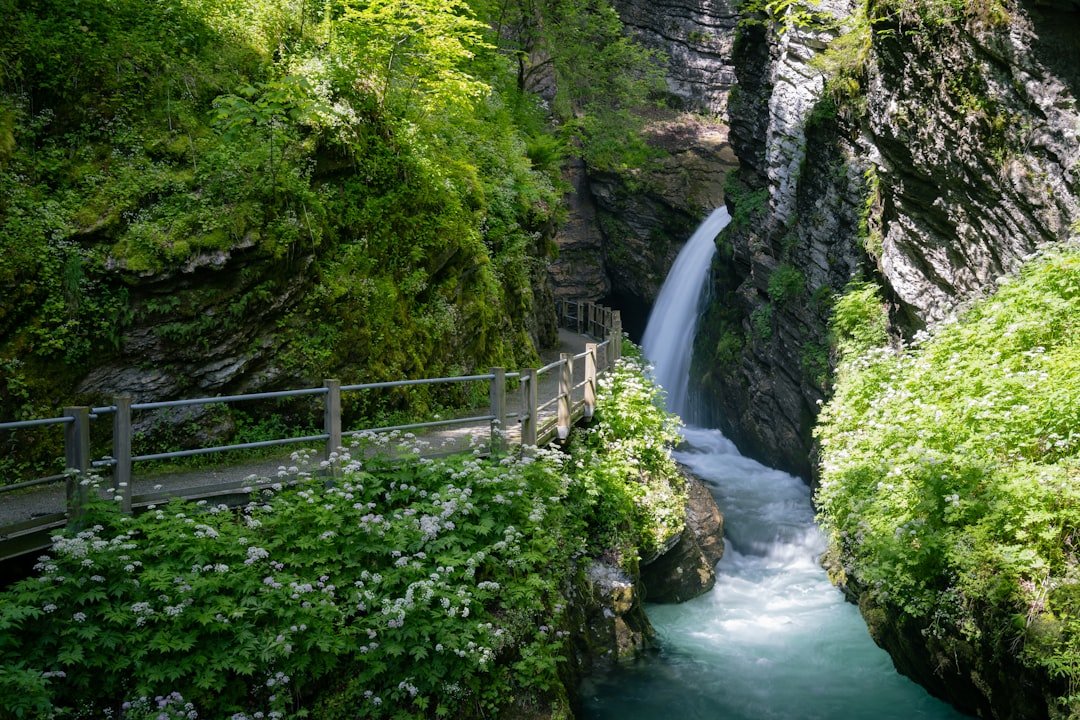
The gallery brings you much closer to the falling water. The route includes a path into the rock, stairs, and a secured viewing area. Spray can make the experience damp even when the surrounding weather is otherwise pleasant.
Note: Seeing Staubbach Falls from Lauterbrunnen and entering the Staubbach Gallery are different experiences. The waterfall can be viewed throughout the year, but the gallery has a seasonal May-October operating period.
Weather and Seasonal Considerations
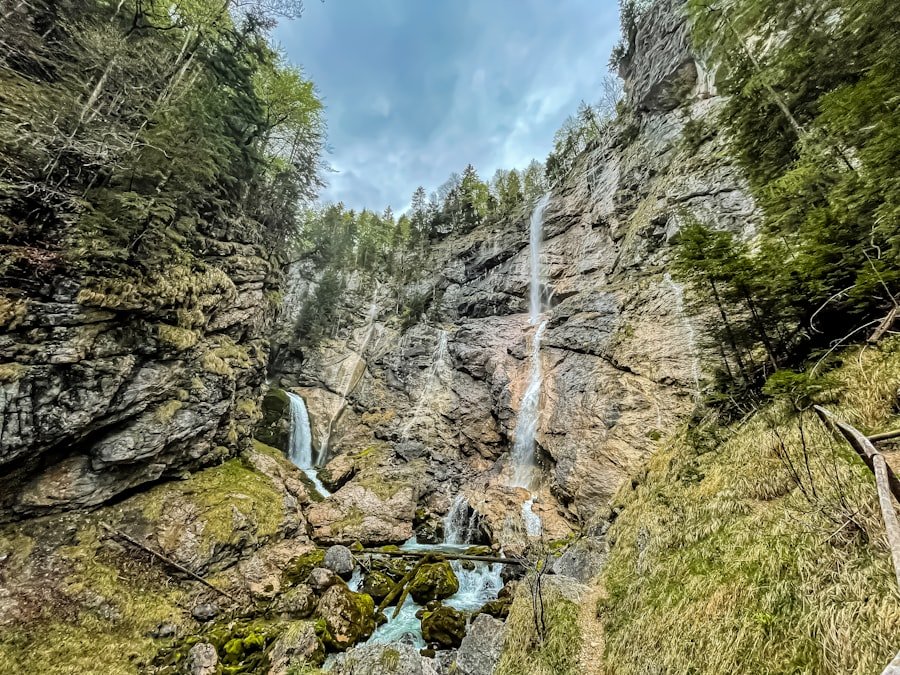
Weather in the Swiss Alps can change quickly, and conditions in Lauterbrunnen should not be reduced to one fixed temperature range. Rainfall, wind, cloud cover, temperature, and mountain conditions can vary considerably from one visit to another.
Before heading to the waterfall or starting a longer hike, check the latest forecast through MeteoSwiss, Switzerland’s federal weather service. Pay particular attention to rain and thunderstorms if you plan to continue onto mountain trails.
At the waterfall itself, spray can create cool and damp conditions near the gallery. A lightweight waterproof jacket is useful even on a day that begins dry. Shoes with dependable grip are also a better choice than smooth-soled footwear if you plan to approach the gallery.
Summer provides long daylight hours for exploring the valley, while autumn can bring cooler temperatures and changing colors. Winter offers a completely different view, and Jungfrau notes that the waterfall is not infrequently iced over during winter.
Crowd Levels and the Best Time of Day
There is no dependable public dataset that supports assigning a precise “high,” “medium,” or “low” crowd level to each weekday at Staubbach Falls. Visitor numbers vary with weather, holidays, tour schedules, and the wider travel season.
A more useful strategy is to choose your time of day carefully. Switzerland Tourism recommends going in the morning or evening for calmer conditions and good photography light.
| Time | Why Consider It |
| Morning | A strong choice if you want a calmer visit and softer light before moving on to other Lauterbrunnen attractions. |
| Middle of the day | Convenient when combining the waterfall with a full sightseeing itinerary, although the light can be harsher for photography. |
| Evening | Another officially recommended time for calmer conditions and favorable photographic light. |
Pro Tip: If photography matters, visit once in the morning or evening rather than trying to predict crowds from the day of the week. Weather and tour traffic influence conditions much more than an unsupported weekday schedule.
Photography Tips and Best Angles for Staubbach Falls
Staubbach Falls can look dramatically different depending on your position because its nearly 300-metre drop is difficult to fit into a single frame from close range. Switzerland Tourism highlights photo opportunities in Lauterbrunnen and from the opposite side of the valley around Wengen.
Photograph the full waterfall from Lauterbrunnen
A wider view from the village or valley floor makes it easier to show the complete vertical drop along with the cliffs, meadows, and buildings that give the scene its scale. A wide-angle lens or the wider camera setting on a phone is useful here.
Use the Staubbach Gallery for a close perspective
The gallery gives you a much closer experience of the spray and cliff. It is better suited to detail, atmosphere, and valley views than to fitting the entire waterfall into one frame. Protect cameras and phones from moisture.
Try morning or evening light
Morning and evening can produce softer light than the middle of the day. They are also recommended by Switzerland Tourism for a calmer visit. Depending on cloud cover and the position of the sun, the contrast between the bright sky, dark cliff, and white water can still be substantial.
Use a tripod carefully for longer exposures
If you want a smoother appearance in the falling water, a tripod and slower shutter speed can help. Keep equipment out of walking routes, avoid blocking narrow areas, and protect the camera from spray.
Nearby Attractions and Activities
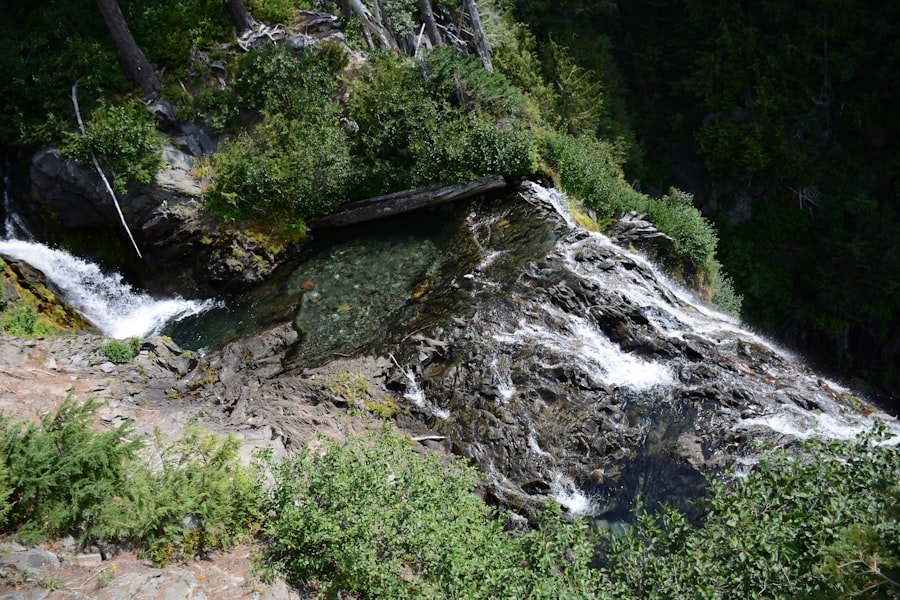
Staubbach Falls can easily be combined with other attractions in Lauterbrunnen Valley. The most obvious waterfall companion is Trümmelbach Falls, but it is a very different experience.
Trümmelbach Falls
Trümmelbach Falls consists of ten glacier waterfalls inside the mountain. Unlike Staubbach, Trümmelbach drains the glacier walls of the Eiger, Mönch, and Jungfrau. It is a seasonal paid attraction, so check current opening information before going.
Walk through the Lauterbrunnen Valley
The valley floor offers an easier way to continue exploring waterfalls and alpine scenery without immediately committing to a steep mountain hike. Lauterbrunnen Tourism describes its Valley of 72 Waterfalls walk as an easy route, with sections suitable for pushchairs.
Visit Mürren or Wengen
Mürren and Wengen provide elevated perspectives over the surrounding mountains and Lauterbrunnen Valley. They also serve as starting points for many hiking routes, allowing you to turn a short waterfall stop into a full day in the Jungfrau Region.
Try paragliding
Paragliding is an established activity around Lauterbrunnen and Mürren, with tandem experiences listed by Lauterbrunnen Tourism. Flights depend on weather and operating conditions, so treat them as a separate planned activity rather than assuming they will be available on demand.
Safety Precautions and Hiking Recommendations
Staubbach Falls is easy to admire from the valley, but getting closer to the gallery involves a different environment. Water spray, damp surfaces, stairs, and changing weather require more attention than a roadside viewpoint.
Warning: Do not leave marked paths or approach exposed cliff edges for a photograph. Wet rock and paths can be slippery, and alpine weather can change rapidly. Check current conditions before continuing onto longer or higher trails.
- Wear suitable shoes: Choose footwear with grip if you plan to walk toward the gallery or continue hiking.
- Carry a rain layer: Spray near the waterfall can leave you damp even when it is not raining.
- Check the forecast: Use MeteoSwiss before mountain walks, especially when thunderstorms or heavy rain are possible.
- Match the route to your ability: A valley walk and a mountain hike toward villages such as Mürren are very different undertakings.
- Stay on established routes: Do not climb around barriers or leave marked paths to obtain a different camera angle.
- Bring water: Carry enough for longer walks rather than relying on the waterfall or streams as drinking-water sources.
Conclusion and Final Recommendations
For most visitors, early summer is the best time to visit Staubbach Falls. The waterfall generally carries more water then, Lauterbrunnen is green, and the Staubbach Gallery is within its normal May-October season. If you prefer autumn scenery, September and October can also be rewarding, while winter offers the possibility of seeing the falls partly frozen from the valley.
Try to arrive in the morning or evening if you want calmer conditions and better photographic light. Check the latest weather before visiting, bring a light waterproof layer if you plan to approach the gallery, and leave enough time to combine Staubbach with the valley walk, Trümmelbach Falls, Mürren, Wengen, or another nearby activity.
The most important distinction is simple: Staubbach Falls can be admired throughout the year, but the close-up gallery experience is seasonal. Planning around both water flow and gallery access gives you a much better chance of getting the experience you want.
Frequently Asked Questions
What is the best time to visit Staubbach Falls?
Early summer is generally the best time if strong water flow is your priority. Switzerland Tourism notes that Staubbach carries the most water in early summer. May and June also fall within the normal May-October season for the Staubbach Gallery.
Can you visit Staubbach Falls all year?
Yes. The waterfall itself can be admired year-round. In winter it may be partly or heavily iced, while the close-up Staubbach Gallery is normally open only from May through October.
Is Staubbach Falls free to visit?
Yes. Lauterbrunnen Tourism states that entry to Staubbach Falls is free. Nearby attractions such as Trümmelbach Falls have their own separate admission policies.
When is the Staubbach Gallery open?
Jungfrau lists the Staubbach Gallery as open from May to October. Because access can be affected by real-world conditions, check current local information if entering the gallery is essential to your trip.
What is the best time of day for Staubbach Falls?
Morning and evening are strong choices. Switzerland Tourism specifically recommends these periods for calmer conditions and favorable photography light. Actual visitor numbers still depend on season, weather, holidays, and tour traffic.
What is the weather like during the best visiting season?
Late spring and summer can provide comfortable sightseeing conditions, but Alpine weather varies significantly. Rain, wind, clouds, and thunderstorms can develop quickly. Check MeteoSwiss shortly before your visit rather than relying on a fixed seasonal temperature range.
Are there special events or festivals at Staubbach Falls?
Staubbach Falls is primarily a natural attraction rather than a festival venue. Local events elsewhere in Lauterbrunnen and the Jungfrau Region change throughout the year, so check the current Lauterbrunnen Tourism calendar if you want to combine your visit with an event.
What else can I do near Staubbach Falls?
Popular options include exploring the Lauterbrunnen Valley, visiting Trümmelbach Falls, heading to Mürren or Wengen, hiking, photography, and booking a tandem paragliding experience when conditions allow.
Sources
- Lauterbrunnen Tourism: Staubbachfall Waterfall – supports the 297-metre height, free entry, summer gallery experience, and official visitor information.
- Jungfrau: Staubbach Falls – supports year-round viewing, May-October gallery access, and the Goethe connection.
- Switzerland Tourism: Staubbach Falls – supports early-summer water flow, photography locations, gallery details, and morning/evening visiting advice.
- MeteoSwiss – official Swiss weather forecasts and warnings for planning outdoor activities.
- Lauterbrunnen Tourism: Trümmelbach Waterfalls – supports information about the nearby glacier waterfalls, seasonal access, and their connection to the Eiger, Mönch, and Jungfrau.