

In Switzerland, greetings are not merely a formality; they are an essential part of social interaction that reflects respect and acknowledgment of the other person. A firm handshake is the standard greeting, accompanied by direct eye contact, which conveys sincerity and confidence. This practice is consistent across various regions of Switzerland, although slight variations may exist depending on the local customs.
For instance, in the French-speaking parts of Switzerland, it is common to greet with a kiss on both cheeks among friends and family, while in the German-speaking regions, a handshake remains the norm even among acquaintances. Understanding these nuances is crucial for anyone looking to engage meaningfully with Swiss individuals. When introducing oneself, it is customary to state your full name and, if appropriate, your title or profession.
This practice underscores the Swiss value placed on professionalism and clarity in communication. In formal settings, addressing individuals by their titles—such as Herr (Mr.) or Frau (Mrs.)—followed by their last name is expected until invited to use first names. This level of formality reflects a broader cultural emphasis on respect and hierarchy, particularly in professional environments.
Therefore, mastering the art of greeting and introductions can significantly enhance interpersonal relationships in Switzerland.
Key Takeaways
- Handshakes are an important part of Swiss greetings and should be firm and accompanied by direct eye contact.
- Punctuality is highly valued in Swiss society, and being late can have a negative impact on social interactions and business relationships.
- When dining in Switzerland, it is important to wait for the host to start eating, and to keep your hands on the table, not in your lap.
- Communicating effectively in Switzerland involves using formal language, addressing people by their titles, and being aware of cultural nuances such as personal space.
- Dress codes vary depending on the social setting in Switzerland, with business attire being more formal and casual wear being acceptable for social gatherings.
- Gift giving is a significant practice in Swiss culture, and it is important to give gifts that are of high quality and not overly extravagant.
- Social interactions in Switzerland require polite conversation topics, respect for personal space, and an understanding of social norms such as punctuality and modesty.
- In Swiss business settings, it is important to be punctual, professional, and to engage in direct communication and negotiation.
- Public behavior in Switzerland requires respect for personal space, cleanliness, and quietness in public spaces such as public transportation and parks.
- Understanding Swiss holidays and celebrations involves respecting traditions such as Swiss National Day and the importance of family gatherings and community events.
- Cultural sensitivity in Switzerland involves respecting local customs and traditions, being open-minded, and showing appreciation for Swiss culture.
Punctuality: The significance of being on time in Swiss society and the impact of tardiness on social interactions
Punctuality is a cornerstone of Swiss culture, deeply ingrained in both social and professional contexts. Arriving on time is not just a courtesy; it is a sign of respect for others’ time and commitments. In Switzerland, being late—even by a few minutes—can be perceived as inconsiderate or unprofessional.
This cultural norm extends to various aspects of life, from business meetings to social gatherings. For instance, if an invitation states that an event begins at 7 PM, guests are expected to arrive promptly at that time rather than fashionably late. This expectation can be particularly pronounced in business settings, where punctuality is often equated with reliability and efficiency.
The implications of tardiness can be significant. In professional environments, arriving late can damage one’s reputation and hinder career advancement opportunities. Colleagues may view a tardy individual as disorganized or lacking commitment.
In social situations, being late can disrupt the flow of an event and may lead to feelings of frustration among hosts and other guests. Therefore, understanding the importance of punctuality in Swiss society is essential for fostering positive relationships and ensuring successful interactions.
Dining Etiquette: Navigating the customs and expectations surrounding meals and dining in Switzerland
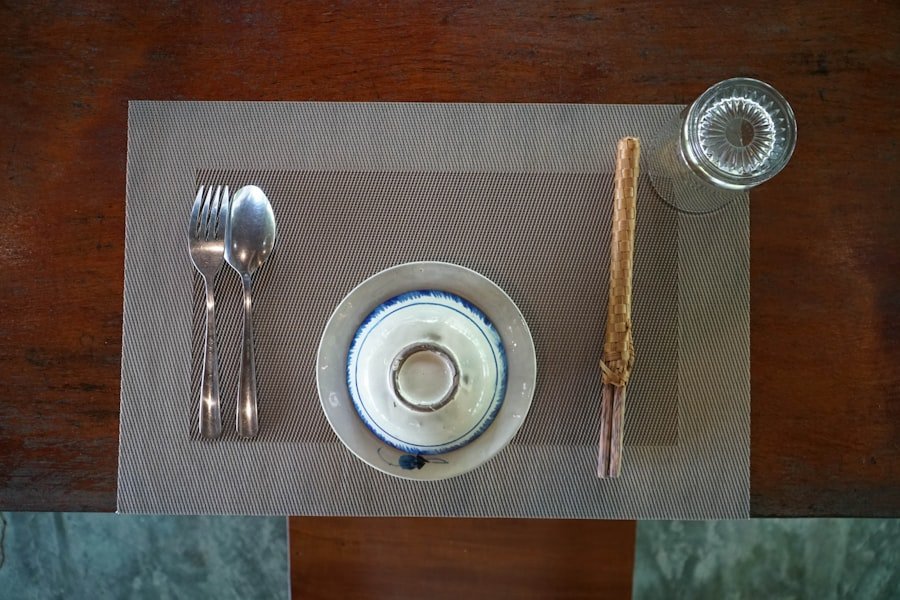
Dining in Switzerland is an experience steeped in tradition and etiquette that varies slightly across its linguistic regions. When invited to someone’s home for a meal, it is customary to bring a small gift, such as flowers or a bottle of wine, as a token of appreciation for the host’s hospitality. Upon arrival, guests should greet everyone present with a handshake or a friendly nod, acknowledging each person individually.
This practice reflects the Swiss value placed on personal connections and respect for others. During meals, table manners are taken seriously. It is considered polite to wait for the host to begin eating before starting your meal.
Additionally, keeping both hands above the table—though not elbows—is a common expectation. In Swiss dining culture, it is also important to engage in light conversation during meals; however, topics should remain neutral and avoid sensitive subjects such as politics or religion unless you are well-acquainted with your dining companions. The Swiss appreciate good food and drink, so taking the time to savor the meal while engaging in pleasant conversation is key to a successful dining experience.
Language: Tips for communicating effectively in Switzerland, including language use and cultural nuances
| Communication Aspect | Tips |
|---|---|
| Language | Learn the local languages (German, French, Italian) to communicate effectively. |
| Formality | Use formal language and titles when addressing people, especially in professional settings. |
| Directness | Swiss communication style is often direct and to the point, so be clear and concise in your communication. |
| Non-verbal cues | Pay attention to non-verbal cues such as body language and facial expressions, as they can convey important messages. |
| Punctuality | Being on time is highly valued in Swiss culture, so make sure to be punctual for meetings and appointments. |
Switzerland is a multilingual country with four official languages: German, French, Italian, and Romansh. The linguistic diversity reflects the country’s rich cultural tapestry and can pose challenges for effective communication. When interacting with Swiss individuals, it is essential to be aware of the predominant language spoken in the region you are visiting.
For example, German is primarily spoken in central and northern Switzerland, while French dominates in the west and Italian in the south. Romansh is less commonly spoken but holds cultural significance in certain areas. To communicate effectively, it is advisable to learn basic phrases in the local language.
Simple greetings like “Guten Tag” (Good day) in German or “Bonjour” (Hello) in French can go a long way in establishing rapport. Additionally, being mindful of cultural nuances—such as using formal titles and maintaining a respectful tone—can enhance interactions. The Swiss value clarity and precision in communication; therefore, being direct yet polite is often appreciated.
Avoiding overly casual language or slang until you have established a comfortable rapport can help prevent misunderstandings.
Dress Code: Understanding the appropriate attire for different social settings in Switzerland
In Switzerland, dress codes can vary significantly depending on the occasion and location. Generally speaking, the Swiss tend to favor a smart-casual style that balances comfort with professionalism. In urban areas like Zurich or Geneva, you will find that people often dress more formally compared to rural regions where attire may be more relaxed.
For business settings, men typically wear suits or dress shirts with ties, while women opt for tailored dresses or blouses paired with skirts or slacks. When attending social events or gatherings, it is important to consider the nature of the occasion when selecting your outfit. For instance, formal dinners may require more elegant attire, while casual get-togethers might allow for more relaxed clothing choices.
Outdoor events such as hiking or picnics call for practical attire suited to the activity at hand. Regardless of the setting, maintaining a neat appearance is crucial; the Swiss take pride in their personal grooming and presentation.
Gift Giving: The significance of gift giving in Swiss culture and the etiquette surrounding this practice
Gift giving holds a special place in Swiss culture, often serving as a means of expressing gratitude or celebrating special occasions. When invited to someone’s home or attending a significant event such as a wedding or birthday party, bringing a gift is customary. Common gifts include flowers, chocolates, or high-quality wines—items that reflect thoughtfulness without being overly extravagant.
It is important to note that gifts should be presented unwrapped; this practice emphasizes the act of giving rather than the material value of the gift itself. In professional settings, gift giving can be more nuanced. While it is not common to exchange gifts during initial meetings or negotiations, small tokens of appreciation may be appropriate after closing a deal or completing a project together.
However, it is essential to be aware of company policies regarding gift giving to avoid any potential misunderstandings or ethical concerns. Overall, understanding the significance of gift giving in Swiss culture can enhance relationships and foster goodwill.
Socializing: Navigating the nuances of social interactions and gatherings in Switzerland, including topics of conversation and social norms
Socializing in Switzerland can be both rewarding and complex due to its diverse cultural landscape. When attending gatherings or events, it is important to approach interactions with an open mind and respect for local customs. The Swiss tend to be reserved initially; therefore, building rapport may take time.
Engaging in small talk about neutral topics such as travel experiences or local cuisine can help break the ice without delving into potentially sensitive subjects like politics or religion. In terms of social norms, punctuality remains crucial even during informal gatherings; arriving late can be seen as disrespectful. Additionally, when conversing with others, maintaining eye contact demonstrates attentiveness and sincerity.
The Swiss appreciate authenticity; therefore, being genuine in your interactions will foster deeper connections over time. As friendships develop, discussions may become more personal; however, it is wise to tread carefully until you gauge comfort levels.
Business Etiquette: Understanding the customs and expectations in Swiss business settings, including communication and negotiation
Business etiquette in Switzerland reflects the country’s values of professionalism and efficiency. Meetings are typically structured and focused on achieving specific objectives; therefore, preparation is key. Arriving on time is non-negotiable; being late can undermine your credibility from the outset.
When entering a meeting room, greeting each participant with a firm handshake while maintaining eye contact sets a positive tone for discussions. Communication style tends to be direct yet polite; Swiss professionals appreciate clarity and precision over vague statements or excessive embellishments. During negotiations, patience is essential; decisions may take time as consensus-building is valued over hasty conclusions.
It is also important to respect hierarchical structures within organizations; addressing senior members appropriately demonstrates awareness of social dynamics within Swiss business culture.
Public Behavior: Guidelines for appropriate conduct in public spaces and the importance of respecting Swiss social norms
Public behavior in Switzerland is governed by a strong sense of social responsibility and respect for others’ personal space. In public transportation settings such as trains or trams, maintaining silence or engaging in quiet conversation is expected; loud discussions can be disruptive and frowned upon by fellow passengers. Additionally, when using escalators or sidewalks, standing on one side allows others to pass freely—a practice that reflects consideration for those around you.
In public spaces such as parks or squares, it is important to adhere to local customs regarding noise levels and personal conduct. Engaging in rowdy behavior or public displays of affection may attract disapproving glances from passersby who value discretion and decorum. Understanding these social norms will not only enhance your experience but also demonstrate respect for Swiss culture.
Holidays and Celebrations: Understanding the customs and traditions of Swiss holidays and special occasions
Switzerland boasts a rich tapestry of holidays and celebrations that reflect its diverse cultural heritage. One notable holiday is Swiss National Day on August 1st, which commemorates the founding of the Swiss Confederation in 1291. Celebrations typically include fireworks displays, parades, and communal gatherings where people come together to celebrate their national identity through music and traditional foods.
Another significant occasion is Christmas, celebrated with various regional customs such as Advent calendars and festive markets selling handmade crafts and seasonal treats like gingerbread cookies (Lebkuchen). In some areas, St. Nicholas Day on December 6th involves children receiving small gifts from St.
Nicholas himself—a tradition that emphasizes generosity and community spirit during the holiday season.
Cultural Sensitivity: Tips for respecting and appreciating Swiss culture, including understanding local customs and traditions
Cultural sensitivity plays a vital role in fostering positive interactions within Switzerland’s diverse society. To appreciate Swiss culture fully, it is essential to approach conversations with an open mind while being aware of regional differences that may influence perspectives on various issues—from politics to social norms. Taking time to learn about local customs—such as traditional festivals or culinary specialties—can enhance your understanding of what makes each region unique within Switzerland’s broader cultural landscape.
Additionally, showing genuine interest in learning about others’ experiences fosters goodwill while demonstrating respect for their heritage. By embracing these principles—punctuality, proper greetings, dining etiquette—individuals can navigate social interactions more effectively while building meaningful connections within this multifaceted nation known for its rich traditions and values rooted deeply within its communities.
If you are interested in learning more about Swiss etiquette and cultural tips, you may also enjoy reading an article on delicious homemade cottage cheese, a simple and healthy recipe. This article provides insight into the culinary traditions and practices of different cultures, much like the customs and manners discussed in Swiss etiquette. You can find the article here.
FAQs
What are some general etiquette tips in Switzerland?
In Switzerland, it is important to greet people with a handshake, maintain eye contact, and use formal titles when addressing others. Punctuality is highly valued, and it is customary to arrive on time for social and business meetings.
What are some cultural customs to be aware of in Switzerland?
Swiss culture places a strong emphasis on politeness, respect for personal space, and a reserved demeanor. It is also important to be mindful of the country’s linguistic diversity, as there are four official languages spoken in different regions of Switzerland.
What should I know about dining etiquette in Switzerland?
When dining in Switzerland, it is customary to wait for the host to offer a toast before taking the first sip of a drink. It is also important to keep your hands visible on the table and to say “bon appétit” before beginning a meal.
How should I dress when visiting Switzerland?
Swiss people tend to dress conservatively and neatly, so it is advisable to avoid casual or overly revealing clothing. In business settings, formal attire is typically expected, while casual attire is more acceptable in social settings.
What are some taboos to avoid in Swiss culture?
It is considered impolite to be loud or draw attention to oneself in public spaces in Switzerland. Additionally, it is important to respect the country’s natural environment and adhere to local customs and regulations when participating in outdoor activities.