Traveling through Switzerland is often described as a journey through a postcard, with breathtaking landscapes, charming villages, and one of the most efficient public transport systems in the world. For visitors looking to explore the country by rail, two options come up again and again: the Swiss Travel Pass and the Half Fare Card. Each is built for a different kind of trip, so understanding exactly what each one covers — and what it costs in 2026 — makes a real difference to your budget.
The Swiss Travel Pass is designed for travelers who want to move around extensively using public transportation. It provides unlimited travel on the Swiss Travel System network — trains, buses, and boats — for a set number of consecutive days, so you can hop on and off without buying individual tickets. The Half Fare Card takes a different approach: instead of unlimited travel, it gives you a 50% discount on most train, bus, and boat tickets for one month, and you still buy a ticket for every journey.
The Half Fare Card tends to suit travelers making fewer, longer trips, or who want to plan their route day by day rather than committing to a fixed pass duration. Below, we break down current pricing, coverage, and exactly who each option is really built for.
Quick Answer
The Swiss Travel Pass (CHF 254–499 for 3–15 days) suits travelers riding trains, buses, or boats most days, and throws in free museum entry. The Half Fare Card (CHF 150, valid one month) suits travelers taking just a handful of longer trips, since you buy each ticket at half price instead of paying for unlimited travel.
Key Takeaways
- The Swiss Travel Pass offers unlimited travel on trains, buses, and boats for 3, 4, 6, 8, or 15 consecutive days; the Half Fare Card gives a 50% discount on most tickets for one month instead.
- The Swiss Travel Pass includes free admission to over 500 museums and covers the base fare on premium panoramic trains; the Half Fare Card gives the same 50% discount on most mountain excursions but no free museum entry.
- 2026 Swiss Travel Pass prices (2nd class) run from CHF 254 for 3 days up to CHF 499 for 15 days. The Swiss Half Fare Card costs CHF 150 per adult — a flat one-time fee for one month, not a renewable subscription.
- Both passes are sold only to travelers whose permanent residence is outside Switzerland and Liechtenstein.
- The Glacier Express and Bernina Express are covered by both passes’ base fare, but the mandatory seat reservation (roughly CHF 20–45) is always paid separately.
Coverage and Benefits of the Swiss Travel Pass
The Swiss Travel Pass covers an extensive range of transportation, making it a strong choice for anyone who wants to see a lot of the country in a short window. It includes trains, boats, and buses connecting nearly every region, plus the base fare on scenic routes such as the Glacier Express and Bernina Express — both renowned for their views of the Swiss Alps.
The pass also grants free admission to over 500 museums nationwide and includes free local public transport in more than 90 towns and cities, including Zurich, Geneva, and Bern. Holders get up to 50% off many mountain excursions, such as trips toward Jungfraujoch or Mount Titlis. It’s sold in five durations — 3, 4, 6, 8, or 15 consecutive days — plus a “Flex” version that lets you pick non-consecutive travel days within a month, for roughly 15% more.
Note: The Swiss Travel Pass covers the ride itself on the Glacier Express and Bernina Express, but a seat reservation is mandatory on both trains and is never included in any travel pass. Budget roughly CHF 20–45 per person, per train, depending on season and class.
Coverage and Benefits of the Half Fare Card
The Half Fare Card is the better fit for travelers who want to move at a slower pace. Rather than unlimited travel, it lets you buy tickets for trains, buses, and boats at half price for a full month from the date you activate it, across the entire Swiss Travel System network.
Its main advantage is that you only ever pay for the trips you actually take. Unlike the Swiss Travel Pass, there’s no set number of travel days to plan around — you can spend a week in one city and take a single discounted day trip, or spread journeys out however you like. It also stacks with regional passes or excursion discounts, and children under 6 travel free, while children aged 6–15 travel free with the complimentary Swiss Family Card when accompanied by a parent holding the card.
Note: This one-month “Swiss Half Fare Card” for visitors is a different product from the Swiss resident “Half Fare Travelcard,” which is valid a full year and renews at a discounted loyalty price. Only the resident version has that renewal structure — the visitor card is a single flat fee.
Who Can Buy These Passes?
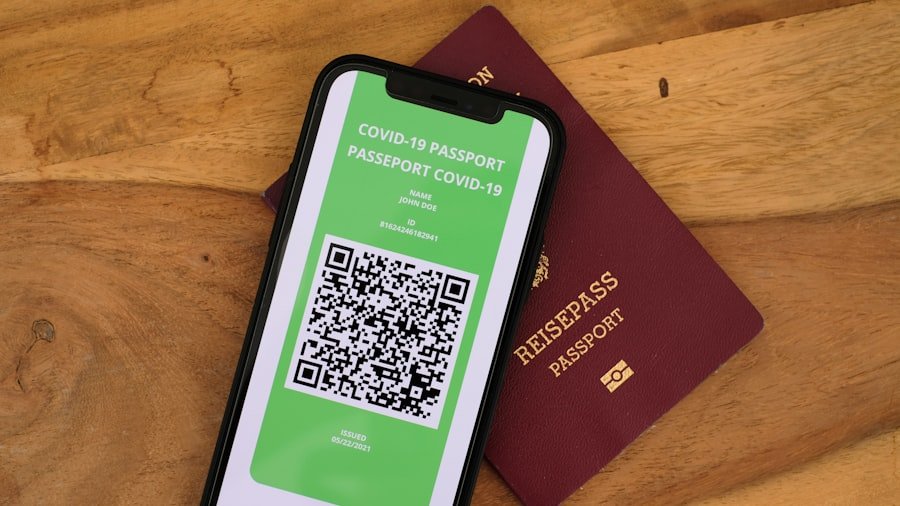
Both the Swiss Travel Pass and the Swiss Half Fare Card are sold exclusively to people whose permanent residence is outside Switzerland and the Principality of Liechtenstein — they’re built for incoming visitors, not locals. You can buy either one online up to 11 months before your trip, or in person at Swiss railway stations and authorized agents once you’ve arrived. Both are issued as digital tickets: you’ll receive a PDF with a QR code that conductors scan directly from your phone, so there’s nothing to print unless you prefer a paper copy as backup.
Cost Comparison between the Swiss Travel Pass and Half Fare Card
| Swiss Travel Pass | Half Fare Card | |
|---|---|---|
| 2026 Cost (2nd class) | CHF 254 (3 days) to CHF 499 (15 days) | CHF 150 flat, for one month |
| Validity | Unlimited travel on 3, 4, 6, 8, or 15 consecutive days | 50% discount on most trains, buses, and boats for 30 days |
| Flexibility | Convenient for travelers with packed, multi-city itineraries | Best for travelers with a more flexible, slower-paced schedule |
| Additional Benefits | Free admission to 500+ museums; free local transport in 90+ towns | Same 50% discount on most mountain excursions; no free museum entry |
When weighing cost, it’s worth thinking in terms of how many rides you’ll actually take. The Swiss Travel Pass has a fixed 2026 price by duration: CHF 254 for 3 days, CHF 309 for 4 days, CHF 399 for 6 days, CHF 439 for 8 days, and CHF 499 for 15 days in 2nd class (1st class runs roughly 55% higher). For travelers visiting several cities or regions in a short window, that flat cost can easily beat buying individual tickets.
The Half Fare Card, by contrast, costs CHF 150 per adult for one month, and its value depends entirely on how many trips you take. As a rough rule, it pays for itself once your combined full-fare ticket cost would have reached about CHF 300 — so a couple of long train rides or a single mountain excursion can be enough to break even. If you’re taking just one or two significant trips, the Half Fare Card is usually the cheaper choice; if you’re moving almost daily, the Swiss Travel Pass tends to win.
Warning: Neither pass includes seat reservations on the Glacier Express, Bernina Express, Gotthard Panorama Express, or Palm Express — budget that as a separate cost regardless of which pass you choose.
Flexibility and Convenience of the Swiss Travel Pass
The Swiss Travel Pass excels at flexibility for travelers who don’t want to be tied to a rigid schedule. With unlimited travel across trains, buses, and boats, you can change plans on a whim — extend a stay, detour to an unplanned stop, or backtrack without worrying about extra ticket costs.
It’s also simple to use in practice: you just board and go, without needing to buy a ticket or make a reservation for every ride. That fits naturally with Switzerland’s frequent, punctual public transport, letting you focus on the scenery and the towns rather than logistics.
Flexibility and Convenience of the Half Fare Card
While the Half Fare Card doesn’t offer unlimited travel, it still gives travelers real flexibility to plan their own pace. You decide when and where to travel, and you save on every ticket you buy — a good fit for anyone who wants to settle into one region for a few days rather than keep moving.
Its pricing is also easy to reason about: buy a ticket only when you need one, at half price, either online, through the SBB Mobile app, or at a ticket counter. That makes it simple to adjust an itinerary around weather, mood, or a last-minute recommendation.
Ideal Traveler Profiles for the Swiss Travel Pass
The Swiss Travel Pass suits travelers covering multiple destinations in a short period — think Zurich, Lucerne, Interlaken, and Geneva on one trip — or anyone chasing scenic routes like the GoldenPass Line or Gotthard Panorama Express without tallying up ticket costs along the way. Families or groups can also come out ahead, since children aged 6–15 travel free with the complimentary Swiss Family Card when accompanied by a parent holding the pass.
Ideal Traveler Profiles for the Half Fare Card
The Half Fare Card appeals to travelers moving at a more relaxed pace — someone based in Lucerne, for instance, who wants to explore Mount Pilatus or Lake Zurich as day trips without feeling pressure to maximize every travel day. It also suits budget-conscious travelers without a fixed itinerary who still want a discount whenever they decide to move spontaneously.
Additional Considerations for Choosing between the Swiss Travel Pass and Half Fare Card
Beyond cost and coverage, travel style matters. If you enjoy planning a tight, multi-destination itinerary, the unlimited-travel structure of the Swiss Travel Pass tends to suit that better. If you prefer spontaneity, the Half Fare Card’s pay-as-you-go model fits more naturally.
It’s also worth thinking about how much time you’ll spend in transit versus sightseeing. Travelers doing more sightseeing than long-distance travel often get better value from the Half Fare Card, since they’re not paying for unlimited movement they won’t use. And because seat reservation fees on panoramic trains apply either way, check ahead for any mountain-excursion deals that favor one card over the other.
Tips for Maximizing the Value of the Swiss Travel Pass
Get the most from a Swiss Travel Pass by building your itinerary around what it already covers — free museum entry and scenic routes included in its network — rather than paying extra elsewhere. Free local transport in major cities is an easy way to save on urban travel too.
Pro Tip: Travel during off-peak hours when possible. You’ll hit fewer crowds on popular scenic routes and have an easier time getting a seat reservation on trains like the Glacier Express during busy summer months.
Using the SBB Mobile app for real-time timetables also helps you optimize connections and avoid missed transfers between destinations.
Tips for Maximizing the Value of the Half Fare Card
To get the most from a Half Fare Card, compare regular ticket prices against the discounted rate before you travel, so you know which routes deliver the biggest savings. Pairing it with regional passes can add further discounts on specific attractions or transport within certain areas.
Keep an eye out for seasonal promotions too — some mountain excursions or attractions run limited-time deals that stack with the Half Fare Card’s standard 50% discount.
If you are considering traveling to Switzerland and trying to decide between the Swiss Travel Pass and the Half Fare Card, you may also be interested in reading about the delightful world of Asian melon. This article explores the different varieties of Asian melons and how they can add a unique and refreshing twist to your culinary adventures. Check it out here.
Frequently Asked Questions
What is the Swiss Travel Pass?
The Swiss Travel Pass is a ticket for visitors that allows unlimited travel on the Swiss Travel System network — trains, buses, boats, and some mountain railways — for a set number of consecutive days. It also includes free admission to over 500 museums and discounts on many mountain excursions.
What is the Half Fare Card?
The Swiss Half Fare Card lets visitors buy train, bus, boat, and most mountain-railway tickets at half price for one month. It’s a discount card, not an unlimited-travel ticket — you still purchase a ticket for every journey.
What is the difference between the Swiss Travel Pass and the Half Fare Card?
The Swiss Travel Pass gives unlimited travel across the network for a fixed number of days and includes free museum admission. The Half Fare Card instead gives a 50% discount on individual tickets for one month, with no free museum entry, making it better suited to travelers taking fewer trips.
Do I need a seat reservation with either pass?
Yes, on certain panoramic trains. The Glacier Express, Bernina Express, Gotthard Panorama Express, and Palm Express all require a mandatory seat reservation, typically CHF 20–45 depending on the train and season. Neither the Swiss Travel Pass nor the Half Fare Card includes this fee.
Can Swiss residents buy these passes?
No. Both the Swiss Travel Pass and the Swiss Half Fare Card described here are sold only to people whose permanent residence is outside Switzerland and Liechtenstein. Swiss residents have separate equivalent products, including an annual Half Fare Travelcard and the GA Travelcard.
Where can I purchase the Swiss Travel Pass and the Half Fare Card?
Both can be purchased online up to 11 months in advance, at Swiss railway stations, or through authorized sales agents. Buying online before you arrive is generally the most convenient option, since you’ll get a digital ticket ready to use from day one.
Sources
- Switzerland Tourism — Swiss Travel Pass — official coverage, durations, and eligibility rules
- SBB — Swiss Half Fare Card — official pricing and terms for the visitor discount card
- SBB — Half Fare Travelcard — the separate annual product for Swiss residents
- Glacier Express — FAQ — confirms the mandatory, separately priced seat reservation