Switzerland is one of Europe’s more expensive destinations, but your actual travel cost per day depends heavily on where you sleep, how often you eat in restaurants, which rail tickets you buy, and whether you include costly mountain excursions. A careful budget traveler can keep expenses under control, while premium hotels, first-class rail travel, skiing, and famous Alpine viewpoints can raise the total quickly.
Quick Answer
Plan on roughly CHF 100-150 per person per day for a strict budget trip, CHF 200-350 for a mid-range trip, and CHF 400 or more for comfort or luxury. Your real total depends most on lodging, rail choices, and mountain excursions. International flights are not included in these planning ranges.
Key Takeaways
- A realistic Switzerland travel budget can range from about CHF 100 per day for disciplined budget travel to CHF 400 or more for a comfortable or luxury trip.
- Accommodation and mountain excursions are often the expenses that change a trip budget the most.
- The 2026 Swiss Travel Pass starts at CHF 254 for 3 consecutive days in 2nd class, while the Swiss Half Fare Card costs CHF 150 for one month.
- Restaurant meals are expensive, but supermarket meals, bakeries, takeaways, and lunch menus can lower food costs.
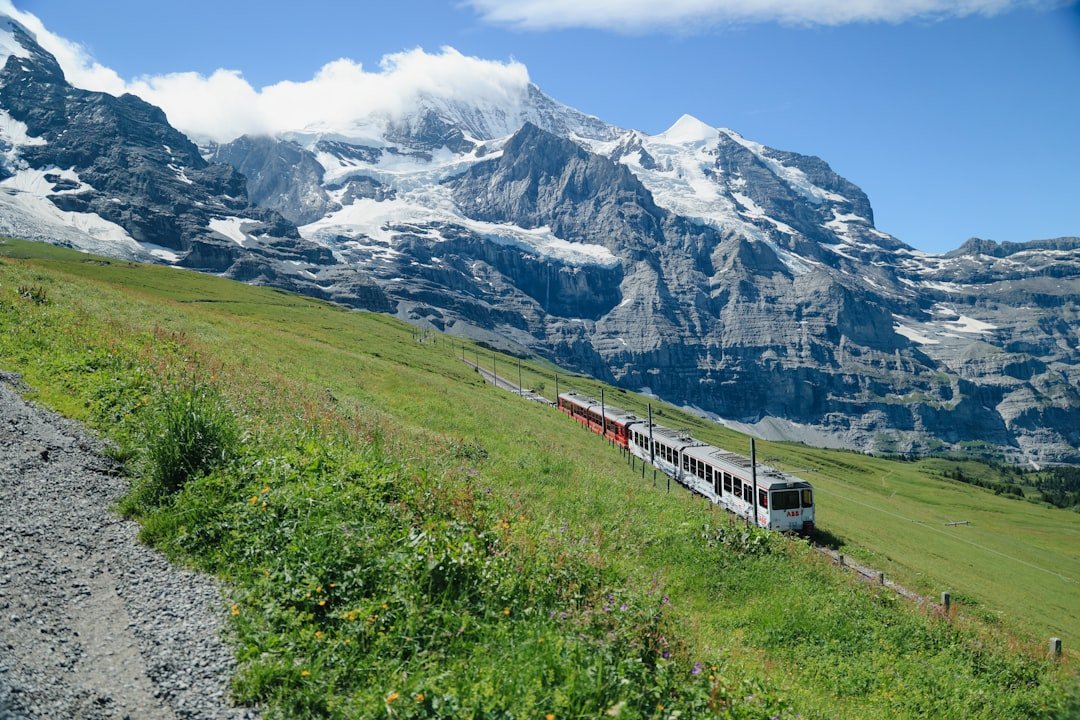
- Hiking and exploring towns can be inexpensive, while Jungfraujoch, Matterhorn Glacier Paradise, skiing, and other mountain trips can add CHF 100 or more to a single day.
- Prices vary by destination, season, availability, and booking date, so use the figures below as planning ranges rather than guaranteed prices.
Switzerland Travel Cost Per Day by Travel Style
The easiest way to build a Switzerland budget is to choose a travel style first. The following figures are planning ranges rather than official nationwide averages. Mid-range and higher budgets generally assume two people share a hotel room. Solo travelers may spend more per person because they cannot split the room cost.
| Travel Style | Planning Budget Per Person | Typical Approach |
| Budget | CHF 100-150/day | Hostel or simple guesthouse, supermarket meals, discounted public transport, free hikes, few paid mountain trips. |
| Mid-range | CHF 200-350/day | Shared mid-range hotel room, one or two restaurant meals, regular rail travel, and some paid attractions. |
| Comfort / Luxury | CHF 400+/day | Upscale hotels, restaurant dining, premium rail or transfers, and frequent mountain or guided experiences. |
Note: These are planning ranges, not fixed national averages. A ski day, luxury hotel night, private tour, or major mountain excursion can push one day’s spending far above your normal average.
Accommodation Costs in Switzerland
Accommodation is usually one of the largest parts of a Switzerland travel budget. Prices vary significantly by destination, season, room type, demand, and how far ahead you book. Zurich, Geneva, Lucerne, Interlaken, Zermatt, St. Moritz, and other popular destinations can become particularly expensive during busy periods.
A rough planning range of CHF 150-300 per night can still be useful for many mid-range double rooms, but it should not be treated as a national average. Current hotel listings on Switzerland Tourism show substantial differences between properties and destinations. Luxury rooms can easily exceed CHF 500 per night, while simpler hotels, guesthouses, and hostels may cost much less.
Budget travelers can sometimes find dormitory beds or simple rooms around CHF 50 or less, particularly outside the busiest dates, although prices rise quickly in popular Alpine destinations. Bed-and-breakfast properties and guesthouses can offer another middle ground between hostels and full-service hotels.
Camping can also reduce accommodation costs. Some campgrounds advertise modest per-person rates, but your final bill may include a pitch fee, electricity, vehicle charges, local visitor taxes, or other additions. A simple CHF 10-30 per-person figure therefore does not always represent the complete campsite cost.
Vacation apartments and chalets, including properties listed through platforms such as Airbnb, can be useful for families and groups. They also give you access to a kitchen, which may lower food spending. Always compare the complete checkout price because cleaning fees, service charges, and local taxes can affect the total.
Pro Tip: Compare the total trip cost rather than the room rate alone. A slightly more expensive hotel that includes breakfast, local transit benefits, or a central location may cost less overall than a cheaper room that requires extra transport and meals.
Transportation Expenses in Switzerland
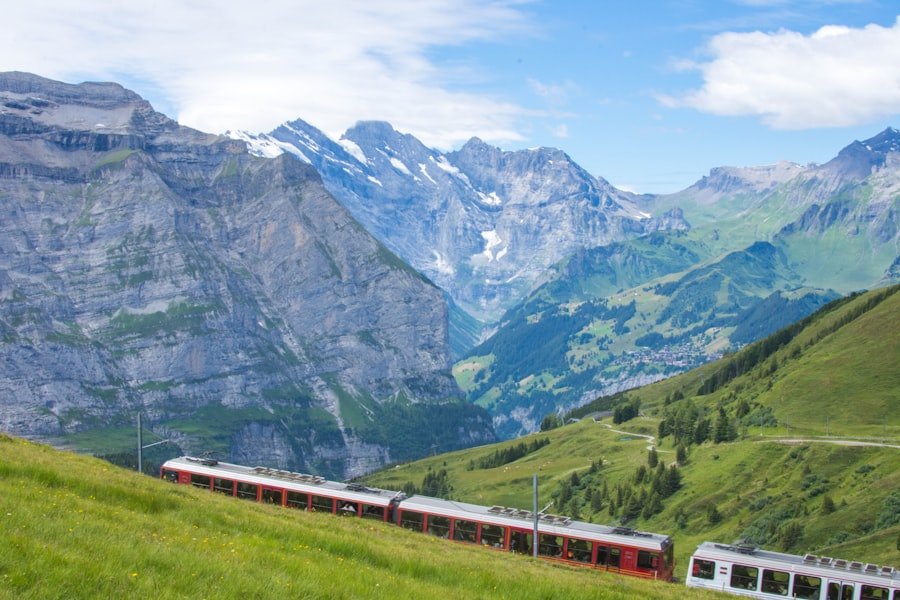
Switzerland has an extensive public transport network, so many visitors can travel comfortably without renting a car. Trains, buses, boats, local transit, and mountain transport are integrated well, but choosing the right ticket or pass can make a large difference to your total cost.
Swiss Travel Pass Prices in 2026
The Swiss Travel Pass is available to eligible visitors from abroad for 3, 4, 6, 8, or 15 consecutive travel days. Current adult 2nd-class prices are:
| Validity | Adult 2nd Class |
| 3 days | CHF 254 |
| 4 days | CHF 309 |
| 6 days | CHF 399 |
| 8 days | CHF 439 |
| 15 days | CHF 499 |
The pass covers extensive travel by train, bus, and boat and includes public transport in many Swiss towns and cities. It also provides benefits for museums and selected mountain excursions. Premium panoramic trains may still require a seat reservation or supplement, so “included” does not always mean every part of a journey is completely free.
Swiss Half Fare Card and Saver Day Pass
The Swiss Half Fare Card costs CHF 150 and is valid for one month. It allows visitors to buy many train, bus, boat, mountain railway, and gondola tickets at half price or another reduced rate.
Another option is the Saver Day Pass. Current prices start at CHF 29 in 2nd class for travelers with a Half Fare Travelcard and CHF 52 without one. The cheapest inventory is limited, so booking earlier can matter.
Families can also benefit from Swiss Family Card rules. When eligible parents buy a Swiss Travel Pass or Swiss Half Fare Card and add their children, their own children from age 6 to under 16 can travel free while accompanied by a parent. Children under 6 generally travel free without a ticket.
Car Rental, Parking, and Fuel
Renting a car gives you flexibility, especially in rural areas, but it adds several variable costs. Daily rental rates can sometimes fall around CHF 50-150 depending on vehicle type, dates, insurance, pickup location, and demand, but live quotes should always be checked before budgeting.
Urban parking can also be expensive. Hourly rates around CHF 2-4 may be encountered in some locations, while garages in major cities can cost more. Fuel is another significant expense and changes frequently, so an old nationwide figure such as CHF 1.60 per liter should not be relied on for a current trip budget.
For most itineraries built around Swiss cities, lakes, and major Alpine destinations, public transport is often easier than dealing with parking and mountain-road driving.
Food and Dining Costs in Switzerland
Switzerland is known for fondue, raclette, rösti, chocolate, pastries, and regional specialties, but eating every meal in a sit-down restaurant can quickly increase your daily budget.
According to Switzerland Tourism, set lunchtime menus commonly cost around CHF 25-30, while an evening main dish from an à-la-carte menu is generally around CHF 20-50. A multi-course fine-dining meal can easily exceed CHF 100 per person.
Fast-food restaurants, takeaways, department-store restaurants, bakeries, and casual eateries can be cheaper than conventional table-service restaurants. A simple quick-service meal may start around CHF 15, although prices depend on the location and what you order.
Grocery shopping at chains such as Coop and Migros is one of the easiest ways to reduce food costs. Bread, cheese, fruit, yogurt, prepared salads, sandwiches, and ready-to-eat meals can replace some restaurant meals. However, CHF 30-50 should be viewed as a modest supermarket allowance for several simple meals, not as a reliable nationwide estimate for a complete week’s food.
Local markets can also be enjoyable places to buy produce and regional specialties, although markets are not automatically cheaper than supermarkets. If your hostel, apartment, or chalet has a kitchen, cooking even one meal per day can noticeably reduce your total spending.
One restaurant dinner can cost as much as several simple supermarket meals, so food is one of the easiest categories to adjust when your Switzerland budget starts running high.
Sightseeing and Activity Costs in Switzerland
| Activity | Current Cost Guidance |
| Skiing in the Alps | Resort-specific. Current major-resort day passes can start around CHF 79-92 before equipment rental. |
| City Tour in Zurich | Rough planning range of CHF 20-50 per person for many standard group experiences; private tours can cost far more. |
| Boat Cruise on Lake Geneva | Route and ticket dependent; allow roughly CHF 30-80 for many sightseeing-style journeys and verify the chosen sailing. |
| Jungfraujoch | Official tickets currently advertised from CHF 129.60, with the final fare depending on route, discounts, season, and reservation requirements. |
| Matterhorn Glacier Paradise | Official return tickets currently advertised from CHF 120, with reductions available for some passholders and children. |
Switzerland has many free attractions, especially hiking trails, lakefront promenades, historic town centers, viewpoints that do not require mountain transport, and public parks. These can balance the cost of expensive Alpine excursions.
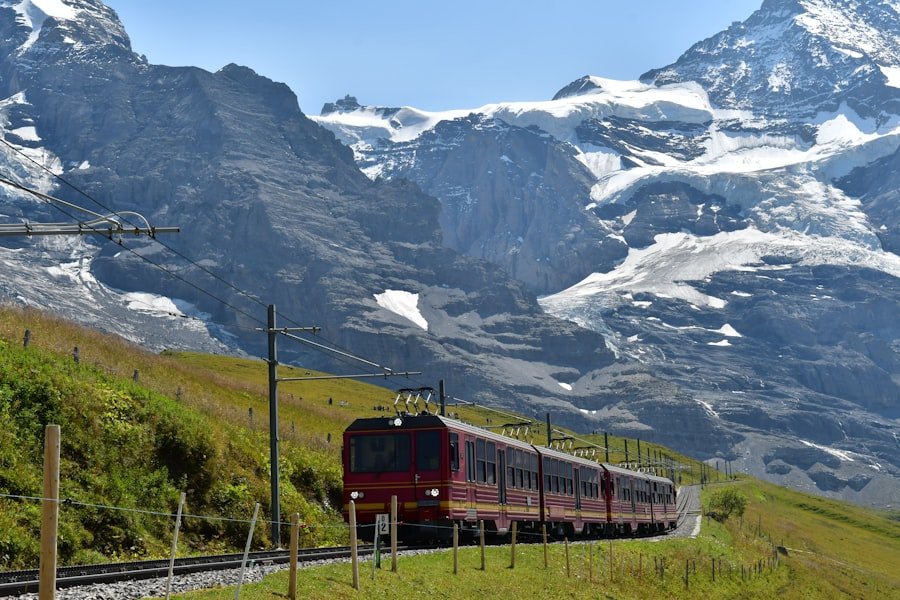
Major mountain attractions are a different category. The official Jungfraujoch ticket is currently advertised from CHF 129.60. Matterhorn Glacier Paradise currently advertises return tickets from CHF 120. Both can cost more depending on dates and options.
Museums commonly charge admission, although exact prices vary by institution. Some museums participate in Swiss Travel Pass benefits, and individual destinations may offer free or discounted entry through local guest cards.
Skiing and snowboarding can be especially expensive once you combine the lift pass, equipment rental, food on the mountain, transportation, and lessons. A lift ticket alone may start around CHF 79-92 at major resorts, while ski or snowboard rental can add another substantial daily cost.
Guided city tours and excursions also vary widely. A basic group walking tour might fit within a CHF 20-70 planning range, while private guides, specialty experiences, and full-day excursions can cost much more.
Warning: Do not build your entire trip budget from normal city days and then forget mountain transport. One Jungfraujoch, Matterhorn, ski, or premium excursion day can add well over CHF 100 per person.
Entertainment and Nightlife Expenses in Switzerland
Bars and clubs can make an evening surprisingly expensive. As a rough planning allowance, a beer may cost around CHF 6-12 and cocktails can fall around CHF 15-25, although fashionable venues and major cities may charge more.
Nightclubs may also charge entry fees, with CHF 10-30 being a useful planning range for many venues. At the same time, Swiss cities regularly host free concerts, festivals, outdoor events, and cultural programs, so nightlife does not always require a large budget.
Concert prices vary from modest local performances to international acts costing CHF 100 or more. Theater tickets may fall around CHF 30-80 for many performances, while premium seats and major productions can cost more.
Museums and galleries can provide cheaper evening entertainment, especially where discounted admission, free-entry periods, local guest cards, or Swiss Travel Pass benefits apply.
Shopping Costs in Switzerland
Shopping in Switzerland ranges from inexpensive supermarket chocolate to luxury watches costing thousands of francs. If shopping is an important part of your trip, it deserves its own budget rather than being hidden inside your normal daily allowance.
Swiss watches vary enormously in price. Some Swiss-made models begin in the hundreds of francs, while luxury mechanical watches can cost several thousand francs or far more depending on the brand, movement, materials, and craftsmanship.
For souvenirs, compare supermarkets, department stores, markets, specialist shops, and tourist-center retailers. Chocolates, cheeses, crafts, and packaged foods may be more affordable outside the most heavily visited souvenir shops.
Farmers’ markets and artisan fairs can be excellent places to find handmade products and regional foods, although they are not necessarily cheaper in every case. Outlet stores can also offer discounts on selected brands.
Tips and Tipping Etiquette in Switzerland
Tipping in Switzerland is less obligatory than in countries where service is added separately. Service is already included in restaurant and hotel prices, so you are not required to leave an additional percentage.
According to Switzerland Tourism, restaurant guests commonly round the bill or leave approximately 10% when they want to reward good service. It remains a voluntary gesture rather than a mandatory charge.
In cafes and bars, rounding up or leaving small change is common. In hotels, you may tip porters around CHF 1-2 per bag or leave a small amount for housekeeping when service has been especially helpful.
Taxi drivers do not require a separate tip, but rounding the fare is a simple way to show appreciation for good service.
Currency, Cards, and Small Extra Costs
Switzerland uses the Swiss franc, abbreviated CHF. Using CHF for your travel budget avoids confusion caused by daily exchange-rate changes between the franc, U.S. dollar, euro, pound, and other currencies.
Credit and debit cards are widely accepted, but carrying a modest amount of Swiss-franc cash is useful for small purchases, mountain huts, local markets, or places where cards may be inconvenient.
Also watch for costs that may not be obvious in the first advertised price, including local visitor taxes, hotel parking, seat reservations on premium panoramic trains, luggage services, rental-car insurance, cleaning fees on apartments, ski-equipment rental, and mountain-rail supplements.
Sample Daily Switzerland Budgets
The following examples show how individual expenses can combine. They are illustrations rather than guaranteed prices.
Budget Day: About CHF 130
- Hostel or simple accommodation: CHF 55
- Supermarket food, bakery breakfast, and takeaway: CHF 35
- Local transport or discounted rail: CHF 30
- Free hiking plus a small paid attraction or coffee: CHF 10
Estimated total: CHF 130 per person.
Mid-Range Day: About CHF 290
- Share of a CHF 240 hotel room for two people: CHF 120
- Breakfast, lunch, dinner, and drinks: CHF 75
- Rail and local transport: CHF 45
- Museum, boat trip, or other paid activity: CHF 50
Estimated total: CHF 290 per person.
A day that includes Jungfraujoch, Matterhorn Glacier Paradise, skiing, or a premium guided tour could easily push the same traveler well above this amount.
Budget-Friendly Travel Tips for Switzerland
Traveling through Switzerland on a budget takes planning, but it is entirely possible. Start by comparing the Swiss Travel Pass, Swiss Half Fare Card, Saver Day Pass, and ordinary point-to-point tickets against your actual itinerary rather than automatically assuming one pass is cheapest.
Use free attractions strategically. Hiking trails, lakefront walks, parks, historic centers, viewpoints, and scenic villages can fill entire days with little or no admission cost.
When dining out, look for a “Mittagsmenu” or set lunch. Lunch specials can cost less than a comparable evening meal. Supermarket prepared foods, local bakeries, department-store restaurants, and self-catering also help reduce food spending.
Travel dates matter, but there is no single cheap season for every Swiss destination. Ski resorts can be expensive during winter holidays, while lake and mountain destinations may peak in summer. Some shoulder-season dates offer lower accommodation rates, but cable cars, mountain railways, hotels, or attractions may also have reduced schedules or close temporarily. Compare your exact dates before booking.
Booking rail saver products and accommodation early can reduce costs during popular periods. However, always check cancellation terms before choosing the cheapest non-refundable option.
Pro Tip: Before buying any rail pass, list every expensive train and mountain journey in your itinerary. Compare that total with the pass price and the discounts it provides. The cheapest option for a traveler making daily long-distance trips may be completely different from the cheapest option for someone staying four nights in one town.
When planning a trip to Switzerland, it is essential to consider accommodation, dining, transportation, sightseeing, and activities together rather than judging the trip by hotel prices alone. A daily budget also becomes much more useful when you separate normal sightseeing days from expensive mountain or ski days.
For those who also enjoy reading about unusual foods and ingredients, the site’s separate article on Exploring the Delightful World of Asian Melon offers a different food-focused topic.
Frequently Asked Questions
What is the average travel cost per day in Switzerland?
There is no single official average that fits every traveler. A useful planning target is roughly CHF 100-150 per person per day for strict budget travel, CHF 200-350 for a mid-range trip, and CHF 400 or more for comfort or luxury. Major mountain excursions can push an individual day much higher.
What factors can affect the travel cost per day in Switzerland?
The biggest factors are accommodation type, whether you travel solo or share a room, restaurant habits, rail-ticket choices, destination, season, and the number of paid mountain excursions, ski days, guided tours, or premium activities in your itinerary.
What is the average cost of accommodation in Switzerland?
Accommodation varies too widely for one dependable national average. A CHF 150-300 nightly planning range can cover many mid-range double rooms, but popular resorts and major cities can cost considerably more. Hostels and guesthouses can be cheaper, while luxury hotels can exceed CHF 500 per night.
How much does food cost in Switzerland?
Switzerland Tourism lists set lunch menus around CHF 25-30 and evening à-la-carte main dishes around CHF 20-50. Budget travelers can spend less by using supermarkets, bakeries, takeaways, department-store restaurants, and self-catering accommodation.
What is the cost of transportation in Switzerland?
It depends on your itinerary. In 2026, the adult 2nd-class Swiss Travel Pass starts at CHF 254 for 3 consecutive days. The Swiss Half Fare Card costs CHF 150 for one month, and Saver Day Passes start at CHF 52 without a Half Fare Travelcard or CHF 29 with one. Individual train fares vary by route and ticket type.
Are there any tips for saving money on travel in Switzerland?
Compare rail passes against your actual itinerary, book saver fares early when practical, choose hostels or apartments, shop at supermarkets, use lunch menus instead of restaurant dinners, mix expensive mountain excursions with free hiking days, and compare accommodation across several dates and nearby towns.
Is the Swiss Travel Pass always the cheapest option?
No. It can be convenient and valuable for travelers making frequent long-distance journeys, but the Swiss Half Fare Card, Saver Day Passes, Supersaver tickets, regional passes, or normal point-to-point tickets may cost less for some itineraries. Compare your planned journeys before buying.
How much should I tip in Switzerland?
Tipping is not mandatory because service is included. If you receive good service, rounding up the bill is common, and Switzerland Tourism notes that a tip of about 10% is customary in many restaurants. Small tips for hotel staff or rounding a taxi fare are also optional.
Should I carry cash or use a card in Switzerland?
Cards are widely accepted, but carrying some Swiss-franc cash is useful for small purchases, markets, mountain huts, or situations where card payment is inconvenient. Build your budget in CHF so exchange-rate changes do not make your daily estimates confusing.
Sources
- SBB: Swiss Travel Pass – pass validity, coverage, family benefits, and travel conditions.
- SBB: Saver Day Pass – current Saver Day Pass starting prices and booking conditions.
- Switzerland Tourism: Restaurant Costs – current guidance for lunch menus and evening restaurant prices.
- Switzerland Tourism: Tipping – official guidance on tipping customs.
- Jungfrau Railways: Jungfraujoch Tickets – current published Jungfraujoch starting price.
- Zermatt Bergbahnen: Matterhorn Glacier Paradise – current published ticket price and reductions.