Switzerland gives you an unusual amount of photographic variety in a compact country: sharp Alpine peaks, waterfall-filled valleys, blue lakes, medieval streets, castles, mountain villages, and modern city art. I find the strongest photos come from choosing a recognizable setting, arriving when the light and crowds are manageable, and giving each location enough time instead of rushing from viewpoint to viewpoint.
Quick Answer
Some of the best Instagram spots in Switzerland include the Matterhorn around Zermatt, Lauterbrunnen Valley, Chapel Bridge in Lucerne, Bern’s Old City, Lake Geneva, Lake Lucerne, Chillon Castle, Rhine Falls, Grindelwald, and Gimmelwald. Visit early or late in the day for softer light and fewer people.
Key Takeaways
- For classic Alpine images, prioritize the Matterhorn, Lauterbrunnen Valley, Grindelwald, Mürren, and Gimmelwald.
- For historic architecture, photograph Lucerne’s Chapel Bridge, Bern’s Old City, and Chillon Castle beside Lake Geneva.
- Lake Geneva and Lake Lucerne work well for reflections, mountain backdrops, waterfront scenes, and blue-hour photography.
- Early morning and late afternoon often give you softer light and make popular locations easier to photograph.
- Stay on permitted paths, respect residents and private property, and check current Swiss drone restrictions before flying.
Swiss Alps and Mountain Views
The Swiss Alps are the obvious starting point when I think about Instagram spots in Switzerland. Instead of treating the entire mountain range as one photo location, however, it helps to choose a recognizable landscape and plan around it.
The Matterhorn is one of the strongest choices. Its distinctive silhouette dominates many views around Zermatt, while higher viewpoints and mountain railways can give you a broader Alpine composition. Clouds can hide the summit quickly, so I would avoid building an entire photo day around a single five-minute stop.
Lauterbrunnen offers a very different scene. According to Switzerland Tourism, the valley is known for its steep rock walls, numerous waterfalls, and access to mountain villages including Wengen and Mürren. This makes it especially useful if you want waterfalls, green valley floors, cliffs, chalets, and snow-covered peaks in the same area.
Lauterbrunnen is promoted as a valley of 72 waterfalls, giving photographers far more to work with than a single famous viewpoint.
Pro Tip: Give mountain locations a time buffer. A peak hidden by cloud when you arrive may become visible later, and changing weather can produce more dramatic photographs than a perfectly clear sky.
Charming Old Towns
Switzerland’s historic centers give you a completely different look from the Alps. Narrow streets, bridges, fountains, sandstone buildings, painted facades, and riverside scenes can be easier to photograph when mountain weather is poor.
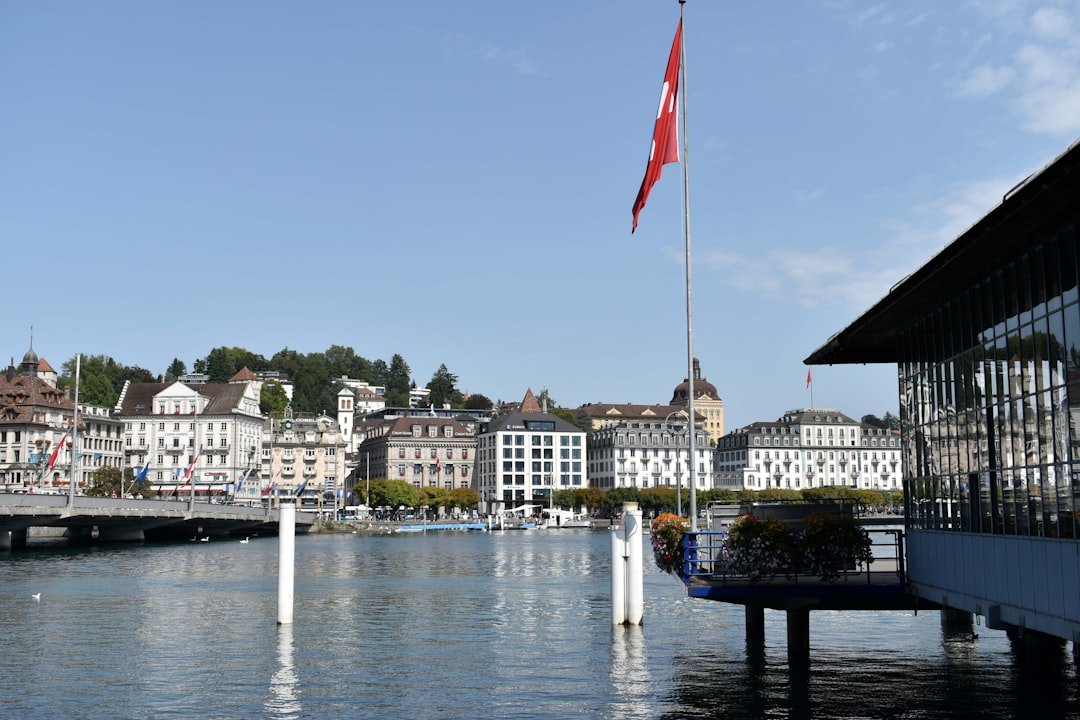
Lucerne is an excellent place to start. The city’s Chapel Bridge crosses the Reuss and forms one of Switzerland’s most recognizable urban compositions with its nearby Water Tower. Switzerland Tourism specifically recommends early morning or late evening if you want to avoid larger crowds.
Bern gives you a larger medieval cityscape. Its Old City has been on UNESCO’s World Heritage List since 1983. The sandstone buildings, covered arcades, historic fountains, Zytglogge area, rooftops, and bends of the Aare create opportunities for both street-level details and wider city views.
I would photograph these old towns slowly rather than treating them as a checklist. Doorways, signs, window boxes, café scenes, bridge reflections, and architectural details often create stronger images than one crowded landmark shot.
Crystal Clear Lakes
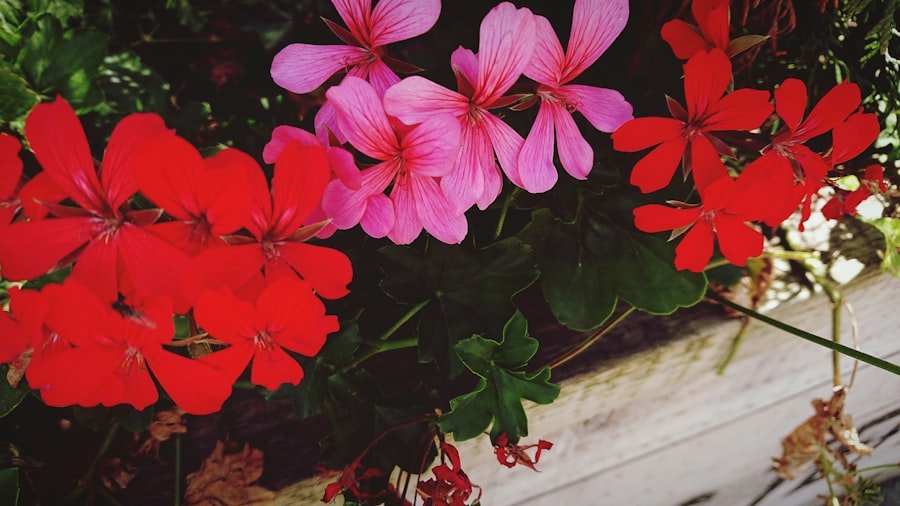
Lake Geneva and Lake Lucerne give you two of the most flexible photography settings in Switzerland. You can frame water against mountains, photograph boats and waterfront architecture, or use calmer conditions for reflections.
Lake Geneva, or Lac Léman, connects several very different landscapes, including Geneva, Lausanne, the Montreux Riviera, Chillon Castle, and the vineyard terraces around Lavaux. That variety makes it useful when you want a mix of urban, cultural, and landscape photography without relying entirely on high-altitude excursions.
Lake Lucerne offers another strong combination of city, lake, and mountains. A lakeside walk lets you keep the city in the frame, while a boat ride can open wider views toward the surrounding peaks.
Note: Mirror-like reflections depend on wind and weather. If reflections are important to your shot, keep your plan flexible rather than assuming the lake will be perfectly still at a specific hour.
Iconic Landmarks for Switzerland Photos
A landmark works best on Instagram when the surrounding landscape is part of the composition. These four Swiss locations give you noticeably different visual styles:
| Landmark | Area | Photo Idea |
| Matterhorn | Zermatt | Frame the peak with alpine terrain, a trail, village roofs, or water reflections. |
| Chapel Bridge | Lucerne | Use the Reuss riverbank to include the bridge, Water Tower, and Old Town. |
| Chillon Castle | Montreux Riviera | Photograph the castle together with Lake Geneva and the surrounding mountains. |
| Rhine Falls | Near Schaffhausen | Use wider compositions to show the scale of the falls and surrounding landscape. |
The Matterhorn gives you the classic mountain silhouette, while Lucerne’s bridge provides an architectural city scene. Chillon Castle combines medieval architecture with Lake Geneva, and Rhine Falls provides a powerful water landscape.
At Chillon, I especially like the idea of stepping back and letting the lake and mountains remain visible instead of filling the entire frame with the castle. The setting is a major part of what makes the landmark recognizable as a Swiss travel image.
Urban Street Art
Switzerland is not limited to pristine mountains and medieval streets. Urban art can add stronger colors, graphic lines, and contemporary culture to a photo collection.
Basel is the clearest example. Basel Tourism documents murals and graffiti in several parts of the city, including areas near the railway tracks, the harbour, and other established urban-art locations. Because murals can change, an official current guide is more useful than relying on an old list of individual artworks.
Zurich can also give you modern urban backgrounds, but I would treat street art as something to explore rather than promising that a specific mural will still exist. Temporary artwork, construction, repainting, and redevelopment can quickly change a street-art photo spot.
Pro Tip: For murals and graffiti, use a person or architectural element for scale but avoid blocking pavements, doorways, cycle lanes, or business entrances while composing the shot.
Quaint Swiss Villages
Mountain villages are some of my favorite Switzerland photo settings because the architecture and landscape naturally work together. Instead of photographing only chalets, try to show how the village sits beneath the surrounding mountains.
Grindelwald sits in the Jungfrau Region at the foot of the Eiger and combines traditional wooden buildings with dramatic Alpine scenery. It works well when you want a village with substantial visitor infrastructure and easy access to mountain excursions.
Gimmelwald is smaller and car-free, with traditional chalets, barns, farm scenery, and mountain surroundings in the Lauterbrunnen Valley. Nearby Mürren is another car-free mountain village with views toward the Eiger, Mönch, and Jungfrau.
Warning: Picturesque villages are living communities, not outdoor photo studios. Stay on public paths, respect private homes and farmland, do not enter fields for a better angle, and avoid blocking residents, farm vehicles, or narrow lanes.
Flower-filled Meadows
Flower-filled landscapes can add a completely different color palette to a Switzerland photo itinerary, but bloom timing is highly dependent on elevation, location, and the year’s weather.
Rather than planning around a promise that every Alpine meadow will peak in the same month, choose a region and check local conditions shortly before your visit. One well-documented seasonal example is the area above Montreux and Vevey, where Switzerland Tourism highlights daffodil-covered meadows during spring.
When photographing flowers, I prefer a wider composition that includes the landscape rather than walking deep into a meadow simply to surround the camera with blooms. A low viewpoint from an established path can often create the same effect without trampling vegetation.
Architectural Marvels
Switzerland’s architecture gives you much more than traditional chalets. Historic bridges, medieval centers, castles, museums, and modern urban buildings can all work as strong photography subjects.
For architecture that is unquestionably within Switzerland, Bern’s UNESCO-listed Old City, Lucerne’s Chapel Bridge, Chillon Castle, and Basel’s mix of historic and contemporary buildings are better fits for this article than international landmarks.
One location needs an important correction: the Vitra Campus is often associated with a Basel trip, but it is not in Switzerland. The Vitra Campus is in Weil am Rhein, Germany, near Basel. Its buildings and museums can make an excellent architecture-focused cross-border side trip, but I would not label it an Instagram spot in Switzerland.
Note: If your goal is a strictly Switzerland-only photo itinerary, keep Vitra Campus off the list and spend that time photographing Basel, Bern, Lucerne, or Chillon instead.
Best Time to Photograph Switzerland
The best time depends more on the subject and conditions than on one universal hour. I use these simple rules when planning photography:
- Early morning: Often the easiest time for quieter streets, bridges, village centers, and popular viewpoints.
- Late afternoon: Lower-angle light can add shape and texture to mountains and architecture.
- Blue hour: Particularly useful in cities such as Lucerne and Bern, where illuminated buildings contrast with the remaining color in the sky.
- Overcast conditions: Useful for waterfalls, forests, street scenes, and details because harsh shadows are reduced.
- After changing weather: Broken clouds, fresh snow, mist, or shafts of sunlight can make Alpine landscapes much more dramatic.
For famous locations, good light is only half the equation. Crowd levels can matter just as much. Arriving earlier than organized day-trip groups or staying later can give you a cleaner composition without needing to remove people from every photograph.
How to Plan a Switzerland Instagram Photo Route
You do not need to photograph every famous location in one trip. A stronger plan groups compatible places together.
- Lucerne-focused trip: Combine Chapel Bridge, Old Town streets, the Reuss, Lake Lucerne, and surrounding mountain scenery.
- Bernese Oberland trip: Use Lauterbrunnen, Grindelwald, Mürren, Gimmelwald, waterfalls, mountain viewpoints, and Alpine villages as one photography region.
- Lake Geneva trip: Combine Geneva or Lausanne with the lake, Montreux, Chillon Castle, and nearby vineyard landscapes.
- Zermatt trip: Build the day around Matterhorn views while allowing extra time in case clouds temporarily cover the peak.
- City-focused trip: Mix Bern’s historic architecture with Basel’s contemporary art and urban scenes.
This approach gives each set of images a clearer visual story and reduces the temptation to spend most of your day traveling between distant photo stops.
Photo Etiquette, Safety, and Drone Rules
The most photogenic viewpoint is not worth damaging a meadow, entering private property, standing in traffic, or getting too close to an exposed edge. Mountain conditions can also change quickly, so footwear, trail conditions, visibility, and weather should matter more than recreating a particular social-media composition.
If you plan to use a drone, check the latest rules from the Swiss Federal Office of Civil Aviation. FOCA prohibits open-category flights over assemblies of people and requires pilots to follow the applicable operating limitations. Switzerland also has geographical areas where drone use is restricted or prohibited.
Warning: Never assume that a scenic location is automatically legal for drone flight. Check FOCA’s current geographical restrictions before each flight and follow any additional local rules at protected areas, attractions, and populated locations.
A strong Switzerland photo collection does not require chasing every famous Instagram composition. The Matterhorn, Lauterbrunnen, Lucerne, Bern, Lake Geneva, Chillon, Basel, and the Alpine villages already provide dramatically different settings. Choosing fewer places, working with the available light, and respecting the landscape usually produces better memories as well as better photographs.
Frequently Asked Questions
What are the best Instagram spots in Switzerland?
Popular choices include the Matterhorn around Zermatt, Lauterbrunnen Valley, Chapel Bridge in Lucerne, Bern’s Old City, Lake Geneva, Lake Lucerne, Chillon Castle, Rhine Falls, Grindelwald, Mürren, and Gimmelwald. The best choice depends on whether you want mountains, villages, lakes, architecture, waterfalls, or city scenes.
What is the best time of day to take photos in Switzerland?
Early morning is useful for quieter popular locations, while late afternoon often gives mountains and buildings softer, lower-angle light. Blue hour can work especially well in historic cities. Weather matters, so stay flexible when photographing Alpine scenery.
Which season is best for Instagram photos in Switzerland?
There is no single best season. Spring can bring blossoms and lower-elevation flowers, summer offers green landscapes and broad hiking access, autumn adds changing foliage, and winter creates snow-covered mountain and village scenes. Conditions vary strongly by elevation, so check the specific destination before your visit.
How can I avoid crowds at popular Switzerland photo spots?
Arrive early, stay later in the day, visit on weekdays when possible, and spend time walking beyond the first obvious viewpoint. Even at famous landmarks, changing your position or waiting a few minutes can produce a cleaner and more original composition.
Can I fly a drone at Instagram spots in Switzerland?
Not automatically. Swiss drone operations are subject to federal flight rules, geographical restrictions, operating-category requirements, and sometimes additional local restrictions. Check the current Federal Office of Civil Aviation information and restriction map before every flight rather than relying on an old travel article or social-media post.
What should I bring for photography in Switzerland?
A phone or camera, spare battery or power bank, lens cloth, weather protection, comfortable footwear, and enough storage will cover most travelers. For mountain locations, appropriate clothing and footwear are more important than carrying extra photography equipment.
Sources
- Switzerland Tourism: Top Attractions – supports major Swiss landmark and destination recommendations.
- Switzerland Tourism: Lauterbrunnen – supports Lauterbrunnen Valley, waterfall, and mountain-village information.
- Switzerland Tourism: Old City of Bern – supports Bern’s historic and UNESCO World Heritage status.
- Chillon Castle Foundation – supports information about Chillon Castle and its Lake Geneva setting.
- Vitra Campus – confirms that the campus is in Weil am Rhein, Germany, near Basel.
- Swiss Federal Office of Civil Aviation – supports current Swiss drone-planning and regulatory guidance.