Public toilets in Switzerland are generally easy to find in city centers, railway stations, parks, and major tourist areas. However, they are not all free or open around the clock. Fees, payment methods, opening hours, accessibility, and available amenities vary by city and facility, so checking an official map before you travel can save time.
Quick Answer
Switzerland has clean public toilets at many railway stations, parks, shopping areas, and tourist sites. Some municipal toilets are free, while others cost about CHF 1 to CHF 1.50. Opening hours vary. Official city maps and SBB station pages provide the most reliable location, accessibility, payment, and opening-hour information.
Key Takeaways
- Public toilets are common in city centers, railway stations, parks, and busy visitor areas, but availability is not identical across Switzerland.
- Some city toilets are free. Paid facilities commonly charge about CHF 1 to CHF 1.50.
- Do not assume a toilet is open 24 hours. Check the individual facility’s posted hours or official online listing.
- Many newer facilities accept cards and mobile payments, but carrying a payment card and a few Swiss francs is still useful.
- Travelers with disabilities can use the Eurokey map and app to locate participating accessible toilets and other facilities.
- Family toilets, changing tables, gender-neutral cubicles, and showers are available at selected locations, especially larger railway stations.
Where to Find Public Toilets in Switzerland
You will usually find public toilets near major railway stations, central squares, parks, lakeside promenades, public transport hubs, shopping centers, museums, and popular tourist attractions. Smaller villages and rural railway stops may have fewer options, so it is wise to plan ahead when traveling outside major towns.
The most reliable way to find a toilet is to use the official map or facility page provided by the city or transport operator:
- Zurich: The ZüriWC map shows locations, opening hours, wheelchair accessibility, and changing tables. Zurich operates more than 100 public toilet facilities.
- Basel: The Basel-Stadt toilet map includes standard toilets, wheelchair-accessible facilities, urinals, showers, seasonal toilets, and temporary closures.
- Lucerne: The City of Lucerne toilet service provides locations, opening hours, closures, wheelchair access, and information about participating restaurants and cafés.
- Bern: The city’s Geoportal includes a public-toilet map for Bern and the surrounding area.
- Railway stations: Use the SBB station finder to see whether a station has toilets and to check its listed opening hours and services.
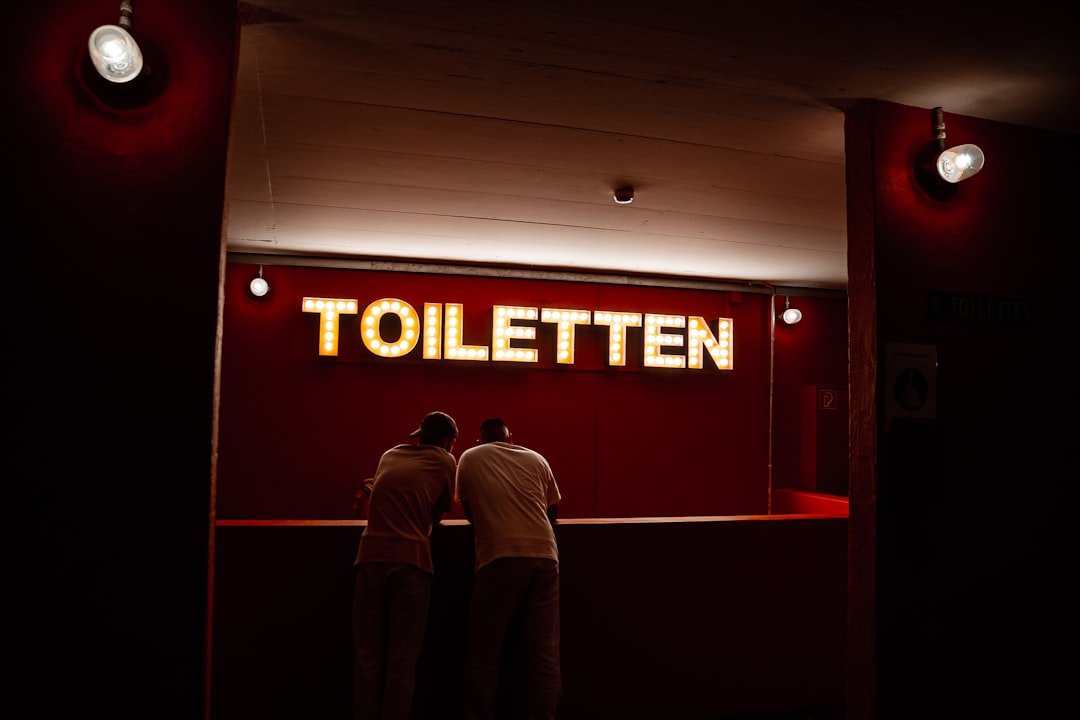
Look for signs marked WC. Depending on the region, you may also see Toiletten in German-speaking areas, toilettes in French-speaking areas, or servizi igienici in Italian-speaking areas.
Pro Tip: Save the relevant city toilet map on your phone before sightseeing. This is especially useful when traveling with children, managing a medical condition, or visiting an area where mobile reception may be weak.
Are Public Toilets in Switzerland Free?
Some public toilets are free, while others require a small entrance fee. There is no single nationwide price for every municipal, railway, or privately operated facility.
| Facility or operator | Typical published charge | Important details |
|---|---|---|
| Zurich municipal toilets | Usually free for unattended facilities; CHF 1 for staffed and designated wheelchair-accessible facilities | Cashless payment is being expanded. Check the individual ZüriWC listing. |
| Basel municipal toilets | Free | Basel reports more than 93 public toilet facilities. |
| Lucerne municipal toilets | Free | The city also works with participating restaurants and cafés. |
| SBB modular toilets | CHF 1 | These are planned for smaller stations and stops that have toilet facilities. |
| SBB WC and hygiene centers | CHF 1.50 | Facilities and opening hours vary by station. |
| SBB showers | CHF 12 | Available only at selected larger stations. |
SBB is standardizing many of its toilet prices and expanding cashless access. At participating facilities, you may be able to pay with a debit card, credit card, or mobile payment service. SBB also sells prepaid toilet access cards at nearby Selecta machines for travelers who need to pay with cash.
Note: Prices can change, and independently operated toilets may use different fees. Always follow the amount displayed at the entrance.
Opening Hours and Availability
Public toilets in Switzerland do not follow one national schedule. Some automated facilities remain open all day and night, while toilets in parks, stations, shopping areas, or staffed buildings may close in the evening.
Even toilets within the same railway station can have different opening hours. SBB listings may also state that times are provided without guarantee, so temporary closures and maintenance work are possible.
Demand also changes by season. Basel, for example, supplements permanent toilets with seasonal containers and mobile urinals from March to November. Cities may add temporary facilities during festivals, national celebrations, sporting events, or busy summer periods.
Check the official map shortly before your visit rather than relying on an old blog post, saved screenshot, or crowdsourced listing.
Cleanliness and Hygiene Standards
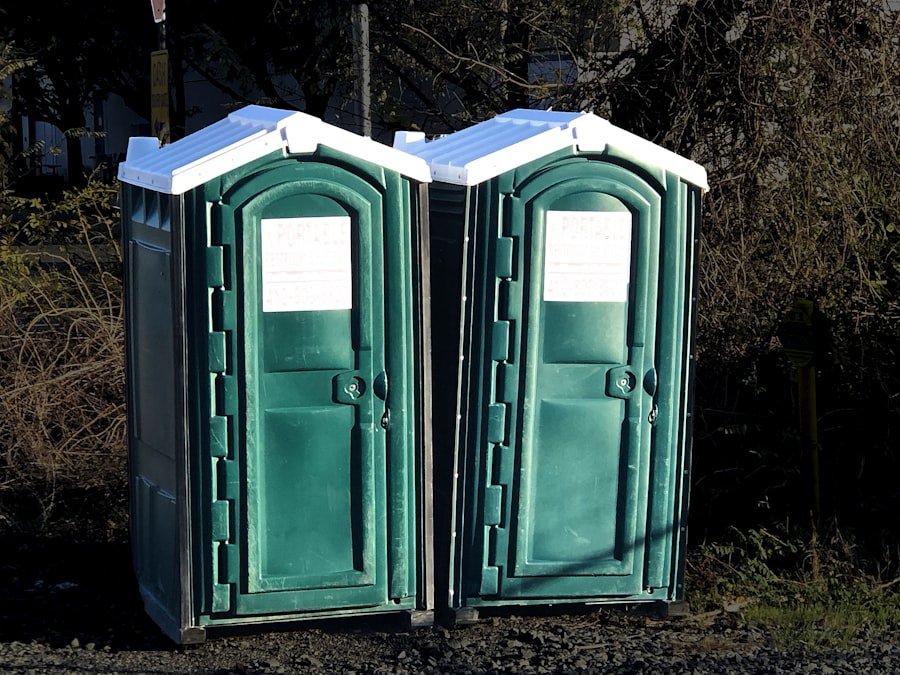
Swiss public toilets often have a good reputation for cleanliness, but conditions can still vary by location, time of day, visitor volume, and maintenance schedule. A busy station toilet during a major event may not feel the same as a lightly used neighborhood facility.
Official city programs provide useful examples of how maintenance is handled:
- Zurich states that its unattended ZüriWC facilities are cleaned daily, while several staffed central facilities receive continuous attention during opening hours.
- Basel reports that its conventional toilets are cleaned at least once per day. Its self-cleaning toilets run an automatic cleaning process after each use.
- Lucerne states that central-city toilets are cleaned at least twice per day, with heavily used facilities cleaned three times per day.
Easy-to-clean surfaces, improved lighting, touch-free fixtures, and automated flushing are present at some modern or renovated facilities. However, these features should not be assumed at every toilet.
The Swiss Federal Office of Public Health recommends washing your hands thoroughly with soap after using the toilet. See its handwashing guidance for basic hygiene advice.
Warning: If a facility has no running water, no soap, visible contamination, or damaged equipment, use another toilet when possible and report the problem to the operator.
Accessible Toilets and Eurokey
Accessibility varies between older and newer facilities. An accessible toilet may include step-free entry, a wider door, enough turning space for a wheelchair, grab rails, an accessible sink, and controls positioned within reach.
Switzerland’s Disability Discrimination Act applies to qualifying publicly accessible buildings and facilities that were constructed or renovated after the law took effect. Cantonal and municipal building rules also play an important role in how accessibility requirements are implemented. The Federal Bureau for the Equality of People with Disabilities explains the law’s scope.
Many accessible toilets and other special facilities use Eurokey. This universal key gives eligible people access to participating toilets, lifts, changing rooms, and similar installations that must remain locked for operational or security reasons.
The official Eurokey website provides an online location map and information about its free smartphone app. The app can help users find participating facilities while traveling.
At selected SBB stations, the standard toilet may require payment while a separate accessible cabin can be opened free of charge with Eurokey. Check the station’s individual listing because arrangements differ.
Pro Tip: Travelers who qualify for Eurokey should arrange the key before their trip. Do not depend on finding an employee who can unlock a facility after arrival.
Technology and Self-Cleaning Toilets
Some Swiss cities use self-cleaning public toilets, but they are not the standard at every location. Basel provides one of the clearest documented examples. The canton reports approximately 33 self-cleaning toilet facilities that run an automatic cleaning process after each use.
Basel also states that the doors can always be opened from inside and that the facilities have backup batteries so they can continue operating during a power failure.
Other technology may include automatic flushing, touch-free faucets, contactless payment, improved lighting, and monitored entrance areas. SBB says its renovated station toilets are being designed with accessible entrances, easy-to-clean materials, better lighting, and improved safety features.
Official digital tools mainly help users find locations and review details such as opening hours, wheelchair access, changing tables, and closures. You should not assume that a map provides live occupancy or a real-time cleanliness score unless it clearly says so.
Environmental Sustainability
Environmental measures differ between cities and individual projects. Water-saving fixtures, efficient lighting, durable materials, and carefully planned cleaning routes can reduce the environmental cost of operating a public toilet.
Lucerne provides several specific examples. The city says its toilet-cleaning service uses recycled paper and environmentally preferable hand soap and cleaning products. It also planned to introduce four electric service vehicles from 2026 and uses environmentally preferable mobile toilet options where practical.
Zurich is also testing a more experimental approach. At the Schindlergut public toilet, the city and the Swiss aquatic research institute Eawag have tested technology that processes collected urine into plant fertilizer.
These examples show that sustainable public sanitation can involve more than reduced water use. It can also include cleaning materials, transport, waste recovery, building durability, and the way temporary facilities are operated.
Maintenance and Reporting Problems
Municipal authorities, transport operators, contractors, or private partners may be responsible for maintaining a facility. Their work can include cleaning, restocking toilet paper and soap, removing waste, repairing doors, clearing blocked toilets, maintaining payment systems, and checking accessible equipment.
Temporary closures can occur because of vandalism, plumbing problems, weather damage, construction, or scheduled renovation. Official maps may mark a closed facility or provide contact details for reporting a problem.
If you find a damaged or dirty toilet:
- Check the entrance, map listing, or payment screen for the operator’s contact details.
- Provide the exact location and describe the problem clearly.
- Report a broken Eurokey facility through the official Eurokey map or app.
- For an SBB station toilet, use the contact information shown on the station or toilet listing.
- Do not attempt to repair a lock, payment terminal, electrical fixture, or automated cleaning system yourself.
Design and Architecture
Swiss public toilets range from simple modular units to permanent buildings integrated into railway stations, parks, historic centers, and waterfront areas. Their appearance and layout depend on the setting, construction date, visitor numbers, available space, and local planning requirements.
Modern designs increasingly focus on step-free access, clear signs, durable surfaces, better lighting, family use, and easier maintenance. Lucerne is converting many facilities into accessible, age-friendly, gender-neutral universal toilets.
Historic buildings and dense old-town areas can be harder to adapt because of narrow entrances, stairs, limited interior space, or preservation requirements. Travelers who need a specific accessibility feature should therefore check the listed facility details instead of assuming that every central toilet is fully accessible.
Amenities and Features
The amenities available depend on the facility. A basic public toilet may provide only a toilet, sink, soap, and hand-drying equipment. Larger facilities may offer more.
SBB’s current station-toilet program describes three general levels of service:
- Large stations: Hygiene centers may include travel toilets, family toilets, changing tables, personal-care areas, and showers.
- Medium-sized stations: WC centers may include gender-neutral cubicles, urinals, and changing tables.
- Smaller stations: Modular facilities may include a toilet, urinal, and changing table and may remain open around the clock.
Municipal maps sometimes identify changing tables, wheelchair access, showers, and other features. Check the exact listing if you need a family toilet, adult changing facility, shower, or step-free entrance.
Free Wi-Fi, charging outlets, and other electronic services should not be expected inside a public toilet unless the facility specifically advertises them.
Partner-Business Toilet Programs
Some Swiss cities increase toilet availability by working with restaurants, cafés, and shops. Participating businesses allow members of the public to use their toilets during business hours without requiring a purchase.
Basel and Lucerne both use programs commonly called Nette Toilette, meaning “nice toilet.” Participating businesses display a sign near the entrance and appear in the relevant city information or app.
These programs are useful when a municipal toilet is far away or closed. However, access is limited to the business’s opening hours, and not every restaurant or café participates. Look for the official program sticker instead of assuming that any private business must provide access.
Public-Toilet Etiquette in Switzerland
Good public-toilet etiquette in Switzerland is similar to that in other European countries:
- Pay the displayed entrance fee before entering.
- Leave the toilet reasonably clean for the next person.
- Place waste in the correct bin rather than on the floor.
- Do not flush wipes, sanitary products, diapers, or other items unless the facility specifically allows it.
- Give priority to people who need an accessible toilet when other cubicles are available.
- Supervise young children and leave changing areas clean.
- Respect closed areas and do not force locked doors.
- Avoid occupying a cubicle longer than necessary when people are waiting.
Tipping is not generally required at an automated or fixed-fee public toilet. If an attendant provides an optional personal service, you may choose to tip, but it is not a standard obligation.
Practical Tips for Travelers
- Plan before a long journey: Confirm that your departure, transfer, and arrival stations have toilets.
- Check opening hours: A toilet shown on a map may close at night or during maintenance.
- Carry more than one payment option: A debit or credit card, mobile payment method, and a few Swiss francs can cover most situations.
- Traveling with children: Look for a changing-table or family-toilet symbol on the city or SBB map.
- Managing an urgent medical need: Save several nearby locations instead of relying on one facility.
- Visiting rural areas: Use a toilet at a larger station, visitor center, restaurant, or museum before starting a walk.
- Ask politely: Staff at a station, museum, café, hotel, or tourist office may be able to direct you to the nearest available facility.
- Carry basic supplies: Tissues and hand sanitizer are useful if a small or temporary toilet is missing supplies.
The Future of Public Toilets in Switzerland
Several operators are already upgrading public-toilet services rather than waiting for future technology. SBB says it will renovate existing station toilets and build new facilities over the coming years. Its program includes more consistent prices, cashless payment, accessible design, easy-to-clean surfaces, improved lighting, family facilities, and modular toilets for smaller stations.
Zurich continues to expand cashless payment and maintains a regularly updated toilet-location dataset. Basel combines conventional toilets, self-cleaning units, seasonal facilities, and partner businesses. Lucerne is improving cleaning quality, converting facilities into accessible universal toilets, and introducing more sustainable maintenance practices.
Future improvements are likely to focus on reliable access, accessibility, easier maintenance, safer entrances, clearer digital information, and lower environmental impact. The most useful progress will not simply be adding technology. It will be ensuring that travelers can find an open, functional, clean, and suitable toilet when they need one.
Frequently Asked Questions
What are public toilets like in Switzerland?
Many are clean and functional, especially in city centers and major railway stations. Conditions and amenities still vary by location, visitor volume, facility age, and cleaning schedule.
Are public toilets free in Switzerland?
Some are free and others charge a fee. Basel and Lucerne provide free municipal toilets. Some Zurich facilities cost CHF 1, while many SBB toilets cost CHF 1 or CHF 1.50.
How can I find a public toilet?
Use the official city toilet map or the SBB station finder. These resources may show opening hours, accessibility, changing tables, fees, closures, and other facility details.
Are Swiss public toilets open 24 hours?
Some automated or modular toilets are open around the clock, but many facilities close at night. Always check the individual listing or posted opening hours.
Can I pay for a toilet with a card?
Many modern or renovated facilities accept debit cards, credit cards, or mobile payments. Payment methods vary, so carrying a card and a small amount of Swiss currency is helpful.
Are public toilets accessible to wheelchair users?
Many facilities provide wheelchair access, but older toilets may have limitations. Check the city map, SBB listing, or Eurokey map for specific accessibility information.
What is Eurokey?
Eurokey is a universal key for eligible people with disabilities. It opens participating accessible toilets, lifts, changing rooms, and other special public facilities in Switzerland and parts of Europe.
Do public toilets have baby-changing tables?
Selected municipal toilets and many larger SBB station facilities have changing tables or family toilets. Look for the changing-table symbol on the official facility map.
Should I tip a public-toilet attendant?
Tipping is not normally required. Pay the posted entrance fee. A voluntary tip may be given for optional personal service, but it is not a general rule.
Sources
- SBB: Toilets at the Station — current station-toilet services, prices, payment options, accessibility, changing tables, and showers.
- City of Zurich: Public Toilets — ZüriWC locations, fees, opening hours, accessibility, changing tables, and cleaning information.
- Canton of Basel-Stadt: Public Toilets and Showers — facility numbers, free access, self-cleaning toilets, seasonal toilets, and partner businesses.
- City of Lucerne: Public Toilet Facilities — locations, cleaning schedules, accessibility, free access, partner toilets, and sustainability measures.
- Federal Bureau for the Equality of People with Disabilities — scope of Switzerland’s Disability Discrimination Act.
- Eurokey Switzerland — accessible-facility key, location map, application information, and mobile app.