

Switzerland’s tap water fountains, known as “brunnen,” have a rich and storied history that dates back to the Middle Ages. Initially, these fountains served a practical purpose, providing communities with a reliable source of fresh water. The earliest records of public fountains in Switzerland can be traced to the 13th century, when towns began to establish communal water sources to support growing populations.
These fountains were often constructed near town squares or marketplaces, making them central to daily life. Over time, the design and construction of these fountains evolved, reflecting the architectural styles and cultural influences of the periods in which they were built. As cities expanded and modernized, the role of these fountains transformed.
By the 19th century, many Swiss cities had developed extensive networks of public water systems, yet the fountains remained a vital part of urban life. They became symbols of civic pride and community identity, often adorned with intricate sculptures and artistic designs. The fountains not only provided water but also served as gathering places for social interaction.
This dual function of utility and community engagement has persisted throughout the centuries, making Switzerland’s tap water fountains an enduring feature of its urban landscape.
Key Takeaways
- Switzerland’s tap water fountains have a rich history dating back to the Middle Ages, when they were used as a source of clean drinking water for the public.
- Tap water is deeply ingrained in Swiss culture, with fountains serving as meeting points and symbols of community and sustainability.
- The design and architecture of Switzerland’s tap water fountains are diverse and often reflect the country’s commitment to both functionality and aesthetics.
- Switzerland’s tap water fountains have a positive environmental impact, as they promote the use of reusable bottles and reduce plastic waste.
- Drinking Swiss tap water offers numerous health benefits, as it is of high quality and free from harmful chemicals.
The Significance of Tap Water in Swiss Culture
The Cultural Significance of Tap Water
The cultural importance of tap water is deeply intertwined with Switzerland’s commitment to environmental sustainability and conservation. Many Swiss citizens view access to clean tap water as a fundamental right, emphasizing the need to protect and maintain public resources for future generations.
Tap Water Fountains as Cultural Landmarks
Tap water fountains serve as cultural landmarks, embodying the values of community and accessibility. Often situated in picturesque settings, surrounded by parks or historical buildings, they invite both locals and tourists to pause and appreciate their surroundings. The act of drinking from a public fountain is seen as a communal experience, fostering connections among individuals and promoting a sense of belonging.
Tap Water as a Vital Part of Swiss Identity
In this way, tap water transcends its utilitarian function, becoming a vital part of the Swiss identity and lifestyle. It’s a symbol of quality, sustainability, and public health, reflecting the country’s commitment to environmental conservation and community values.
The Design and Architecture of Switzerland’s Tap Water Fountains
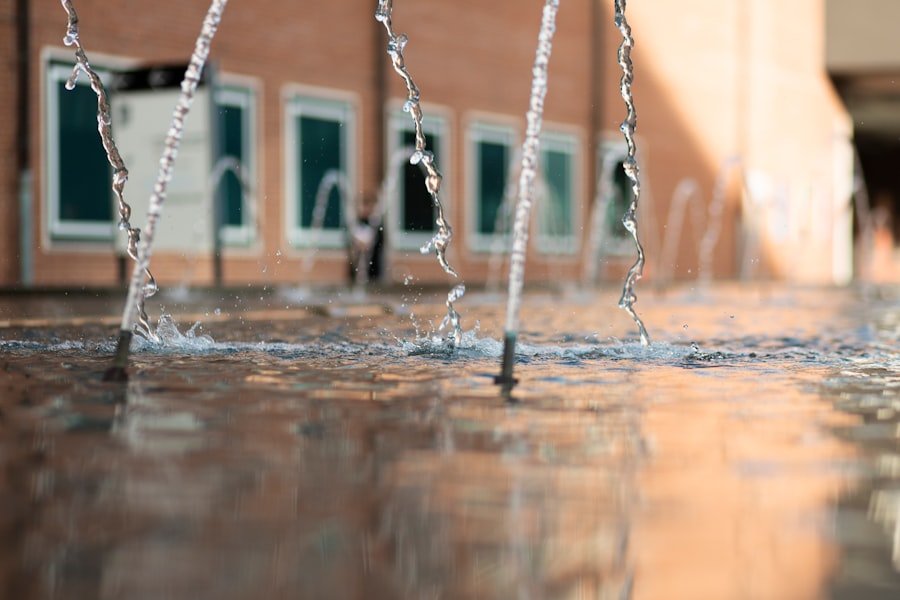
The design and architecture of Switzerland’s tap water fountains are as diverse as the regions they inhabit. From ornate Baroque structures to minimalist modern designs, each fountain tells a story about its location and the era in which it was built. Many historical fountains feature elaborate carvings, intricate stonework, and artistic embellishments that reflect local craftsmanship and artistic trends.
For instance, the famous Zytglogge fountain in Bern showcases medieval architecture with its detailed sculptures and clock tower, serving as both a functional water source and a historical monument. In contrast, contemporary fountains often embrace simplicity and functionality while incorporating sustainable materials and technologies. Modern designs may include features such as solar-powered pumps or filtration systems that ensure the water remains clean and fresh.
The integration of art into these designs continues to be significant; many cities commission local artists to create unique installations that enhance the aesthetic appeal of public spaces. This blend of tradition and innovation highlights Switzerland’s commitment to preserving its cultural heritage while adapting to contemporary needs.
The Environmental Impact of Switzerland’s Tap Water Fountains
| City | Number of Tap Water Fountains | Plastic Bottles Saved per Year | CO2 Emissions Reduced per Year (kg) |
|---|---|---|---|
| Zurich | 1200 | 1,500,000 | 300,000 |
| Geneva | 800 | 1,000,000 | 200,000 |
| Bern | 600 | 750,000 | 150,000 |
Switzerland’s tap water fountains play a crucial role in promoting environmental sustainability. By providing easy access to clean drinking water, these fountains encourage residents and visitors alike to choose tap water over bottled alternatives. This shift has significant implications for reducing plastic waste, as bottled water contributes substantially to environmental pollution.
In a country where recycling is deeply ingrained in the culture, the presence of public fountains aligns with broader efforts to minimize waste and promote eco-friendly practices. Furthermore, the maintenance of these fountains often incorporates sustainable practices. Many municipalities invest in green technologies to ensure that the fountains operate efficiently while minimizing their ecological footprint.
For example, some fountains are equipped with rainwater harvesting systems that collect and filter rainwater for use, reducing reliance on municipal water supplies. This innovative approach not only conserves resources but also serves as an educational tool for the public about the importance of sustainable water management.
The Health Benefits of Drinking Swiss Tap Water
Drinking Swiss tap water offers numerous health benefits that contribute to overall well-being. The country’s stringent regulations on water quality ensure that tap water is safe for consumption, free from harmful contaminants such as heavy metals or pathogens. Swiss authorities conduct regular testing and monitoring of water sources to maintain high standards, which instills confidence among residents regarding the safety of their drinking water.
In addition to safety, Swiss tap water is rich in essential minerals such as calcium and magnesium, which are vital for maintaining healthy bones and cardiovascular function. The natural filtration processes that occur as water travels through the Swiss Alps contribute to its mineral content, making it not only refreshing but also beneficial for hydration. Public health campaigns often emphasize the importance of staying hydrated with tap water, particularly in promoting healthy lifestyles among children and adults alike.
The Accessibility and Convenience of Switzerland’s Tap Water Fountains
Convenient Access to Clean Drinking Water
Switzerland’s commitment to public health and community welfare is evident in the widespread availability of tap water fountains across the country. Strategically located in urban centers, parks, hiking trails, and tourist attractions, these fountains ensure that clean drinking water is always within reach. This convenience encourages people to drink more water throughout the day, promoting hydration as a healthy habit.
Inclusive Design for All
The convenience of these fountains goes beyond mere access; they are designed to be user-friendly for all individuals, including those with disabilities. Many modern fountains feature designs that accommodate various needs, such as lower spouts for children or wheelchair-accessible features. This inclusivity reflects Switzerland’s broader societal values of equality and accessibility, ensuring that everyone can benefit from this essential resource.
Promoting a Culture of Hydration
The widespread availability of tap water fountains in Switzerland promotes a culture of hydration, encouraging people to drink more water throughout the day. This, in turn, contributes to a healthier population and a reduced reliance on single-use plastic bottles. By making clean drinking water easily accessible, Switzerland sets a positive example for other countries to follow.
The Role of Tap Water Fountains in Reducing Plastic Waste
The proliferation of tap water fountains in Switzerland has a direct impact on reducing plastic waste generated by bottled beverages. As awareness grows regarding environmental issues associated with plastic pollution, many Swiss citizens are opting for reusable bottles filled with tap water instead of purchasing single-use plastic bottles. This shift not only lessens the burden on landfills but also aligns with national initiatives aimed at promoting sustainability.
Municipalities have recognized this trend and have actively encouraged the use of refillable bottles by installing more public fountains equipped with bottle-filling stations. These stations provide a convenient way for individuals to refill their containers while on the go, further diminishing reliance on bottled water. Educational campaigns often accompany these initiatives, highlighting the environmental benefits of choosing tap water over bottled alternatives and fostering a culture of sustainability within communities.
The Economic and Social Implications of Switzerland’s Tap Water Fountains
The economic implications of Switzerland’s tap water fountains extend beyond their initial construction costs; they contribute significantly to local economies by attracting tourists and enhancing property values in surrounding areas. Tourists often seek out these iconic fountains as part of their travel experience, leading to increased foot traffic in nearby shops and restaurants. This influx can provide a boost to local businesses while simultaneously promoting cultural heritage.
Socially, these fountains serve as communal gathering points where people from diverse backgrounds can come together. They foster social interaction by providing spaces for relaxation and conversation amidst busy urban environments. Events such as community festivals or art installations often take place near these fountains, further solidifying their role as focal points for social engagement within neighborhoods.
The Maintenance and Regulation of Switzerland’s Tap Water Fountains
The maintenance and regulation of Switzerland’s tap water fountains are governed by strict standards set forth by local authorities to ensure safety and functionality. Regular inspections are conducted to assess the condition of each fountain, checking for any signs of wear or contamination that could compromise water quality. These inspections are crucial in maintaining public trust in the safety of drinking from these sources.
In addition to routine maintenance, many municipalities have implemented modernization efforts to enhance fountain efficiency. Upgrades may include installing advanced filtration systems or smart technology that monitors water quality in real-time. Such innovations not only improve user experience but also demonstrate a commitment to maintaining high standards for public health while adapting to contemporary technological advancements.
The Cultural and Touristic Value of Switzerland’s Tap Water Fountains
Switzerland’s tap water fountains hold significant cultural value as symbols of heritage and community pride. Many fountains are intricately linked to local history or folklore, serving as reminders of past events or figures that shaped the region’s identity. For instance, some fountains commemorate historical milestones or notable personalities who contributed to the development of Swiss society.
From a touristic perspective, these fountains attract visitors seeking authentic experiences that reflect Swiss culture. Travelers often seek out iconic fountains like those in Geneva or Zurich not only for their aesthetic appeal but also for their historical significance. Guided tours frequently include stops at notable fountains, allowing tourists to learn about their stories while enjoying the refreshing benefits they provide.
The Future of Switzerland’s Tap Water Fountains and Global Inspiration
Looking ahead, Switzerland’s tap water fountains are poised to continue evolving in response to changing societal needs and environmental challenges. As global awareness regarding sustainability grows, Swiss municipalities are likely to adopt even more innovative technologies aimed at enhancing fountain efficiency while minimizing ecological impact. This could include integrating renewable energy sources or advanced filtration systems that further improve water quality.
Moreover, Switzerland’s approach to public drinking water infrastructure serves as an inspiration for other countries grappling with similar issues related to access to clean drinking water and plastic waste reduction. By showcasing successful models for sustainable urban design through its tap water fountains, Switzerland can lead by example on an international stage, encouraging other nations to prioritize public health while fostering community engagement through accessible drinking water solutions.
If you’re looking for a refreshing drink while exploring Switzerland, you may want to check out the tap water fountains scattered throughout the country. These fountains provide clean and safe drinking water for locals and tourists alike. For more information on the benefits of staying hydrated while traveling, you can read the article “Delicious Homemade Cottage Cheese: A Simple and Healthy Recipe”.
FAQs
What are tap water fountains in Switzerland?
Tap water fountains in Switzerland are public fountains that provide clean and safe drinking water directly from the municipal water supply. They are commonly found in cities, towns, and public spaces throughout the country.
Is the tap water from these fountains safe to drink?
Yes, the tap water from these fountains is safe to drink. Switzerland has strict regulations and standards for its drinking water, and the water from these fountains is regularly tested to ensure its quality and safety.
Are there any costs associated with using the tap water fountains in Switzerland?
No, there are no costs associated with using the tap water fountains in Switzerland. The water is provided free of charge to the public.
How can I find tap water fountains in Switzerland?
Tap water fountains in Switzerland are often marked with a sign or symbol indicating that they provide drinking water. They are commonly found in public squares, parks, and along hiking trails. Additionally, there are mobile apps and websites available that map out the locations of these fountains.
Can I refill my water bottle at these fountains?
Yes, many tap water fountains in Switzerland are equipped with spouts or nozzles that allow for easy refilling of water bottles. This is a convenient and environmentally friendly way to stay hydrated while exploring the country.