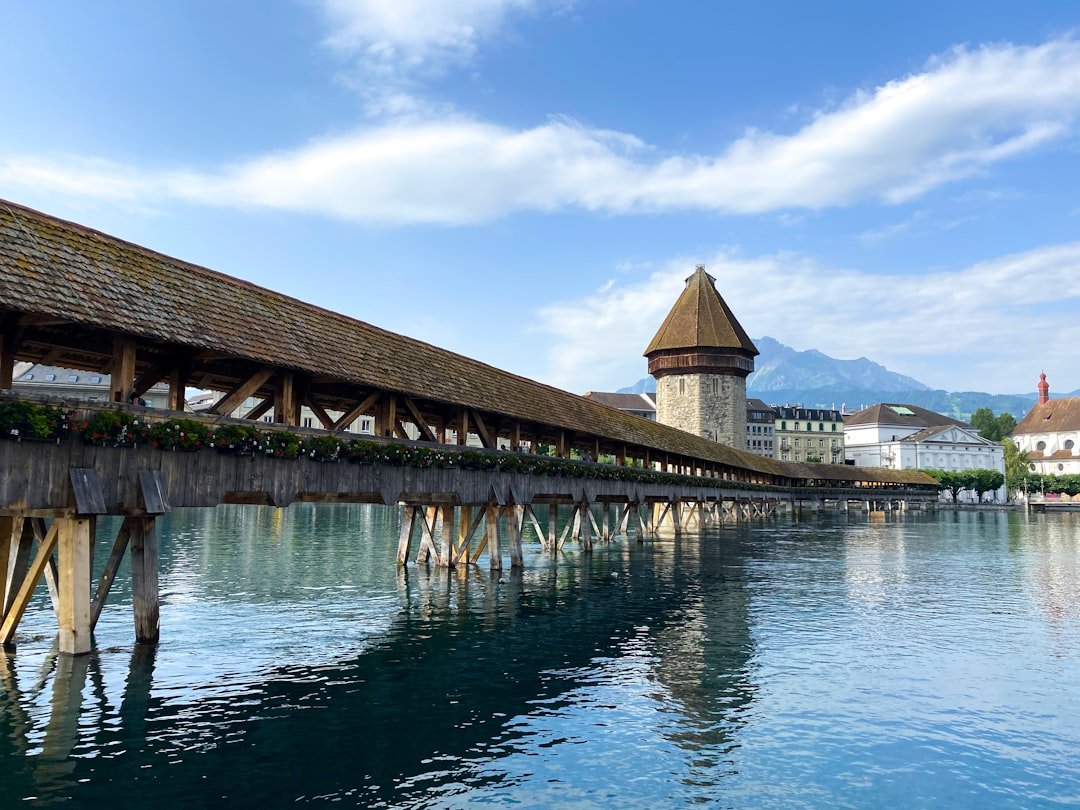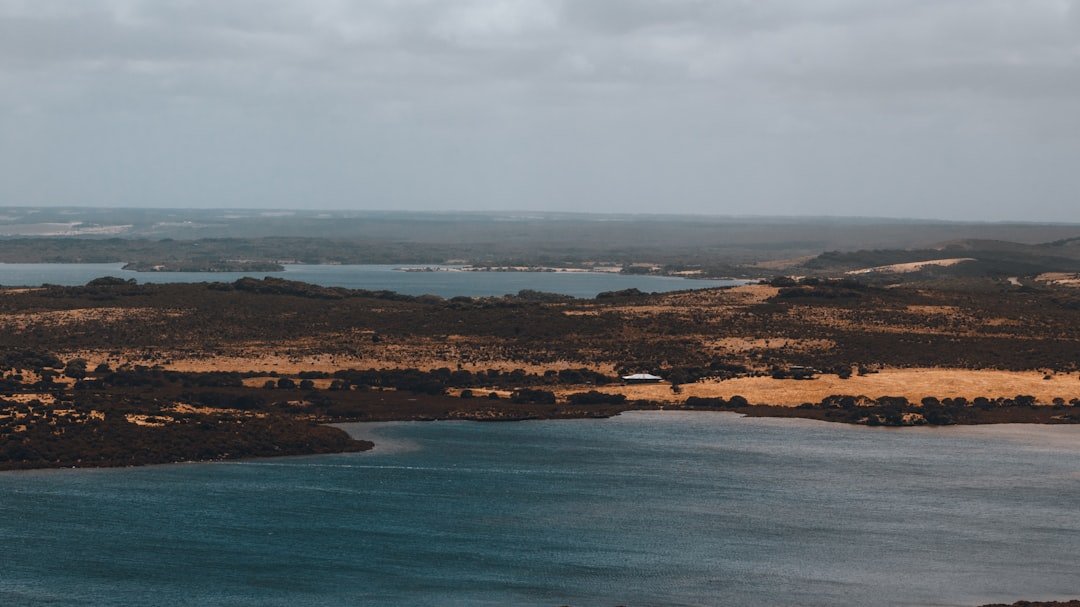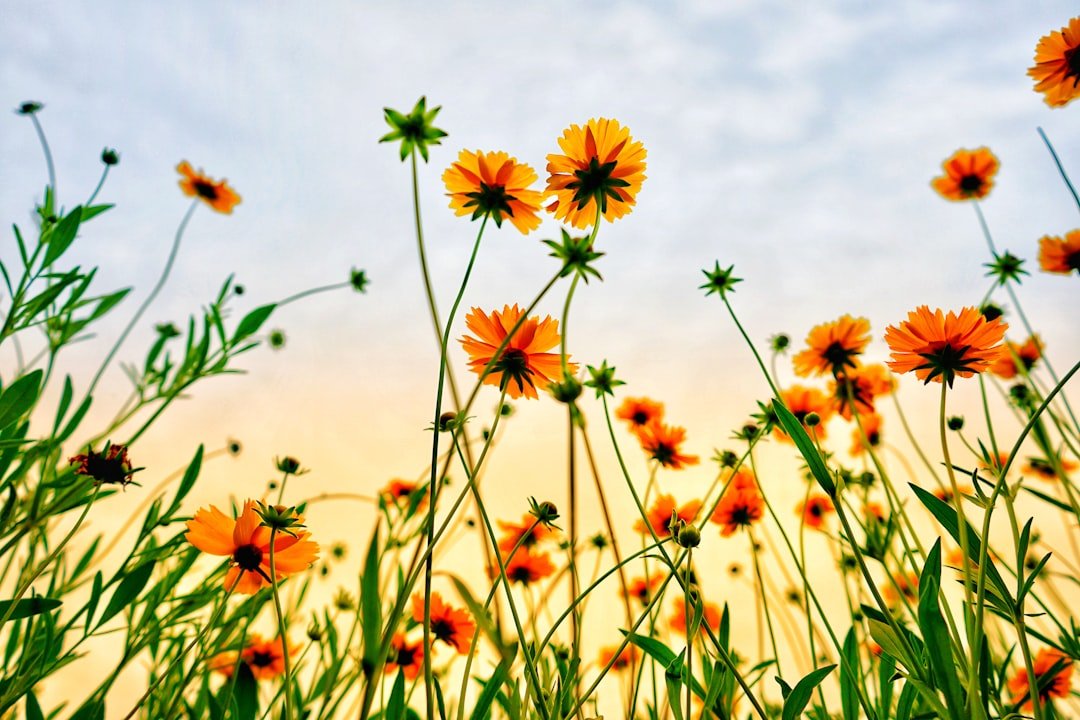
As snow retreats from Switzerland’s valleys and mountain slopes, wildflowers appear in stages rather than all at once. Lower elevations can turn colorful in April and May, while subalpine and high-alpine meadows often reach their best displays in June, July, or even later. That changing elevation is the key to planning a successful spring wildflower trip.
Quick Answer
Switzerland’s spring wildflower season starts in lower valleys in April and moves uphill as snow melts. For gentians, snowbells, pasqueflowers, and meadow blooms, plan April to June at lower and middle elevations. High-alpine flowers often peak later, from June into August, so choose your region by elevation, not calendar alone.
Key Takeaways
- For lower and middle elevations, April through June is the main spring wildflower period, but snowmelt and weather can shift flowering each year.
- High-alpine areas usually flower later, with many classic alpine plants at their best from June through August.
- Spring gentian, alpine snowbell, and spring pasqueflower are better spring targets than edelweiss, which normally flowers in summer.
- Val Fex, the Aletsch Arena, Schynige Platte, and the narcissus meadows above Montreux are useful places to plan flower-focused outings.
- Leave wildflowers where they grow, stay on established paths where required, and check local protection rules before visiting sensitive habitats.
Where to Find Spring Wildflowers in Switzerland
Switzerland has excellent wildflower areas at many elevations, so the best destination depends on when you travel. Instead of choosing one famous mountain and hoping the flowers are ready, match your trip to the snowline and local flowering conditions.
Aletsch Arena and Riederalp
The Aletsch region combines alpine meadows, forest, mountain scenery, and access to the protected landscape surrounding the Great Aletsch Glacier. A particularly useful stop for flower lovers is the Pro Natura Alpine Garden in the Aletsch Arena, near Villa Cassel. It provides a more reliable way to learn about local alpine plants than searching randomly along fragile slopes.
Because elevation varies considerably around the Aletsch Arena, flowering conditions can change from one trail to another. Lower sunny areas may be well into spring while higher paths remain snow-covered.
Val Fex and the Upper Engadine
The Upper Engadine is one of the strongest choices for a flower-focused mountain walk. The official Engadin guide describes Val Fex as a mountain-flower area where alpine roses, gentians, edelweiss, and other alpine plants occur. Because the valley extends from roughly 1,800 to 3,000 metres, a single outing can cross zones with different stages of spring and summer flowering.
This elevation range is exactly why a rigid nationwide bloom date does not work. A meadow near the valley floor can be green and flowering while higher slopes are still emerging from snow.
Schynige Platte in the Bernese Oberland
For visitors who want to see many alpine species in a compact area, the Botanical Alpine Garden Schynige Platte is especially useful. The scientifically managed garden sits at 1,967 metres and displays about 800 plant species native to the Swiss Alps in natural-style plant communities.
Schynige Platte’s alpine garden brings together around 800 species of plants native to the Swiss Alps, making it one of the easiest places to compare alpine flowers without searching across multiple mountain valleys.
The garden’s season also illustrates an important planning point: high-alpine flower viewing is often a summer activity rather than an early-spring one.
Montreux Riviera Narcissus Meadows
For a genuine late-spring wildflower spectacle at lower elevations, look above the Montreux Riviera. Meadows around Les Avants, Les Pléiades, Glion, Haut-de-Caux, and nearby areas are known for wild narcissi. The regional narcissus forecasting service tracks flowering conditions and provides suggested trails during the May bloom.
These meadows are sensitive. Visitors should remain on paths, avoid lying in the flowers, keep dogs controlled where requested, and never pull narcissi out by the roots.
Popular Spring and Early-Summer Wildflowers in Switzerland
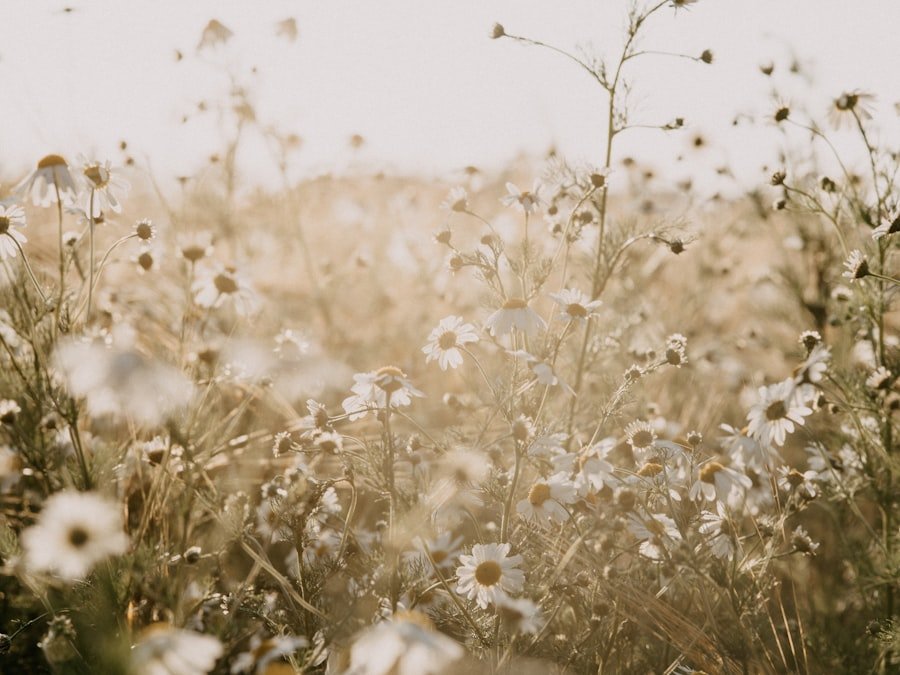
One of the easiest mistakes when planning a Swiss wildflower trip is assuming that every famous alpine flower blooms in spring. Flowering periods vary by species, altitude, exposure, snow cover, and yearly weather.
- Spring gentian (Gentiana verna): a vivid blue gentian that normally flowers around April to May and occurs from montane to alpine habitats.
- Trumpet gentian (Gentiana acaulis): another striking blue gentian, with a broader flowering period of roughly May to August.
- Alpine snowbell (Soldanella alpina): often associated with moist alpine grassland and snowbed habitats, flowering mainly from May to July.
- Spring pasqueflower (Pulsatilla vernalis): a genuine spring-to-early-summer alpine species, normally flowering from April to July.
- Alpine aster (Aster alpinus): usually a June-to-August flower, so it is better considered an early-summer and summer alpine species.
- Edelweiss (Leontopodium alpinum): Switzerland’s best-known alpine flower, but not a dependable spring target. InfoFlora lists its normal flowering period as July to September.
Note: If edelweiss is at the top of your wish list, plan a summer alpine trip rather than an April or May visit. For spring, gentians, snowbells, pasqueflowers, narcissi, and lower-elevation meadow flowers are more realistic targets.
For exact identification and conservation status, I prefer checking a Swiss botanical reference instead of relying only on color or a phone photo. InfoFlora maintains Switzerland’s national wild-plant information network and provides species, distribution, ecology, and protection data.
The Best Times to See Spring Wildflowers in Switzerland
Wildflower season moves uphill with the retreating snow. The table below is a practical planning guide, not a guarantee. A warm spring can advance flowering, while a snowy or cold year can delay it considerably.
| Region / Elevation | Typical Planning Window |
| Lower valleys and Swiss Plateau | April to May, with some displays continuing into June |
| Jura and middle elevations | May to June, with later species extending into July |
| Subalpine Alps | Late May through July, depending heavily on snowmelt |
| High-alpine areas | June to August for many characteristic alpine flowers |
If I were planning specifically for spring flowers, I would target lower and middle elevations first and move higher as the season advances. For an April trip, valleys and lower mountain slopes make more sense than a 2,000-metre alpine meadow. By June, subalpine areas become much more productive, while July is often better for classic high-alpine flowers such as edelweiss.
Pro Tip: Check a local botanical garden, tourism office, webcam, trail report, or flower-monitoring page a few days before traveling. Flowering can shift noticeably from one year to the next, so current local observations are more useful than a fixed calendar date.
Tips for Photographing Switzerland’s Spring Wildflowers
You do not need professional equipment to photograph alpine flowers well. A smartphone or lightweight camera is often better than carrying a heavy setup on mountain trails. The bigger priorities are soft light, careful composition, and avoiding damage to the plants around you.
- Use morning or late-afternoon light. Softer light reduces harsh highlights on pale petals and gives flowers more texture.
- Get low without stepping off the safe surface. A low viewpoint can separate a small flower from the mountains behind it, but never kneel or place equipment on surrounding plants.
- Include habitat. A wider frame showing flowers, meadow, and mountains often tells a stronger story than an isolated close-up.
- Watch the wind. Alpine flowers can move constantly. Use burst mode, faster shutter speeds, or wait for a brief lull.
- Do not rearrange nature for a photograph. Avoid picking flowers, bending stems, clearing neighboring plants, or moving rocks around sensitive vegetation.
I also like taking one identification photograph that clearly shows the leaves, stem, and overall plant rather than photographing only the flower head. Those extra details can make later identification much easier.
Conservation Efforts for Switzerland’s Spring Wildflowers
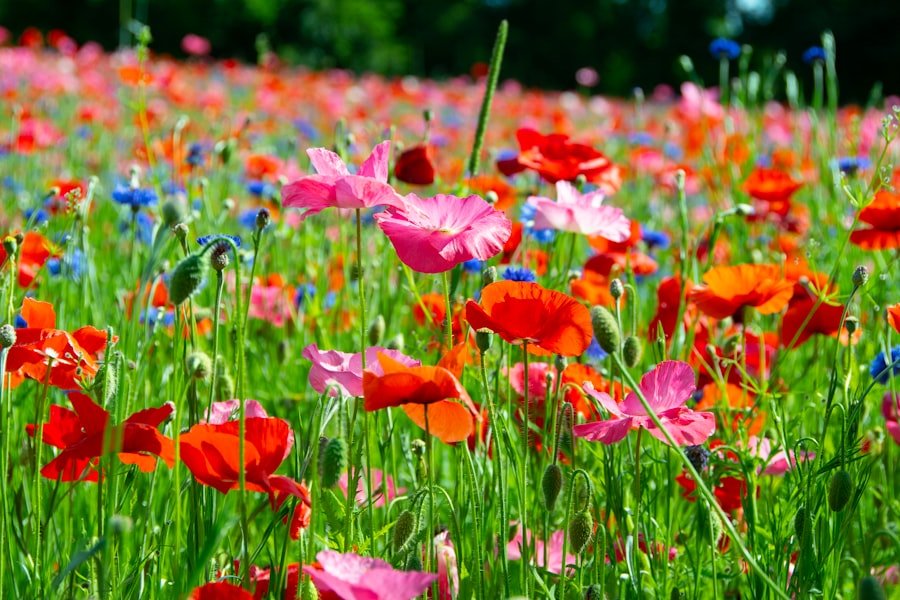
Switzerland’s alpine and meadow flora includes both widespread plants and species that need active protection. InfoFlora maintains national conservation information, including Red List data and records of legally protected plants.
Protection and threat status are not the same thing. A species can be threatened without having identical legal protection everywhere, and cantons can apply additional rules. That is why a plant’s exact species and location matter when checking its status.
One clear example is the lady’s-slipper orchid (Cypripedium calceolus). InfoFlora lists it as Vulnerable on Switzerland’s national Red List and totally protected nationally. Sensitive plants can also face pressure from habitat change, trail development, trampling, collecting, and other disturbance.
Botanical gardens and conservation organizations help by monitoring populations, maintaining suitable habitats, educating visitors, collecting seeds, and supporting research. Schynige Platte’s scientifically managed Alpine Garden, for example, combines public education with research and conservation of Swiss alpine flora.
Flower Events and Botanical Experiences in Switzerland
It is safer to plan around verified flower trails, botanical gardens, and official seasonal programs than around generic festival names. I could not verify the original claim that an “Alpenblumenfest” is held annually across various Swiss alpine villages as a recurring national-style wildflower festival.
Montreux Riviera Narcissus Season
The natural narcissus bloom above Montreux is a genuine spring flower experience. The region maintains an official forecasting system for several narcissus areas and normally focuses attention on the May flowering season.
The famous Montreux Narcissus Festival and its flower-covered parade floats belong to history rather than the present calendar. The official regional history records the festival from 1897 to 1957. Today’s experience is centered on seeing and protecting the remaining narcissus meadows.
Alpine Botanical Gardens
Botanical alpine gardens are particularly useful when natural bloom timing is unpredictable. Schynige Platte presents around 800 Swiss alpine species, while the Hoher Kasten Alpine Garden and other mountain gardens provide labeled plants and educational programs during their operating seasons.
These gardens are also useful if your main goal is identifying species. You can learn what a gentian, pasqueflower, alpine aster, or edelweiss looks like before trying to recognize it on a natural trail.
How to Enjoy Switzerland’s Spring Wildflowers Responsibly
Wildflower areas can look robust from a distance, but alpine vegetation often grows slowly and has only a short season to flower and reproduce. Responsible viewing makes a real difference.
Warning: Do not pick a plant simply because it appears common. Legally protected species cannot be collected, and additional restrictions may apply in individual cantons, nature reserves, parks, or protected habitats. The simplest visitor rule is to photograph wildflowers and leave every plant where it grows.
- Use marked or established paths where local rules request it, especially through flower-rich meadows and sensitive alpine habitats.
- Do not pick or dig up wild plants. Apart from legal protection, removing flowers reduces seed production and diminishes the display for other visitors.
- Avoid trampling. Do not step into a meadow simply to reach a more photogenic flower.
- Keep dogs under control. Follow local leash rules, especially where flower season overlaps with sensitive wildlife periods.
- Leave roots, bulbs, stones, and habitat undisturbed. A plant’s surroundings are part of the ecosystem that supports it.
- Use exact identification when checking protection status. Common names such as “gentian” can refer to several species with different ranges and legal status.
Protected status is more precise than saying that every Swiss wildflower is illegal to pick. InfoFlora explains that legally protected species are safeguarded from picking, while its species pages also show that protection can differ between cantons. For visitors, however, leaving flowers untouched is both the simplest and most environmentally responsible approach.
Spring wildflowers add another layer to Switzerland’s mountain scenery, but the best displays depend on elevation, snowmelt, weather, and the species you hope to see. I get better results by choosing a realistic elevation for the month, checking local conditions shortly before the trip, and treating every meadow as habitat rather than as a photo set. That approach makes wildflower walks more rewarding while helping preserve the plants for future seasons.
If you enjoy plant-focused reading beyond alpine flora, the site also has a separate article on Asian melon, covering a very different botanical and cultural topic.
Frequently Asked Questions
What are some common spring wildflowers in Switzerland?
Good spring and early-summer examples include spring gentian, trumpet gentian, alpine snowbell, spring pasqueflower, and many meadow flowers. Alpine aster usually flowers later, mainly from June to August, while edelweiss is normally a July-to-September flower.
When is the best time to see spring wildflowers in Switzerland?
April and May are useful for lower elevations, while May and June bring more flowers to middle elevations. Subalpine and high-alpine areas generally peak later, often from June into August. Snowmelt and yearly weather can move these dates earlier or later.
Where are the best places to see wildflowers in Switzerland?
Useful choices include Val Fex in the Upper Engadine, the Aletsch Arena around Riederalp, Schynige Platte in the Bernese Oberland, and the narcissus meadows above the Montreux Riviera. The best choice depends on your travel month and the elevation where snow has already melted.
Are there rare or endangered wildflowers in Switzerland?
Yes. Switzerland has threatened and legally protected plant species. One well-documented example is the lady’s-slipper orchid, which InfoFlora lists as Vulnerable nationally and totally protected. Protection and threat status should always be checked using an exact species name.
Can I pick spring wildflowers in Switzerland?
Do not pick legally protected plants. Additional rules can apply by canton, municipality, protected area, reserve, or landowner. Because identifying both the species and the local rule can be difficult, the safest and most responsible approach is to photograph wildflowers and leave them untouched.
Is edelweiss a spring wildflower in Switzerland?
Not usually. InfoFlora gives the normal flowering period for edelweiss as July through September. If seeing edelweiss is a priority, a summer visit to suitable subalpine or alpine habitat is more realistic than an April or May trip.
How can I tell whether the wildflowers are blooming before my trip?
Check current local tourism information, botanical-garden updates, webcams, snow conditions, and any regional bloom-monitoring service shortly before traveling. Montreux Riviera, for example, operates a narcissus forecasting service during its flowering season.
Sources
- InfoFlora: Leontopodium alpinum — edelweiss flowering period, habitat, distribution, and status.
- InfoFlora: Protected plants across Switzerland — legal protection and the distinction between protected and threatened plants.
- Engadin: In the paradise of mountain flowers — Val Fex flower habitat, elevation, and alpine flora.
- Botanical Alpine Garden Schynige Platte — Swiss alpine plant collection, elevation, research, conservation, and visitor information.
- Aletsch Arena: Pro Natura Alpine Garden — alpine-flora viewing and education in the Aletsch region.
- Montreux Riviera Narcissus Forecasting — current narcissus trails, bloom monitoring, conservation guidance, and history of the former Narcissus Festival.