Barbados Acerola Cherry Tree: Growing, Benefits, and Uses
What’s in This Article
- Origin and History of the Acerola Cherry Tree in Barbados
- Unique Characteristics of the Barbados Acerola Cherry Tree
- How to Grow and Care for the Barbados Acerola Cherry Tree
- Health Benefits and Nutrition of Acerola Cherry
- Culinary Uses of the Barbados Acerola Cherry
- Economic Importance of Acerola Cherry in Barbados
- Conservation Challenges for the Barbados Acerola Cherry Tree
- Cultural Significance of Acerola Cherry in Barbados
- Future of the Barbados Acerola Cherry Tree
- Frequently Asked Questions
A small red acerola cherry can carry a sharp flavor and a strong nutrition profile. The Barbados Acerola cherry tree, known as Malpighia emarginata, grows well in warm tropical and subtropical regions.
You’ll often see it in gardens, orchards, and home landscapes where sun and drainage suit it. This guide explains its history, growth needs, uses, benefits, and long-term value.
Quick Answer
The Barbados Acerola cherry tree is a tropical fruit tree that produces small, tart, red fruits rich in vitamin C. You can grow it in warm climates with full sun, well-drained soil, steady water, and light pruning. Its fruit works well in juices, jams, sauces, smoothies, and fresh snacks.
Key Takeaways
- The Barbados Acerola cherry tree grows best in warm climates with full sun and well-drained soil.
- Acerola cherries are small, tart fruits known for their high vitamin C content.
- You can use the fruit in juices, jams, smoothies, sauces, desserts, and fresh snacks.
- Young trees need steady watering, while established trees can handle short dry periods.
- The tree supports local food culture, small farms, home gardens, and tropical landscaping.
Origin and History of the Acerola Cherry Tree in Barbados
The Acerola cherry tree comes from tropical parts of the Americas, including the Caribbean, northern South America, and Central America. Indigenous communities valued many local fruits for food and traditional use, and acerola became part of that wider tropical fruit culture.
The tree reached many Caribbean islands because it grows well in warm weather and light, well-drained soils. In Barbados, it became useful in home gardens, small farms, and mixed tropical landscapes.
The fruit gained attention because of its tart taste and strong vitamin C content. Over time, gardeners and growers used it for fresh fruit, drinks, preserves, and local food products.
You should treat exact historical claims about its first arrival in Barbados with care. The tree has long Caribbean roots, but the specific date of its introduction to Barbados needs human review before publication as a fixed historical fact.
Unique Characteristics of the Barbados Acerola Cherry Tree
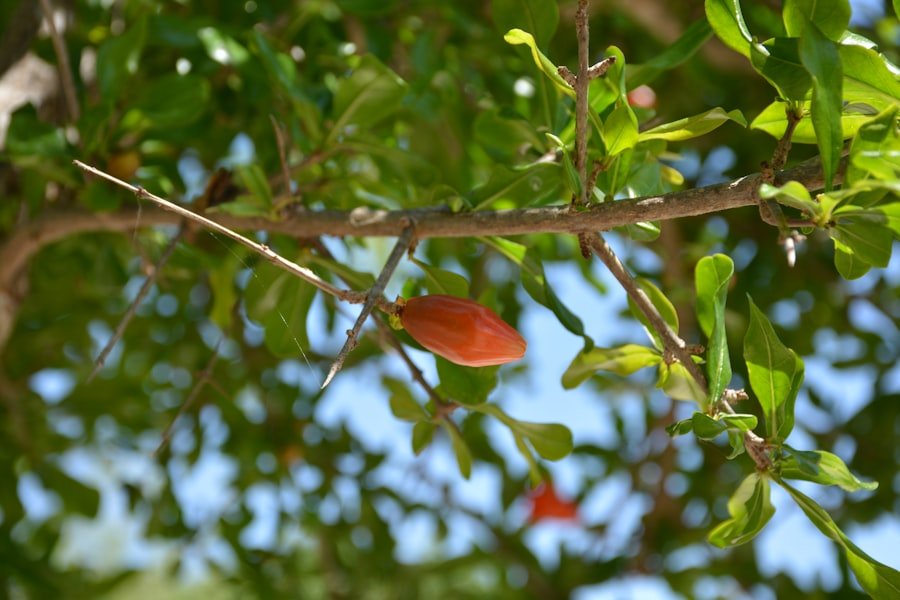
The Barbados Acerola cherry tree stands out because it stays compact, flowers often, and produces bright fruit. Most trees grow as small trees or large shrubs, which makes them useful for home gardens.
It grows best in full sun and prefers soil that drains well. Sandy or loamy soil with organic matter can support strong roots and steady growth.
The tree has glossy green leaves and small flowers that may appear pink, lavender, or pale white. These flowers attract pollinators such as bees and butterflies, which can help fruit set.
The fruit starts green and turns red when ripe. Its flavor can taste sweet, sour, and sharp, which makes it useful in both fresh and processed foods.
Note: Acerola cherries look like small cherries, but they do not belong to the same fruit group as common sweet cherries.
How to Grow and Care for the Barbados Acerola Cherry Tree
| Aspect | Information |
|---|---|
| Soil | Well-draining, slightly acidic soil |
| Sunlight | Full sun for optimal fruit production |
| Watering | Regular watering, especially during dry periods |
| Pruning | Prune to maintain shape and remove dead or crowded branches |
| Fertilization | Apply a balanced fertilizer in spring and summer |
| Pests | Watch for aphids, scale insects, and fruit flies |
| Diseases | Monitor for fungal diseases such as anthracnose |
You’ll get the best growth when you plant the tree in a warm, sunny, sheltered spot. Choose a site with good drainage because wet roots can weaken young trees.
Give a young tree steady water while its roots develop. Once the tree settles in, it can handle short dry periods better, but fruit quality may drop during long droughts.
Use a balanced fertilizer during active growth, but avoid overfeeding. Too much nitrogen can push leaf growth at the expense of flowers and fruit.
Prune lightly to keep the tree open and easy to harvest. Remove dead, damaged, crossing, or crowded branches so light and air can reach the center.
Warning: Protect acerola trees from frost because cold weather can damage leaves, flowers, fruit, and young branches.
Health Benefits and Nutrition of Acerola Cherry
Acerola cherries have earned attention because they contain a high amount of vitamin C. This vitamin helps your body support immune function, form collagen, and protect cells from oxidative stress.
The fruit also contains plant compounds such as carotenoids, anthocyanins, and flavonoids. These compounds help give the fruit its color and may support general antioxidant activity in your diet.
You may also get small amounts of vitamin A, B vitamins, potassium, and magnesium from the fruit. Its fiber can support digestion when you eat the whole fruit instead of only drinking juice.
Acerola can support a healthy diet, but it should not replace medical care or a balanced meal plan. People who take supplements or have health conditions should speak with a qualified health professional before using concentrated acerola products.
Medical Disclaimer: This article is for informational purposes only and does not constitute professional medical advice. Always consult a qualified doctor before making decisions based on health or supplement information.
Culinary Uses of the Barbados Acerola Cherry
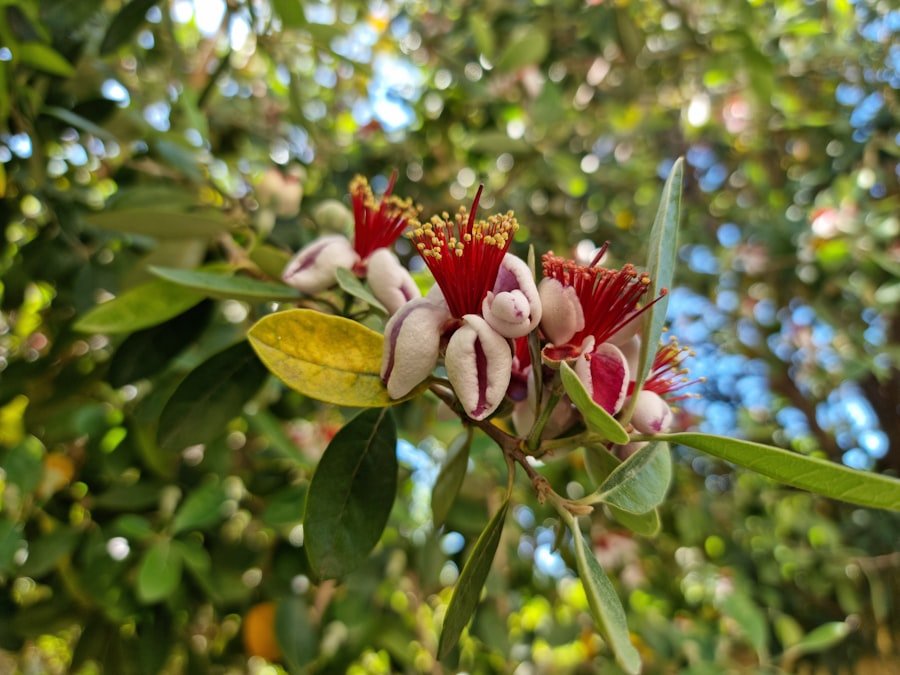
The Barbados Acerola cherry works well in many foods because it brings a bright tart flavor. You can eat ripe fruit fresh, but many people prefer it in drinks or cooked recipes.
Common uses include juices, smoothies, syrups, jams, jellies, and fruit sauces. The fruit’s red color can also make desserts and drinks look more appealing.
You can pair acerola with sweeter fruits when you want to soften its sharp taste. Mango, banana, pineapple, and papaya can balance the tartness well.
Acerola also works in savory sauces for poultry, pork, or grilled foods. Use it in small amounts first because the fruit’s acidity can stand out quickly.
Economic Importance of Acerola Cherry in Barbados
The Barbados Acerola cherry can support local farming, small food businesses, and value-added products. Growers can sell fresh fruit, pulp, juice, preserves, powders, and supplement ingredients.
The fruit appeals to health-focused buyers because of its vitamin C content. That demand can create market opportunities for farmers who grow clean, high-quality fruit.
Sustainable farming can also help protect soil and reduce waste. When growers process fragile acerola quickly, they can save more fruit from spoilage and earn more from each harvest.
Still, growers must manage challenges such as short shelf life, pests, weather stress, and transport needs. Fresh acerola bruises easily, so careful handling matters from harvest to sale.
Conservation Challenges for the Barbados Acerola Cherry Tree
The Barbados Acerola cherry tree faces pressure from land development, habitat loss, pests, and changing farm practices. Home gardens and small orchards can help keep the tree visible in local landscapes.
Conservation work should focus on protecting useful plant varieties, saving seed and plant material, and teaching growers better care methods. Community planting projects can also help keep local fruit trees part of daily life.
You can support conservation by planting suitable varieties, buying local fruit when available, and avoiding waste. Small choices can help farmers keep growing crops that fit the climate and culture.
Cultural Significance of Acerola Cherry in Barbados
The Acerola cherry has value beyond its taste and nutrition. In Barbados, trees like acerola often connect food, family gardens, local markets, and traditional knowledge.
Families may use the fruit in homemade drinks, preserves, and simple remedies passed down through generations. These uses reflect how local plants can shape both meals and memories.
Food festivals, garden projects, and farm markets can also help people learn about acerola. These spaces give local growers a chance to share fruit, recipes, and growing advice.
Future of the Barbados Acerola Cherry Tree
The future of the Barbados Acerola cherry tree looks promising if growers balance demand with responsible farming. Health-focused markets continue to value fruits with strong nutrient profiles.
Research into better varieties, pruning, pest control, and post-harvest handling could improve yields. Better handling matters because acerola fruit can soften and spoil quickly after harvest.
Local farmers, garden groups, food processors, and conservation teams can all play a role. If they work together, the tree can keep supporting food culture, income, and biodiversity.
Frequently Asked Questions
What is a Barbados Acerola Cherry Tree?
The Barbados Acerola Cherry Tree is a small evergreen tree or shrub that produces red, cherry-like fruits. It grows best in tropical and subtropical climates.
What are the characteristics of the Barbados Acerola Cherry Tree?
The tree usually has glossy green leaves, small flowers, and bright red fruit. Many trees stay compact enough for home gardens when you prune them well.
How do you care for a Barbados Acerola Cherry Tree?
Give the tree full sun, well-drained soil, and steady water while it becomes established. Prune dead or crowded branches and protect the tree from frost.
What can you make with acerola cherries?
You can make juices, smoothies, jams, jellies, syrups, sauces, and desserts. You can also eat ripe fruit fresh if you enjoy tart flavors.
Can the Barbados Acerola Cherry Tree grow outside the Caribbean?
Yes, you can grow it in warm tropical and subtropical regions. Gardeners in suitable parts of Florida, Texas, and similar climates may grow it with frost protection.
Celebrating the Beauty and Bounty of the Barbados Acerola Cherry Tree
The Barbados Acerola cherry tree gives you beauty, food, and practical garden value in one compact plant. It rewards good care with flowers, fruit, shade, and a strong link to tropical food culture.
If you live in a warm climate, choose a sunny, well-drained site and start with steady care. With the right support, this useful tree can keep feeding families, farms, and local traditions for years.
References
- National Library of Medicine research archive — National Institutes of Health
- FoodData Central — U.S. Department of Agriculture
- UF/IFAS Extension plant and fruit crop resources — University of Florida