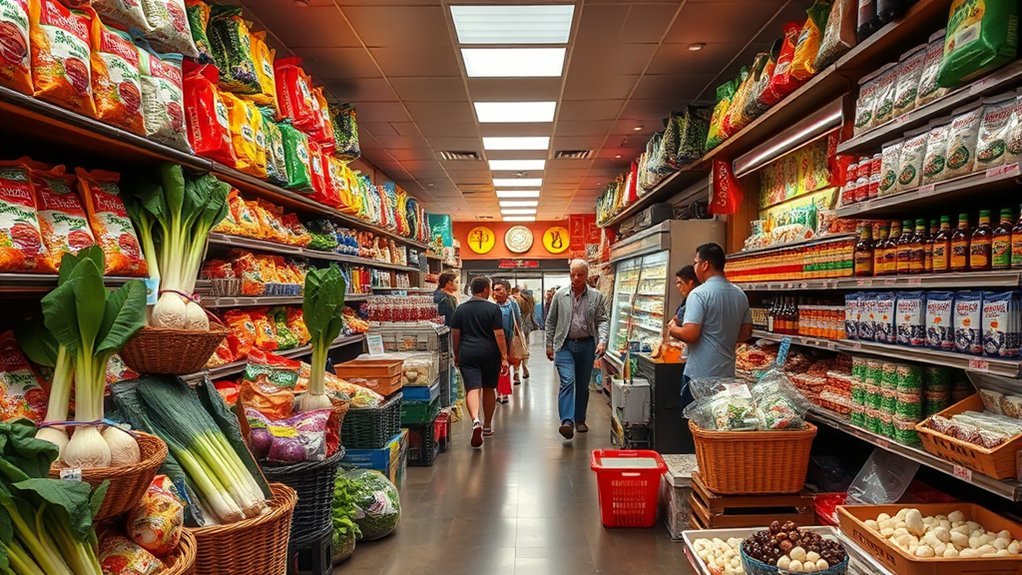
Tulsa’s Asian grocery stores are worth exploring whether you are stocking a pantry, planning a hot pot night, looking for better rice and noodle options, or simply trying snacks you will not usually see in a standard supermarket. The best trip starts with a short list, an open mind, and a plan for keeping frozen, seafood, meat, and produce items cold on the way home.
Quick Answer
Asian markets in Tulsa are best for pantry staples like jasmine rice, sticky rice, noodles, soy sauce, miso, curry paste, coconut milk, frozen dumplings, specialty snacks, teas, fresh herbs, and vegetables such as bok choy and daikon. Start with one larger market, compare unit prices, check labels carefully, and bring an insulated bag for cold items.
Key Takeaways
- For a first visit, focus on pantry basics, frozen foods, snacks, tea, and one or two fresh ingredients you know you will cook soon.
- Pan-Asia Supermarket of Tulsa is a strong starting point because its official store page lists produce, meat, live and fresh seafood, grocery, dairy, frozen, deli/bakery, and hot food departments.
- Inventory, prices, and hours can change, so check the store’s current information before making a special trip.
- Buy refrigerated, frozen, seafood, and meat items near the end of your trip and get them home quickly.
At a Glance
| Time Required | 45–75 minutes for a relaxed first trip |
| Difficulty | Easy if you bring a list and compare labels |
| Tools Needed | Shopping list, phone translator, reusable bags, insulated bag or small cooler |
| Cost | Flexible; compare unit prices on bulk rice, sauces, noodles, and frozen foods |
Why You Should Explore Asian Grocery Stores in Tulsa
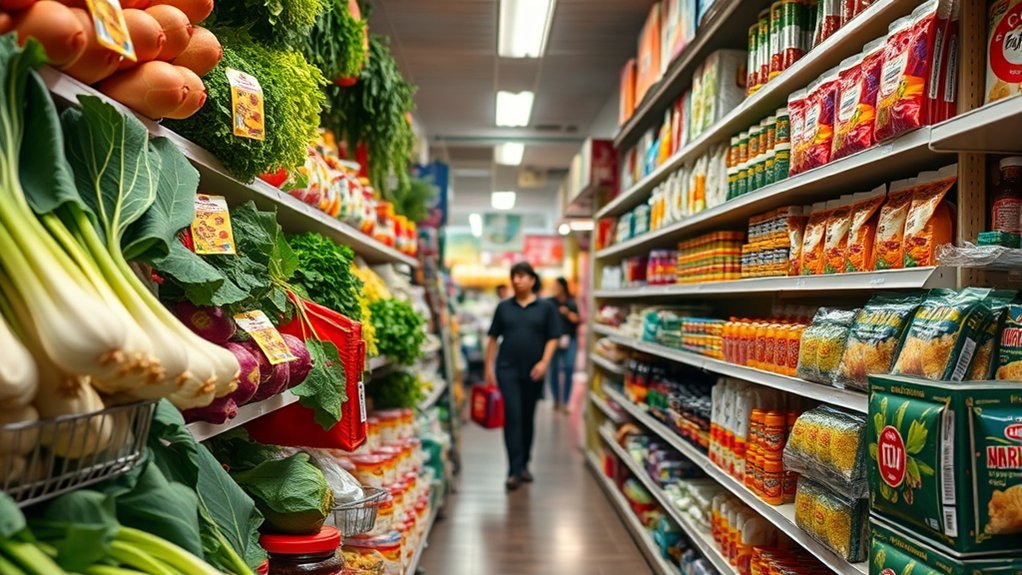
If you want to make better stir-fries, soups, curries, noodle bowls, dumpling meals, hot pot, or simple rice dishes, Tulsa’s Asian grocery stores can open up many more choices than a typical supermarket aisle. You can find everyday staples, regional sauces, frozen foods, fresh herbs, specialty vegetables, snacks, tea, and cooking tools in one trip.
A verified local starting point is Pan-Asia Supermarket of Tulsa. Its official page lists departments for produce, meat, live and fresh seafood, grocery, dairy, frozen foods, fresh deli and bakery items, and hot food, making it a useful first stop for shoppers who want a broad selection.
Smaller specialty markets can also be useful, especially if you are looking for Korean, Vietnamese, Chinese, Filipino, Indian, Thai, or Japanese ingredients. Zodeih Asian Market in nearby Jenks is another local name shoppers may come across, but always confirm current hours and inventory before making a special drive.
Where to Shop and What to Expect
The best store depends on what you want to cook. A large pan-Asian supermarket is ideal for a first visit because you can compare rice, noodles, frozen foods, produce, snacks, and sauces in one place. Smaller specialty stores can be better when you need a specific brand, spice, tea, kimchi, curry ingredient, or regional snack.
| Store Type | Best For | Shopping Tip |
|---|---|---|
| Large pan-Asian supermarket | Rice, noodles, produce, meat, seafood, frozen foods, snacks, sauces, and hot food | Start here if you are new and want the widest overview. |
| Korean-focused market | Kimchi, gochujang, doenjang, Korean ramen, frozen mandu, seaweed, rice cakes, and banchan-style sides | Look for refrigerated sections and check spice levels on sauces. |
| Vietnamese, Chinese, or broader East/Southeast Asian market | Rice noodles, fish sauce, oyster sauce, soy sauce, herbs, greens, dumplings, tofu, and soup ingredients | Bring recipe photos or ingredient names in both English and the original language. |
| Indian or South Asian grocer | Basmati rice, lentils, spices, atta flour, pickles, chutneys, frozen breads, and tea | Spices and legumes are often sold in several package sizes, so compare unit prices. |
Best Authentic Asian Ingredients to Try
Start with ingredients you can use in more than one recipe. That keeps the trip fun without leaving you with a pantry full of bottles you never open.
- Rice: Jasmine rice, sticky rice, sushi rice, basmati rice, and short-grain rice all cook differently. Choose the type that matches the dish you plan to make.
- Noodles: Rice noodles, ramen, udon, soba, glass noodles, and wheat noodles are useful for quick soups, stir-fries, and cold noodle dishes.
- Fermented bases: Miso paste, gochujang, doenjang, doubanjiang, shrimp paste, and fermented black beans add depth, saltiness, and umami.
- Sauces: Soy sauce, dark soy sauce, fish sauce, oyster sauce, hoisin, chili crisp, ponzu, and rice vinegar can quickly change the flavor of a dish.
- Curry and coconut: Thai curry pastes, Japanese curry blocks, Indian spice blends, and coconut milk are easy weeknight shortcuts.
- Frozen staples: Dumplings, buns, fish balls, sliced hot pot meat, frozen noodles, and paratha can turn into a fast meal.
Warning: Check labels carefully if you avoid allergens. Common Asian pantry items may contain soy, wheat, sesame, peanuts, tree nuts, fish, shellfish, eggs, or milk, and translations may vary by brand.
Unique Snacks and Treats Worth Discovering
The snack aisle is often the easiest way to make your first visit fun. Look for sweet-and-savory chips, shrimp chips, seaweed snacks, mochi, rice crackers, Pocky-style biscuit sticks, Choco Pie-style cakes, Filipino polvoron, sesame candies, canned coffees, milk teas, fruit jellies, and specialty teas.
Honey butter chips and turtle chips are popular Korean-style snack examples that many shoppers look for, but exact brands and flavors change often. If you see something unfamiliar, start with one small package before buying several bags.
Seasonal fruit can also be a highlight. Lychee, rambutan, longan, Asian pears, persimmons, dragon fruit, and fresh jackfruit may appear when available, but availability depends on season, shipment, and store sourcing.
What Fresh Produce, Herbs, Seafood, and Meats Can You Find?
Asian markets can be especially useful for produce and herbs that are hard to find elsewhere. Depending on the store and season, you may see bok choy, napa cabbage, gai lan, Chinese eggplant, daikon, bitter melon, lotus root, bean sprouts, garlic chives, Thai basil, shiso, lemongrass, mint, cilantro, and fresh chilies.
| Fresh Produce | Meat and Seafood | Seasonal Fruits |
|---|---|---|
| Bok choy, napa cabbage, gai lan | Thin-sliced meats, whole fish, shrimp, seafood balls | Lychee, rambutan, longan |
| Daikon, bitter melon, Chinese eggplant | Hot pot cuts, soup bones, marinated items when available | Asian pears, persimmons, dragon fruit |
| Thai basil, shiso, mint, cilantro, lemongrass | Frozen dumplings, buns, tofu, fish cakes | Fresh jackfruit or other shipment-dependent fruit |
Food safety matters when buying fresh and cold items. The FDA recommends choosing produce that is not bruised or damaged, keeping fresh fruits and vegetables separate from raw meat, poultry, and seafood, and refrigerating perishable produce at 40°F or below. For frozen and refrigerated foods, the FDA also advises picking up perishables last and chilling groceries within 2 hours, or within 1 hour if exposed to temperatures above 90°F.
Must-Have Specialty Ingredients at Asian Markets
If you are building a practical pantry, choose ingredients that work across multiple meals. These are the most useful categories to buy first:
- One everyday rice: Jasmine rice for many Southeast Asian meals, short-grain rice for Korean and Japanese meals, or basmati for South Asian dishes.
- One noodle type: Rice noodles for pho-style soups and stir-fries, ramen for quick meals, or udon for soups and pan-fried noodles.
- One salty sauce: Light soy sauce, fish sauce, or tamari, depending on what you cook most.
- One sweet-savory sauce: Hoisin, teriyaki-style sauce, oyster sauce, or kecap manis.
- One heat source: Chili crisp, sambal oelek, gochujang, Thai curry paste, or dried chilies.
- One freezer helper: Dumplings, buns, scallion pancakes, paratha, or frozen noodles.
For coconut milk, brands such as Aroy-D and Mae Ploy are popular among home cooks, but always check the ingredient list and choose the can size you can realistically use. For sauces, larger bottles may be cheaper per ounce, but only buy big if you cook with that sauce often.
Essential Tips for First-Time Asian Grocery Shoppers
Walking into an Asian grocery store for the first time can feel overwhelming because the aisles may be organized by region, product type, brand, or language. Use this simple plan:
- Bring two recipes: Shop for ingredients you will use within the next week.
- Take photos: If a product label is unfamiliar, photograph it so you can look up recipes later.
- Use a translation app: This helps with cooking instructions, spice levels, and allergens.
- Compare unit prices: Bulk rice, noodles, and sauces can be good values, but only if you will use them.
- Shop cold items last: Pick up frozen dumplings, seafood, meat, tofu, and refrigerated noodles near the end of your trip.
- Ask staff politely: Store employees often know which brands are popular, mild, spicy, sweet, or best for beginners.
Pro Tip: For your first trip, buy one rice or noodle, one sauce, one frozen item, one snack, and one fresh herb or vegetable. That gives you variety without overbuying.
Local Favorites: Best Products and Smart Buys
Instead of chasing a single “best” product, shop by category. Local shoppers often get the most value from items that are expensive, limited, or unavailable at mainstream supermarkets.
- Frozen dumplings and buns: Choose flavors such as pork, chicken, shrimp, vegetable, or kimchi, then follow the package cooking instructions.
- Rice and noodles: Larger bags and multipacks can be practical if you cook Asian dishes often.
- Sauces and condiments: Soy sauce, fish sauce, chili crisp, curry paste, miso, and sesame oil are pantry workhorses.
- Snacks and sweets: Try honey butter chips, turtle chips, mochi, rice crackers, seaweed snacks, polvoron, and chocolate-filled cookies or cakes.
- Tea and drinks: Look for jasmine tea, barley tea, roasted rice tea, canned coffee, milk tea, and fruit drinks.
One correction worth noting: some online lists mention Sheng Kee Bakery as if it were a Tulsa market stop, but Sheng Kee Bakery’s own location information points to Bay Area stores. For Tulsa shopping, focus instead on the deli, bakery, and prepared-food sections inside local markets when available.
Cooking With Asian Ingredients: Tips and Tricks
The easiest way to cook well with Asian ingredients is to balance salt, sweetness, acidity, heat, and umami. You do not need a huge pantry to start.
- For stir-fries: Use a high-heat oil, fresh vegetables, garlic or ginger, a salty sauce, and a small amount of sugar or sweet sauce for balance.
- For soups: Start with broth, miso, curry paste, or soup base, then add noodles, tofu, greens, mushrooms, dumplings, or sliced meat.
- For rice bowls: Combine rice, a protein, a vegetable, a pickle or kimchi, and a sauce such as chili crisp, teriyaki, or gochujang mixture.
- For quick snacks: Steam dumplings, pan-fry scallion pancakes, or add a soft egg and greens to instant ramen.
- For freshness: Finish dishes with scallions, cilantro, Thai basil, lime, sesame seeds, or chili oil.
Instant ramen can be a quick meal, but it becomes much better with additions like bok choy, mushrooms, tofu, leftover chicken, dumplings, a boiled egg, or fresh herbs.
The Benefits of Supporting Local Asian Grocery Stores
Shopping at local Asian grocery stores does more than fill your pantry. It helps keep specialty ingredients accessible in Tulsa, supports local jobs, and gives home cooks a way to learn from food traditions across Asia.
- Better ingredient access: You can find sauces, noodles, produce, frozen foods, snacks, and pantry staples that are difficult to source elsewhere.
- More cooking confidence: Seeing ingredients in context makes it easier to try new recipes.
- Community connection: Local markets often serve families, students, restaurant cooks, home cooks, and immigrant communities at the same time.
Note: Store hours, prices, prepared-food availability, and imported product stock can change quickly. Check the store’s current information before planning a large shopping trip.
Frequently Asked Questions
What Asian grocery store should first-time shoppers visit in Tulsa?
A larger store is usually easiest for a first trip because you can explore several categories in one place. Pan-Asia Supermarket of Tulsa is a strong starting point because its official page lists departments for produce, meat, live and fresh seafood, grocery, dairy, frozen foods, deli/bakery, and hot food.
What is the wealthiest neighborhood in Tulsa?
Maple Ridge is often discussed as one of Tulsa’s historic and affluent neighborhoods, and the Tulsa Planning Office notes that the area includes mansions of early wealthy Tulsans. However, calling it the current “wealthiest” neighborhood requires up-to-date income or property-value data, so it is safer to describe Maple Ridge as a historic, high-profile Midtown neighborhood rather than a guaranteed current wealth ranking.
What is the biggest Asian market?
In the United States, H Mart describes itself as the largest Asian supermarket chain in America. For Tulsa shoppers, a better question is which local store has the mix you need: a large pan-Asian supermarket for broad selection, or a smaller specialty market for specific regional ingredients.
What does the H in H Mart stand for?
The “H” in H Mart comes from “Han Ah Reum.” H Mart’s Colorado site explains the name as “One Arm Full of Groceries.”
Is Tulsa offering $10,000 to move there?
Yes, through Tulsa Remote, eligible approved remote workers can receive $10,000 to relocate to Tulsa. The program has requirements, including being at least 18, authorized to work in the United States, having full-time remote employment outside Oklahoma, being able to relocate within 12 months of approval, and having lived outside Oklahoma for one full year before applying.
How should I shop safely for frozen dumplings, seafood, meat, and produce?
Buy cold items near the end of your trip, use an insulated bag if you have a long drive, and refrigerate or freeze perishables promptly. Keep produce separate from raw meat, poultry, and seafood, and store perishable produce in a refrigerator at 40°F or below.
Sources
- Pan-Asia Supermarket of Tulsa — verifies Tulsa store location, hours, and listed departments.
- U.S. Food & Drug Administration: Selecting and Serving Produce Safely — supports produce selection, separation, and refrigeration guidance.
- U.S. Food & Drug Administration: Food Safety Quick Tips, Step 4: Chill — supports cold-food transport and chilling guidance.
- H Mart About Us — supports H Mart’s claim that it is the largest Asian supermarket chain in America.
- H Mart Colorado About — supports the “Han Ah Reum” explanation for the H Mart name.
- Tulsa Remote Program Details — supports the $10,000 relocation incentive and eligibility requirements.
Conclusion
Exploring Tulsa’s Asian markets can make everyday cooking more interesting, affordable, and flexible when you shop with a plan. Start with pantry staples, try one new snack or frozen item, choose fresh produce you can cook soon, and keep cold foods safe on the way home. With a few smart purchases, your next bowl of noodles, curry, dumpling meal, stir-fry, or rice dish can be much easier to make at home.