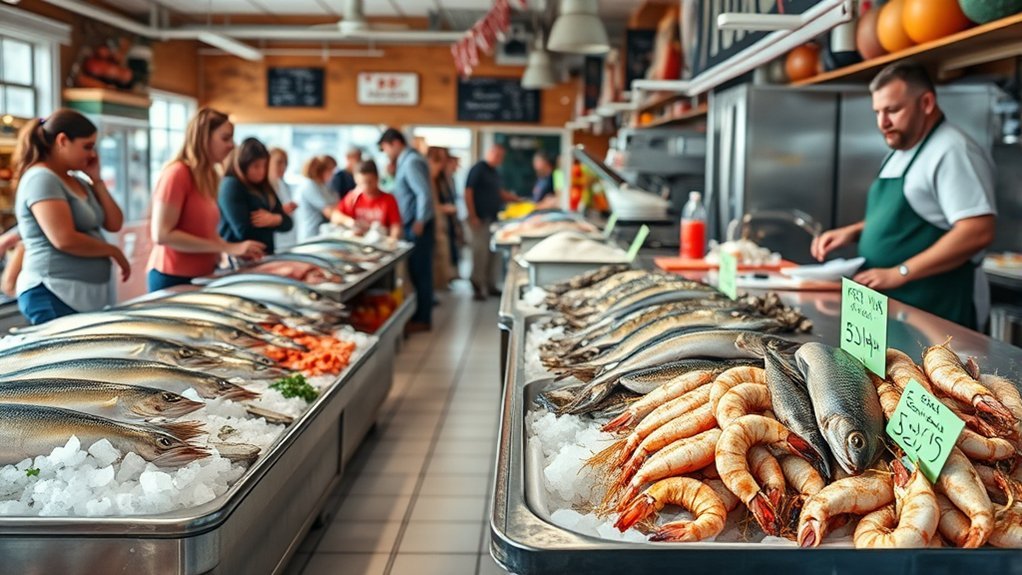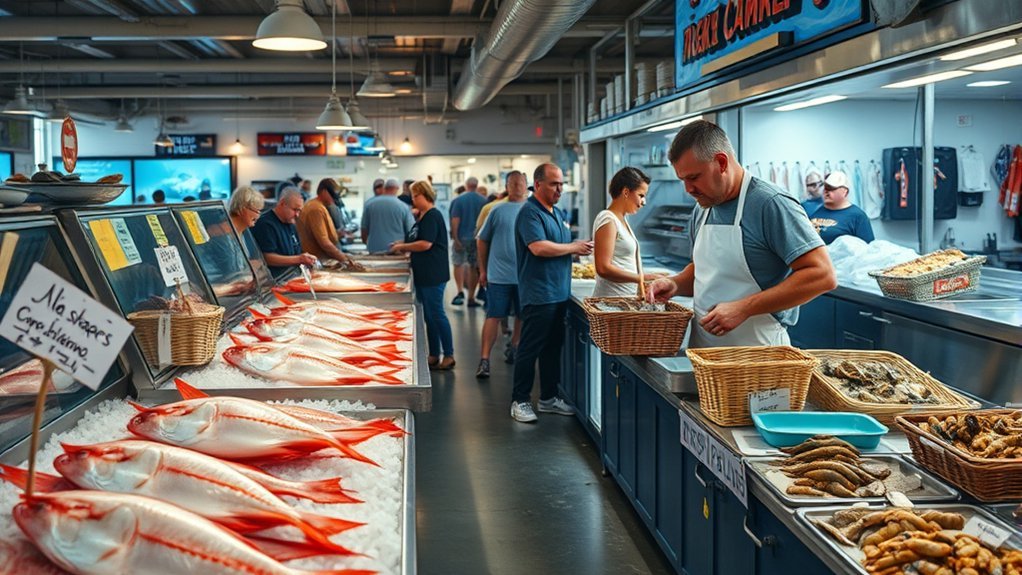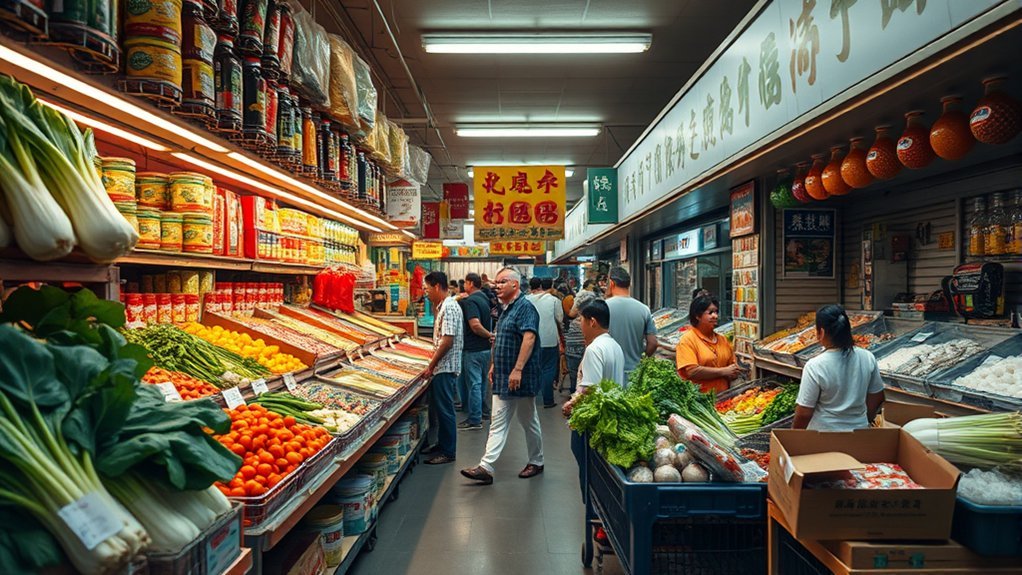
Oklahoma City has several strong Asian and international grocery stores, but each one serves a different kind of shopper. Super Cao Nguyen is the best first stop for a broad Asian selection in the Asian District. Chinatown Supermarket is useful for specialty ingredients and seasonal fruit. World Fresh International Market is a larger international option in south Oklahoma City.
Quick Answer
For the widest Asian-focused selection, start at Super Cao Nguyen. Visit Chinatown Supermarket for dried goods, herbs, spices, sauces, noodles, and seasonal tropical fruit. Choose World Fresh International Market when you want Asian groceries plus foods from Europe, Africa, Latin America, the Middle East, and other regions.
Key Takeaways
- Super Cao Nguyen is Oklahoma City’s oldest ethnic grocery store and a strong all-around choice for produce, meat, seafood, bakery goods, kitchen items, and Asian pantry staples.
- Chinatown Supermarket has served the Asian District since 1999 and highlights dried goods, herbs, spices, condiments, snacks, and seasonal tropical fruit.
- World Fresh International Market carries a broad international range, with Asian foods alongside products from many other regions.
- Product stock and store hours can change. Check the store’s website or call before making a special trip for one ingredient.
The Rich History of Asian Markets in Oklahoma City
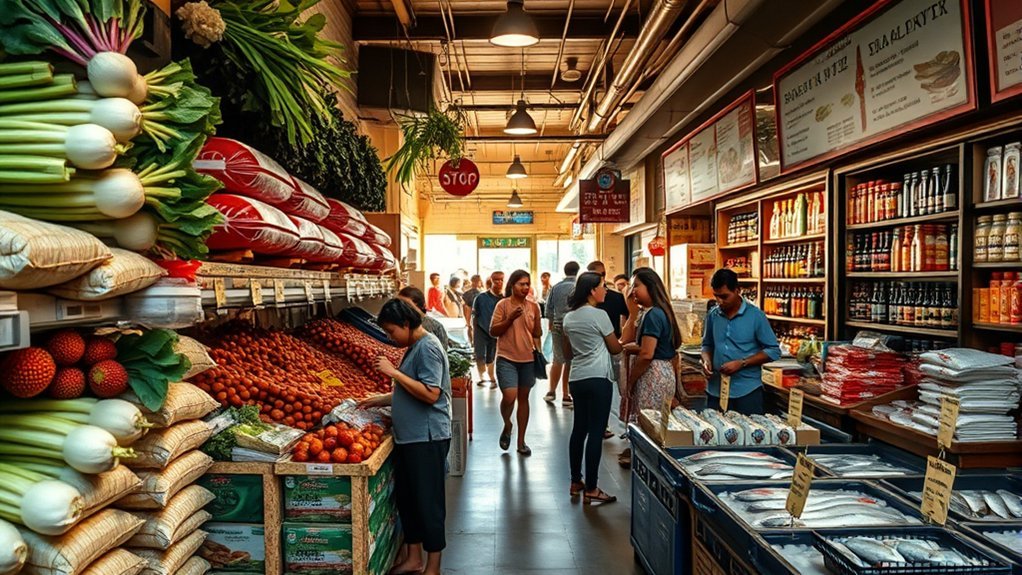
Oklahoma City’s Asian District grew after Vietnamese refugees settled in the city during the 1970s. The area around North Classen Boulevard, roughly between Northwest 23rd and Northwest 30th streets, developed into a center for Vietnamese businesses, restaurants, markets, and community life. Today, the district represents several Asian cultures and remains one of the city’s best places to shop for specialty ingredients.
Visit Oklahoma City identifies Super Cao Nguyen as the city’s oldest ethnic grocery store. The Greater Oklahoma City Asian Chamber of Commerce says the business began in 1979 as a small family grocery serving the growing Vietnamese community. It later expanded into a large international market with produce, bakery, meat, seafood, gifts, kitchen tools, and groceries from many countries.
The original article mixed two different business histories. Chinatown Supermarket, not Hong Kong Market, states that it was established in 1999. World Fresh International Market says its business began as Hong Kong Market, later hired grocery-industry expert David Le in 2009, and then rebranded as Saigon Taipei Supermarket. After 15 years under that name, the business became World Fresh International Market.
Best Asian Markets in Oklahoma City Compared
| Market | Best For | Address and Contact | Hours |
|---|---|---|---|
| Super Cao Nguyen | The broadest Asian-focused shopping trip, including produce, meat, seafood, bakery goods, pantry items, and kitchen tools | 2668 N Military Ave, Oklahoma City, OK 73106 (405) 525-7650 Official website |
Hours vary across current listings. Call or check the website before visiting. |
| Chinatown Supermarket | Dried goods, condiments, herbs, spices, noodles, snacks, and seasonal tropical fruit | 1228 NW 27th St, Oklahoma City, OK 73106 (405) 528-8188 Official website |
The official site lists a 9 a.m. opening, but its displayed day ranges overlap. Call to confirm the closing time before visiting. |
| World Fresh International Market | Asian groceries plus a wider mix of international foods, bakery items, produce, meat, seafood, frozen foods, and home goods | 10700 S Pennsylvania Ave, Oklahoma City, OK 73170 (405) 349-7200 Official website |
Daily, 8 a.m. to 9 p.m., according to the official website |
Note: This guide focuses on three established markets with verifiable business information. Oklahoma City also has smaller Korean, South Asian, Filipino, and other specialty grocery stores. Inventory, ownership, and hours can change, so confirm details before traveling across the metro.
Why Should You Check Out Super Cao Nguyen?
Super Cao Nguyen is the strongest first stop for shoppers who want a large Asian grocery selection in central Oklahoma City. It sits in the heart of the Asian District at 2668 N Military Ave. Visit OKC calls it the oldest ethnic grocery store in the city and the largest ethnic grocery store in the region.
The market grew from a small family shop opened in 1979. Its departments include fresh produce, meat, seafood, bakery goods, specialty groceries, gifts, souvenirs, and kitchen tools. That range makes it useful when your recipe needs several kinds of ingredients, such as fresh herbs, rice noodles, fish sauce, frozen dumplings, mushrooms, rice, tea, or cookware.
What Super Cao Nguyen Is Best For
- One-stop shopping: A broad mix of fresh, frozen, packaged, and non-food items.
- Vietnamese and Southeast Asian ingredients: A natural fit because the store began by serving Oklahoma City’s Vietnamese community.
- Fresh departments: Produce, meat, seafood, and bakery sections allow you to build a full meal in one trip.
- First-time visitors: The larger range gives you room to compare brands, package sizes, and ingredient types.
Pro Tip: Bring a photo of the ingredient label or the name written in its original language. Many sauces, noodles, rice products, and spices have similar English descriptions but different uses.
Why Is Chinatown Supermarket a Go-To for Authentic Asian Ingredients?
Chinatown Supermarket says it has served Oklahoma City’s Asian District since 1999. Its official website highlights dried goods, herbs, spices, snacks, condiments, dried fruit, and seasonal exotic fruit. This makes it a useful stop when a regular supermarket does not carry the right sauce, noodle, seasoning, or produce item.
| Category | What You May Find | Shopping Tip |
|---|---|---|
| Seasonal produce | Jackfruit, rambutan, durian, leafy greens, herbs, and other tropical or Asian produce | Call before visiting for one seasonal fruit because availability changes. |
| Dried goods | Rice, noodles, mushrooms, seaweed, dried fruit, dried seafood, and snacks | Check cooking time, noodle type, and package weight before comparing prices. |
| Herbs, spices, and sauces | Whole spices, spice blends, soy sauces, fish sauces, vinegars, curry pastes, chili sauces, and cooking wines | Match the product to the cuisine and recipe. Similar-looking bottles can taste very different. |
Super Cao Nguyen and Chinatown Supermarket are both in the Asian District, so you can visit them during the same shopping trip. This is useful when one store is out of a seasonal item or you want to compare brands and package sizes.
What to Find at World Fresh International Market
World Fresh International Market is at 10700 S Pennsylvania Ave in south Oklahoma City. Its official site describes the store as a family-owned international market with Asian foods plus products connected to American, Hispanic, African, European, Filipino, Indian, Middle Eastern, and other cuisines.
The store lists produce, seafood, meat, bakery, grocery, frozen foods, and home goods among its departments. It is a practical choice for a household that cooks across several cuisines or wants to combine Asian grocery shopping with a broader international grocery run. The official website also posts weekly promotions and lists daily hours from 8 a.m. to 9 p.m.
The World Fresh Name Change
The business says it began as Hong Kong Market with a primary focus on Asian foods. In 2009, it brought in grocery-industry expert David Le, expanded its product variety, and rebranded as Saigon Taipei Supermarket. After 15 years under the Saigon Taipei name, it became World Fresh International Market to reflect a wider international customer base and product mix.
Note: The original article said World Fresh offered cooking classes and recipe swaps. The market’s current official website does not confirm those programs, so this guide does not present them as active services.
Top Products at Asian Grocery Stores
Asian grocery stores often carry a wider range of regional ingredients than a standard supermarket. Stock varies by store and season, but the following categories are good places to start.
Fresh Produce Variety
Produce sections may include bok choy, napa cabbage, daikon, long beans, bitter melon, Thai eggplant, Chinese broccoli, fresh mushrooms, lemongrass, galangal, Thai basil, shiso, and many other greens and herbs. Seasonal tropical fruit may include jackfruit, rambutan, lychee, longan, dragon fruit, and durian.
- Choose leafy greens with firm stems and crisp leaves.
- Ask staff how to judge ripeness if a fruit is unfamiliar.
- Buy only the amount you can use before delicate herbs wilt.
- Call ahead for seasonal or high-demand fruit.
Authentic Pantry Staples
Pantry aisles can include short-grain, jasmine, basmati, sticky, and other rice varieties; wheat, rice, mung-bean, sweet-potato, and buckwheat noodles; soy sauce; fish sauce; oyster sauce; rice vinegar; chili crisp; curry paste; coconut milk; fermented bean products; seaweed; dried mushrooms; and spice blends.
Read the full label before buying. Products with similar names can have different salt levels, sweetness, ingredients, or intended uses. For example, light soy sauce, dark soy sauce, soup soy sauce, tamari, and sweet soy sauce are not direct substitutes in every recipe.
Unique Snacks Selection
Snack aisles may include shrimp chips, rice crackers, seaweed snacks, mochi, Pocky, filled cookies, instant noodles, gummies, dried fruit, roasted peas, nuts, and region-specific chips. Instead of assuming that one snack represents an entire cuisine, use the label to check its country of origin, flavor, ingredients, and allergen statement.
- Shrimp chips: Light, crisp snacks that usually contain shellfish.
- Mochi: Chewy rice-based sweets that may contain fillings such as red bean, peanut, sesame, or ice cream.
- Pocky and similar biscuit sticks: Coated biscuits sold in chocolate, fruit, tea, and seasonal flavors.
Shopping Tips for Asian Markets
- Start with a recipe and a photo. Save a picture of the package, ingredient, or original-language name. This reduces the chance of buying a similar but incorrect product.
- Compare unit size. A lower shelf price does not always mean a lower price per ounce, pound, or liter.
- Check ingredient and allergen labels. The U.S. Food and Drug Administration identifies nine major food allergens: milk, egg, fish, crustacean shellfish, tree nuts, wheat, peanuts, soybeans, and sesame. Read the full ingredient list, not only the front of the package.
- Buy refrigerated and frozen foods near the end. This limits the time they spend warming in your cart and vehicle.
- Keep raw meat and seafood separate. The U.S. Department of Agriculture recommends separating raw meat, poultry, and seafood from produce and ready-to-eat foods to reduce cross-contamination.
- Ask before opening or handling unfamiliar produce. Some fruits have strong odors, sharp skins, sticky sap, or special storage needs.
- Check dates and package condition. Avoid leaking, swollen, badly dented, torn, or unsealed packages.
- Verify hours and stock. Store hours, holiday schedules, and seasonal inventory can change.
Warning: People with food allergies should read every ingredient list and allergen statement. Imported-style foods may contain common allergens such as soy, wheat, sesame, peanuts, fish, or shellfish. When the label is unclear, do not guess. Ask the store or contact the manufacturer.
How to Plan an Asian Market Shopping Trip
For a First Visit
Start at Super Cao Nguyen because it offers the broadest mix of departments in the Asian District. Give yourself time to walk through the produce, sauces, noodles, frozen foods, meat, seafood, bakery, and housewares sections. Write down brands or take photos of labels for future trips.
For Hard-to-Find Ingredients
Check Chinatown Supermarket before leaving the Asian District. Its official site specifically highlights dried goods, herbs, spices, condiments, and seasonal fruit. Calling first can save time when you need one exact product.
For a Broader International List
Choose World Fresh International Market when your list includes Asian ingredients plus foods from several other regions. Because it is in south Oklahoma City, it may make more sense as a separate trip rather than an add-on to an Asian District visit.
How Do Local Asian Markets Foster Community Connections?
Asian grocery stores help residents find foods connected to family recipes, holidays, and cultural traditions. They also introduce new shoppers to ingredients that may be difficult to find in mainstream supermarkets. Super Cao Nguyen’s history as a family store serving Vietnamese residents and World Fresh’s stated support for local community organizations show how grocery businesses can grow with the communities around them.
Cultural Events and Festivals
Oklahoma City’s Asian District hosts cultural events that bring residents, restaurants, vendors, artists, and visitors together. Visit OKC highlights the Asian Night Market Festival in the fall and Lunar New Year celebrations in February. These are district and city events, so shoppers should check the current event organizer’s schedule instead of assuming that a grocery store is hosting a specific festival.
- Food and vendors: Events may feature prepared dishes, snacks, crafts, and local businesses.
- Performances: Programs can include dance, music, martial arts, fashion, and cultural demonstrations.
- Learning opportunities: Visitors can learn about the history and traditions represented in Oklahoma City’s Asian communities.
Supporting Local Businesses
Shopping at a locally owned market keeps spending connected to the business, its workers, and its suppliers. You can also support the wider district by visiting nearby restaurants, bakeries, cafés, and shops. The most useful form of support is regular, respectful business: buy what you need, ask clear questions, follow store rules, and share accurate information about the store with others. The official World Fresh site confirms weekly promotions, but the current official market pages reviewed for this guide do not confirm a formal customer loyalty program.
An Asian market is more than a place to buy one hard-to-find sauce. It can connect a recipe to a family tradition, introduce a shopper to a new ingredient, and support a local business at the same time.
Frequently Asked Questions
Where do rich people live in Oklahoma City?
This question is not related to Asian grocery shopping. Nichols Hills is commonly discussed in Oklahoma City metro housing guides, but neighborhood wealth and home values change. Use current Census and real-estate data for that topic rather than relying on a grocery article.
What are the most popular brands in Asian markets?
No public store-level sales data identifies one most-popular brand across Oklahoma City’s Asian markets. Depending on the aisle, you may see widely distributed brands such as Kikkoman, Lee Kum Kee, Nongshim, and Thai Kitchen, along with many regional brands. Choose by ingredient list, country, flavor, package size, and recipe needs.
Where do most Asians live in Oklahoma?
Visit OKC describes Oklahoma City’s Asian District as having Oklahoma’s largest Asian population and as the city’s main cultural hub for Asian businesses and events. Exact residential patterns require current Census tract data, so it is safer to call the district the best-known cultural and shopping center rather than claim that every Asian community is concentrated there.
What is the biggest Asian market in Oklahoma City?
There is no single answer because sources use different categories. Visit OKC calls Super Cao Nguyen the largest ethnic grocery store in the region, while World Fresh calls itself Oklahoma City’s largest international market. For an Asian-focused first visit, choose Super Cao Nguyen. For a broader international selection, choose World Fresh.
Which Oklahoma City Asian market is best for first-time shoppers?
Super Cao Nguyen is the best first stop because it combines produce, meat, seafood, bakery goods, pantry items, frozen foods, kitchen tools, and gifts in one market. Chinatown Supermarket is nearby, so you can compare both during the same Asian District trip.
Which market is best for hard-to-find Asian ingredients?
Chinatown Supermarket is a strong choice for dried goods, herbs, spices, condiments, noodles, snacks, and seasonal fruit. Super Cao Nguyen may offer a broader overall range, so checking both stores gives you the best chance of finding an exact ingredient.
Which market is best for groceries from outside Asia?
World Fresh International Market is the best match for a mixed international list. Its official site says it carries Asian foods along with items connected to American, Hispanic, African, European, Filipino, Indian, Middle Eastern, and other cuisines.
Should I call before visiting an Asian grocery store?
Yes, especially when you need a seasonal fruit, fresh seafood item, specialty cut, holiday product, or one exact brand. Calling also helps confirm holiday hours because website and map listings may not update at the same time.
Conclusion
Oklahoma City’s Asian markets give you three useful shopping choices. Start at Super Cao Nguyen for the broadest Asian-focused trip. Add Chinatown Supermarket when you need specialty pantry items or seasonal fruit. Visit World Fresh International Market for Asian groceries plus a wider international selection. Check hours and inventory before leaving home, then bring a clear list and enough time to explore.
Sources
- Visit Oklahoma City: Asian History and Culture and Asian History and Culture Itinerary: Asian District history, population context, Super Cao Nguyen, and cultural events.
- Greater Oklahoma City Asian Chamber of Commerce: Super Cao Nguyen: founding history, address, departments, and business background.
- Chinatown Supermarket Official Website: 1999 establishment, address, contact details, product categories, and seasonal fruit.
- World Fresh International Market Official Website: business history, rebranding, address, hours, departments, and weekly promotions.
- U.S. Food and Drug Administration: Have Food Allergies? Read the Label: major allergens and label-reading guidance.
- USDA Food Safety and Inspection Service: Grocery Shopping Safety: separating raw meat and seafood from produce and ready-to-eat foods.