Arosa Lenzerheide is one of Switzerland’s strongest choices for intermediate skiers because it combines easier cruising terrain with plenty of opportunities to move onto longer and steeper pistes. The connected ski area has 225 km of groomed slopes reaching up to 2,865 metres, with terrain spread across Arosa, Rothorn, Lenzerheide, Valbella, Stätzerhorn, Scalottas, and several smaller sectors.
Quick Answer
The best intermediate skiing in Arosa Lenzerheide is spread across Rothorn, Stätzerhorn, Cumascheals, Tschuggen, and the Lenzerheide-Valbella side. Start on comfortable blue pistes such as Standard Scharmoin, Stätzerhorn-Lavoz, or Cumascheals blue, then progress to selected red pistes as your parallel turns and speed control improve.
Key Takeaways
- Arosa Lenzerheide has 225 km of groomed pistes and a broad mix of easier, intermediate, and advanced terrain.
- In Switzerland, blue pistes are the easier grade. Intermediate skiers often use blues for warm-ups and technique work before progressing to red pistes.
- Useful intermediate areas include Rothorn, Motta, Stätzerhorn, Cumascheals, Tschuggen, Lenzerheide, and Valbella.
- Specific pistes worth considering include Standard Scharmoin 26, Stätzerhorn-Lavoz 60, Cumascheals blue 67, Chumascheals red 68a, Safari 73, and Die Rote 70.
- Conditions can change quickly, so check the official piste map and live operating report before committing to a long route across the resort.
Arosa and Lenzerheide have been connected by the Urdenbahn since 2014, allowing skiers to move between the two sides without a road transfer. That makes it possible to spend a day exploring several sectors, although intermediate skiers do not need to cross the entire ski area to find good terrain.
Beyond downhill skiing, the destination also offers winter hiking, snowshoeing, tobogganing, cross-country skiing, ice activities, mountain restaurants, and other winter experiences. For an intermediate skier, however, the biggest advantage is the ability to choose terrain that matches how confident you feel on a particular day.
Criteria for Intermediate Ski Runs
An intermediate skier has normally moved beyond basic snowplough turns and is becoming comfortable with linked parallel turns, controlled stopping, speed management, and riding lifts independently. Within that broad category, there is still a large difference between someone taking their first steps beyond beginner terrain and someone who is comfortable on most groomed red pistes.
Note: Do not assume that a blue piste means “intermediate” in Switzerland. Switzerland Tourism describes blue runs as the easier grade, while red pistes provide the natural next step for stronger skiers. An intermediate skier may therefore use both blue and red terrain depending on confidence and conditions.
A good intermediate piste should give you enough room to link turns without forcing you into terrain that is beyond your current ability. Width, gradient, snow surface, visibility, traffic, and how tired you are can matter just as much as the color shown on the map.
For lower intermediates, wide blue pistes are useful for improving edging, rhythm, and parallel turns. More confident intermediates can move onto groomed red pistes with steeper pitches and greater changes in gradient.
For most intermediate skiers, the best progression at Arosa Lenzerheide is not to chase the steepest piste. It is to start on a comfortable blue run, build rhythm, and move onto selected reds while your legs are still fresh.
Best Intermediate Ski Runs at a Glance
| Piste or Area | Best For | Suggested Use |
|---|---|---|
| Standard Scharmoin 26 | Lower intermediates | A useful blue-piste warm-up on the Rothorn side before trying steeper terrain. |
| Stätzerhorn-Lavoz 60 | Cruising and confidence | A blue option for practising controlled linked turns on the western side. |
| Cumascheals blue 67 | Technique practice | Good for building rhythm before moving onto the nearby red option. |
| Chumascheals red 68a | Confident intermediates | A logical step up after you are comfortable on the easier terrain around Cumascheals. |
| Safari 73 and Riedboden 73a | Relaxed cruising | Family-oriented terrain that works well for an easier start or recovery run. |
| Die Rote 70 | Stronger intermediates | Use after warming up and only when you are confident on groomed red terrain. |
The official Arosa Lenzerheide ski map should always be your final reference because piste status, connections, and open lifts can change with snow and weather.
Motta and Rothorn
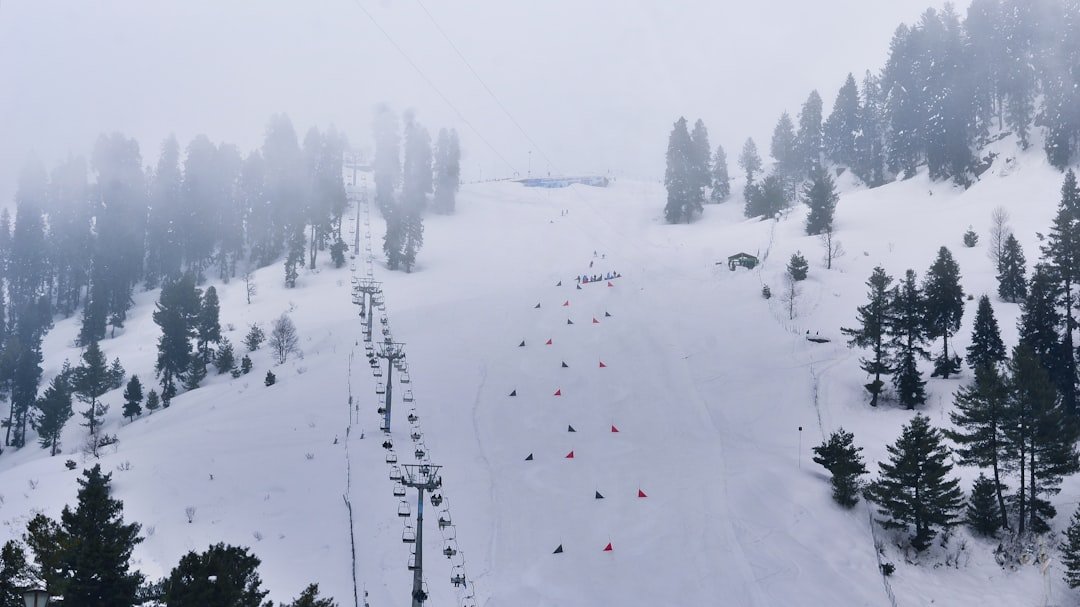
The Motta and Rothorn side is a useful area for intermediates because you can combine easier groomed terrain with more demanding pistes without immediately committing to the hardest parts of the resort.
The official map lists Motta piste 20a and Urdenfürggli piste 20 in this sector. These runs and lifts also place you close to the Urdenbahn connection between Lenzerheide and Arosa, making the area strategically useful if you want to explore both halves of the resort.
For a gentler start on the Rothorn side, Standard Scharmoin 26 is a better choice than heading immediately for the highest terrain. Once your legs are warm and you are comfortable controlling speed, you can consider steeper red-marked pistes such as Slalomhang Crappa Grossa 27 or other open red routes shown on the current map.
The upper Rothorn sector reaches the resort’s highest skiing area at about 2,865 metres. High elevation can provide excellent alpine views, but visibility, wind, temperature, and snow texture can also be very different from the valley.
Pro Tip: If you are crossing toward Arosa, do it while you still have plenty of time and energy. Check the Urdenbahn and connecting lifts before leaving your starting side so you are not relying on a late-day connection that has closed.
Parpaner Rothorn and Stätzerhorn
| Mountain / Sector | Parpaner Rothorn | Stätzerhorn |
|---|---|---|
| Approx. summit elevation | 2,865 m | About 2,575 m |
| Ski-access note | Rothorn lifts provide access to the highest part of the connected ski area. | The Stätzerhorn chairlift top station is around 2,421 m, below the natural summit. |
| Intermediate character | A mix of cruising and stronger intermediate terrain, with conditions more exposed at elevation. | Useful blue and red progression terrain on the Lenzerheide west side. |
| Notable pistes | Totälpli 21 and surrounding Rothorn routes, depending on current grading and opening status. | Stätzerhorn-Lavoz 60, Die Rote 70, Safari 73, and nearby pistes. |
Parpaner Rothorn and Stätzerhorn should not be treated as two single “medium difficulty” mountains. Each sector contains several pistes with different grades, and the difficulty you experience can change with snow, visibility, traffic, and surface conditions.
On the Stätzerhorn side, Stätzerhorn-Lavoz 60 is a useful blue option for intermediate skiers who want room to practise consistent turns. When that feels comfortable, stronger intermediates can look at red pistes such as Die Rote 70.
The Stätzertäli area also gives you easier alternatives including Safari 73 and Riedboden 73a. The resort identifies these as family-slope terrain, making them useful when you want a relaxed run rather than another technical challenge.
Parpaner Rothorn gives confident intermediates access to higher, more exposed terrain. Rather than choosing a run only because it starts high on the mountain, check its color on the current piste map and consider visibility before committing.
Tschuggen and Arosa
Tschuggen is one of the most convenient Arosa sectors for skiers who want several laps without spending much of the day travelling across the resort. The official map lists pistes around Tschuggen Ost, Tschuggen West, Tomeli, Kulm, and Brüggerhorn.
For a more relaxed start, the Leichte Maran pistes 11 and 11a are sensible routes to look for on the current map. The Tschuggen network also includes pistes 13, 13a, 13b, 14, 14a, and 15, giving you several ways to adjust your day rather than repeating one slope.
Arosa is also useful when members of the same group ski at different speeds. A developing intermediate can stay on more comfortable terrain while a stronger skier explores steeper nearby pistes before meeting again at a lift or mountain restaurant.
Ski instruction is available in the Arosa area, and a lesson can be particularly valuable if you are trying to move from cautious parallel turns on blue pistes to controlled skiing on red terrain. A good instructor can identify whether stance, edging, turn shape, or speed control is holding you back.
After skiing, Arosa provides restaurants, cafes, accommodation, and other winter activities, so there is no need to build every day around covering the maximum possible distance.
Lenzerheide and Valbella
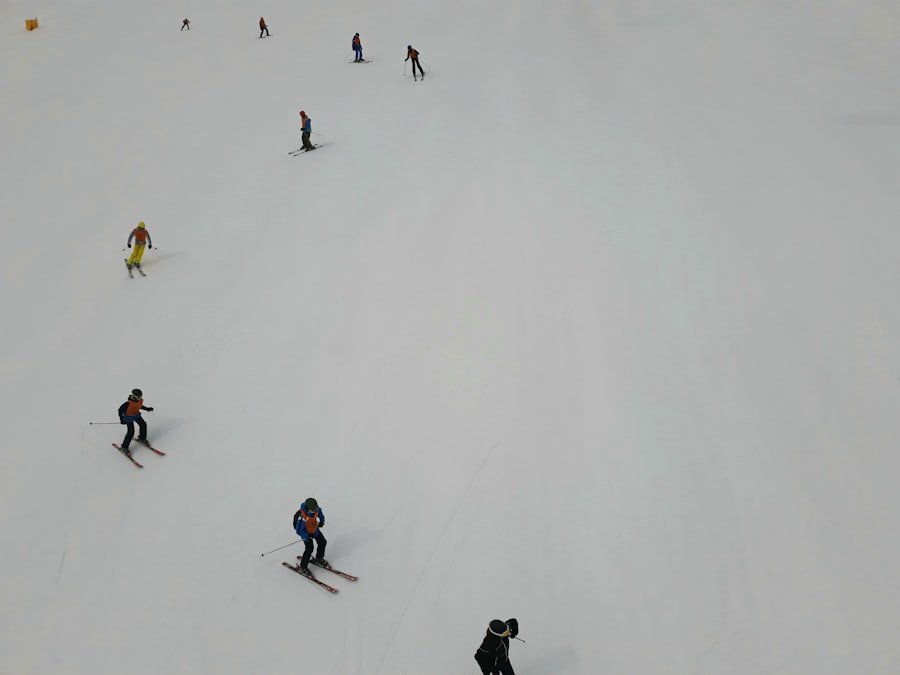
Lenzerheide and Valbella offer some of the most useful progression terrain for intermediate skiers because several blue and red pistes sit close together. That lets you repeat an easier run, assess how you feel, and then move onto something more demanding without crossing the entire resort.
One particularly clear progression is around Cumascheals. The official piste listing includes Cumascheals blue 67 and Chumascheals red 68a. Start on 67 if you want to work on smooth parallel turns. When your speed and turn shape are consistent, 68a provides a logical step up.
The Valbella sector includes connections such as Valbella-Stätz 75 and Sartons-Valbella 76. Nearby Stätzertäli terrain gives you additional choices, including Safari 73, Riedboden 73a, Wasserböden 74, and Stallpiste 74a.
On the western Lenzerheide side, the Scalottas, Pedra Grossa, Lavoz, Cumascheals, and Stätzerhorn lifts create a large network. It is a better strategy to master a few linked pistes than to rush through every sector simply because the lift pass covers the whole resort.
How to Choose the Right Run for Your Ability
If you have only recently moved beyond beginner skiing, choose a blue piste where you can make parallel turns without feeling rushed. Repeat it until you can control your line and speed even when the slope becomes busier.
If you are comfortable on most blue pistes, begin adding groomed reds with short steeper sections. Pick one red run at a time rather than planning a full day made entirely of harder terrain.
A confident intermediate should still pay attention to conditions. A red piste with soft, well-groomed snow in the morning may feel very different after heavy traffic, fresh snowfall, flat light, or late-afternoon refreezing.
Warning: Stay on marked, open pistes unless you have the skills, knowledge, and equipment required for terrain outside secured ski runs. Slow down when visibility is poor or pistes are crowded, and do not choose a harder run simply to keep up with faster companions.
Planning for the 2026/27 Ski Season
For winter 2026/27, Arosa Lenzerheide currently plans partial pre-season operation from November 28 to December 18, 2026. The main winter season is scheduled from December 19, 2026 to March 29, 2027, followed by partial post-season operation from March 30 to April 11, 2027.
These dates are planning windows, not guarantees that every piste will be available. The resort states that actual lift and piste operation depends on weather and snow conditions. Check the official winter sports report and interactive ski map before setting out.
Ticket prices are also designed around advance online booking. The official winter ticket page advises that earlier online booking can provide a better price, so it is worth comparing dates before purchasing.
Tips for Intermediate Skiers
Technique matters more than collecting piste numbers. Work on balanced parallel turns, smooth pressure through each turn, and speed control through turn shape rather than relying on sudden braking.
Choose equipment that suits your ability and the terrain you expect to ski. Properly fitted boots are especially important because loose or painful boots make accurate edge control more difficult. The Swiss Council for Accident Prevention recommends having ski bindings checked and adjusted regularly and wearing a snow-sports helmet.
You can review the BFU’s current skiing and snowboarding safety guidance before your trip.
Dress in layers so you can adapt to changing temperatures. Conditions at 2,500 metres or higher can be considerably different from conditions near the village, especially when wind or cloud moves in.
Study the piste map before each major lift ride. Knowing where your preferred blue alternative is located can prevent you from accidentally entering a red or black route you did not intend to ski.
Take breaks before fatigue becomes obvious. Tired legs reduce edge control and make it harder to react to other skiers. A shorter day with good technique is usually more productive than continuing until every turn becomes defensive.
Pro Tip: Ski your most challenging red piste before lunch, after you have warmed up but before your legs are tired. Use easier blue terrain later in the day if snow becomes scraped, crowded, or difficult to read.
Arosa Lenzerheide stands out for intermediate skiers because it does not force everyone into one type of terrain. You can spend the morning polishing technique on easier slopes, progress to selected reds, cross between Arosa and Lenzerheide when conditions are good, or stay within one sector when you prefer a simpler day.
Motta, Rothorn, Stätzerhorn, Tschuggen, Cumascheals, Lenzerheide, and Valbella all contribute something different. The best choice is therefore not a single “perfect” run. It is the part of the mountain that matches your technique, energy level, visibility, and snow conditions at that moment.
If you prefer to prepare your own food after skiing, the existing recipe for delicious homemade cottage cheese is one simple post-ski meal idea. For piste planning itself, rely on the official resort map and operating report linked above.
Frequently Asked Questions
What are the best ski runs for intermediates in Arosa Lenzerheide?
Good options include Standard Scharmoin 26 for an easier warm-up, Stätzerhorn-Lavoz 60 and Cumascheals blue 67 for confidence-building, and Chumascheals red 68a or Die Rote 70 for stronger intermediates. Tschuggen, Rothorn, Stätzerhorn, and the Lenzerheide-Valbella sectors all provide additional choices.
Are blue pistes considered intermediate in Arosa Lenzerheide?
Blue is the easier piste grade in Switzerland. Lower intermediates often spend plenty of time on blue runs while improving parallel turns and carving. Red pistes are the natural next step for skiers who can already control their speed and line confidently.
Which area is best for a lower-intermediate skier?
Look for easier terrain around Scharmoin, Cumascheals, Stätzertäli, and selected Arosa pistes such as Leichte Maran. Safari 73 and Riedboden 73a are also useful relaxed options. Always confirm the current piste grading and status on the official map.
Where should a confident intermediate ski?
Confident intermediates can progress onto selected groomed red pistes around Cumascheals, Stätzerhorn, Rothorn, Scalottas, and other sectors. Chumascheals red 68a and Die Rote 70 are examples to consider after warming up on easier terrain.
Can intermediate skiers travel between Arosa and Lenzerheide?
Yes. The Urdenbahn links the Arosa and Lenzerheide sides of the ski area. Intermediate skiers can use the connection, but they should check which connecting pistes and lifts are open and make sure the required terrain matches their ability before starting a cross-resort route.
What amenities are available for intermediate skiers?
The destination has ski and snowboard schools, equipment rental, mountain restaurants, accommodation, local transport, and après-ski options. Lessons are especially useful if you want help progressing from comfortable blue-piste skiing to controlled turns on red pistes.
What should intermediate skiers check before starting each day?
Check the live lift and piste report, weather, visibility, and the current ski map. Make sure your equipment is correctly adjusted, carry suitable layers, and choose your first run conservatively so you can judge the day’s snow conditions before moving onto harder terrain.
Sources
- Arosa Lenzerheide: Skiing & Snowboarding — official ski-area size, elevation, and resort information.
- Arosa Lenzerheide Ski Map — official lift, sector, and piste names and numbers.
- Arosa Lenzerheide Operating Hours — 2026/27 operating periods and condition-dependent opening information.
- Switzerland Tourism: Ski Piste Difficulty — guidance on blue, red, and black piste classifications.
- Switzerland Tourism: Arosa Lenzerheide Snow Report — piste classifications and current condition reporting.
- BFU: Skiing and Snowboarding Safety — Swiss guidance on speed, helmets, bindings, and safe piste behaviour.