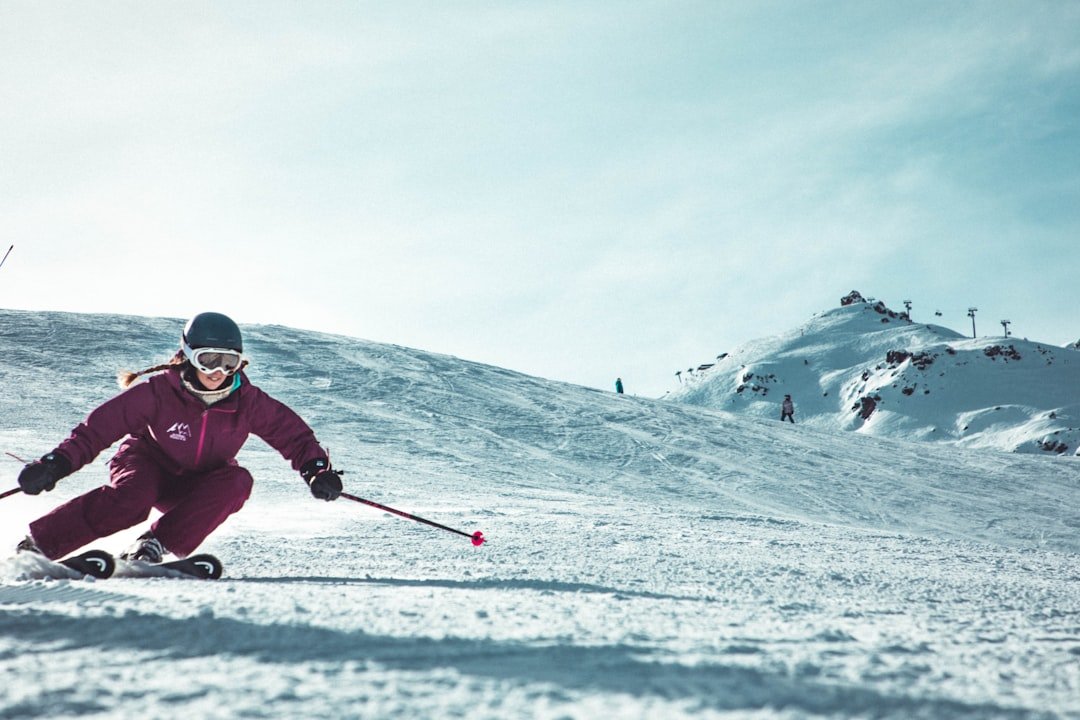
Saas-Fee is one of the strongest Swiss destinations for intermediate skiers who want high-altitude groomed terrain, long descents and room to progress from comfortable cruising to more demanding red pistes. The local Saas-Fee ski area currently lists about 100 kilometres of pistes, while the wider Saas-Fee/Saastal region offers around 150 kilometres across several separate ski areas.
Quick Answer
For most intermediate skiers in Saas-Fee, Morenia is a good place to build confidence, Längfluh and Spielboden offer enjoyable longer descents, and the high terrain reached through Felskinn and Mittelallalin adds altitude and variety. Stronger intermediates can progress toward Plattjen when conditions and open pistes suit their ability.
Key Takeaways
- Morenia is one of the most useful sectors for intermediate skiers who want broad groomed terrain and repeated practice runs.
- Längfluh and Spielboden suit intermediates who enjoy longer scenic descents and changing gradients.
- Mittelallalin and Felskinn are mountain stations or sectors, not single named intermediate runs.
- Plattjen generally makes more sense for confident intermediates who are already comfortable on stronger red terrain.
- Hohsaas is a separate ski area above Saas-Grund, so it should not be confused with the Saas-Fee piste network.
- Check the official piste map, lift status, weather and visibility before choosing your route for the day.
Saas-Fee sits among high Alpine peaks including the Dom and Weissmies, and much of its skiing takes place above the tree line. That creates impressive open terrain, but it also means visibility, wind and snow surface can change how difficult a piste feels. Intermediate skiers should therefore choose terrain by current conditions as well as by piste colour.
Saas-Fee itself lists about 100 km of pistes, while the wider Saas-Fee/Saastal winter region advertises about 150 km across its separate ski areas.
Factors to Consider for Intermediate Skiers
The first question is not simply whether a piste is marked blue or red. Consider how comfortable you are controlling speed on sustained gradients, making linked parallel turns and stopping confidently when the piste becomes busy or firm.
Snow conditions can make the same descent feel very different from one day to the next. Fresh groomed snow may feel forgiving in the morning, while hard-packed or polished sections can demand more precise edge control. Flat light, fog and snowfall can also make it harder to read changes in the surface.
Fatigue matters as well. Longer descents are rewarding, but tired legs can reduce balance and reaction time. Take breaks before your technique starts to deteriorate, and keep food and water available during the day.
Note: Lift and piste availability changes with weather, snow conditions and operational decisions. Check the official Saas-Fee piste map and current lift information before committing to a route.
For winter 2026/27, the destination currently lists the Saas-Fee winter season from November 1, 2026 through April 18, 2027. Individual lifts and lower sectors can operate on shorter or phased schedules, so those overall season dates should not be treated as a guarantee that every piste will be open.
Top Intermediate Ski Runs and Areas in Saas-Fee
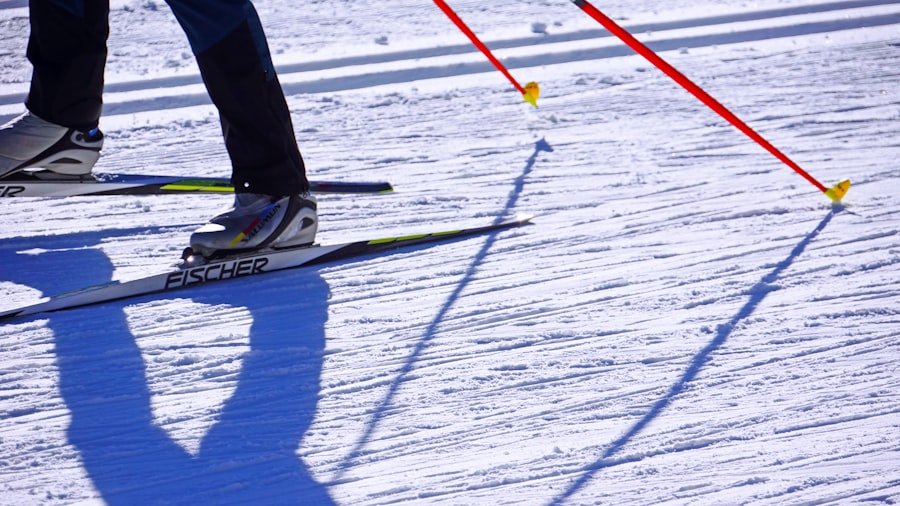
Saas-Fee has several sectors that work particularly well for intermediate skiers. It is more accurate to think in terms of areas and linked descents than to treat every lift station as the name of one run.
Morenia: Best for Building Confidence
Morenia is a practical starting point for many intermediate skiers. The sector gives you access to groomed terrain where you can work on consistent parallel turns, speed control and carving without immediately committing to the mountain’s more demanding options.
Repeating a familiar slope can be useful when you are trying to improve technique. Once you can ski it smoothly without defensive braking or rushed turns, move to a longer or more varied descent.
Längfluh and Spielboden: Best for Longer Scenic Descents
The Längfluh and Spielboden side of the area is a strong choice when you want longer skiing and changing terrain. These descents can help an intermediate skier practise maintaining rhythm over a sustained run rather than making only short laps.
The official destination also operates the Längfluh mountain restaurant, giving this side of the mountain a convenient place to stop when facilities are open.
Mittelallalin, Felskinn and the Upper Mountain
Mittelallalin is the high-altitude destination reached through the Felskinn and Metro Alpin system. It sits around 3,500 metres and provides access to upper-mountain and glacier skiing. It should not be described as one piste called the “Mittelallalin run.”
Likewise, Felskinn is an important access point within the mountain transport network rather than one single ski run. Intermediate skiers using this side of Saas-Fee can choose among open pistes linking the upper mountain and Morenia according to their ability and the day’s conditions.
High-altitude terrain can feel very different in poor visibility. If cloud or flat light makes the surface difficult to read, choosing lower or more familiar groomed terrain can be the better decision.
Plattjen: A Step Up for Stronger Intermediates
Plattjen is better suited to intermediates who are already comfortable controlling speed on red pistes and steeper sections. It can be a useful progression area once easier cruising terrain no longer feels challenging.
Do not choose Plattjen simply because you want to “level up.” Check the open-piste information first and make the decision based on your current control, snow conditions and visibility.
What About Hohsaas?
Note: Hohsaas is not part of the Saas-Fee ski area. It is the separate ski area above Saas-Grund. Its operator currently lists about 34 km of pistes, so it can be considered as an additional Saas Valley ski day rather than a Saas-Fee run.
Hohsaas can still appeal to intermediate skiers who are staying long enough to explore more of the valley. Just plan it as a separate ski area and check the correct lift pass and transport arrangements for your visit.
Pro Tip: A sensible progression is to begin on comfortable groomed terrain around Morenia, add a longer Längfluh or Spielboden descent, then consider stronger terrain such as Plattjen only when your turns remain controlled from top to bottom.
Tips for Progressing Skiers
| Tip | Description |
|---|---|
| Practice Balance | Keep your stance centred so you can absorb terrain changes and control both skis consistently. |
| Carve Turns | Practise clean edge changes on a gentle, uncrowded groomed piste before trying to carve at higher speed. |
| Use Poles Effectively | Use light, well-timed pole plants to support rhythm instead of relying on your poles for balance. |
| Stay Relaxed | Avoid locking your knees or upper body. A relaxed stance makes it easier to adapt to changing snow. |
| Take Lessons | A professional instructor can identify technique problems that are difficult to diagnose on your own. |
One useful progression exercise is to practise linked carved turns on a gentle groomed slope. Focus on a smooth edge change and a balanced stance instead of trying to create more speed. If the skis begin to run away from you, return to rounder turns and stronger speed control.
Rhythm is another valuable skill. Practise several consistent short turns, then several wider turns, while keeping your upper body quiet. Changing turn shape deliberately helps prepare you for narrower sections, changing gradients and busier pistes.
Lessons can accelerate that progression. Saas-Fee has ski schools offering tuition across ability levels, including intermediate skiers. Tell the instructor exactly what you want to improve, such as carving, confidence on red pistes, short turns or skiing firm snow.
Safety Precautions for Intermediate Skiers
Intermediate skiers often begin travelling faster and exploring more of the mountain, so good piste behaviour becomes even more important. Follow posted signs and closures, control your speed, give people downhill enough space and avoid stopping where you cannot easily be seen from above.
The International Ski and Snowboard Federation publishes a Code of Conduct for Skiers and Snowboarders covering responsible behaviour on pistes.
A helmet is strongly recommended, but it does not replace controlled skiing. Keep enough distance from other slope users to react if they fall or change direction unexpectedly.
Weather is particularly important in Saas-Fee’s open, high-altitude terrain. Dress in layers, protect exposed skin, use goggles suited to the light and be prepared to change your route if visibility deteriorates.
Warning: Do not treat off-piste skiing as an ordinary extension of a marked run. Outside secured pistes you can encounter avalanche terrain, hidden obstacles and glacier hazards. Check the Swiss SLF avalanche information, and use an appropriately qualified guide if you do not already have the necessary avalanche knowledge, equipment and route-planning skills.
If snow, wind or visibility becomes poor, returning to familiar marked pistes is usually a better progression decision than forcing yourself onto more difficult terrain.
Apres-Ski Activities in Saas-Fee
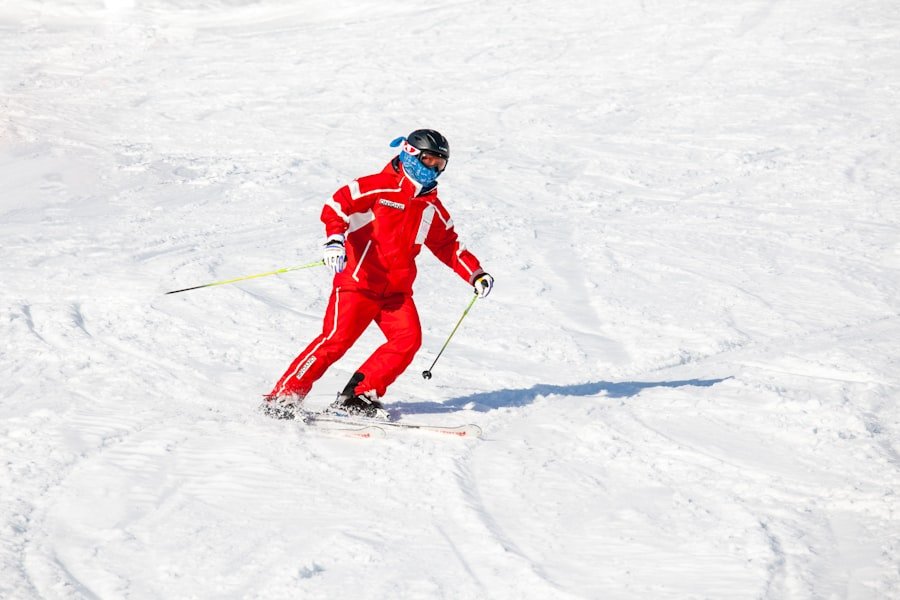
After skiing, Saas-Fee has bars, restaurants, mountain restaurants and wellness options where you can recover before the next day on the slopes. Individual venues, opening hours and entertainment schedules change, so it is better to check the current destination directory than rely on an old description of a particular bar or evening programme.
For a high-altitude stop, the revolving Allalin restaurant at Mittelallalin sits around 3,500 metres and serves regional and international food. The Längfluh mountain restaurant is another officially listed option, with Swiss and international dishes and views across the Fee Glacier when conditions are clear.
You can browse current choices through the official Saas-Fee/Saastal mountain restaurant directory. Check opening information before building a ski route around a meal stop.
Wellness can be particularly useful after several consecutive ski days. Saunas, steam rooms and massages can help you relax, but basic recovery still starts with sleep, hydration and adequate food.
Equipment and Gear for Intermediate Skiers
Intermediate skiers usually benefit from skis that balance stability with manageable turn initiation. The right choice depends on your height, weight, speed, preferred turn shape and whether you spend most of your time on groomed pistes or want a more versatile all-mountain setup.
Boot fit matters even more than ski branding. A boot that holds your heel securely and transfers movement efficiently gives you better control than an overly loose boot, while a boot that creates painful pressure points can ruin a full ski day. If you rent, tell the fitter your ability level and any previous fit problems rather than simply asking for an “intermediate” package.
Waterproof, breathable outerwear is valuable in changing mountain weather. Use a moisture-managing base layer, an insulating mid-layer when needed and a weatherproof shell rather than relying on one bulky layer.
Goggles should provide clear visibility in the day’s light conditions, and gloves should keep your hands warm without making pole handling difficult. A helmet, sunscreen and neck or face protection are also sensible parts of a high-altitude ski kit.
Next Steps for Intermediate Skiers in Saas-Fee
A useful way to progress is to make each ski day slightly more demanding rather than jumping immediately to the hardest terrain you can technically descend. Warm up on a familiar groomed piste, then choose one skill to practise before moving to a longer or steeper run.
- Warm up: Make several controlled runs on terrain that feels comfortably within your ability.
- Choose one technique goal: Work on turn shape, edge control, short turns or maintaining a centred stance.
- Add terrain gradually: Move from easier Morenia laps toward longer descents around Längfluh/Spielboden or stronger red terrain when ready.
- Use instruction: Book a lesson if the same technical problem keeps returning or if fear is preventing progress.
- Finish before exhaustion: Your last run should happen while you can still ski in control.
Trying new terrain is valuable, but progression is not measured by the colour of the hardest piste you survive. A better sign of improvement is being able to maintain control, rhythm and confidence across a wider range of snow conditions and gradients.
If you’re staying in self-catering accommodation and want a simple snack after skiing, you can also see this existing related recipe: Delicious Homemade Cottage Cheese: A Simple and Healthy Recipe.
Frequently Asked Questions
What are the best ski runs in Saas-Fee for intermediate skiers?
Rather than relying on one named piste, intermediates should look at the Morenia sector, longer descents around Längfluh and Spielboden, and upper-mountain terrain reached through Felskinn and Mittelallalin. Plattjen can suit stronger intermediates when the relevant pistes are open and conditions are appropriate.
Which Saas-Fee area is best for a cautious intermediate skier?
Morenia is a sensible place to start because it gives you access to groomed terrain where you can repeat runs and work on consistent speed control. Always check the current piste map because difficulty can feel different when snow is firm or visibility is poor.
Are Längfluh and Morenia good for intermediate skiers?
Yes. Morenia is useful for technique practice and repeat laps, while the Längfluh and Spielboden side is attractive when you want longer descents and more varied terrain.
What kind of terrain can intermediate skiers expect in Saas-Fee?
Expect groomed blue and red terrain, broad open slopes above the tree line, high-altitude glacier skiing and longer linked descents. Conditions can change the difficulty significantly, especially when the surface is hard or visibility is flat.
Is Hohsaas part of the Saas-Fee ski area?
No. Hohsaas is the separate ski area above Saas-Grund. It is part of the wider Saas Valley destination, but it should not be described as a Saas-Fee piste or sector.
Are there ski schools in Saas-Fee for intermediate skiers?
Yes. Ski schools in Saas-Fee offer instruction for different ability levels. Intermediate skiers can use lessons to work on carving, short turns, confidence on red pistes, variable snow and other specific technique goals.
What other winter activities are available around Saas-Fee?
The wider Saas Valley offers winter hiking, snowshoeing, sledging, ice activities, guided glacier experiences and other winter activities. Some activities require specialist equipment or professional guidance.
How should I check which Saas-Fee pistes are open?
Use the official Saas-Fee/Saastal piste map and live information before skiing. Check lift and piste status, weather, visibility and snow information because operating conditions can change during the season and even during the day.
Sources
- Saas-Fee/Saastal: Winter in the Saas Valley — current regional piste mileage and winter-season information.
- Saas-Fee/Saastal Piste Map — official ski-area layout and route-planning reference.
- Saas-Fee Accessible Winter Sports — confirms the local Saas-Fee area has about 100 km of pistes.
- Bergbahnen Hohsaas AG — confirms Hohsaas is the Saas-Grund ski area and provides its current piste information.
- International Ski and Snowboard Federation — official skier and snowboarder conduct guidance.
- WSL Institute for Snow and Avalanche Research SLF — authoritative Swiss avalanche information for unsecured terrain.