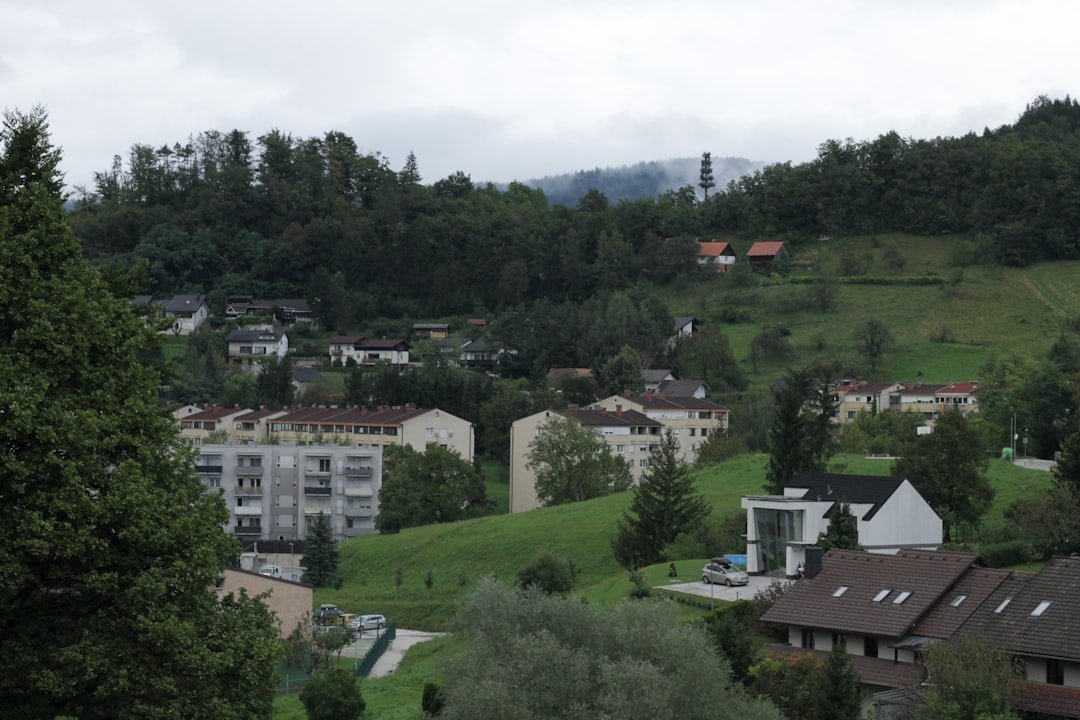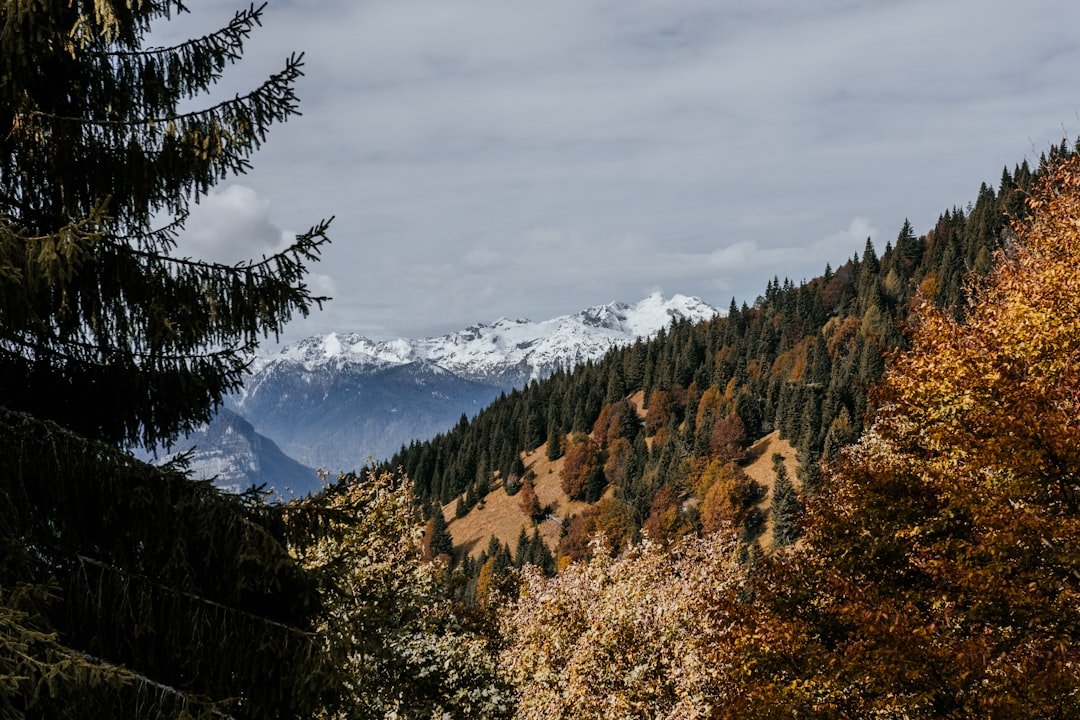
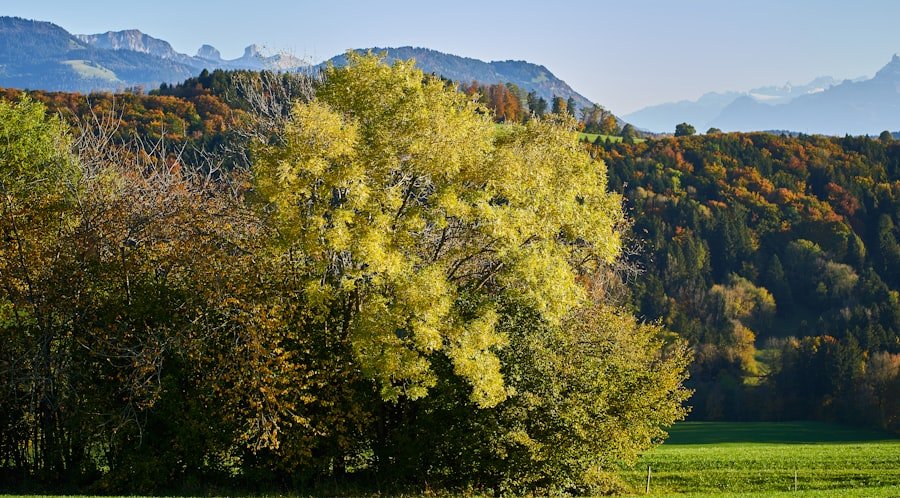
Autumn in the Swiss Alps is less about one nationwide “peak week” and more about choosing the right elevation and region at the right time. I would plan around golden larch forests in high Alpine valleys, colorful deciduous woods at lower elevations, clear lakes, and early snow on the surrounding peaks. Conditions change from year to year, so flexibility matters as much as the destination.
Quick Answer
For Swiss Alps autumn foliage, I would target late September through October and adjust by elevation. Engadin, Zermatt, Saas-Fee, Grindelwald, Lauterbrunnen, Lake Thun, and Lake Lucerne are strong choices. High-elevation larches often turn golden around mid-October, while lower forests can change earlier or later depending on weather.
Key Takeaways
- There is no fixed nationwide peak. Elevation, tree species, frost, temperature, and rainfall all affect the timing.
- Golden larch is one of the signature autumn sights in high Alpine areas, especially Engadin and parts of Valais.
- Grindelwald and Lauterbrunnen combine autumn forests with dramatic mountain walls, villages, and waterfalls.
- Lake Thun and Lake Lucerne are useful choices when I want easier walks, boat trips, and lower-elevation scenery.
- Zermatt and the Saas Valley offer excellent autumn hiking, but trail conditions can change quickly as snow arrives at higher elevations.
- For 2026 travel, the Glacier Express does not operate from October 11 through December 4, so I would check the current timetable before building an autumn itinerary around it.
When Autumn Colors Peak in the Swiss Alps
The most important thing I have learned is not to treat “mid-September to mid-October” as a guaranteed peak season everywhere. Switzerland has large elevation differences, and the color change moves through different landscapes at different times.
MeteoSwiss notes that larches above about 1,500 metres change color on average around mid-October. Larch, birch, lime, and maple can turn golden yellow, while beech can add yellow, orange, and brown-red tones. Deep red foliage is generally less dominant than the classic red-heavy fall displays associated with parts of North America.
For the classic high-Alpine look of golden larches against snowy peaks, mid-October is often one of the most promising periods, but the exact peak changes each year.
I would use the Switzerland Tourism foliage map as my trip gets closer instead of relying only on calendar dates. In Engadin, local tourism authorities also provide current larch information during the autumn season.
Pro Tip: If my trip dates are fixed, I choose two elevations within the same region. If high-elevation larches are early or late, I can often find better color in lower valleys, lakeside forests, or nearby villages.
Best Swiss Alps Autumn Foliage Spots at a Glance
| Area | Autumn Highlight | Timing Tendency | Best For |
|---|---|---|---|
| Engadin | Golden larch forests, lakes, traditional villages | Especially October | Classic golden-larch scenery |
| Zermatt | Larches, mountain lakes, Matterhorn views | Late September into October, weather dependent | Mountain photography and hiking |
| Saas Valley | Larch forests, glaciers, high-Alpine landscapes | October is a strong target | Quiet trails and dramatic altitude contrast |
| Grindelwald & Lauterbrunnen | Forests, waterfalls, cliffs, villages | Late September through October | Easy-to-combine scenic stops |
| Lake Thun | Lakeside forests, castles, villages, mountain views | Broad autumn window | Relaxed walks and boat trips |
| Lake Lucerne | Lake, wooded slopes, villages, excursion mountains | Broad autumn window | Scenic cruises and lower-elevation exploring |
Exploring the Colorful Landscapes of Grindelwald and Lauterbrunnen
Grindelwald and Lauterbrunnen remain two of my favorite choices when I want autumn color without giving up the classic Bernese Oberland scenery. Around Grindelwald, changing forests sit below the Eiger and other high peaks, while the village gives me easy access to walks and mountain transport.
Lauterbrunnen offers a different combination. Switzerland Tourism describes the valley as having 72 waterfalls, with water dropping from the steep rock walls around the valley. I find the contrast particularly appealing in autumn because lower forests can carry yellow, orange, and brown tones while the cliffs and high mountains may already show traces of snow.
The relatively gentle Lauterbrunnen-to-Stechelberg valley route is also an option when high-altitude trails have poor conditions. Switzerland Tourism lists that route at about 8 km with roughly 161 m of ascent, making it very different from a high mountain hike.
For photography, I would avoid focusing only on the famous village viewpoints. A valley-floor walk lets me frame trees, waterfalls, farm buildings, and cliffs together instead of producing the same wide landscape photograph at every stop.
Note: Waterfall flow, cloud cover, and foliage color can look very different after rain, frost, or a dry spell. I would check the weather rather than assuming every autumn day will produce the same scene.
Taking in the Stunning Views at Lake Lucerne and Lake Thun
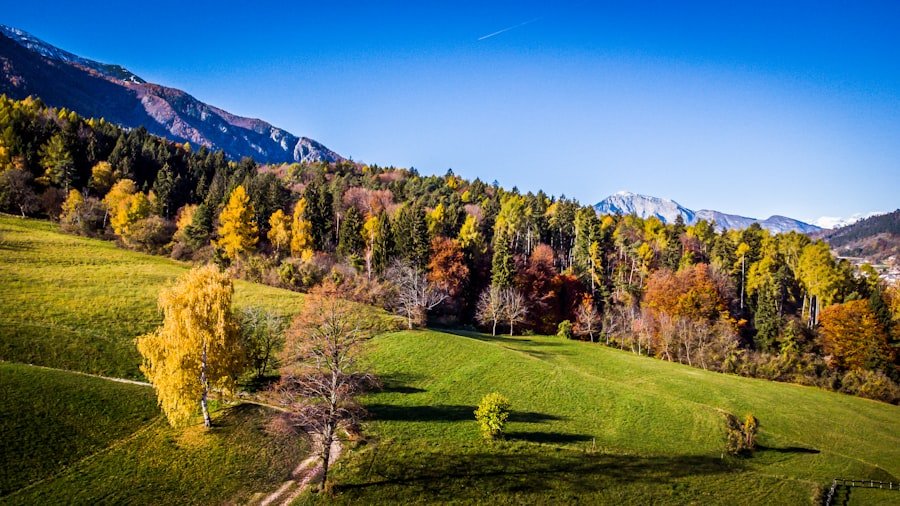
Lake Lucerne and Lake Thun give me a useful alternative when high-elevation weather becomes uncertain. Instead of depending on one mountain trail, I can combine lakeside walks, towns, viewpoints, and boat travel.
Lake Lucerne is surrounded by wooded slopes, villages, and mountains such as Rigi and Pilatus. Switzerland Tourism notes that scheduled boats depart from the Lucerne area and connect different parts of the lake. I would still check the current Lake Lucerne information and operator timetable because frequencies can change by season.
Lake Thun offers another strong autumn combination. Interlaken Tourism promotes the area specifically for autumn walks, when colorful forests and mountain scenery are reflected around Lake Thun and nearby Lake Brienz. A walk around Thun, Spiez, Oberhofen, or another lakeside village can work well when I want scenery without committing to a demanding hike.
I still like the idea of a boat ride, but I would treat it as one part of the day rather than the entire foliage experience. Shore paths, old towns, vineyards, castles, and wooded slopes often provide more opportunities to photograph individual autumn details.
Hiking Through the Vibrant Valleys of Zermatt and Saas-Fee
Zermatt and the Saas Valley are especially appealing when I want golden larches with glaciers and high peaks. They also require more careful planning because autumn conditions at altitude can change rapidly.
| Trail | Distance | Elevation Profile | Difficulty / Notes |
|---|---|---|---|
| Gornergrat to Riffelberg, Sunshine Trail | 3.1 km | Primarily downhill from Gornergrat | Medium; official walking time about 1 hour |
| Five Lakes Route, Zermatt | 11.3 km | 265 m ascent / 542 m descent | Moderate; official time about 3 h 30 min |
| Saas-Fee to Almagelleralp, official multi-day trek Stage 1 | Stage distance not separately listed by the official source | 1,147 m ascent / 752 m descent | Demanding; official time about 5 h 35 min |
The corrected figures matter. The direct Gornergrat-to-Riffelberg Sunshine Trail is not the 5.5 km easy walk previously described. Gornergrat lists it at 3.1 km and medium difficulty. The official Five Lakes Route is 11.3 km with 265 m ascent and 542 m descent.
The Saas Valley also deserves careful route selection. The earlier 10 km “Almagelleralp to Saas-Fee” figure does not match the current official route information I found. Saas-Fee/Saastal instead documents several distinct itineraries in this area, including a demanding Saas-Fee-to-Almagelleralp stage and the Almageller high trail between Almagelleralp and Kreuzboden.
For pure autumn color, I do not necessarily need the hardest route. Lower trails through larch forest can be more colorful than terrain above the tree line. Saas-Fee/Saastal specifically highlights larch forests among its hiking attractions.
Warning: Autumn mountain conditions can change quickly. Before hiking, I check the current trail and lift status, weather forecast, daylight, and possible snow or ice. Mountain hiking trails can be steep, narrow, exposed, and slippery. I use sturdy footwear, carry warm and waterproof layers, stay on marked trails, and turn back if conditions deteriorate.
Discovering the Charming Villages of the Engadin Valley
If golden larch is my main priority, Engadin moves close to the top of my list. The high valley combines larch forests with lakes, mountain slopes, and villages whose architecture gives the landscape a distinctive character.
St. Moritz is the best-known base, but I would also make time for places such as Sils, Silvaplana, and the surrounding lake district. Sils is particularly attractive in autumn because the larches can reflect in the water when conditions are calm.
Engadin Tourism says the larches in Engadin and much of Graubünden turn golden during October and provides current viewing information through its larch-tracking resources. Another Engadin Tourism account notes that the natural change around Sils commonly begins near the start of October.
I would therefore avoid promising myself one exact peak date. If I have several days, I can explore the valley at different elevations and use webcams or local foliage updates to decide where to walk each morning.
Enjoying the Autumn Colors from the Glacier Express Train
The Glacier Express can be a memorable way to see Alpine scenery without spending an entire day on foot. Its route connects Zermatt and St. Moritz and passes mountain valleys, villages, gorges, bridges, and the Engadin area. The train’s panoramic windows are designed to provide broad views of the surrounding landscape.
I would not, however, assume that it operates throughout the entire autumn foliage season. The official 2026 Glacier Express timetable states that trains will not run from October 11 through December 4, 2026. A seat reservation is also mandatory.
Note: The October 11-December 4 closure applies to the 2026 Glacier Express timetable. For a later year, I would verify the new timetable rather than assuming the same dates.
For photography, the panoramic windows are excellent for viewing but can create reflections. The Glacier Express also states that lowerable windows are available at entrance doors for glare-free photographs. I would use only designated passenger areas and follow crew instructions rather than trying to open or lean from any other window.
When the service dates line up with the foliage, the eastern part of the journey toward Engadin can be especially attractive because of the golden-larch landscapes around Graubünden. When they do not line up, regular regional rail services may still provide scenic alternatives, so I would build flexibility into the itinerary.
Sampling Local Flavors and Traditions at Alpine Festivals
Autumn in Switzerland is also harvest and tradition season. Instead of treating festivals as a generic extra, I would look for events connected to the region I am already visiting.
Around Lake Thun and the Interlaken holiday region, official tourism listings include cattle drives, the Justistal “Chästeilet” cheese-sharing tradition, and wine-related celebrations around Spiez. Other Swiss regions hold autumn markets, livestock shows, harvest events, and seasonal food festivals.
The food itself can be part of the experience. Autumn menus may feature regional cheeses, breads, chestnuts, mushrooms, game dishes, seasonal vegetables, and local wine depending on the canton and restaurant. What is available varies considerably by region.
I would always verify the current year’s event date before traveling specifically for a festival. Alpine cattle descents and harvest celebrations are tied to local conditions and do not necessarily fall on the same weekend every year.
The original article also linked to Exploring the Delightful World of Asian Melon. That is a separate food article rather than a guide to Swiss autumn cuisine, so I would treat it as optional general food reading rather than part of the Swiss foliage itinerary.
Tips for Photographing the Swiss Alps in Autumn
Autumn photography in the Alps becomes easier when I plan around light and location rather than simply waiting for the brightest leaves. Early morning and late afternoon often give me softer light, while midday can work well when clouds diffuse harsh sunshine.
- Use water for reflections: Lake Sils, mountain lakes around Zermatt, Lake Thun, and other calm water can reflect larches and peaks.
- Include a foreground: A trail, fence, rock, chalet, or branch gives scale to a wide mountain scene.
- Photograph color contrasts: Golden trees against dark evergreens, grey cliffs, blue water, or fresh snow often produce stronger images than foliage alone.
- Watch the weather: Clearing clouds after rain can reveal peaks while the wet landscape deepens color.
- Carry a lens cloth: Mist, drizzle, and waterfall spray can quickly cover a lens.
- Use a polarizing filter carefully: It can reduce glare on foliage and water, but an ultra-wide lens can make blue skies look uneven.
- Expect short daylight at altitude: I leave enough time to return before dark instead of stretching a hike for one final photograph.
Patience still matters. A cloud may move away from a summit, wind may settle enough for a lake reflection, or sunlight may reach a larch-covered slope for only a few minutes. I prefer to spend longer at one promising location rather than rushing between many nearly identical viewpoints.
What to Pack for an Autumn Trip to the Swiss Alps
Even on a mild valley day, I prepare for colder conditions higher up. My basic autumn kit includes layered clothing, a warm mid-layer, waterproof shell, sturdy walking shoes, sun protection, water, snacks, a charged phone, and an offline or paper route map for longer hikes.
For photography days I also carry spare batteries because cold temperatures can reduce battery performance. If I am heading onto mountain hiking trails, I add equipment appropriate for the published trail category and current conditions rather than treating an autumn hike like a summer city walk.
Pro Tip: I check three things again on the morning of any high-level outing: trail status, transport or lift status, and the mountain weather forecast. A beautiful foliage forecast is not a reason to continue onto a closed, icy, or unsafe trail.
Frequently Asked Questions
What are the best spots to see autumn foliage in the Swiss Alps?
Some of my strongest choices are Engadin, Zermatt, the Saas Valley, Grindelwald, Lauterbrunnen, Lake Thun, and Lake Lucerne. Engadin is especially good for golden larches, while the Bernese Oberland gives me a mix of forests, villages, waterfalls, lakes, and high peaks.
When is the best time to see autumn foliage in the Swiss Alps?
I would generally plan for late September through October, but there is no guaranteed nationwide peak. MeteoSwiss says larches above about 1,500 metres change color on average around mid-October. Lower-elevation forests and other species can peak at different times.
What tree species create autumn color in Switzerland?
Larch is the signature high-Alpine autumn tree because its needles turn golden before falling. MeteoSwiss also identifies birch, lime, maple, and beech among trees that contribute yellow, orange, and brown-red autumn tones.
Are there guided tours or hiking trails for autumn foliage?
Yes. Swiss destinations offer marked hiking routes and some guided experiences during the autumn season. I choose a route based on current trail status, difficulty, elevation, weather, and daylight rather than selecting it only for the foliage.
What other activities can I combine with autumn foliage viewing?
I can combine foliage with hiking, lakeside walks, boat trips, scenic trains, village visits, photography, seasonal food, castles, harvest events, cheese traditions, and cattle-drive celebrations depending on the region.
Is late October too late for Swiss Alps autumn foliage?
Not necessarily. Some areas can still have excellent color, especially where larches are involved, but conditions vary widely by year and elevation. Higher trails may already have snow or seasonal closures, so I check foliage maps, webcams, trail status, and local forecasts before deciding where to go.
Do Swiss mountain trains and cable cars operate throughout autumn?
Not all of them. Maintenance periods and seasonal closures are common, so I verify each lift or railway before traveling. For example, the Glacier Express 2026 timetable has no service from October 11 through December 4, 2026.
What should I wear for an autumn hike in the Swiss Alps?
I use layers, sturdy footwear with good grip, a warm layer, and rain protection. For mountain routes I also check the official trail category and current snow or ice conditions and carry any additional equipment the route requires.
Sources
- MeteoSwiss: Leaf Discolouration – supports foliage timing and tree-color information.
- Switzerland Tourism: Foliage Map – current and predicted autumn-color conditions.
- Gornergrat: Sunshine Trail – official Gornergrat-to-Riffelberg route details.
- Zermatt Tourism: Five Lakes Route – official distance, ascent, descent, duration, and difficulty.
- Engadin Tourism: Autumn and Larch Tracker – supports October golden-larch guidance.
- Glacier Express: Official Timetable – supports current service dates and reservation requirements.