

Switzerland’s rental market is characterized by its unique blend of stability and competitiveness. The country boasts a high standard of living, which is reflected in its real estate prices. Major cities like Zurich, Geneva, and Basel often see a high demand for rental properties, leading to a competitive environment for prospective tenants.
The rental market is influenced by various factors, including economic conditions, population growth, and the influx of expatriates. In urban areas, the demand for housing often outstrips supply, resulting in higher rents and a more challenging search for suitable accommodations. In contrast, rural areas and smaller towns may offer more affordable options, but they come with their own set of challenges, such as limited availability and fewer amenities.
Understanding the dynamics of the rental market in Switzerland requires an awareness of these regional differences. For instance, while Zurich may have a vibrant cultural scene and numerous job opportunities, it also has some of the highest rental prices in the country. Conversely, towns like Fribourg or Neuchâtel may provide a more tranquil lifestyle at a lower cost, albeit with fewer job prospects and amenities.
Key Takeaways
- The rental market in Switzerland is competitive, with high demand and limited availability in popular cities.
- As a tenant in Switzerland, it’s important to understand your rights and responsibilities, including maintenance and termination of the lease.
- Researching different neighborhoods and regions is crucial to finding the right rental property that suits your lifestyle and needs.
- Understanding the rental application process, including required documents and credit checks, is essential for a smooth renting experience.
- Budgeting for rent and additional costs such as utilities and insurance is important to avoid financial strain.
Knowing Your Rights and Responsibilities as a Tenant
As a tenant in Switzerland, it is crucial to be aware of your rights and responsibilities to ensure a smooth rental experience. Swiss law provides tenants with significant protections, including the right to a habitable living environment, protection against unjustified rent increases, and the right to privacy. Landlords are required to maintain the property in good condition and address any necessary repairs promptly.
This legal framework is designed to create a fair balance between the rights of tenants and landlords. On the flip side, tenants also have responsibilities that must be upheld. This includes paying rent on time, maintaining the property in good condition, and adhering to the terms outlined in the lease agreement.
Additionally, tenants are expected to respect their neighbors’ rights to quiet enjoyment of their homes. Understanding these rights and responsibilities can help prevent disputes and foster a positive relationship with your landlord.
Researching Different Neighborhoods and Regions
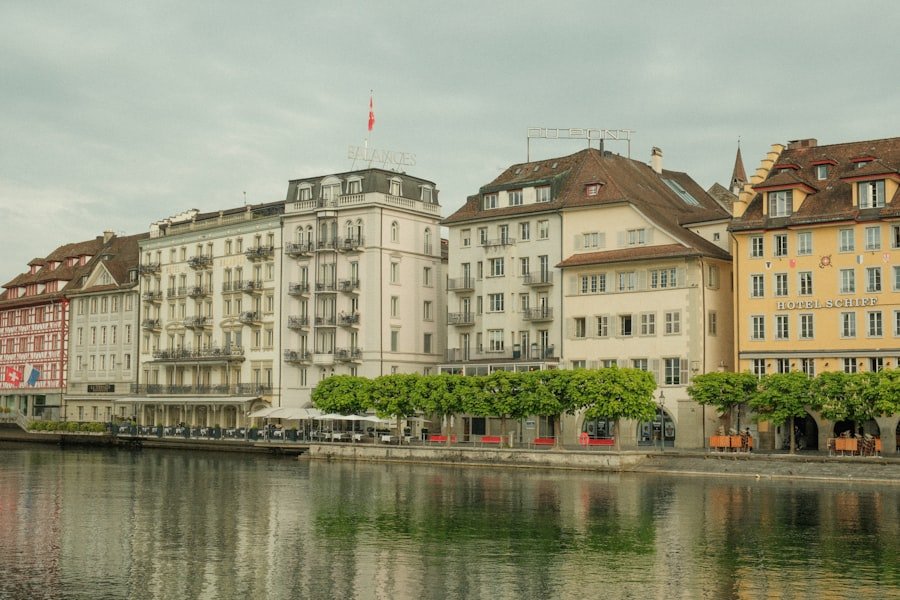
When considering a rental property in Switzerland, researching different neighborhoods and regions is essential. Each area has its own unique character, amenities, and lifestyle offerings. For example, Zurich’s trendy districts like Kreis 5 are known for their vibrant nightlife and cultural scene, attracting young professionals and creatives.
In contrast, areas like Zurich’s Enge or Seefeld are more residential and family-oriented, offering parks and schools. Geneva presents a different landscape altogether; neighborhoods such as Carouge are celebrated for their bohemian atmosphere and artistic vibe, while areas like Eaux-Vives are more upscale with proximity to the lake. Understanding the nuances of each neighborhood can significantly impact your quality of life.
Factors such as public transportation access, proximity to work or school, local amenities like grocery stores and healthcare facilities, and overall safety should all be considered when choosing where to live.
Understanding the Rental Application Process
| Step | Description |
|---|---|
| 1 | Fill out the rental application form with personal information and rental history. |
| 2 | Provide proof of income, such as pay stubs or bank statements. |
| 3 | Consent to a credit and background check. |
| 4 | Submit any additional documentation requested by the landlord or property manager. |
| 5 | Wait for the landlord or property manager to review the application and make a decision. |
Navigating the rental application process in Switzerland can be intricate due to the competitive nature of the market. Typically, prospective tenants must submit an application that includes personal information, proof of income, references from previous landlords, and sometimes even a credit report. It is common for landlords to conduct background checks to ensure that applicants are reliable and financially stable.
In many cases, it is advisable to prepare your application documents in advance to stand out among other candidates. Having all necessary paperwork ready can expedite the process and demonstrate your seriousness as a tenant. Additionally, being prompt in responding to inquiries from landlords or real estate agents can further enhance your chances of securing your desired rental property.
Budgeting for Rent and Additional Costs
When renting in Switzerland, it is essential to budget not only for rent but also for additional costs that may arise. Rent prices can vary significantly depending on the location and type of property; however, it is important to remember that utilities such as heating, water, and electricity are often not included in the rent. Tenants should also consider additional expenses such as internet service, property insurance, and maintenance fees.
Moreover, it is wise to account for potential costs associated with moving into a new place. This may include expenses for hiring movers or purchasing new furniture if needed. Understanding these financial obligations will help you create a realistic budget that accommodates both your rent and living expenses while ensuring you can maintain a comfortable lifestyle.
Negotiating Terms and Conditions with Landlords
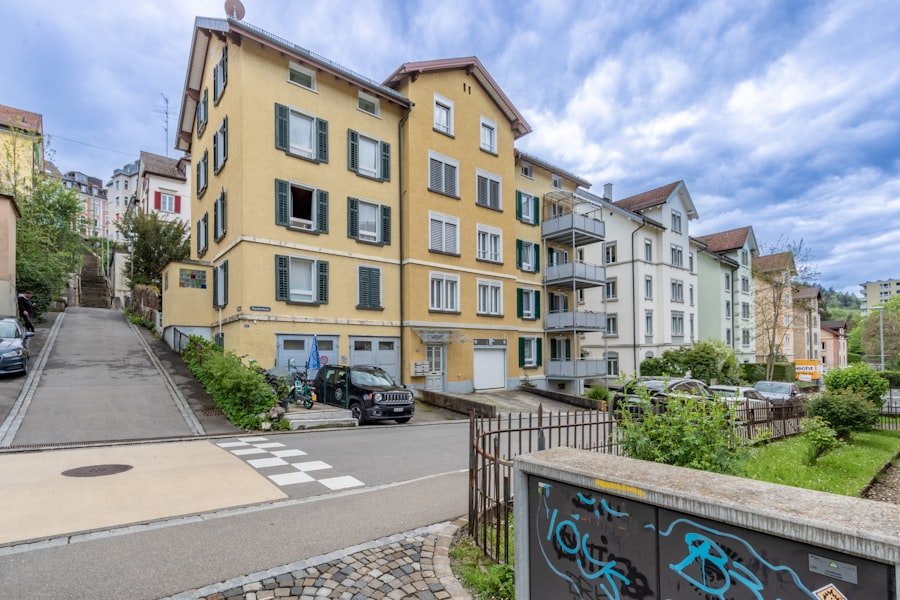
Negotiating terms and conditions with landlords can be an essential part of securing a rental agreement that meets your needs. While Swiss landlords typically have set expectations regarding rent prices and lease terms, there may still be room for negotiation on certain aspects. For instance, if you are willing to sign a longer lease or pay several months’ rent upfront, you might be able to negotiate a lower monthly rent.
Additionally, discussing specific terms such as pet policies or maintenance responsibilities can lead to a more favorable agreement for both parties. It is important to approach negotiations respectfully and professionally while clearly articulating your needs and preferences. Building rapport with your landlord can also facilitate a more amicable negotiation process.
Understanding the Lease Agreement and its Terms
The lease agreement is a critical document that outlines the terms of your rental arrangement in Switzerland. It typically includes essential details such as the duration of the lease, rent amount, payment schedule, security deposit requirements, and rules regarding property maintenance. Understanding each clause within the lease is vital to avoid misunderstandings later on.
Tenants should pay particular attention to clauses related to termination notice periods and conditions for returning the security deposit at the end of the lease term.
If any terms are unclear or seem unreasonable, it is advisable to seek clarification from the landlord before signing.
Knowing the Rules and Regulations for Renting in Switzerland
Switzerland has specific rules and regulations governing rental agreements that both tenants and landlords must adhere to. These regulations are designed to protect tenants from unfair practices while ensuring landlords can manage their properties effectively. For example, Swiss law stipulates that landlords cannot increase rent arbitrarily; any increase must be justified based on market conditions or improvements made to the property.
Additionally, tenants have the right to contest unjustified rent increases through local authorities or tenant associations. Familiarizing yourself with these regulations can empower you as a tenant and help you navigate any potential disputes that may arise during your tenancy. It is also beneficial to stay informed about any changes in rental laws that may affect your rights or responsibilities.
Finding Reliable and Trustworthy Real Estate Agents
Engaging with reliable real estate agents can significantly ease the process of finding a rental property in Switzerland. A trustworthy agent will have extensive knowledge of the local market and can provide valuable insights into available properties that meet your criteria. They can also assist with negotiations and help you navigate the complexities of lease agreements.
When searching for an agent, consider seeking recommendations from friends or colleagues who have experience in the Swiss rental market. Additionally, online reviews can provide insight into an agent’s reputation and reliability. Establishing a good working relationship with your agent can enhance your rental experience by ensuring you receive personalized service tailored to your needs.
Understanding the Deposit and Insurance Requirements
In Switzerland, it is standard practice for landlords to require a security deposit before tenants move in. This deposit typically amounts to one to three months’ rent and serves as protection for landlords against potential damages or unpaid rent during the tenancy. It is crucial for tenants to understand how this deposit will be managed; ideally, it should be placed in a separate account that earns interest over time.
In addition to the security deposit, many landlords also require tenants to obtain liability insurance (Haftpflichtversicherung). This insurance protects against damages caused by accidents within the rented property or damages inflicted on neighboring properties. Understanding these financial requirements is essential for budgeting effectively before moving into your new home.
Tips for Making the Most of Your Rental Experience in Switzerland
To maximize your rental experience in Switzerland, consider engaging with your community and exploring local amenities. Building relationships with neighbors can enhance your sense of belonging while providing valuable insights into local events or services that may not be widely advertised. Participating in community activities or joining local clubs can also enrich your social life.
Additionally, maintaining open communication with your landlord can foster a positive relationship throughout your tenancy. If issues arise regarding maintenance or other concerns, addressing them promptly can prevent misunderstandings from escalating into larger problems. By being proactive about your living situation and embracing your new environment, you can create a fulfilling rental experience that enhances both your personal life and professional endeavors in Switzerland.
If you’re planning to rent an apartment in Switzerland, it’s essential to be well-prepared and informed about the local rental market. While there are many factors to consider, such as location, budget, and lease terms, understanding the cultural nuances and legal requirements can make the process smoother. For those interested in exploring more lifestyle tips, you might find it intriguing to delve into other aspects of living, such as culinary adventures. For instance, you can check out this article on exploring the delightful world of Asian melon, which could inspire you to incorporate new flavors into your cooking while settling into your new Swiss home.
FAQs
What are the typical requirements for renting an apartment in Switzerland?
Typical requirements for renting an apartment in Switzerland include proof of income, a Swiss bank account, a residence permit (for non-Swiss citizens), and a rental deposit of 3 months’ rent.
What is the average cost of renting an apartment in Switzerland?
The average cost of renting an apartment in Switzerland varies depending on the location, size, and amenities. In general, expect to pay between CHF 1,500 to CHF 3,000 per month for a one-bedroom apartment in a city like Zurich or Geneva.
What are some tips for finding an apartment to rent in Switzerland?
Some tips for finding an apartment to rent in Switzerland include starting your search early, networking with locals, using online platforms such as Homegate and Immoscout24, and being prepared with all necessary documents and references.
What are the typical lease terms for apartment rentals in Switzerland?
Typical lease terms for apartment rentals in Switzerland are for a minimum of 1 year, with the option to renew for additional years. It’s important to carefully review the lease agreement and understand the terms before signing.
What are the rights and responsibilities of tenants in Switzerland?
Tenants in Switzerland have rights such as the right to a habitable dwelling, privacy, and protection from unfair rent increases. Their responsibilities include paying rent on time, maintaining the property, and adhering to the terms of the lease agreement.