

The history of mosques is deeply intertwined with the development of Islamic culture and civilization. The word “mosque” is derived from the Arabic term “masjid,” which means a place of prostration. The earliest mosques were simple structures, often built adjacent to the homes of the Prophet Muhammad and his followers in Medina during the 7th century.
These early places of worship served not only as religious centers but also as community hubs where social, political, and educational activities took place. Over the centuries, mosques evolved in architectural complexity and grandeur, reflecting the cultural influences of the regions in which they were built. One of the most significant mosques in history is the Great Mosque of Samarra in Iraq, which dates back to the 9th century.
Its spiral minaret, known as the Malwiya, is an architectural marvel that symbolizes the ingenuity of Islamic design. Similarly, the Al-Aqsa Mosque in Jerusalem holds immense religious significance for Muslims, as it is believed to be the site from which the Prophet Muhammad ascended to heaven during the Night Journey. Each mosque tells a story of its time, embodying the artistic, cultural, and spiritual aspirations of its community.
Understanding this rich history enhances one’s appreciation for these sacred spaces and their role in fostering a sense of belonging among Muslims worldwide.
Key Takeaways
- The Blue Mosque, also known as Sultan Ahmed Mosque, is a historic and significant religious site in Istanbul, Turkey.
- Visitors should dress modestly and remove their shoes before entering the mosque, and women are required to cover their heads.
- The best times to visit the Blue Mosque are early in the morning or late in the afternoon to avoid the crowds and prayer times.
- The mosque layout includes a central dome, minarets, and a spacious courtyard, with separate prayer areas for men and women.
- Photography is allowed in certain areas of the mosque, but visitors should be respectful and avoid taking pictures during prayer times.
- Guided tours and audio guides are available for visitors who want to learn more about the history and architecture of the mosque.
- Nearby attractions include the Hagia Sophia, Topkapi Palace, and the Grand Bazaar, as well as restaurants and shops for visitors’ convenience.
- Visitors should be mindful of cultural sensitivity and respect, including refraining from loud conversations and being aware of prayer times.
Dress Code and Etiquette
When visiting a mosque, adhering to a respectful dress code is paramount. Modesty is a core principle in Islamic culture, and visitors are expected to dress appropriately to honor this tradition. For women, this typically means wearing long skirts or dresses that cover the legs, along with long-sleeved tops that cover the arms.
Many mosques provide shawls or abayas for women who may not be dressed according to these guidelines. Men are generally expected to wear long trousers and shirts with sleeves, avoiding shorts or sleeveless tops. This dress code not only reflects respect for the sacredness of the mosque but also aligns with the cultural norms of many Muslim-majority countries.
In addition to dressing appropriately, understanding mosque etiquette is crucial for a respectful visit. Upon entering a mosque, it is customary to remove one’s shoes as a sign of reverence. This practice stems from the belief that cleanliness is essential in a place of worship.
Visitors should also maintain a quiet demeanor, as mosques are places for prayer and reflection. Engaging in loud conversations or disruptive behavior can be seen as disrespectful. Furthermore, it is advisable to avoid physical contact with religious artifacts or areas designated for prayer unless invited to do so by a knowledgeable guide.
By following these guidelines, visitors can ensure that their presence is welcomed and appreciated.
Best Times to Visit
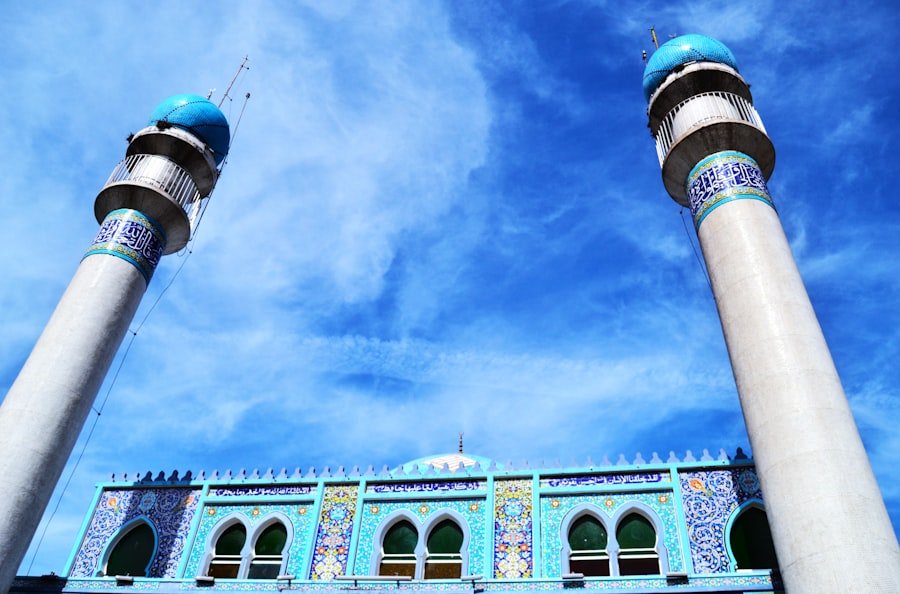
Timing your visit to a mosque can significantly enhance your experience. Many mosques have specific prayer times throughout the day, which can attract large crowds of worshippers. For instance, Friday prayers (Jumu’ah) are particularly significant in Islam and often draw larger numbers than other prayer times.
Visiting during off-peak hours, such as mid-morning or early afternoon on weekdays, can provide a more tranquil atmosphere for exploration and reflection. Additionally, some mosques offer guided tours at specific times that allow visitors to learn about the history and architecture without the distractions of large crowds. Seasonality also plays a role in determining the best time to visit mosques.
In regions with extreme weather conditions, such as the Middle East, visiting during cooler months—typically from late fall to early spring—can make for a more comfortable experience. For example, visiting the Sheikh Zayed Grand Mosque in Abu Dhabi during winter allows tourists to appreciate its stunning white marble architecture without being overwhelmed by heat. Moreover, special events or festivals, such as Ramadan, can offer unique insights into Islamic practices and community life, making these times particularly enriching for visitors.
Navigating the Mosque Layout
| Area | Measurement |
|---|---|
| Main Prayer Hall | 1000 square meters |
| Women’s Prayer Area | 200 square meters |
| Wudu Area | 300 square meters |
| Entrance Hall | 150 square meters |
Understanding the layout of a mosque can greatly enhance your visit and appreciation for its design and function. Most mosques are structured around a central prayer hall (musalla), which is often adorned with intricate calligraphy and geometric patterns that reflect Islamic art’s aesthetic principles. The qibla wall, which faces Mecca, is usually marked by a mihrab—a niche that indicates the direction of prayer.
This wall often features elaborate decorations that draw attention and signify its importance within the mosque’s architecture. In addition to the prayer hall, many mosques include courtyards (sahn) that serve as gathering spaces for worshippers before and after prayers. These open-air areas often feature fountains for ablution (wudu), where worshippers cleanse themselves before entering the prayer hall.
The minaret, a tall tower from which the call to prayer (adhan) is announced, is another key feature of mosque architecture. Understanding these elements not only helps visitors navigate the space but also deepens their appreciation for the architectural significance and spiritual symbolism embedded within each structure.
Photography Guidelines
Photography in mosques can be a sensitive issue due to cultural norms surrounding privacy and respect for sacred spaces. While many mosques permit photography, it is essential to be mindful of specific guidelines to avoid offending worshippers or violating local customs. Before taking photos, it is advisable to check for signs indicating whether photography is allowed or consult with staff members if unsure.
In some cases, certain areas may be off-limits for photography, particularly during prayer times when worshippers are engaged in their spiritual practices. When photographing within a mosque, it is crucial to be discreet and respectful. Avoid using flash photography, as it can be disruptive and intrusive.
Capturing images of people without their consent can also be considered disrespectful; therefore, it is best to focus on architectural details or landscapes rather than individuals engaged in prayer or reflection. By adhering to these guidelines, visitors can document their experiences while honoring the sanctity of the space and its community.
Guided Tours and Audio Guides
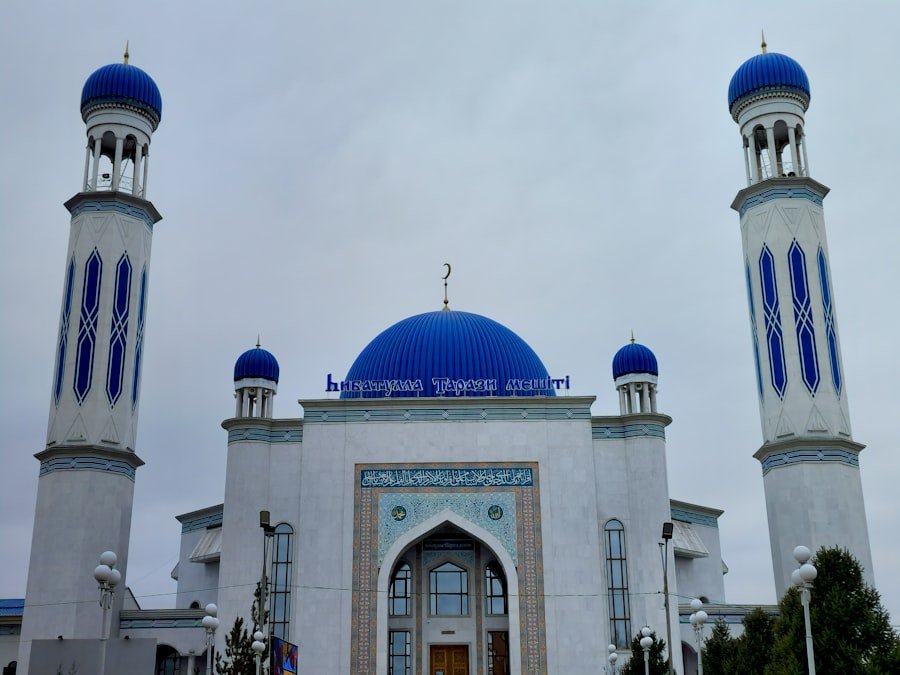
Many mosques offer guided tours or audio guides that provide valuable insights into their history, architecture, and cultural significance. These resources can greatly enhance a visitor’s understanding and appreciation of the mosque’s features and practices. Guided tours are often led by knowledgeable staff or volunteers who can share stories about the mosque’s construction, its role in the community, and important religious practices associated with it.
For example, at the Sultan Ahmed Mosque (Blue Mosque) in Istanbul, guides often recount tales of its construction during the reign of Sultan Ahmed I and explain its unique architectural elements. Audio guides are another excellent option for those who prefer exploring at their own pace while still gaining informative context about what they are seeing. Many mosques provide audio guides in multiple languages, allowing visitors from diverse backgrounds to engage with the material meaningfully.
These guides typically include descriptions of key architectural features, historical anecdotes, and explanations of religious practices observed within the mosque. Utilizing these resources can transform a simple visit into an enriching educational experience.
Nearby Attractions and Amenities
Visiting a mosque often provides an opportunity to explore nearby attractions that complement your experience. Many mosques are situated in areas rich with historical sites, museums, or cultural centers that reflect the local heritage. For instance, after visiting the Hassan II Mosque in Casablanca, Morocco, tourists can explore nearby attractions such as the Royal Palace or stroll along the picturesque Corniche waterfront area.
These sites offer additional context about Moroccan culture and history while allowing visitors to immerse themselves further in their surroundings. Amenities such as cafes or gift shops near mosques can also enhance your visit by providing refreshments or souvenirs that reflect local craftsmanship. Many mosques have dedicated spaces where visitors can purchase traditional handicrafts or books about Islamic art and culture.
Engaging with local vendors not only supports the community but also provides an opportunity to learn more about regional customs and traditions. By planning your visit around nearby attractions and amenities, you can create a more comprehensive cultural experience.
Cultural Sensitivity and Respect
Cultural sensitivity is paramount when visiting mosques or any religious site. Understanding and respecting local customs can significantly impact how visitors are perceived by the community they are engaging with. For instance, it is essential to approach interactions with humility and openness while being aware of cultural differences that may exist between visitors and local worshippers.
Engaging respectfully with individuals you meet can foster positive exchanges that enrich your experience. Moreover, being aware of significant religious observances can help visitors navigate their interactions more thoughtfully. For example, during Ramadan, many Muslims fast from dawn until sunset; thus, being mindful of this practice when scheduling visits or engaging with locals can demonstrate respect for their beliefs.
Additionally, refraining from discussing sensitive topics related to religion or politics while in these sacred spaces can help maintain an atmosphere of mutual respect and understanding. By embodying cultural sensitivity throughout your visit, you contribute positively to cross-cultural dialogue and foster goodwill between communities.
If you’re planning a trip to Istanbul and visiting the Blue Mosque, be sure to check out this article on Exploring the Delightful World of Asian Melon. It’s always good to have some refreshing snacks on hand while exploring the city’s beautiful landmarks. And if you’re looking for a healthy and simple recipe to try at home, check out this article on Delicious Homemade Cottage Cheese. Enjoy your travels and culinary adventures!
FAQs
What are the visiting hours for the Blue Mosque?
The Blue Mosque is open to visitors every day, except during prayer times. It is advisable to check the specific visiting hours before planning your visit.
Is there an entrance fee to visit the Blue Mosque?
No, there is no entrance fee to visit the Blue Mosque. It is open to the public free of charge.
What is the appropriate dress code for visiting the Blue Mosque?
Visitors to the Blue Mosque are required to dress modestly. This means both men and women should cover their shoulders, arms, and legs. Women are also required to cover their heads with a scarf.
Are there any specific rules or etiquette to follow when visiting the Blue Mosque?
Visitors are required to remove their shoes before entering the mosque. It is also important to maintain a quiet and respectful demeanor while inside the mosque.
Can non-Muslims visit the Blue Mosque during prayer times?
Non-Muslims are not allowed to visit the Blue Mosque during prayer times. It is best to plan your visit outside of the designated prayer times.
Is there a specific area for tourists to visit within the Blue Mosque?
Yes, there is a designated area for tourists within the Blue Mosque. This area allows visitors to admire the stunning architecture and design of the mosque while respecting the prayer space for worshippers.