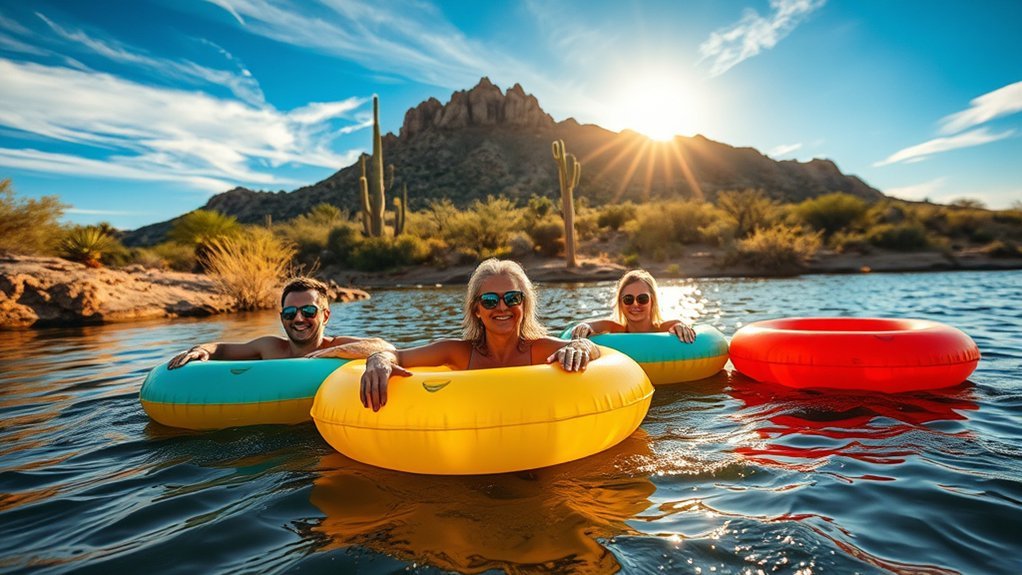
Tubing the Salt River: Launch Points, Gear, Safety, and Route Tips
Last updated: May 23, 2026
Quick answer: Tubing the Salt River usually means floating the Lower Salt River in Tonto National Forest, northeast of Mesa, Arizona. You can use a shuttle and rental tube from Salt River Tubing or plan a DIY float between developed recreation sites such as Water Users, Blue Point, Goldfield, Coon Bluff, Phon D Sutton, and Granite Reef. Before you go, check weather and river flow, wear a properly fitted U.S. Coast Guard-approved life jacket, bring a Tonto pass if you park at Forest Service sites, avoid glass, and give wildlife plenty of space.
Which Salt River This Guide Covers
This guide covers the Lower Salt River near Mesa, Arizona, the popular warm-weather tubing area below Saguaro Lake. It does not cover the Upper Salt River Canyon Wilderness, which is a separate whitewater area with seasonal boater permit rules, Class III to IV conditions, and advanced river skills required.
That distinction matters because a casual tubing trip and a wilderness whitewater trip have very different rules, hazards, and planning needs. If you only want a relaxed float with friends or family, focus on the Lower Salt River access points along Bush Highway.
Where to Launch and End Your Float
Your launch and take-out choice controls the length, difficulty, crowd level, and logistics of your Salt River float. The easiest option for many first-time visitors is to use Salt River Tubing, which offers shuttle service and tube rentals from its Mesa headquarters. If you plan a DIY trip, you need your own tubes, two vehicles or a private shuttle plan, and the correct parking pass for Forest Service recreation sites.
| Route Option | Best For | What to Know |
|---|---|---|
| Salt River Tubing “Top” start | Groups that want the full outfitter route | Expect more moving water near the upper section. Ask staff about same-day flow before choosing this start. |
| Salt River Tubing “Bridge” start | Beginners and calmer floats | This option skips some upper movement and gives you a more relaxed start. |
| Water Users to Phon D Sutton | Shorter DIY floats | Visit Mesa describes this as a shorter route that can take about 2 to 2.5 hours, depending on flow. |
| Water Users to Granite Reef | Longer DIY floats | This route can take about 4 hours. Start early so you do not finish tired, overheated, or short on daylight. |
| Blue Point, Pebble Beach, Goldfield, Coon Bluff, or Phon D Sutton | Flexible DIY starts and exits | Use official Forest Service pages to confirm open status, parking, fees, water access, and site restrictions before you drive. |
Do not rely on informal sandbars or random roadside pullouts as your plan. Use signed recreation areas, check capacity alerts, and make sure every person in your group knows the final take-out point.
Best Times of Year and Day to Tube
The main Salt River tubing season runs from late spring through summer, but exact outfitter dates can change each year. Check the official booking calendar before building a trip around a holiday weekend.
For the best mix of cooler temperatures, easier parking, and lighter crowds, launch early in the morning or choose a weekday. Midday summer floats can feel harsh because the Arizona sun reflects off the water, rocks, and tube surface. A late afternoon float can be pleasant, but you still need enough time to reach your take-out point safely before dark.
Permits, Parking, and Shuttle Rules
You generally do not need a separate permit just to float the Lower Salt River. You usually need a Tonto Daily Pass, Tonto Discovery Pass, or accepted interagency pass if you park at Tonto National Forest recreation sites. The Forest Service Water Users Day Use Area page lists fee options, no glass restrictions, and other site rules.
If you use Salt River Tubing and park at its headquarters, the company’s FAQ says a Tonto Pass is not required for parking at its building when you use its services. That does not remove pass requirements for DIY parking at Forest Service recreation sites.
Do not confuse Lower Salt River tubing with the Upper Salt River Canyon Wilderness permit. The Upper Salt permit applies to a different section, different season, and much harder whitewater conditions.
Tube and Gear Recommendations
The right tube and gear shape your comfort and safety on the Salt River. Choose a sturdy, river-rated tube with grab handles, a thick bottom, and reinforced seams. Pool floats, novelty inflatables, and thin vinyl toys can tear on rocks or brush.
Wear a properly fitted U.S. Coast Guard-approved life jacket. Salt River Tubing requires children ages 12 and under to wear life jackets, and its current child policy also says children must be at least 4 feet tall to go tubing with the company. Adults should still wear one, especially if they are not strong swimmers, are floating with kids, or are tubing during faster flow.
- Best tube style for most people: single-rider river tube with handles and a covered or thicker bottom.
- Best tube style for coolers: a separate cooler tube, secured without creating a hazard for other floaters.
- Footwear: water shoes or old sneakers, not flip-flops, because the riverbed can be rocky.
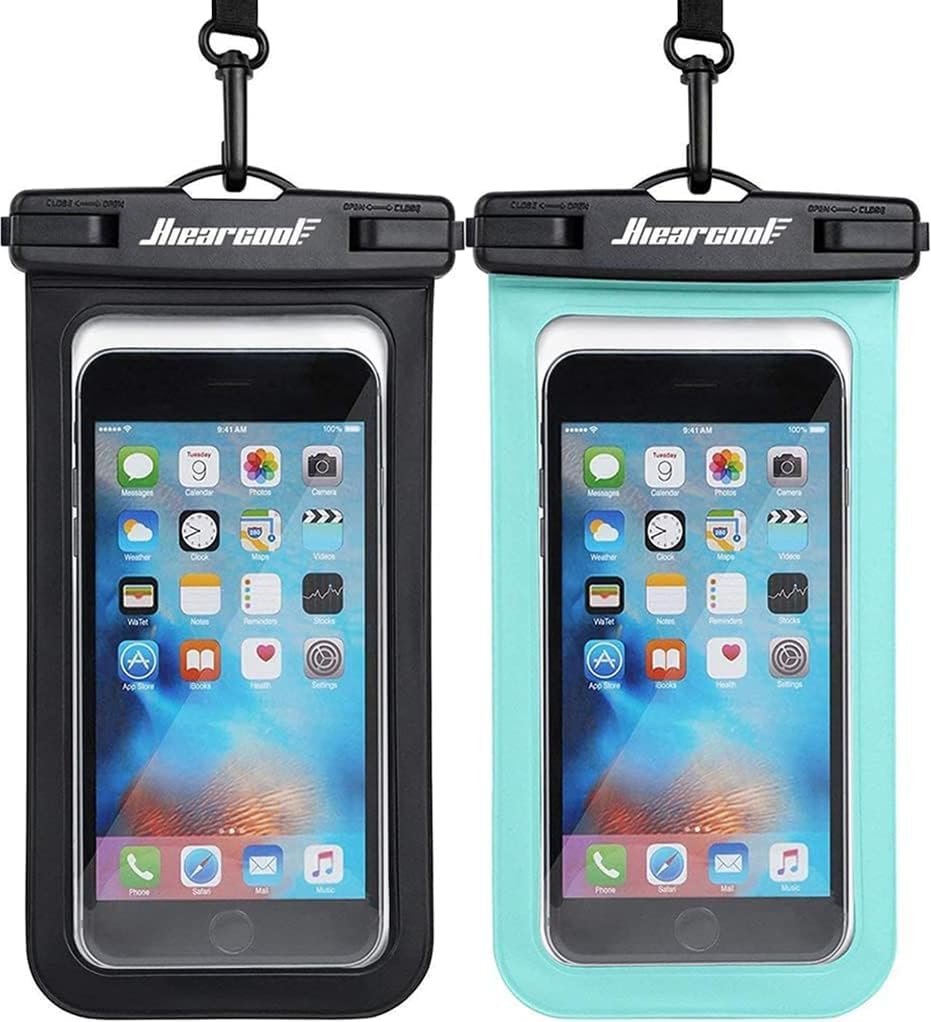
- Storage: a dry bag for phone, wallet, ID, medication, keys, and pass information.
- Emergency items: whistle, small first-aid kit, and a simple plan for separated group members.
What to Pack for a Day on the River
Pack light, but do not under-pack water, sun protection, or safety gear. Potable water may not be available at river recreation sites, so bring more drinking water than you think you need.
| Category | What to Bring | Why It Matters |
|---|---|---|
| Safety | Life jacket, whistle, first-aid kit | Helps with flotation, signaling, and small injuries. |
| Sun protection | Mineral sunscreen, hat, UV shirt, sunglasses with retainer | Reduces sunburn risk during long, exposed floats. |
| Foot protection | Water shoes or old sneakers | Protects your feet from rocks, hot ground, and sharp debris. |
| Hydration and food | Drinking water, electrolyte drink, easy snacks | Heat, sun, and moving water can drain energy quickly. |
| Dry storage | Dry bag, waterproof phone pouch, zip bags | Keeps keys, ID, medication, and electronics dry. |
| Cleanup | Trash bag and reusable containers | Supports Leave No Trace and keeps glass off the river. |
Route Highlights and Scenic Spots
As you float the Lower Salt River, you pass a mix of desert banks, cottonwoods, mesquite, reeds, rocky edges, and saguaro-studded hills. The best moments often happen when your group gets quiet enough to notice birds, horses, shade patterns, and the sound of shallow current moving over stones.
Desert Views, Cliffs, and River Bends
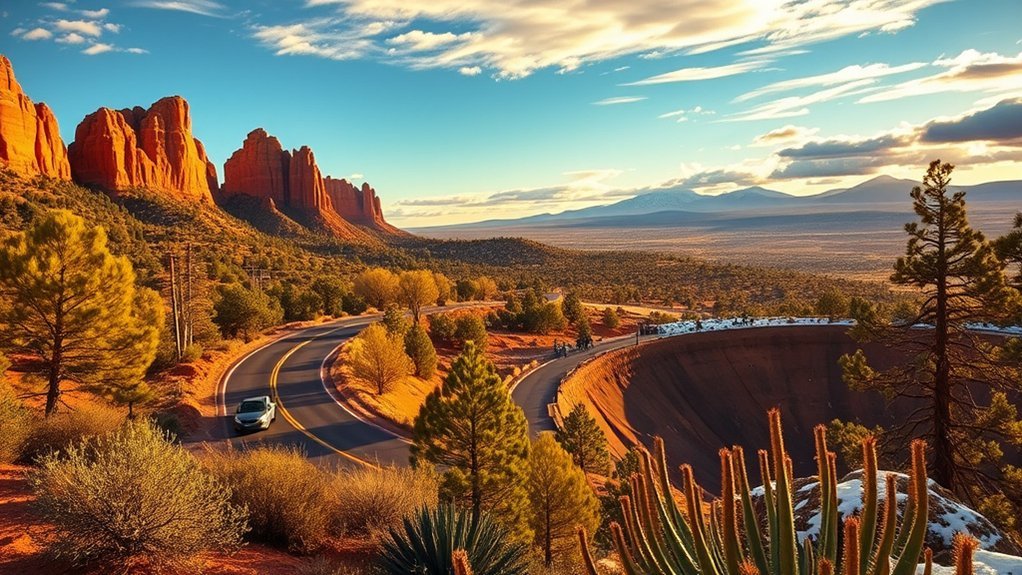
The Lower Salt River does not feel like a deep wilderness canyon in every section, but it still gives you strong Sonoran Desert scenery. Look for rocky banks, open sky, desert slopes, and shaded riparian pockets that change with each bend.
| Feature | What to Notice | Best Tip |
|---|---|---|
| Rocky banks | Layered stone, shallow riffles, and changing current lines | Keep your feet up in shallow rocky sections. |
| Cottonwood shade | Cooler pockets along the banks | Pause only where stopping is safe and legal. |
| Open desert views | Saguaro, palo verde, and wide Sonoran sky | Use a hat and UV shirt because shade can be limited. |
| River bends | Better birdwatching and wildlife viewing | Stay quiet and keep distance from animals. |
Wildlife and Birdwatching
The Lower Salt River is known for wild horses and strong birdwatching. You may see great blue herons, egrets, ospreys, hawks, swallows, and seasonal migratory birds. Arizona also has bald eagle breeding areas near rivers and lakes, so check Arizona Game and Fish Department updates if you visit during sensitive breeding periods.
Give wildlife room. Visit Mesa recommends staying at least 50 feet from Salt River wild horses, and that is the minimum distance you should treat as your rule. Never feed horses, block their path, chase them for photos, or let a dog approach them.
Sandbars, Rest Stops, and Day-Use Areas
Some river edges and sandbars look perfect for a break, but not every spot is a good or legal stopping point. Use signed day-use areas and avoid blocking launches, exits, or narrow channels. Water Users and other developed sites can fill on busy summer weekends, so arrive early and have a backup plan.
Do not plan an overnight camp as part of a standard Salt River tubing day unless you have confirmed the specific site allows it. Several Lower Salt River recreation areas operate as day-use sites, and rules vary by location and season.
Wildlife and Plant Life to Watch For
Salt River tubing is more memorable when you understand the riparian corridor around you. Cottonwoods, willows, mesquite, reeds, sedges, and desert plants help hold banks in place, shade the water, and support birds and insects.
Birds Along the Banks
Slow down near quieter bends and scan branches, shallows, and snags. Herons often stand still at the water’s edge, swallows skim over open water, and raptors may circle above the river corridor. Bring binoculars if birdwatching matters to you, but keep them secured in a dry bag when you enter faster water.
Native Riparian Plants
Riparian plants do more than make the river look green. Their roots reduce erosion, their shade cools small pockets of water, and their branches give birds a place to nest and rest. Do not cut branches, pull plants, or trample fragile banks just to make a better seating spot.
- Cottonwoods create shade along parts of the river corridor.
- Willows and reeds help stabilize wet banks.
- Mesquite and palo verde connect the river edge to the surrounding desert.
- Sedges and rushes protect softer edges from erosion.
- Flowering plants support bees and other pollinators.
Safety Tips and River Etiquette
The Salt River can look calm while still carrying hazards. Current, wakes, submerged rocks, strainers, fallen trees, changing depth, heat, and alcohol can all raise risk. The Forest Service warns that fallen trees and other material can trap swimmers and floaters, so stay alert and avoid floating into debris.
- Wear a properly fitted U.S. Coast Guard-approved life jacket.
- Check weather and flow before leaving home.
- Wear water shoes when wading.
- Do not bring glass containers to the Lower Salt River area.
- Keep pets leashed at recreation sites where required.
- Do not tie your whole group into one large, hard-to-control raft in narrow or crowded water.
- Pack out trash, cans, food wrappers, and broken gear.
- Use sunscreen, drink water, and take heat seriously.
- Give motorized boats, paddlers, anglers, and other floaters room.
- Set a meeting point in case your group separates.
Family-Friendly Tips and Accessibility
Families should choose the shortest and calmest route that still feels fun. Young kids, weak swimmers, older adults, and first-time floaters need more structure, more shade breaks, and less time on the water than confident adults.
Best Age Ranges
Salt River Tubing’s current policy says children must be at least 4 feet tall to go tubing with the company, and children ages 12 and under must wear life jackets. When flow reaches 1200 CFS or higher, the company says groups with children under 13 may only float the bottom half for safety.
For DIY tubing, do not treat the absence of a single age rule as permission to bring any child on any route. Match the route to the child’s swimming ability, attention span, heat tolerance, and comfort in moving water.
Safety Gear Essentials
Two items matter most for families: a properly fitted life jacket and a tube with secure grab handles. Test every life jacket before launch. It should fit snugly, stay in place when lifted at the shoulders, and match the wearer’s weight range.
Bring a whistle, small first-aid kit, mineral sunscreen, water shoes, and extra drinking water. Keep medication, keys, and phones in a dry bag attached securely to a person or tube.
Accessibility and Parking
Parking and access vary by site. Water Users, Blue Point, Goldfield, Coon Bluff, Phon D Sutton, and other recreation areas may have different surfaces, slopes, crowd levels, restrooms, and distance from parking to water. If someone in your group uses a stroller, cane, walker, or wheelchair, call the Mesa Ranger Station or your outfitter before the trip.
Arrive early on summer weekends. The Forest Service notes that busy river parking areas can reach capacity, and illegal parking along Bush Highway can lead to fines or towing.
Outfitter Shuttle vs. DIY Tubing
Most visitors choose between two main styles: an outfitter shuttle or a DIY float. The outfitter option is easier because tube rental, shuttle logistics, and return transportation are built into the trip. DIY tubing gives you more control, but it requires more planning.
| Option | Best For | Main Tradeoff |
|---|---|---|
| Outfitter shuttle and rental | First-timers, visitors, families, and large groups | You follow shuttle routes, outfitter rules, and operating hours. |
| Shuttle-only with your own tube | People who already own reliable river tubes | You save rental steps, but your gear must be safe and river-ready. |
| DIY float with two vehicles | Experienced groups that want flexible timing | You must manage passes, parking, route length, and take-out logistics yourself. |
Choose the outfitter option if this is your first Salt River tubing trip. Choose DIY only if your group can handle navigation, parking, gear quality, and take-out timing without help.
After-Float Dining and Nearby Activities
After your float, keep plans simple. Change into dry clothes, drink water, eat a real meal, and make sure every person and item made it back from the river. Mesa and the surrounding East Valley have plenty of casual food options, but your first priority should be cooling down and rehydrating.
If your group still has energy, consider a short walk at a developed recreation site, birdwatching near Phon D Sutton or Goldfield, a visit to Saguaro Lake, or a low-effort scenic drive along Bush Highway. Avoid adding a long hike after a hot float unless your group planned for it with shoes, water, and daylight.
Official Sources Checked
This guide was updated against current public information from the following sources:
- Salt River Tubing official site for shuttle options, flow notes, child life jacket policy, and current operating information.
- Salt River Tubing FAQ for child height guidance, life jacket policy, and headquarters parking information.
- Tonto National Forest Water Users Day Use Area for parking passes, no glass rules, no overnight camping, no potable water, and safety restrictions.
- Tonto National Forest Mesa Ranger District recreation pages for Lower Salt River access point context.
- Visit Mesa Lower Salt River guide for route timing, wildlife distance guidance, and visitor planning tips.
- Tonto National Forest Salt River Canyon Wilderness Permit page for the Upper Salt River permit distinction.
- Arizona Game and Fish Department eagle closure update for seasonal bald eagle protection context.
Frequently Asked Questions
Do You Need a Permit to Tube the Salt River?
You do not need a separate float permit for the Lower Salt River near Mesa. You usually need a Tonto pass if you park at Forest Service recreation sites. Do not confuse this with the Upper Salt River Canyon Wilderness, which has separate seasonal boater permit rules.
How Long Does Salt River Tubing Take?
Float time depends on your start point, take-out point, wind, and water flow. Many casual floats take about 2 to 4 hours. Shorter DIY routes can run about 2 to 2.5 hours, while longer routes toward Granite Reef can take around 4 hours.
Where Should Beginners Start Tubing on the Salt River?
Beginners should choose a shorter, calmer route and use an outfitter shuttle if they do not want to manage two vehicles. The bridge start offered by Salt River Tubing is generally calmer than starting higher up, but you should always ask about same-day flow before choosing.
Are Life Jackets Required for Salt River Tubing?
Salt River Tubing requires children ages 12 and under to wear life jackets. Adults should also wear a properly fitted U.S. Coast Guard-approved life jacket, especially if they are weak swimmers, floating with kids, or tubing during stronger flows.
Is Glass Allowed on the Lower Salt River?
No. The Forest Service lists no glass containers as a restriction in the Lower Salt River area. Bring reusable plastic or metal bottles instead, and pack out every item you bring to the river.
Can I Bring My Dog Tubing on the Salt River?
Check the current rules for your access point and outfitter before bringing a dog. Pets must stay leashed at some Forest Service recreation sites. If you bring a dog on a DIY float, use a canine life jacket, bring water, and avoid crowded or fast-flow days.
When Is the Best Time to Tube the Salt River?
Late spring through summer is the main tubing window. For a smoother day, go early in the morning or choose a weekday. Summer weekends and holidays can bring long lines, full parking lots, stronger sun, and louder crowds.
Are There Restrooms at Salt River Tubing Launch Points?
Some developed recreation sites, including Water Users and Blue Point, list restrooms, but potable water may not be available. Treat river facilities as limited. Use the restroom before launch, bring hand sanitizer, and check the Forest Service page for your exact site.
Can You See Wild Horses While Tubing the Salt River?
Yes, wild horse sightings are possible along the Lower Salt River. Keep at least 50 feet away, never feed or approach them, and give them room to move along the bank. Your best viewing chances often come during quieter morning or evening periods.
What Should You Bring for Salt River Tubing?
Bring a river-rated tube, U.S. Coast Guard-approved life jacket, water shoes, mineral sunscreen, hat, sunglasses with a retainer, dry bag, drinking water, snacks, whistle, small first-aid kit, ID, pass or reservation details, and a trash bag.
Conclusion
Tubing the Salt River is easy to enjoy when you treat it like a real river trip, not just a lazy afternoon in an inflatable tube. Pick a route you can finish comfortably, confirm your launch and take-out points, bring the right pass or shuttle reservation, and pack for heat, rocks, wildlife, and changing flow.
Your next step is simple: check the current Salt River Tubing schedule or Forest Service site status, choose your route, and build your packing list before the morning of your trip. When the logistics are clear, you can relax, float safely, and enjoy one of the best warm-weather river days near Mesa.