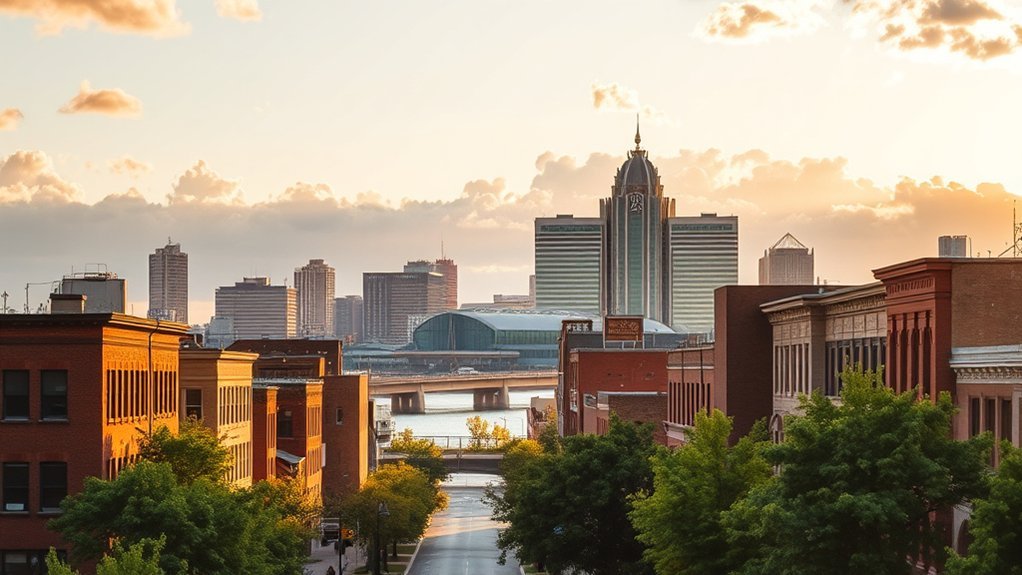
Tulsa combines major museums, riverfront parks, Route 66 history, live music, distinctive neighborhoods, and a dining scene worth building time around. Whether you’re planning a family weekend, a culture-focused city break, or an Oklahoma road trip, you can fill several days without rushing. Current highlights include Gathering Place, Historic Greenwood, Philbrook Museum of Art, Tulsa Zoo, Route 66 landmarks, and a busy calendar of arts and festival events.
Quick Answer
Tulsa is worth visiting for its riverfront parks, art museums, Route 66 landmarks, Historic Greenwood, live-music heritage, local food, and family attractions. For a first visit, plan about two to three days and group stops by neighborhood so you spend more time exploring and less time driving across the city.
Key Takeaways
- Start with major Tulsa attractions such as Gathering Place, Philbrook Museum of Art, Historic Greenwood, Tulsa Zoo, and the Golden Driller.
- Explore Tulsa’s Route 66 corridor, which has extra significance in 2026 as Route 66 marks its centennial.
- Check event organizers before traveling. The 2026 Tulsa State Fair runs October 1 through 11, while Zeeco Oktoberfest Tulsa is scheduled for October 22 through 25.
- Downtown, Cherry Street, Brookside, and the Route 66 corridor offer different combinations of dining, entertainment, history, and nightlife.
- Some well-known cultural sites are not currently open as normal attractions, including the Jazz Depot during renovation and Gilcrease Museum ahead of its planned early-2027 public reopening.
Discover Tulsa’s Best Attractions
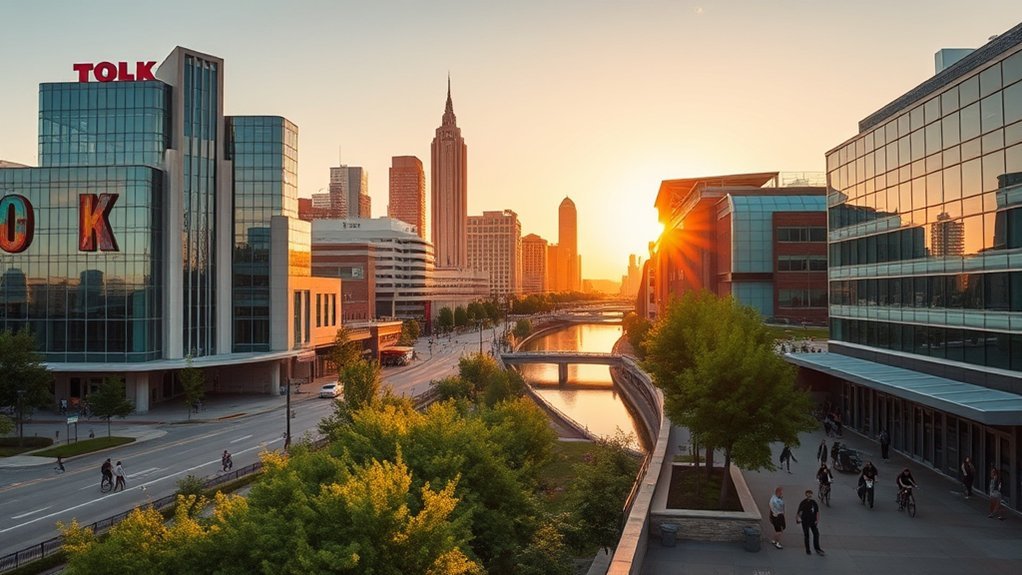
Tulsa’s strongest attractions cover several different sides of the city. You can spend the morning in an art museum, walk through an important chapter of American history in the afternoon, and finish the day with live music or a stroll along the river. Instead of trying to cross the city repeatedly, group nearby attractions into the same part of your itinerary.
Gathering Place and Outdoor Attractions
Gathering Place is one of Tulsa’s signature family attractions. Its main park covers 66.5 acres along the Arkansas River and includes playgrounds, gardens, paths, lawns, water features, and places to relax. It works well for families, couples, and anyone who wants a break from museums and indoor sightseeing.
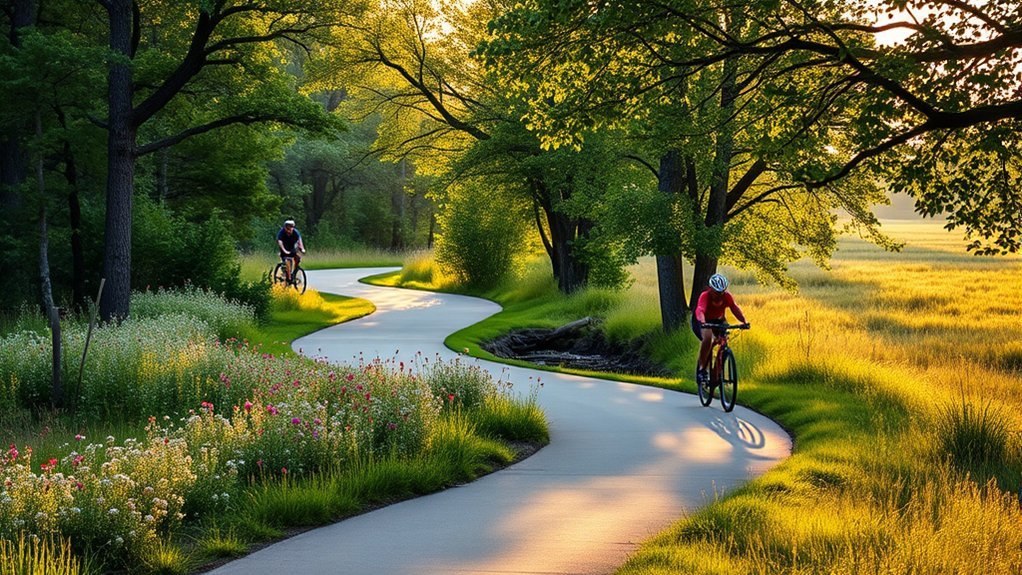
If outdoor time is a priority, combine Gathering Place with Tulsa’s riverfront trails and other city parks. Morning and evening are especially practical during the hotter part of the year.
Art, Music, and Museums
Philbrook Museum of Art combines art collections with a historic villa and extensive gardens. Its collections include American, Native American, European, modern, and contemporary works, making it a stronger stop than the original description of European and American art alone suggested.
Tulsa also has deep music connections. Cain’s Ballroom remains one of the city’s best-known live-music landmarks, while the Woody Guthrie Center and Bob Dylan Center add context for visitors interested in songwriting, folk music, and American music history.
Note: The Jazz Depot, associated with the Oklahoma Jazz Hall of Fame, is currently closed to the public during renovation. Gilcrease Museum is also not a normal 2026 sightseeing stop; its official site says public reopening is planned for early 2027. Check both official sites before building either into a future trip.
Historic Greenwood and Black Wall Street
No well-rounded Tulsa guide should skip the Greenwood District. The neighborhood became nationally known as Black Wall Street before the 1921 Tulsa Race Massacre, and its history remains central to understanding the city.
Greenwood Rising provides historical context through exhibitions focused on the Greenwood community, the massacre, its aftermath, and the district’s continuing legacy. Allow enough time to read and reflect rather than treating Greenwood as a quick photo stop.
Route 66 and Tulsa Landmarks
Tulsa is closely tied to Route 66 and Cyrus Avery, often associated with the highway’s development. According to Visit Tulsa, Route 66 runs about 28 miles through the city. That makes Tulsa an especially relevant stop in 2026, the highway’s centennial year.
Look for neon signs, historic roadside architecture, public art, restaurants, and modern businesses along the corridor. The Golden Driller is another classic Tulsa landmark. TravelOK lists the oil-worker statue at 76 feet tall, making it an easy photo stop while exploring the Expo Square area.
Explore Tulsa’s Culinary Delights
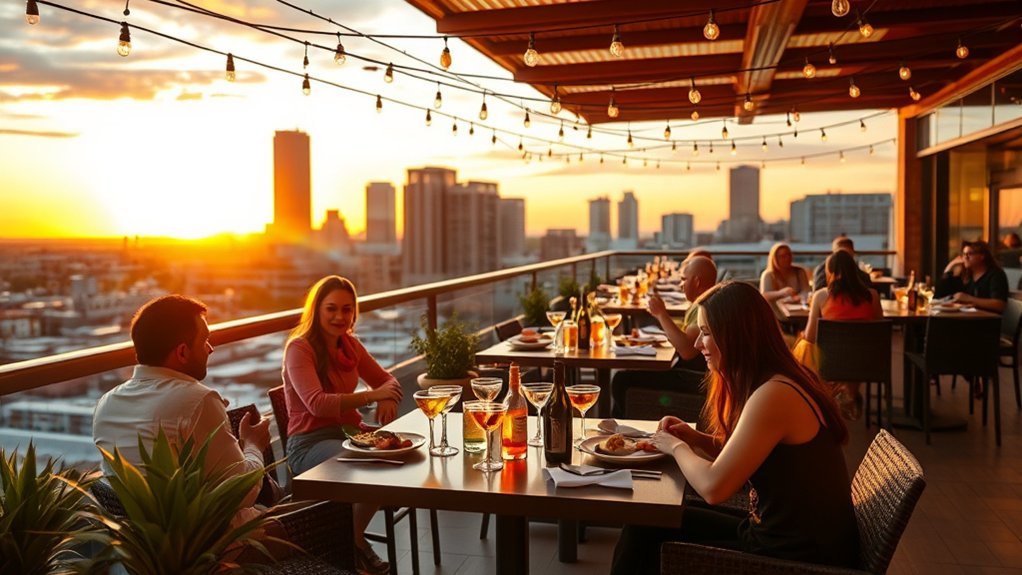
Tulsa’s food scene is easier to appreciate by neighborhood than by chasing an unsupported restaurant count. Downtown, Cherry Street, Brookside, and Route 66 all offer different combinations of restaurants, cafes, bars, food halls, and casual stops.
Cherry Street and Brookside are useful choices when you want to walk between dining and nearby shops. Downtown works well when dinner is paired with a concert, museum, or Arts District stop. Along Route 66, places such as Mother Road Market can be convenient when a group wants several food choices in one location.
You will also find food trucks, locally driven menus, barbecue, international cuisines, bakeries, coffee shops, and a growing brewery culture. Visit Tulsa maintains a current restaurant guide that is more useful for choosing open businesses than relying on a fixed restaurant count that can quickly become outdated.
For families, check menus and hours before leaving your hotel, especially on Sundays or during major events. If a particular restaurant is important to your trip, confirm reservations and current opening hours directly with the business.
Must-See Upcoming Events in Tulsa
Tulsa’s event calendar includes monthly art programming, major annual festivals, concerts, neighborhood events, and seasonal celebrations. Because dates can change, use organizer websites rather than old event calendars when planning a trip.
Festivals and Celebrations
The Tulsa State Fair is scheduled for October 1 through 11, 2026. It brings together rides, exhibits, food, entertainment, and fair traditions at Expo Square.
Later in October, Zeeco Oktoberfest Tulsa is scheduled for October 22 through 25, 2026. The annual event features food, live entertainment, and Oktoberfest traditions near the Arkansas River.
Art and Music Events
The Tulsa Arts District’s First Friday Art Crawl continues on the first Friday of each month. It is one of the easiest recurring events to work into a city visit because galleries, studios, cultural venues, and performances are concentrated in the Arts District.
| Event | Verified 2026 Date | Why Go |
|---|---|---|
| First Friday Art Crawl | September 4, October 2, November 6, December 4 | Galleries, studios, art, performances, and Arts District activity |
| Tulsa State Fair | October 1-11 | Fair food, rides, exhibits, competitions, and entertainment |
| Zeeco Oktoberfest Tulsa | October 22-25 | Live music, food, festival activities, and Oktoberfest traditions |
Pro Tip: Check the event organizer’s official page again shortly before your visit. Start times, ticket rules, parking information, weather policies, and individual performances can change even when the main festival dates stay the same.
How to Plan Your Tulsa Visit
A good Tulsa itinerary balances major attractions with neighborhoods rather than treating every stop as a separate cross-city trip. For most first-time visitors, two to three days is a practical starting point. Add another day if you want more museum time, a major festival, or a slower Route 66 drive.
Best Times To Visit
Spring and fall are often the easiest seasons for combining indoor attractions with parks and neighborhood walks. Summer can still be enjoyable, especially for festivals and family travel, but plan outdoor sightseeing around the heat and keep indoor alternatives available.
If a major event is the reason for your trip, plan around its exact dates rather than a general season. For example, the 2026 Tulsa State Fair is October 1 through 11, not late September.
Must-See Attractions
Tulsa has enough variety that your priority list should match your interests. These stops make a strong starting point:
- Philbrook Museum of Art: Explore art collections, a historic villa, and landscaped gardens.
- Tulsa Zoo: See animals from around the world and educational exhibits in a family-friendly setting. Check Tulsa Zoo for current hours and exhibits.
- Gathering Place: Enjoy 66.5 acres of playgrounds, gardens, paths, lawns, and riverfront recreation.
- Historic Greenwood and Greenwood Rising: Learn about Black Wall Street, the 1921 Tulsa Race Massacre, and Greenwood’s continuing legacy.
- Route 66: Follow Tulsa’s long stretch of the Mother Road and look for historic signs, roadside architecture, public art, and local businesses.
- Golden Driller: Stop for a photo with Tulsa’s 76-foot oil-industry landmark.
- Cain’s Ballroom and Tulsa’s music-history attractions: Explore the city’s connections to Western swing, folk, rock, and contemporary music.
- Oklahoma Jazz Hall of Fame/Jazz Depot: Keep this important music-history site on your future list, but note that the Jazz Depot is currently closed during renovation.
Local Dining Options
For a simple first trip, choose dining districts based on where you will already be sightseeing. Downtown works well before or after an Arts District event or concert. Cherry Street and Brookside are good choices for neighborhood restaurants and cafes. Route 66 combines food with roadside-history sightseeing.
If you are traveling with children or a group with different tastes, a food hall can make ordering easier. For special-occasion restaurants, weekend dinners, and major event periods, reservations may save time.
Getting Around Tulsa
Tulsa’s attractions are spread across several districts, so a car is useful if you want to combine destinations such as Tulsa Zoo, Philbrook, Gathering Place, downtown, and Route 66 in a short visit.
Visitors without a car can use rideshare services and Tulsa’s public transit system. Visit Tulsa’s transportation guide provides current information on MetroLink Tulsa, Aero Bus Rapid Transit, GoPass trip planning, and airport transportation.
If you are flying, Tulsa International Airport is the city’s primary commercial airport. Build some flexibility into arrival and departure days rather than scheduling a time-sensitive attraction immediately after landing.
Where to Stay in Tulsa
The best place to stay depends less on whether a hotel is labeled luxury or boutique and more on what you want within easy reach. Tulsa offers upscale hotels, smaller distinctive properties, family-friendly rooms, extended-stay options, and budget lodging across the metro area.
- Downtown: A strong choice for the Arts District, Greenwood, museums, restaurants, concerts, and nightlife.
- Cherry Street and Midtown: Convenient for neighborhood restaurants, Philbrook, and central access to several parts of the city.
- Brookside and the river area: Useful if Gathering Place, riverfront recreation, and dining are priorities.
- Route 66 corridor: A natural fit for road-trip travelers who want roadside landmarks and Route 66 businesses nearby.
- Family-friendly and extended stays: Compare parking, breakfast, kitchen facilities, pool access, and room configuration rather than choosing on price alone.
For current hotel availability and visitor-oriented listings, use Visit Tulsa or TulsaGo, then confirm rates and cancellation rules directly with the property before booking.
Connecting With Tulsa: Resources and Support
Visitors and residents need different kinds of Tulsa resources, so it helps to know where to look. For sightseeing, events, restaurants, districts, and trip planning, Visit Tulsa and TulsaGo are the most relevant starting points.
For municipal services, the Tulsa 311 system provides ways to contact the City about service requests and local issues. Residents can also use City resources to review the City Budget, public programs, and local priorities.
The City publishes current information about Safe Move Tulsa as part of its homelessness-response work. Rather than relying on old progress statistics, use the official page for the latest program updates.
For recreation and community programming, Tulsa Parks publishes information about parks, classes, activities, and seasonal programs. These resources can be useful to longer-term visitors as well as local residents.
Frequently Asked Questions
What is a must-see in Tulsa?
If you have time for only one major attraction, Gathering Place is an easy all-ages choice. For art, choose Philbrook Museum of Art. For Tulsa history, prioritize Historic Greenwood and Greenwood Rising. A well-rounded first visit usually combines at least one of these with Route 66 or downtown.
What salary do you need to live comfortably in Tulsa?
There is no single salary that guarantees a comfortable lifestyle because housing, debt, family size, transportation, and savings goals vary. As a basic-needs benchmark, the MIT Living Wage Calculator, updated in February 2026, estimates about $21.23 per hour, or $44,165 before taxes annually, for one adult with no children in Tulsa County. Households with children require substantially more.
Is Tulsa offering $10,000 to move there?
Yes, but the offer is not available to everyone who moves to Tulsa. Tulsa Remote offers a $10,000 grant to eligible remote workers who apply, meet the program requirements, are accepted, and relocate to Tulsa under its terms. Check the official program before making relocation plans because eligibility and payment conditions matter.
Is Tulsa a Democrat or Republican city?
Tulsa does not have a single official partisan label, and local voting patterns vary by race and neighborhood. Oklahoma conducts municipal and other nonpartisan elections separately from party primaries. For current voting results rather than a broad political label, use the Oklahoma State Election Board.
How many days do you need in Tulsa?
Two to three days is a practical amount of time for a first visit. That gives you room for major attractions, one or two neighborhoods, local dining, and Route 66 without turning the trip into a checklist. Add a day if you want several museums or are attending a festival.
What is Tulsa best known for?
Tulsa is known for Route 66, Art Deco architecture, oil-industry history, live-music traditions, Historic Greenwood and Black Wall Street, major cultural institutions, and newer attractions such as Gathering Place. That mix is why the city works for history, arts, road-trip, and family itineraries.
Is Tulsa a good destination for families?
Yes. Gathering Place, Tulsa Zoo, parks, interactive cultural attractions, casual restaurants, and seasonal events give families plenty of options. Check age recommendations, weather, admission policies, and current operating hours before visiting specific attractions.
Conclusion
Tulsa is most rewarding when you look beyond a generic list of attractions. Spend time along the river at Gathering Place, explore Philbrook, learn the history of Greenwood, follow Route 66, sample a few dining districts, and leave room for live music or a current event. A two- or three-day itinerary can cover the highlights, while a longer visit gives you more time to explore individual neighborhoods without rushing.
Sources
- Visit Tulsa — current visitor information, attractions, districts, restaurants, transportation, and trip planning.
- Gathering Place — official park information and 66.5-acre Phase I details.
- Tulsa State Fair — official 2026 fair dates and event information.
- City of Tulsa — official information for Tulsa 311, parks, budget, and city programs.
- Tulsa Remote — official relocation-grant eligibility and program details.
- MIT Living Wage Calculator — current Tulsa County living-wage estimates by household type.